
Aluminium Lugs & Connectors - Metric Series

Approved by 80+ Utilities Worldwide

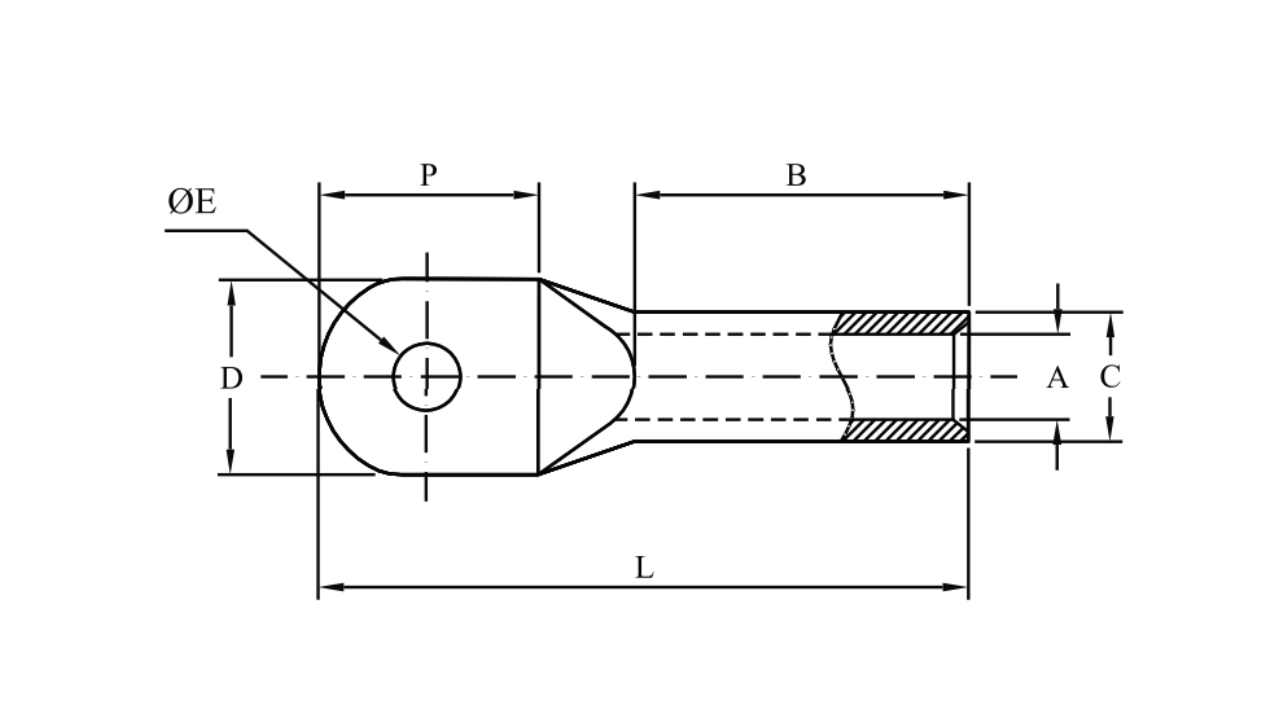
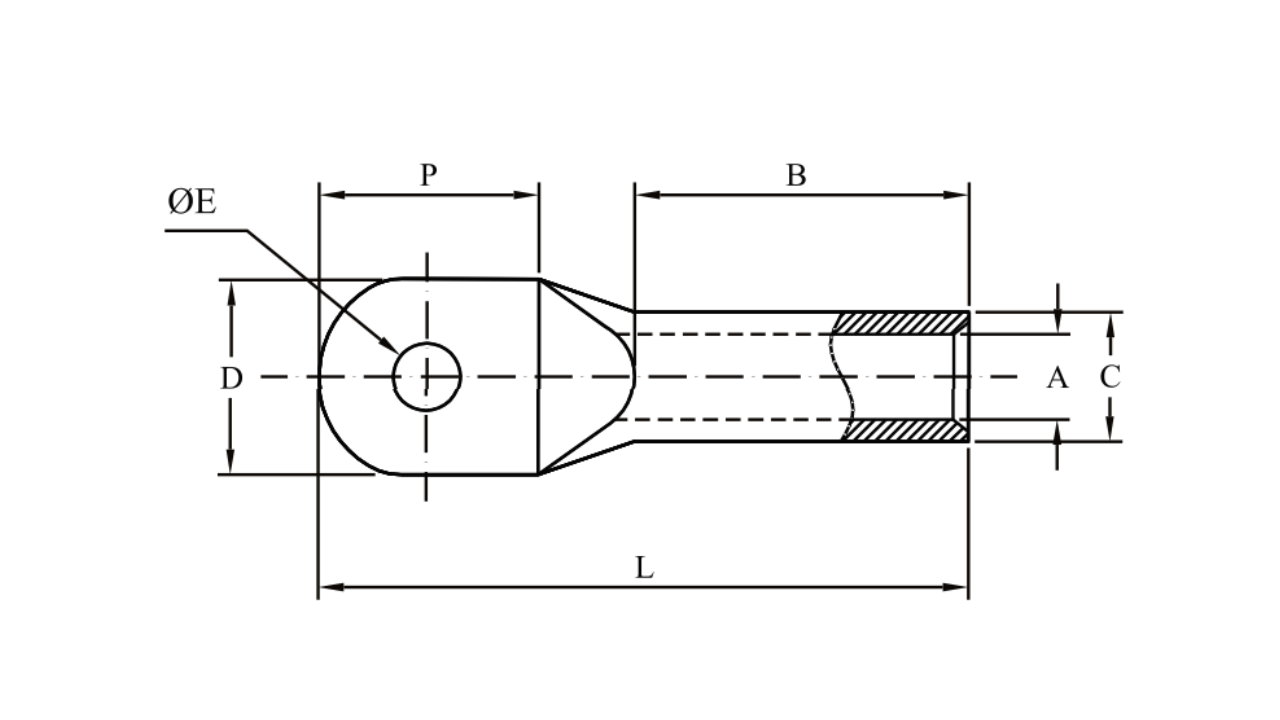
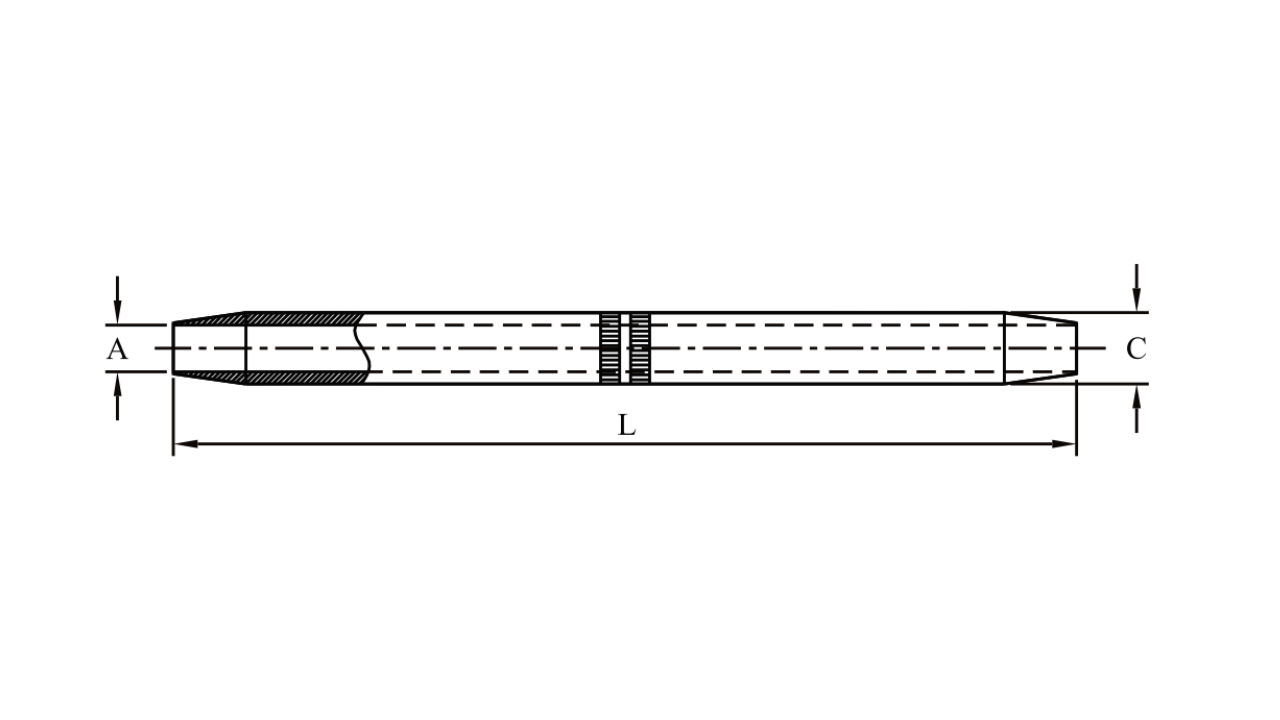
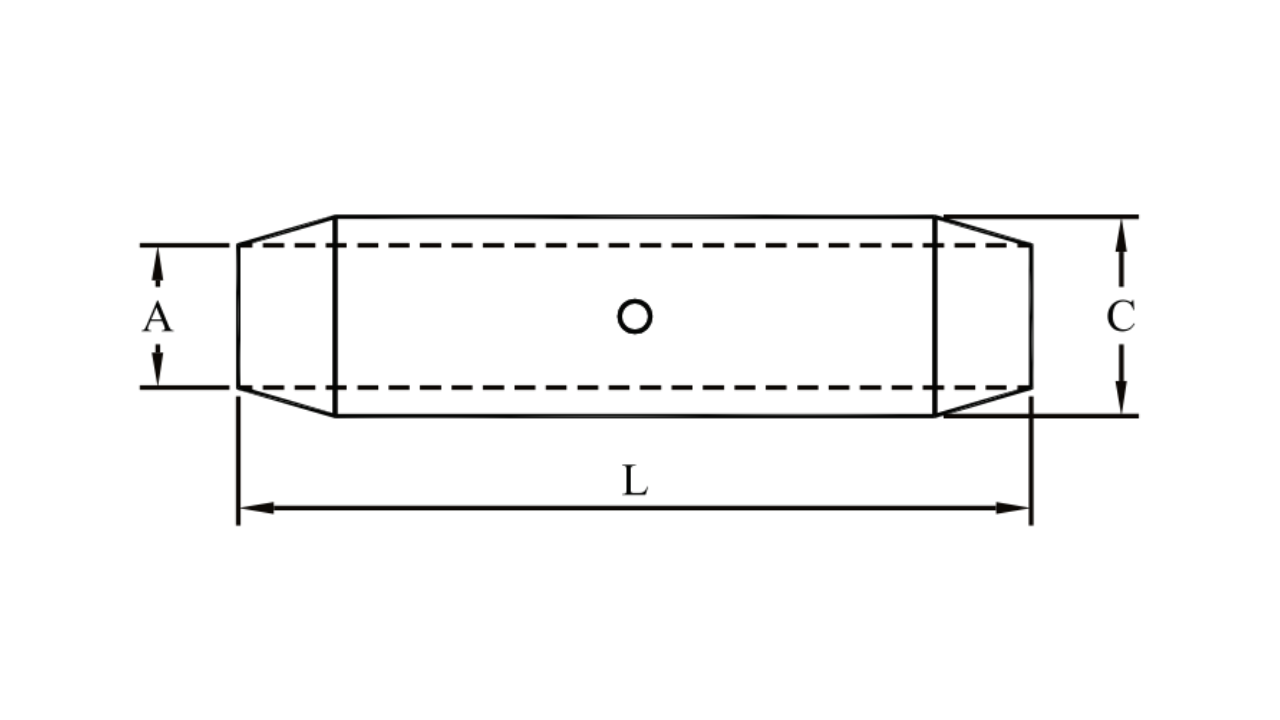
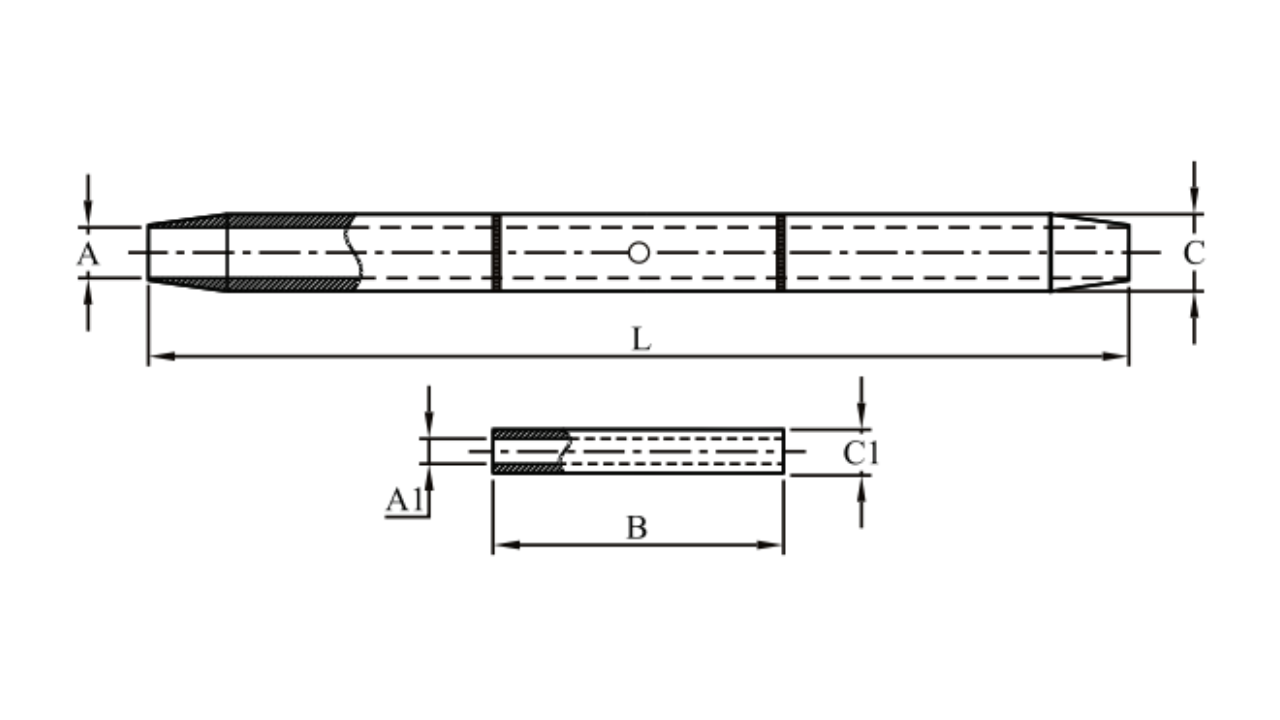
Aluminium compression lugs and joints from 16mm² to 1000mm², barrel prefilled with oxide inhibiting compound

UL | IEC | BS | DIN Tested and Certified

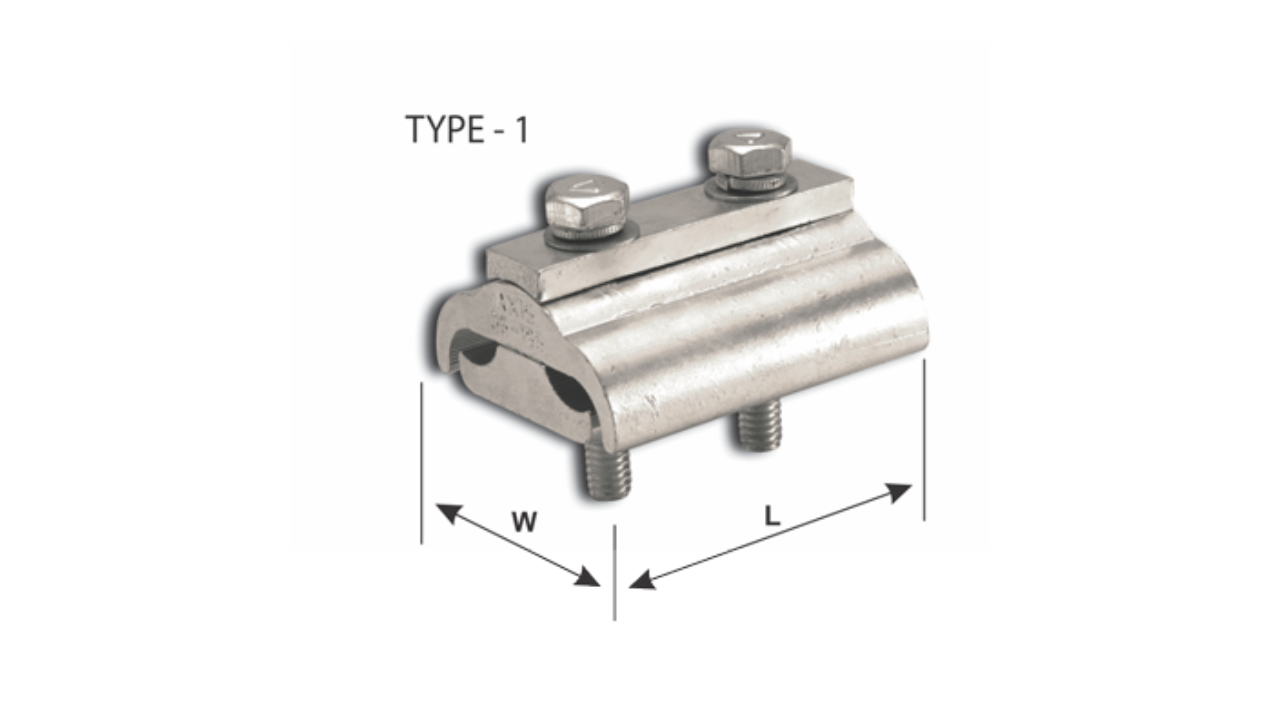
Guide to Lightning Protection Connectors

Product Selection and Technical Support.
selection criteria
Details Required to Select Aluminium Lugs & Connectors - Metric Series
Product raNGE
Explore Products
Learn From Our Engineers
Technical Guides
and Resources
video
How Cable Lugs get cULus & CSA approval?
video
How to Crimp Cable Lugs? Explained using Hydraulic & Battery Operated Tool
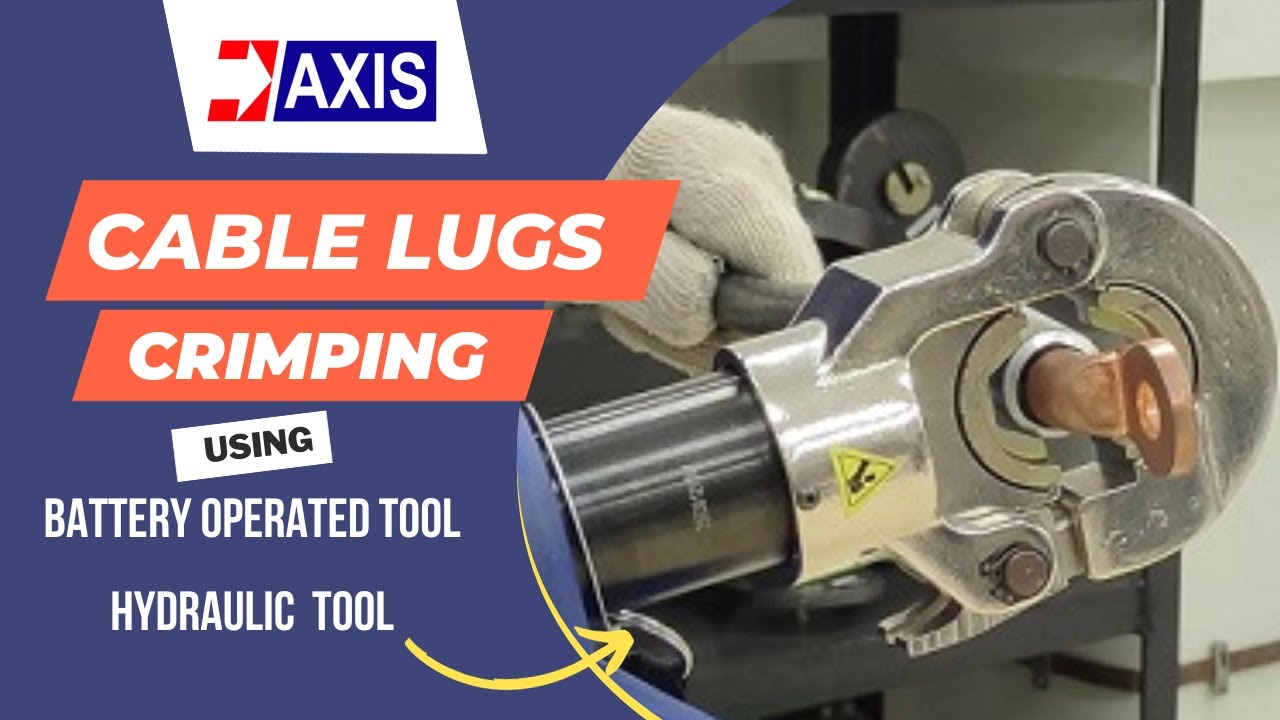
video
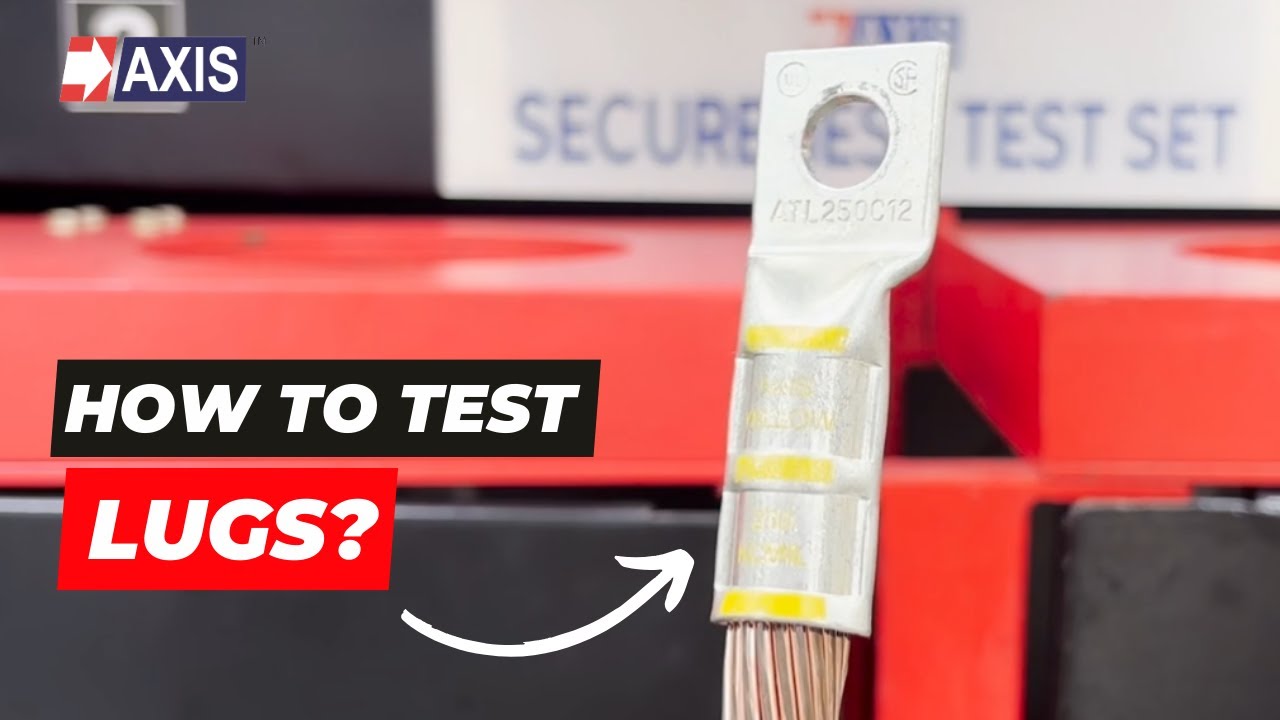
How to Test Cable Lugs? 6 Types of Test Explained
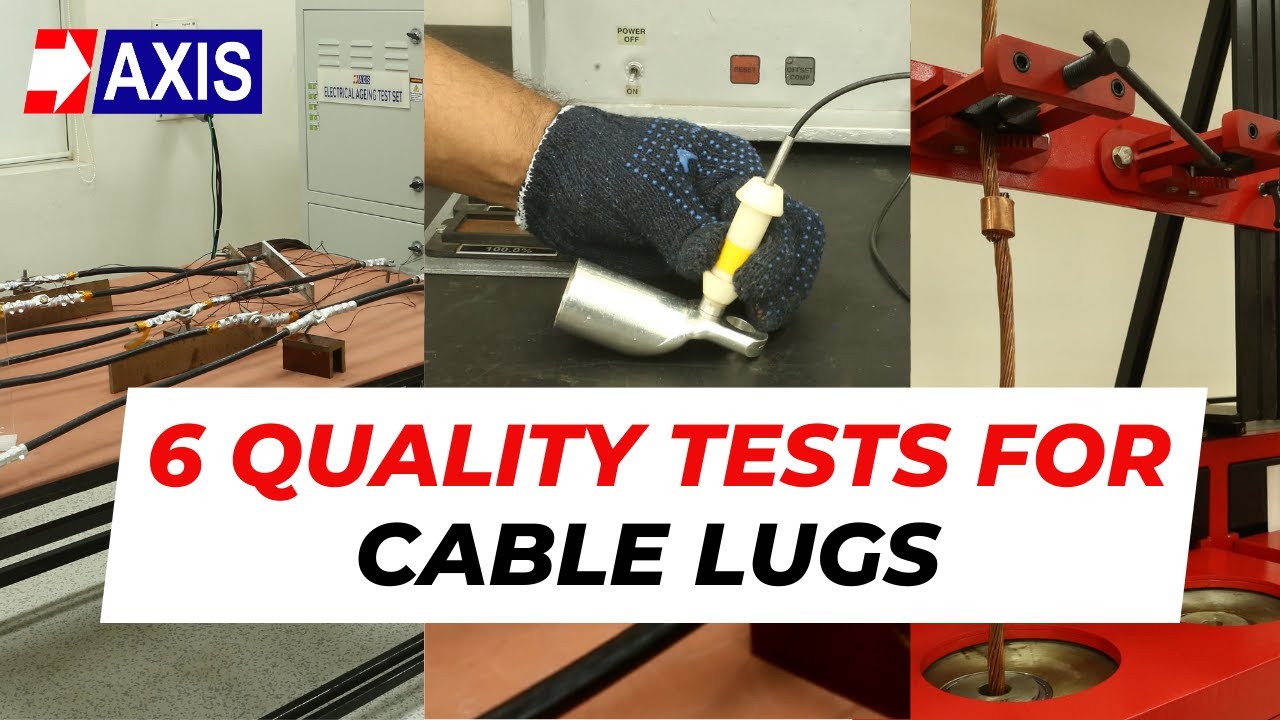
video
Type of Lugs - Which Cable Lug should you use? Learn Application & Types in Detail!
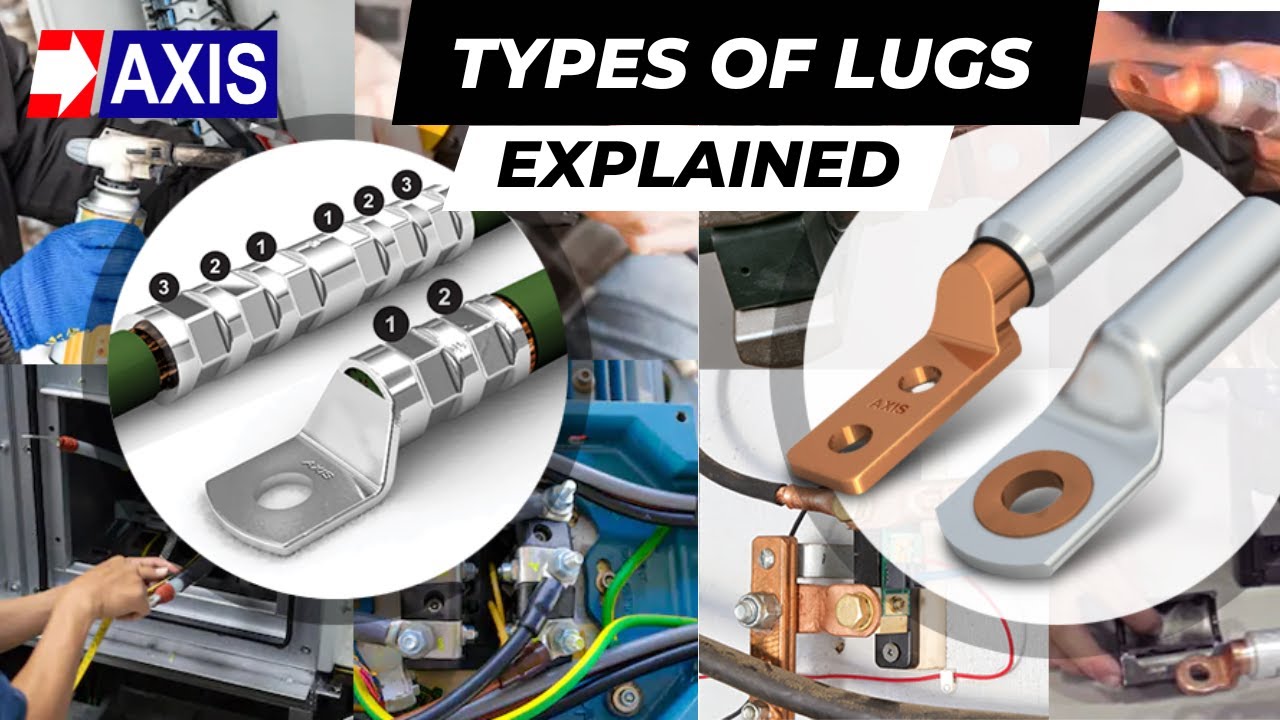
video
How to Crimp Cable Lugs?
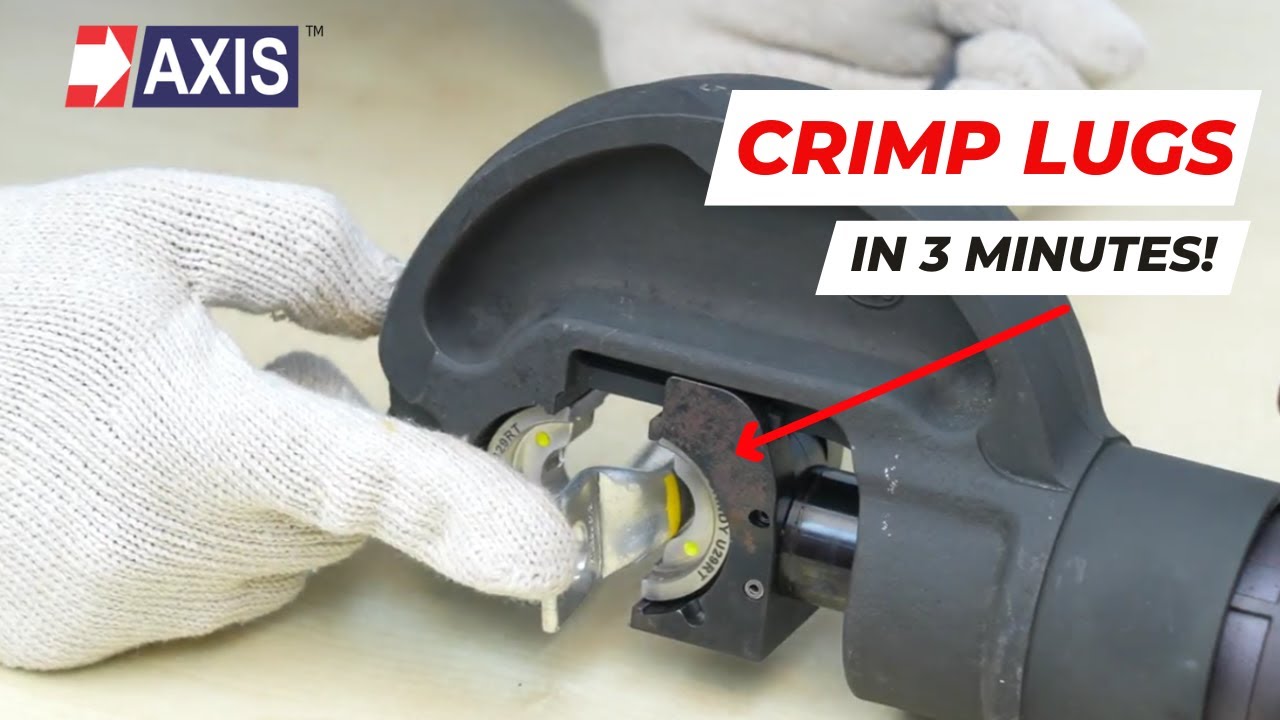
video
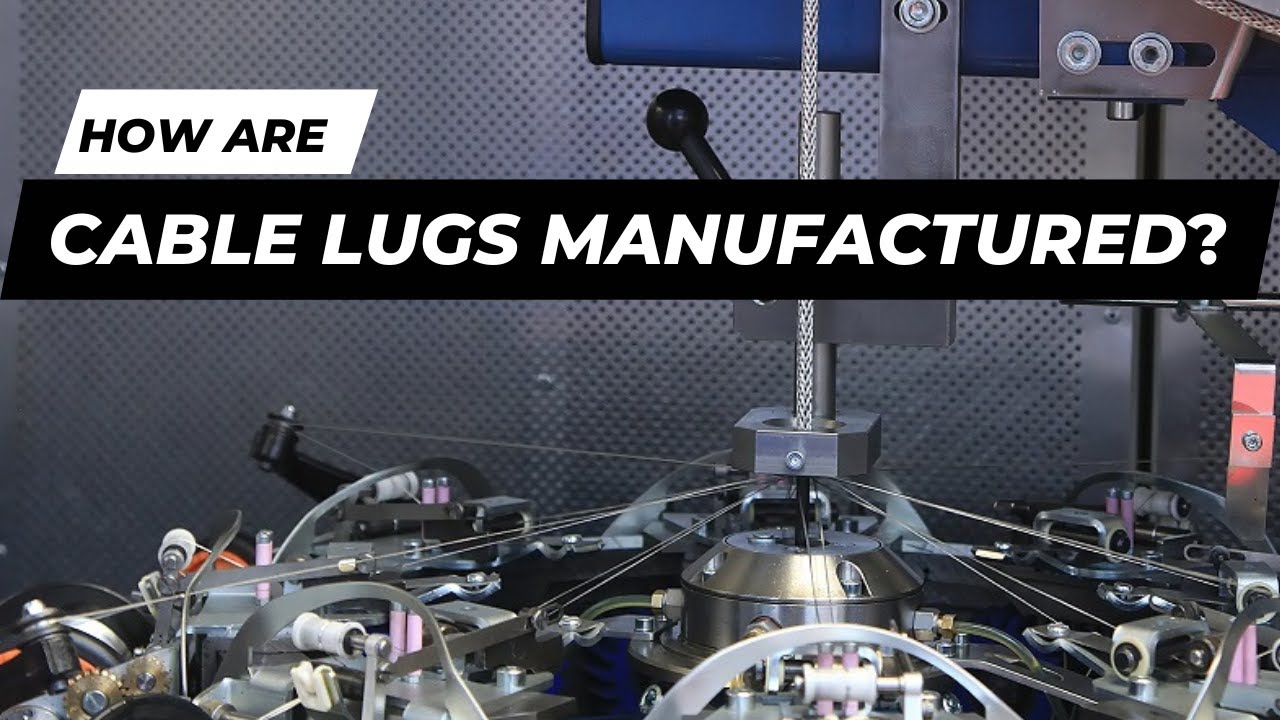
How are Cable Lugs Manufactured in India?
FAQS
Frequently Asked Questions
Find quick answers to common questions about our programs, admissions, eligibility, and application process to help you move forward with confidence.
Not without protection. Aluminium against copper in the presence of moisture sets up galvanic corrosion, and joint resistance climbs until the connection runs hot. Use a bimetallic lug, a tin plated palm, or a bimetallic washer at the interface.
Aluminium forms an oxide film the moment it meets air, and that film is a poor conductor. Wire brush the strands, apply the inhibitor compound, and crimp immediately. The compound breaks through what remains of the film and keeps air out afterwards. Skip this step and the joint starts sound, then degrades over the following months.
A full tension joint carries the mechanical pull of the span as well as the current, so it can sit mid span between poles. A standard compression joint carries current only and needs the conductor supported elsewhere. Never use a non tension joint inside a span.
Aluminium creeps under sustained clamping pressure, so a bolted joint can lose contact force over time. Use the torque value on the datasheet and check bolted terminations at the first maintenance visit. Compression joints do not creep, which is one reason they are specified on permanent connections.
Heat cycling. A fresh joint almost always measures well, so the meaningful test loads the connection repeatedly and reads contact resistance after each cycle, showing whether it stays stable as aluminium expands, contracts, and creeps. Axis runs heat cycling alongside tensile, pull out, torque, and contact resistance testing in its NABL accredited lab.