
Earthing Clamps & Couplers

Approved by 80+ Utilities Worldwide

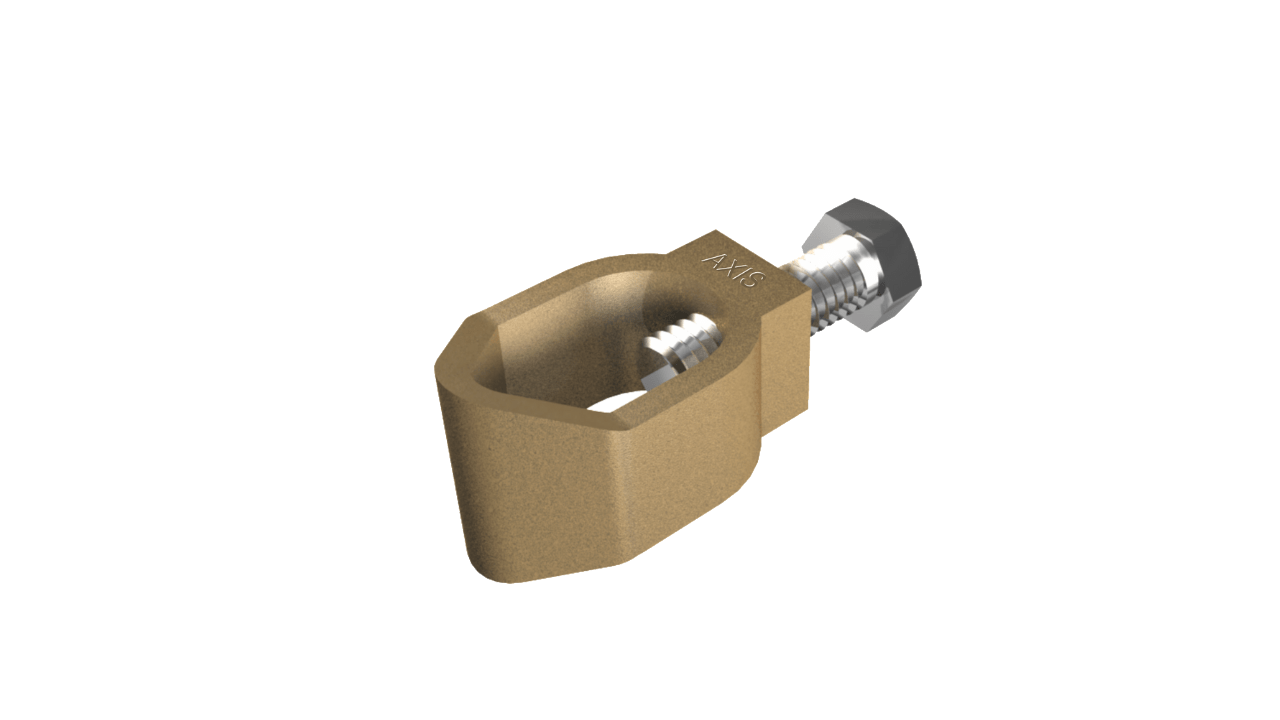
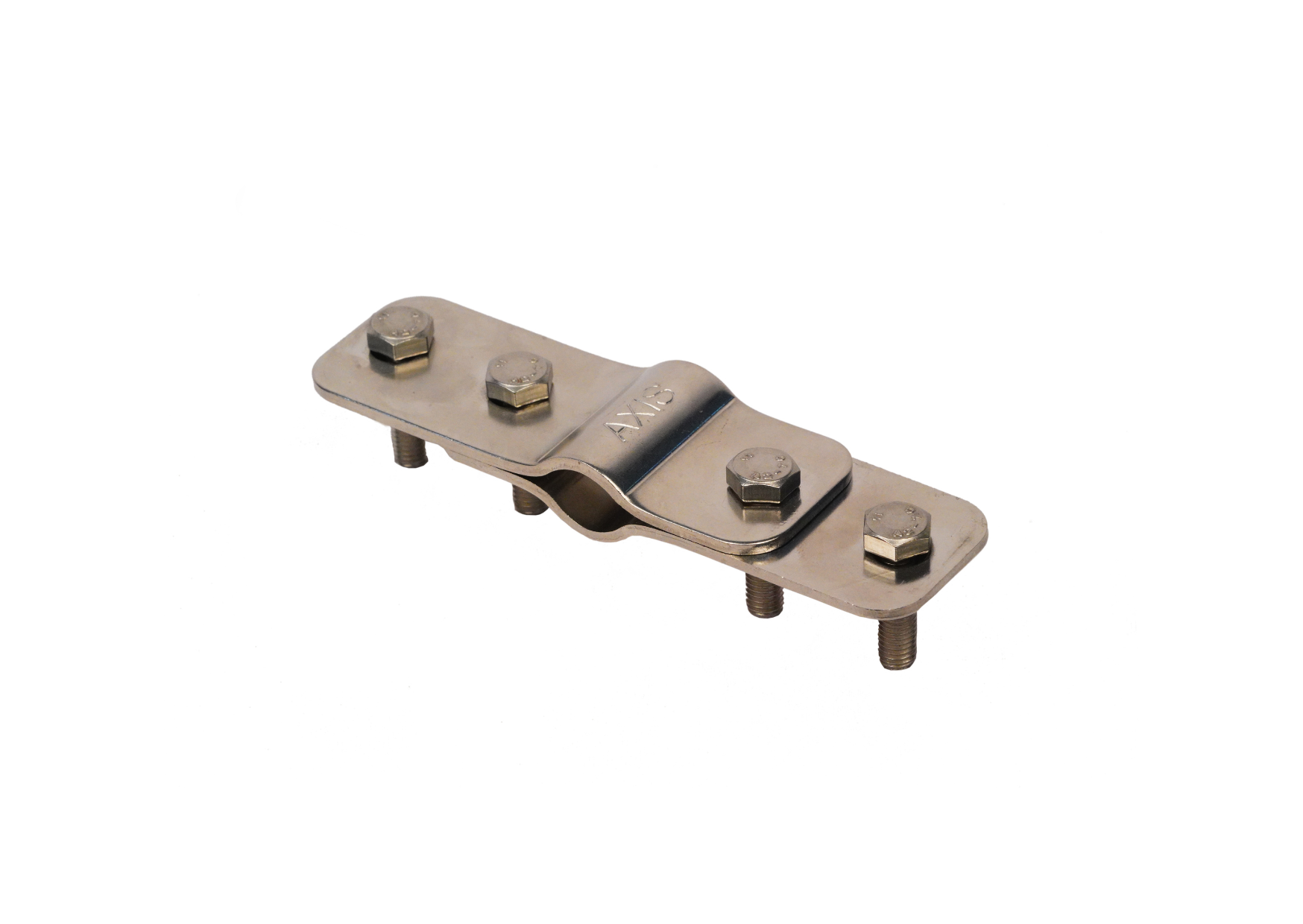
Rod to tape clamps, connection brackets and couplers in copper alloy and stainless steel.

IEC | UL | CSA | IEEE Tested and Certified

Learn about Touch & Step Potential

Product Selection and Technical Support.
selection criteria
How to Select Earthing Clamps and Couplers
Couplers

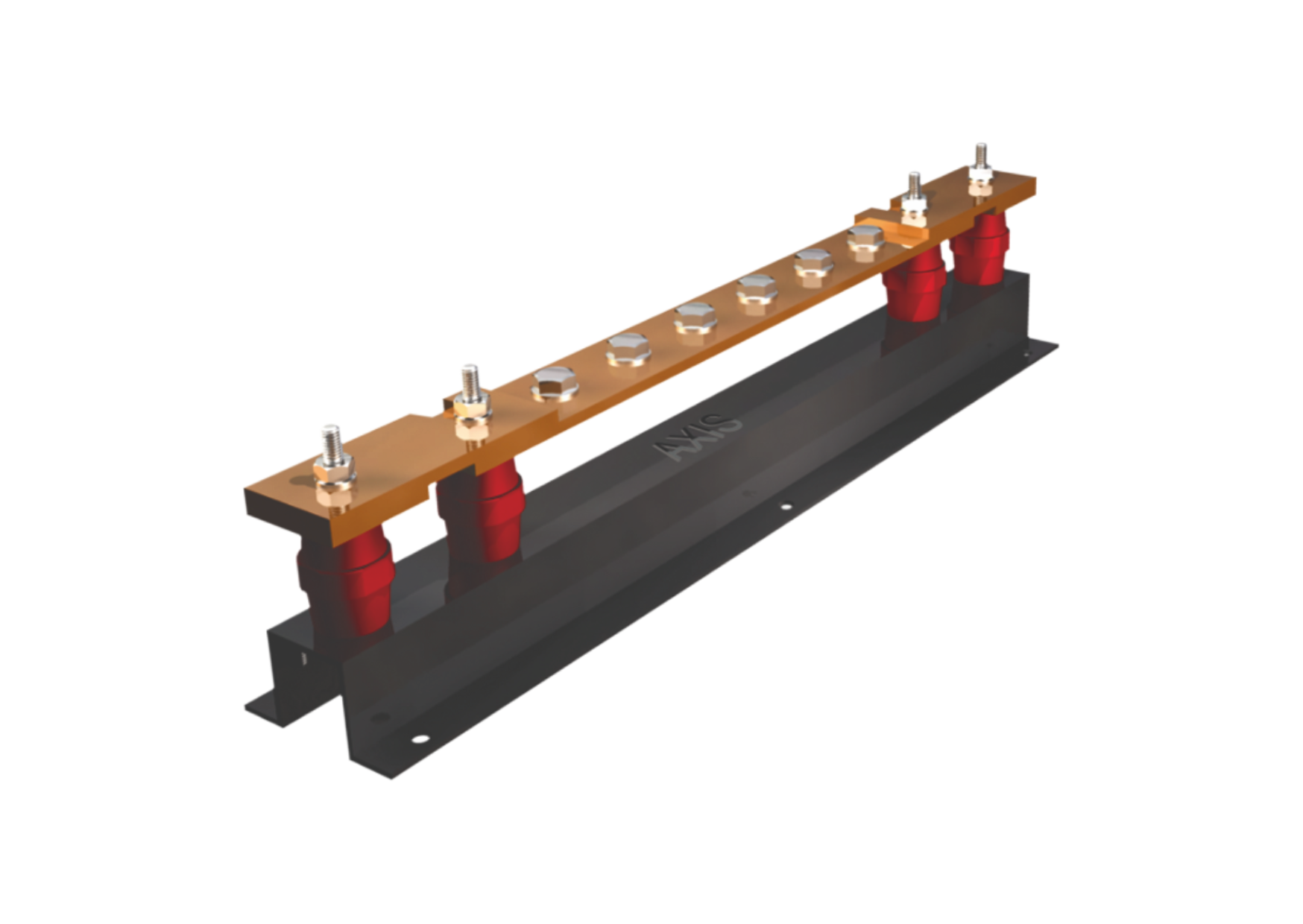
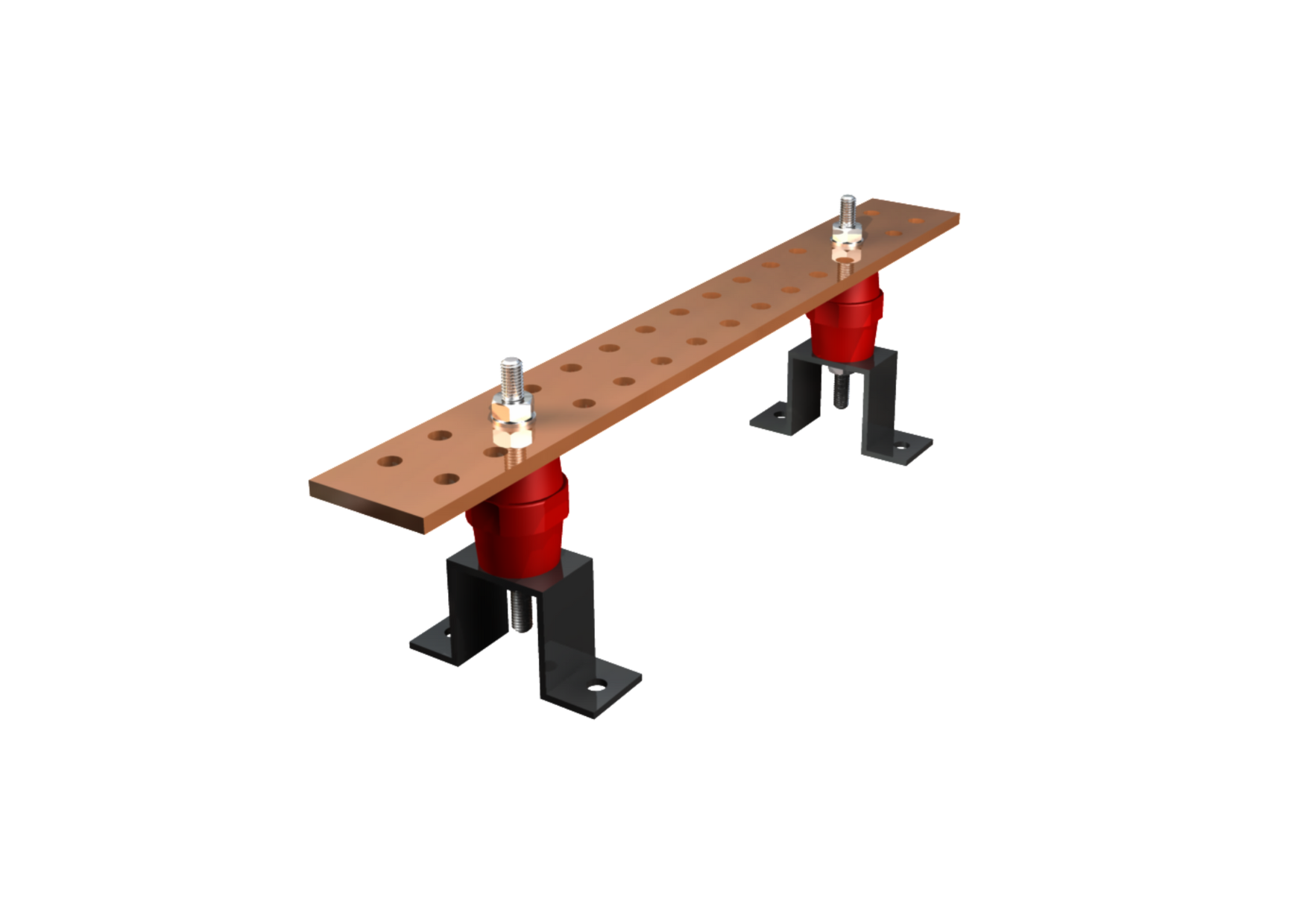

Learn From Our Engineers
Technical Guides
and Resources
video
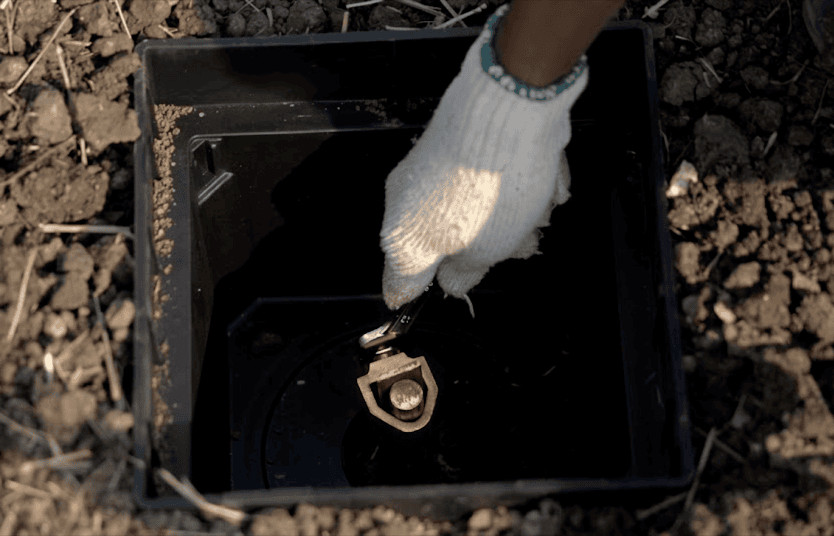
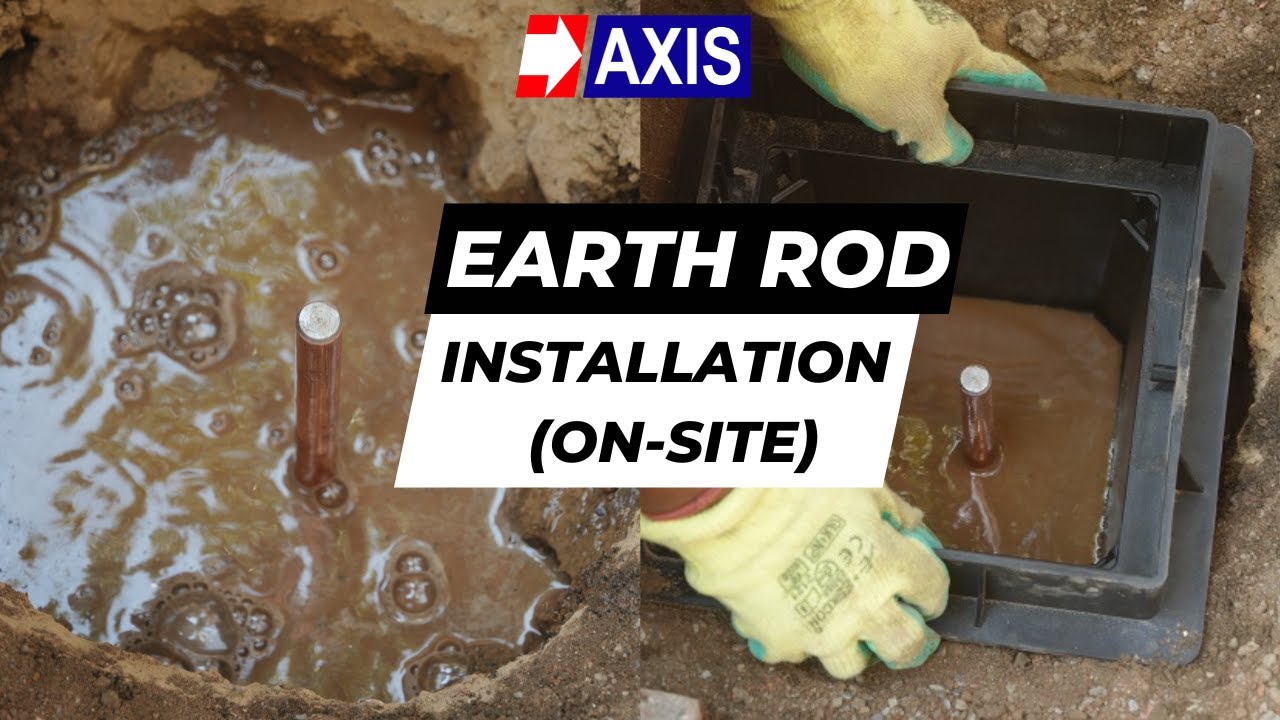
Earth Rod Installation (On site) - Along with Clamps, Connectors, and Earth Pit.
video
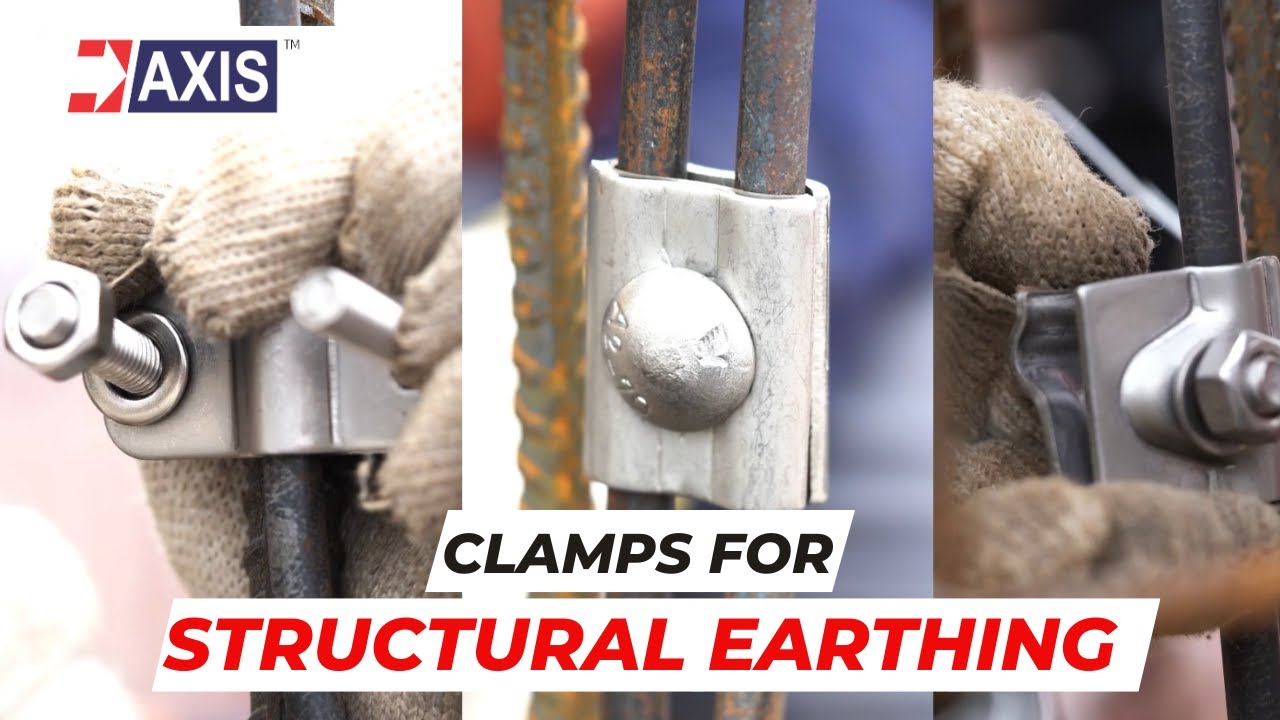
How to Install Clamps for Structural Earthing?
FAQS
Frequently Asked Questions
Find quick answers to common questions about our programs, admissions, eligibility, and application process to help you move forward with confidence.
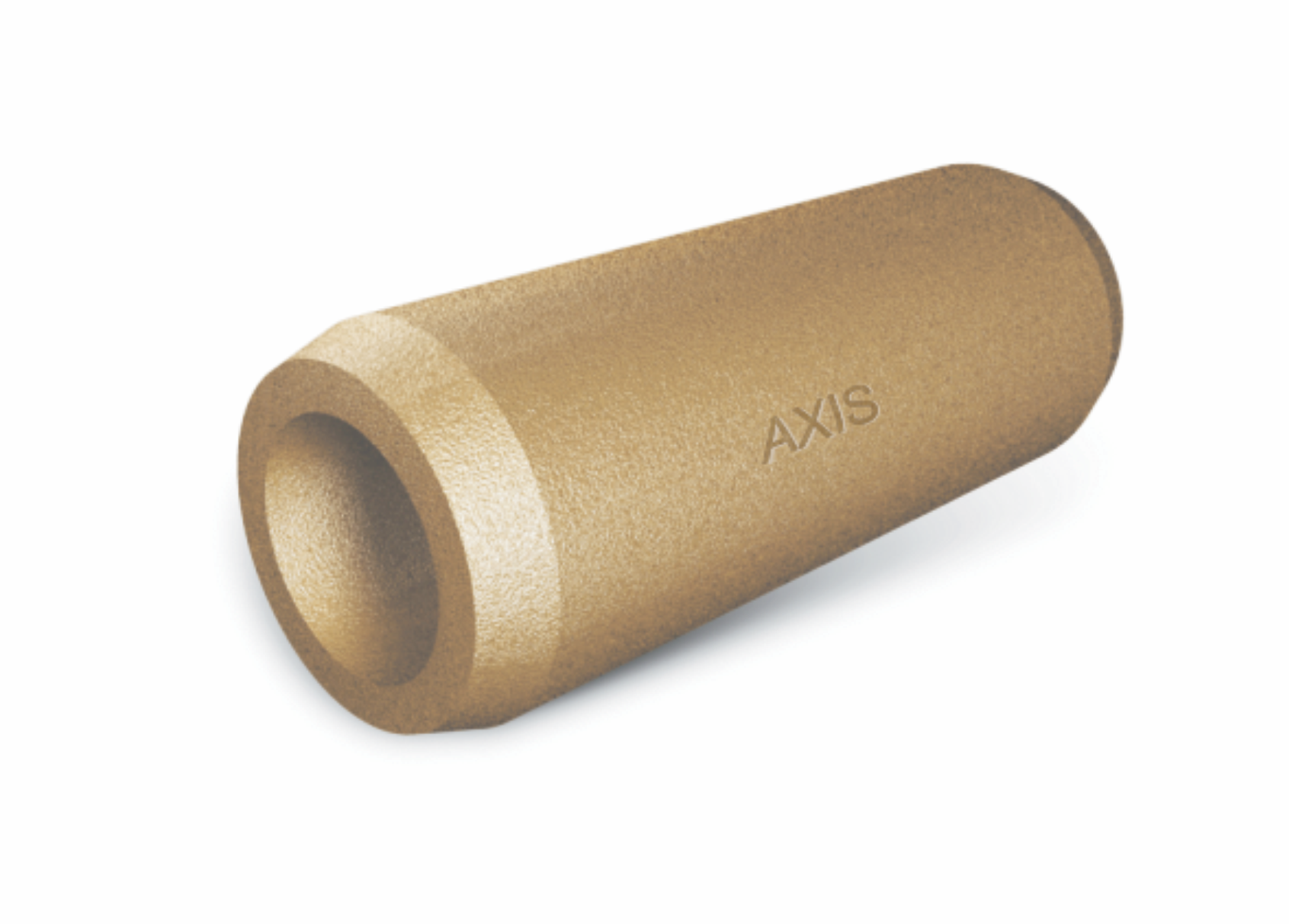
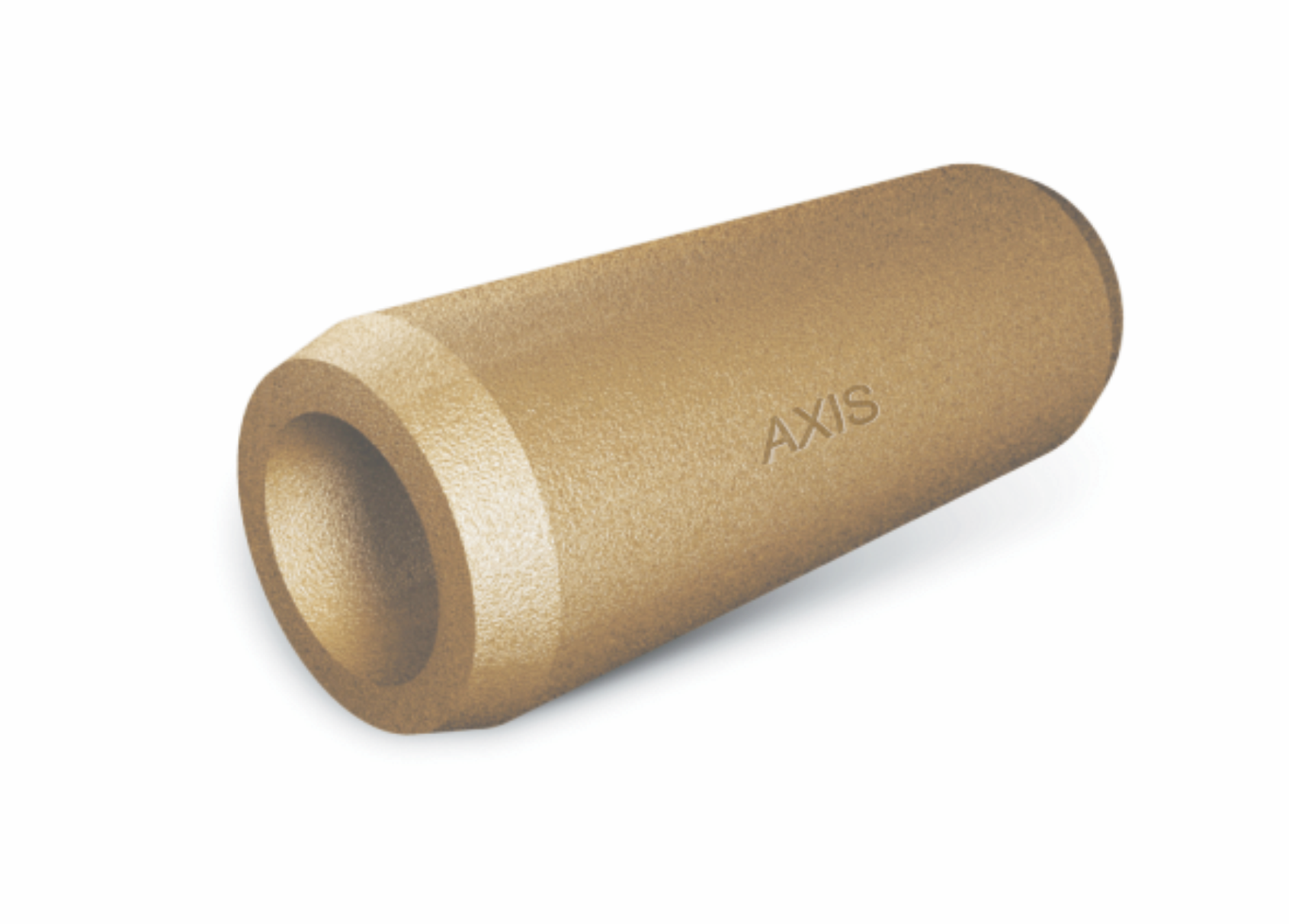
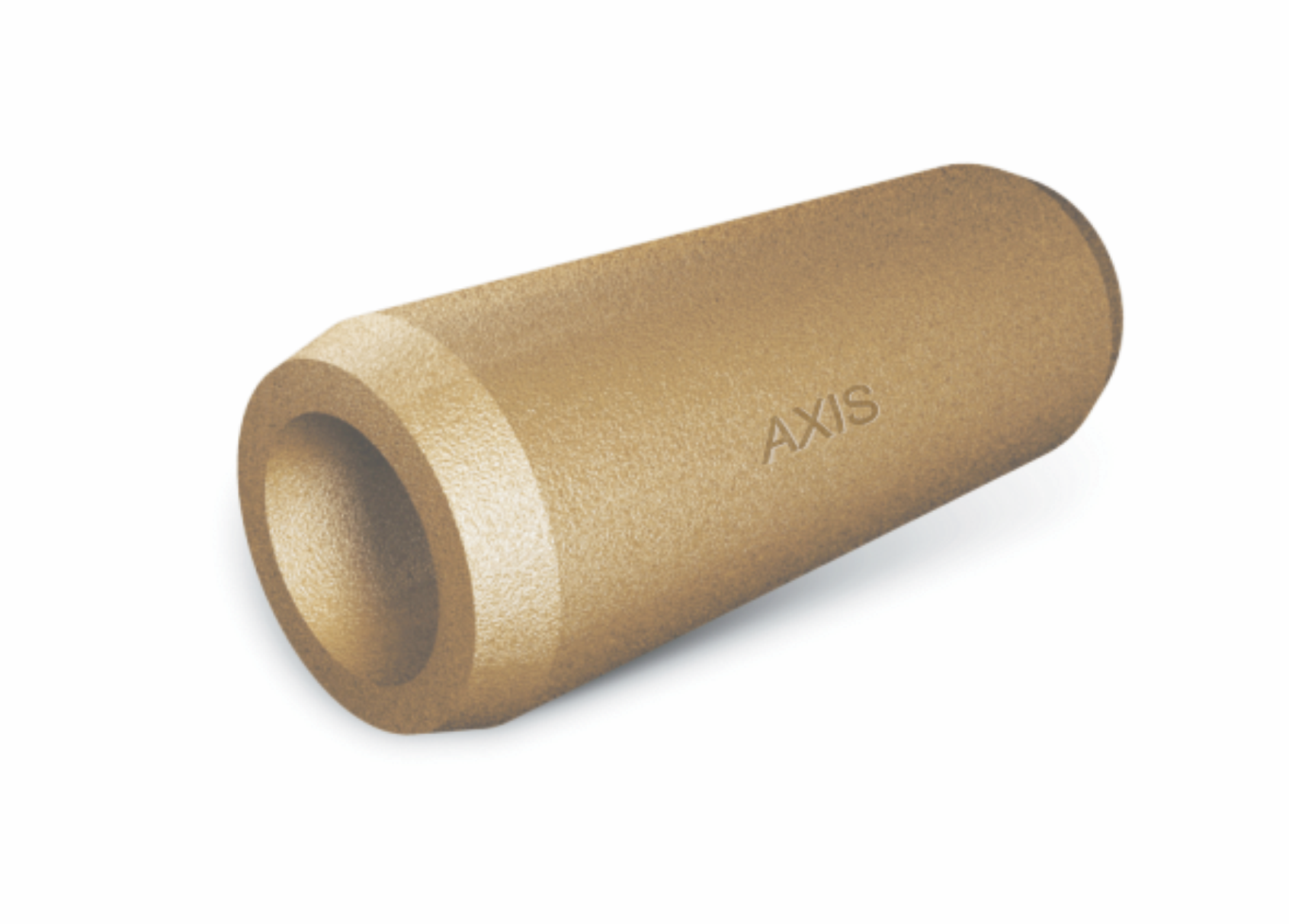
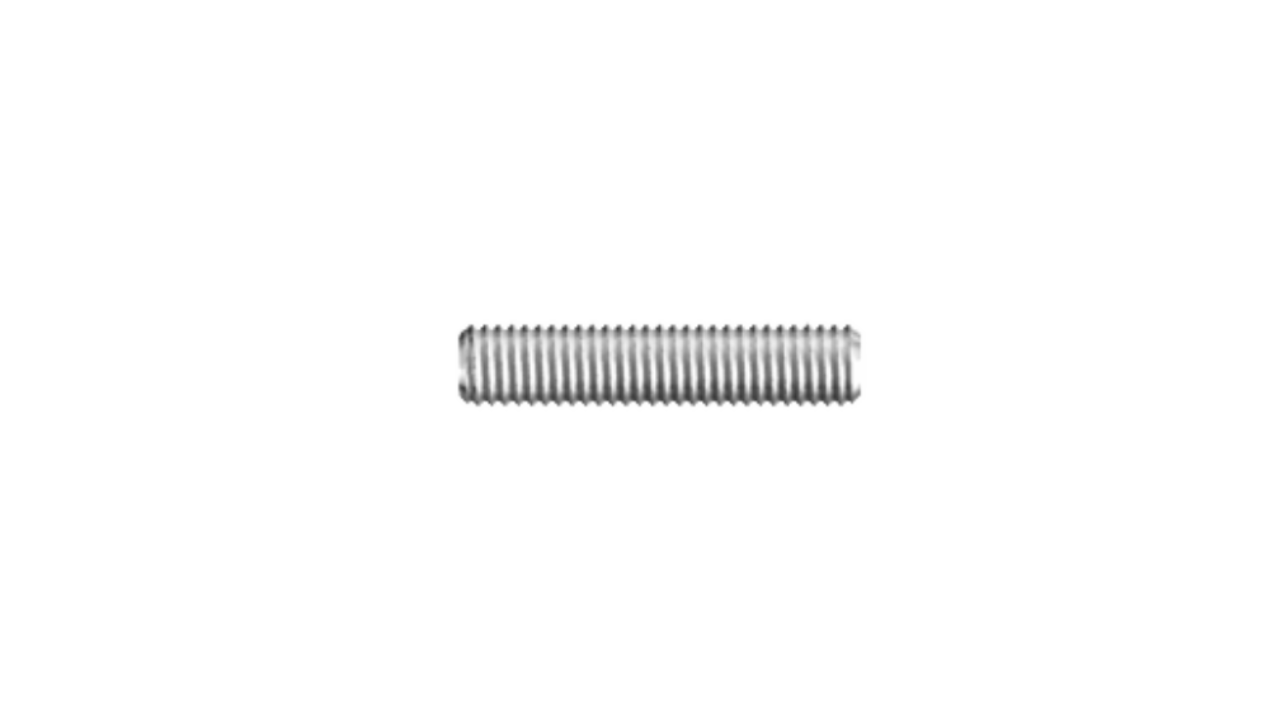
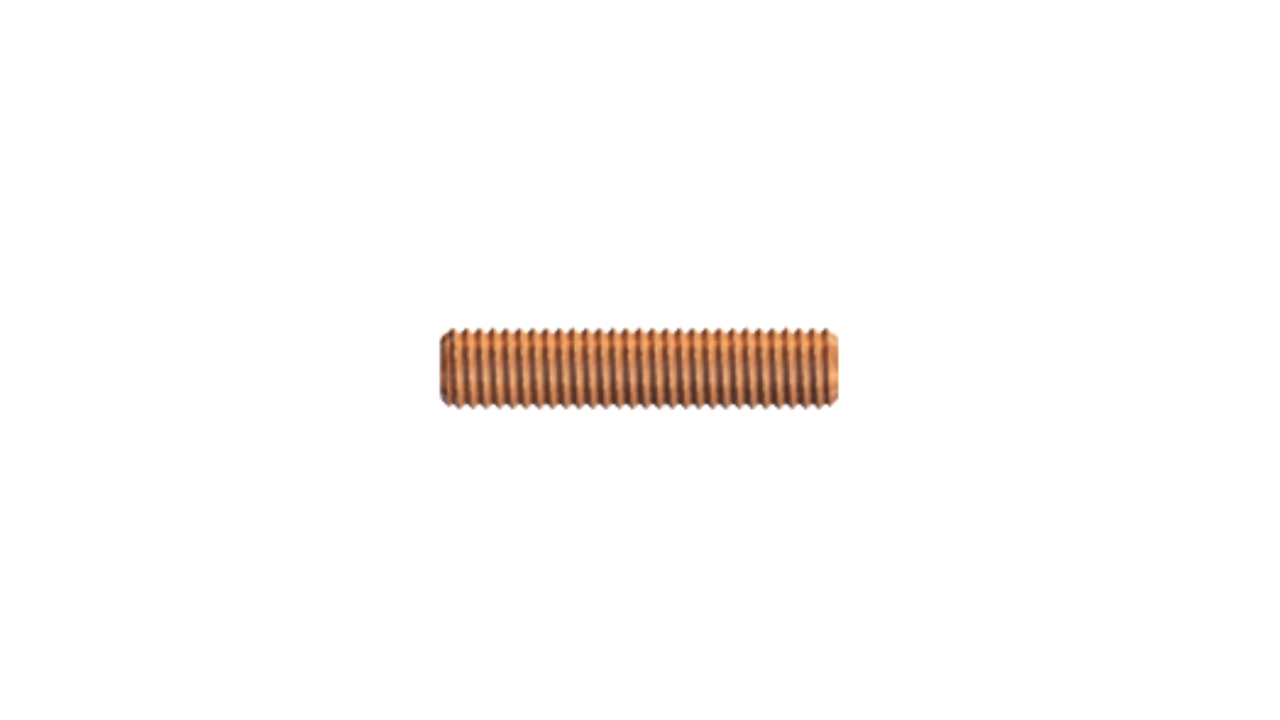
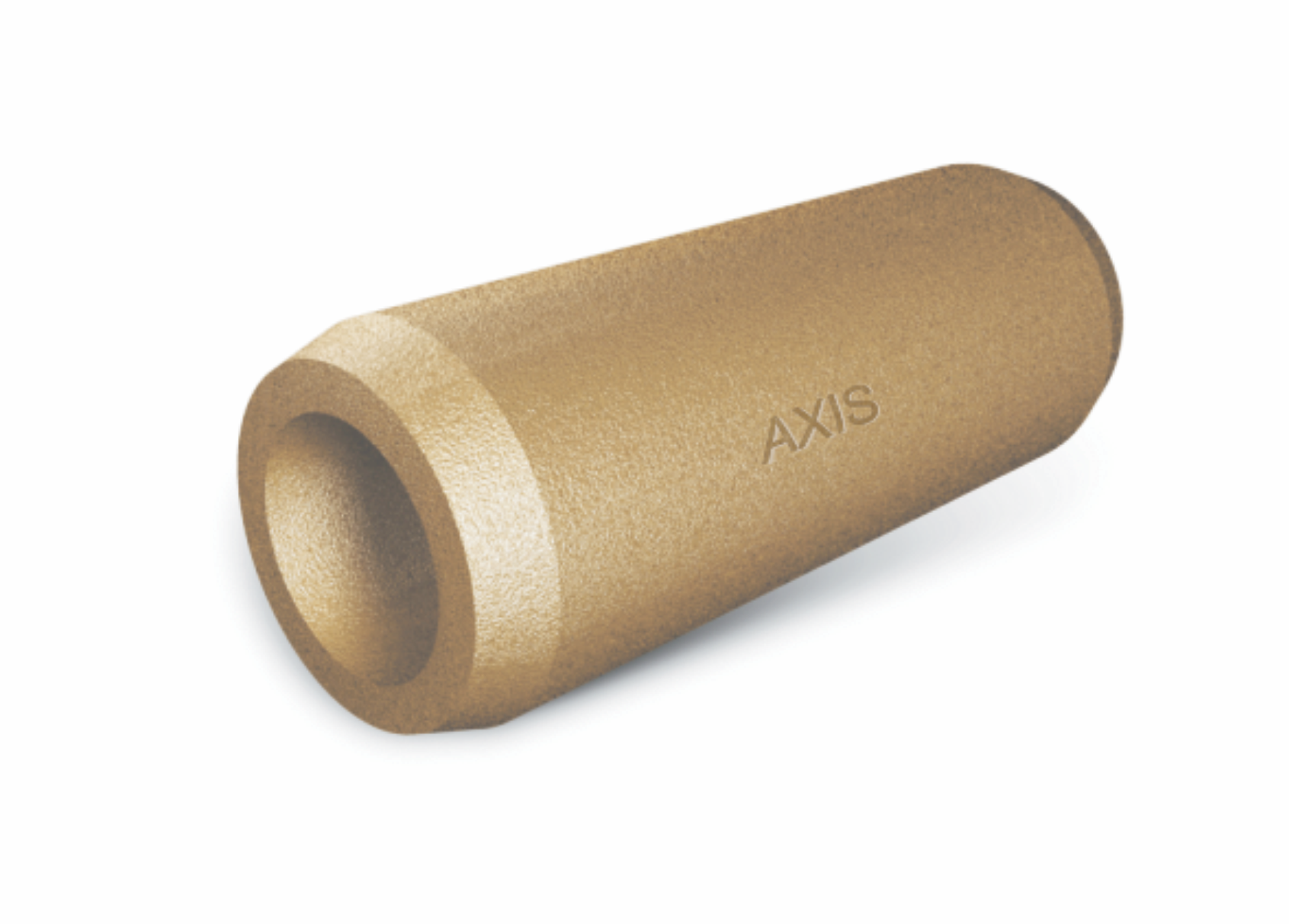
A threaded coupler screws onto both rod ends and gives a mechanical and electrical connection you can dismantle. A push fit coupler is a plain sleeve, and the rods drive into each end under the hammer. Push fit is faster on volume work. Threaded is the choice where you may need to withdraw or extend the rod later.
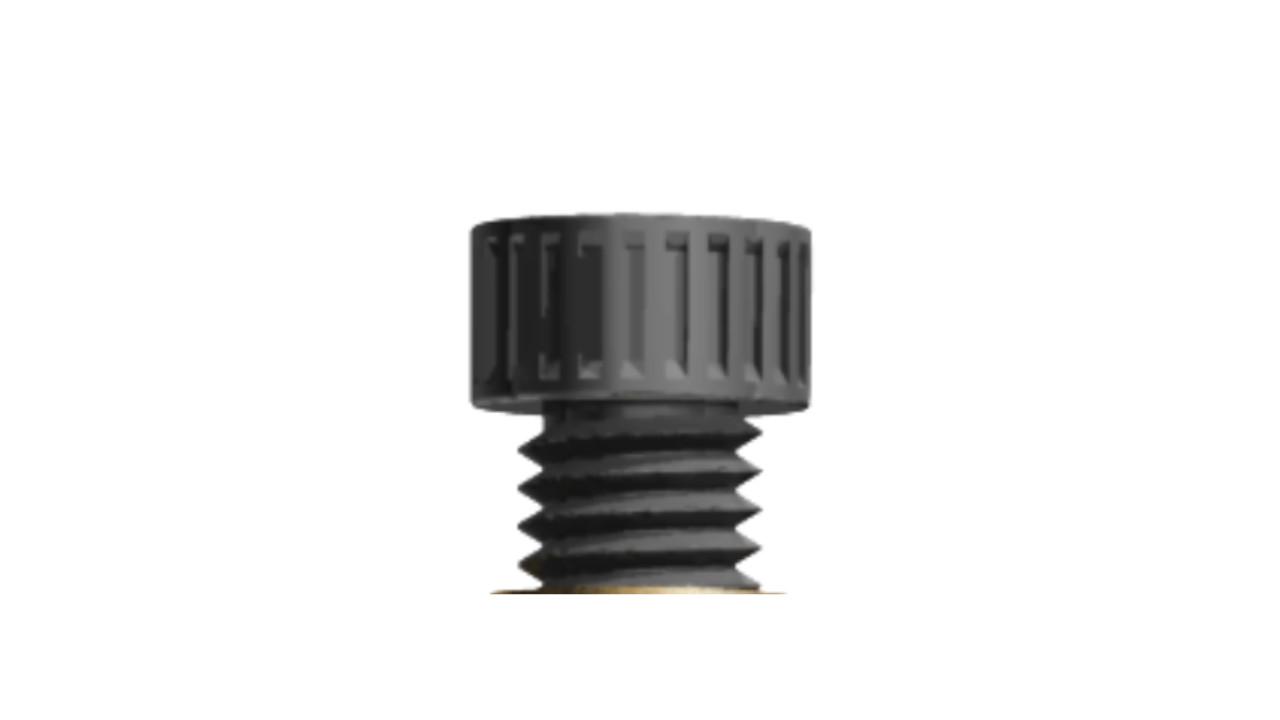
That is what UL 467 is checking. Use a driving stud inside a threaded coupler and a driving head on top of the rod, so the hammer energy passes through the rod and not through the coupler threads. Driving directly onto the coupler mushrooms the end and you lose the joint.
Match the clamp to both parts. A rod to tape clamp has a flat seat and clamping plate for strip conductor. A rod to cable clamp uses a saddle sized to the cable. Using a tape clamp on round cable leaves a line contact instead of an area contact, and the joint heats under fault current.
Only if the clamp is listed for direct burial under UL 467. Buried joints face moisture and soil chemistry with no chance of inspection. Where the connection is buried and permanent, exothermic welding is the more reliable choice, because the joint becomes one piece of metal with no clamping force to lose.
It gives you a point where the earth conductor can be opened, so you can measure the resistance of a single electrode instead of the whole system in parallel. Fit one at each electrode and put it in an inspection pit, or you will have no way to test the installation after handover.