
Bimetallic Lugs & Connectors

Approved by 80+ Utilities Worldwide

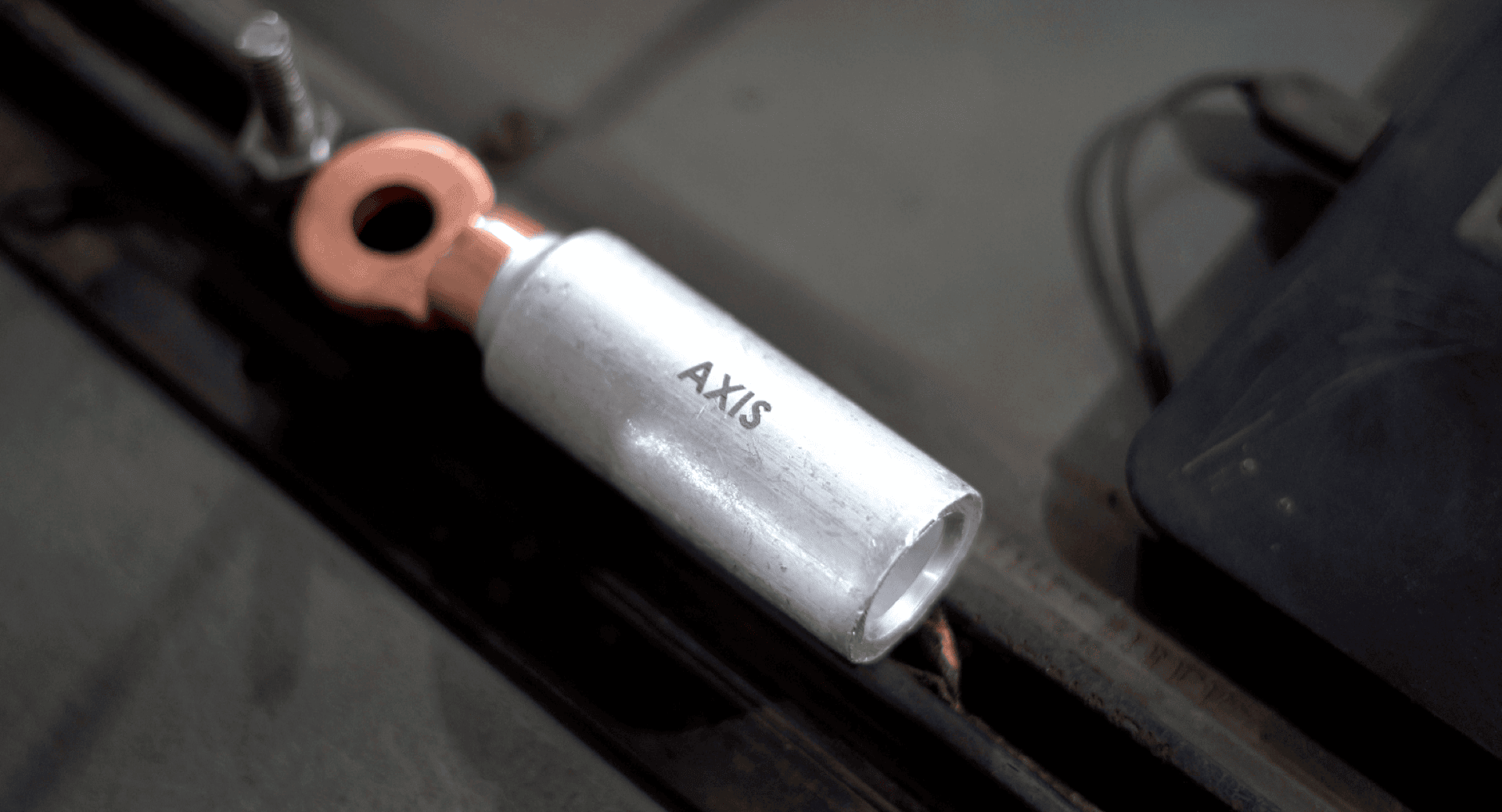
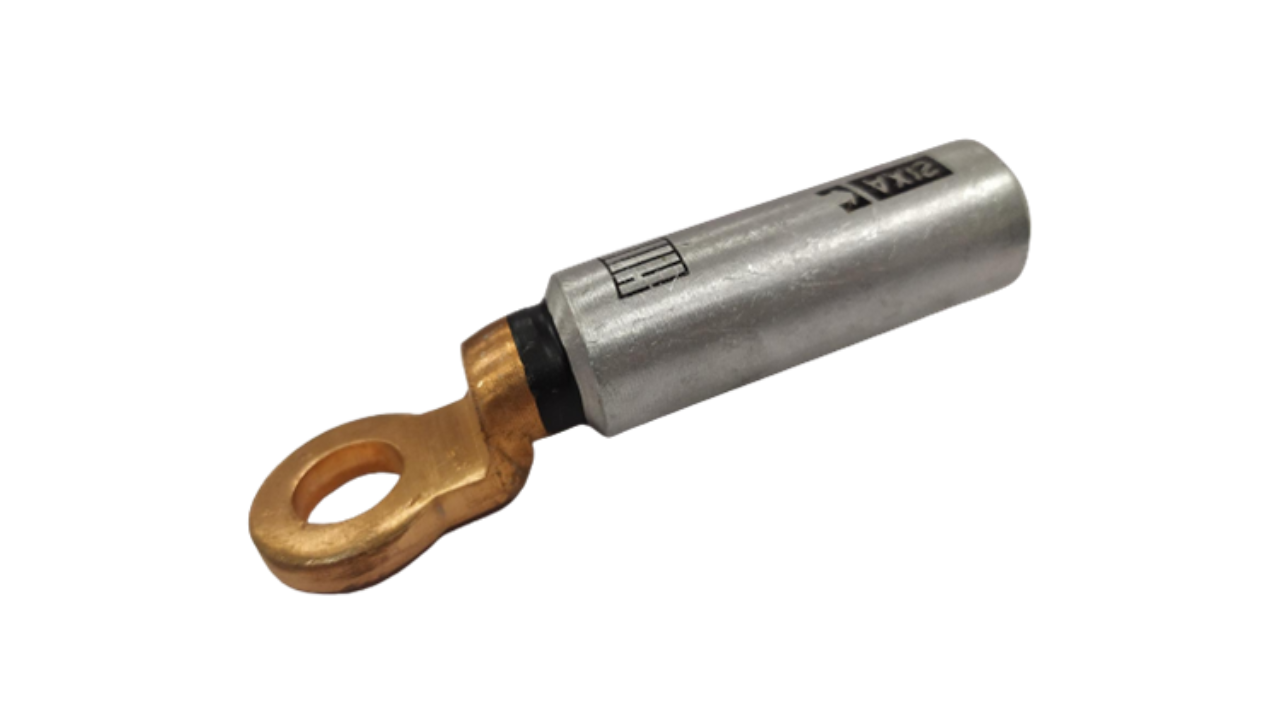
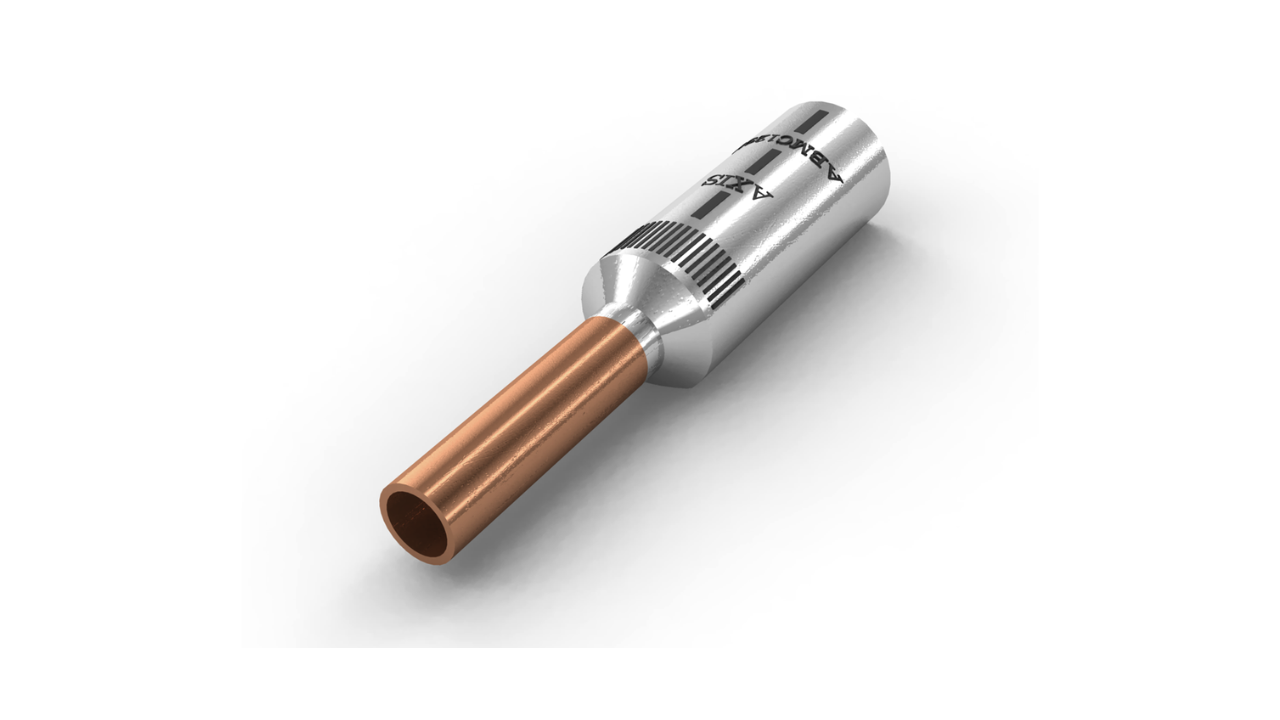
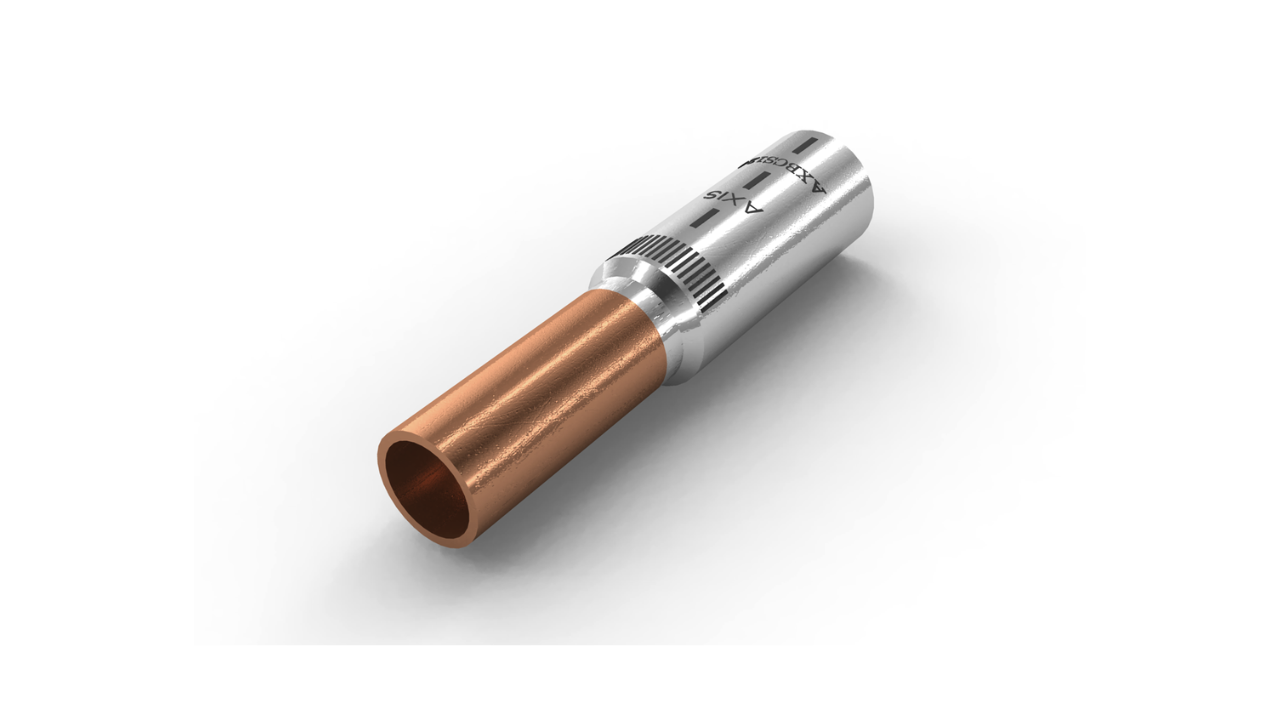
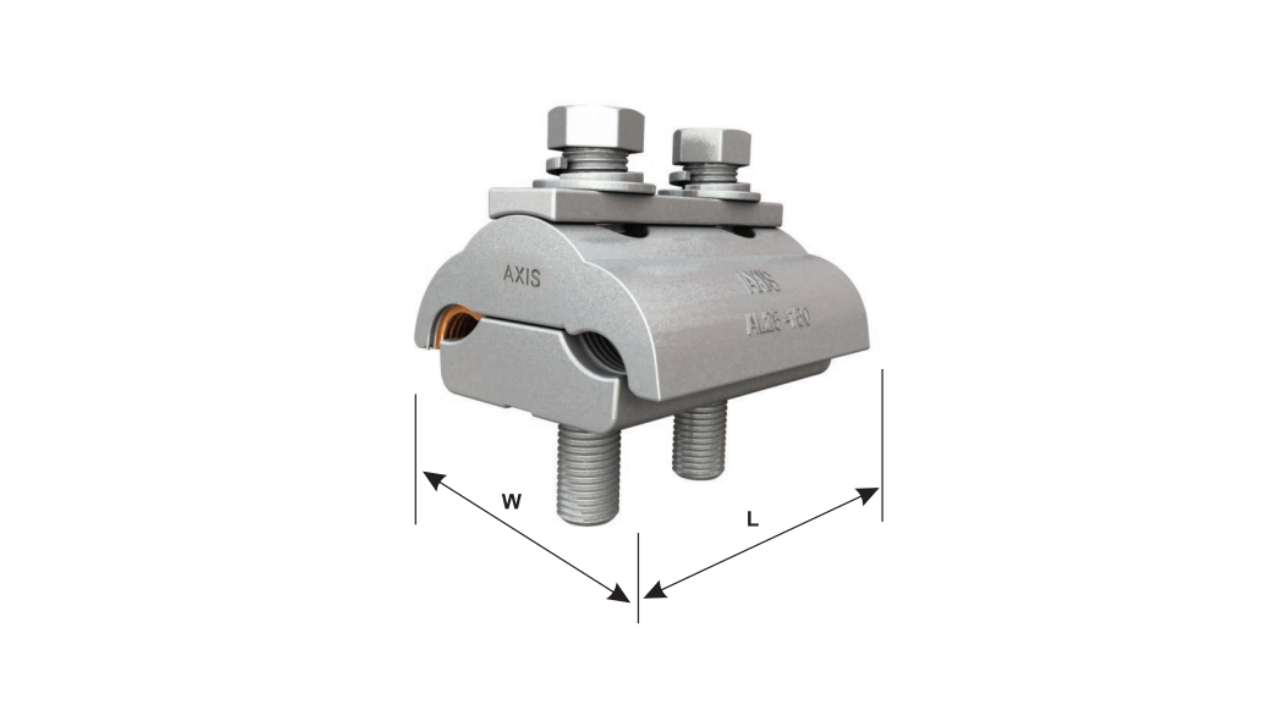
Bimetallic lugs and connectors from 16mm² to 630mm², friction welded for corrosion-free aluminium to copper terminations.

UL | IEC | BS | DIN Tested and Certified

How do Bimetallic Lugs save Solar Panels?

Product Selection and Technical Support.
selection criteria
Details Required to Select Bimetallic Lugs & Connectors
Product raNGE
Explore Products
Learn From Our Engineers
Technical Guides
and Resources
video
How do Bimetallic Lugs save Solar Panels?
video
Dual Rated Lugs vs Bimetallic Lugs - Engineers Get This Wrong!
video
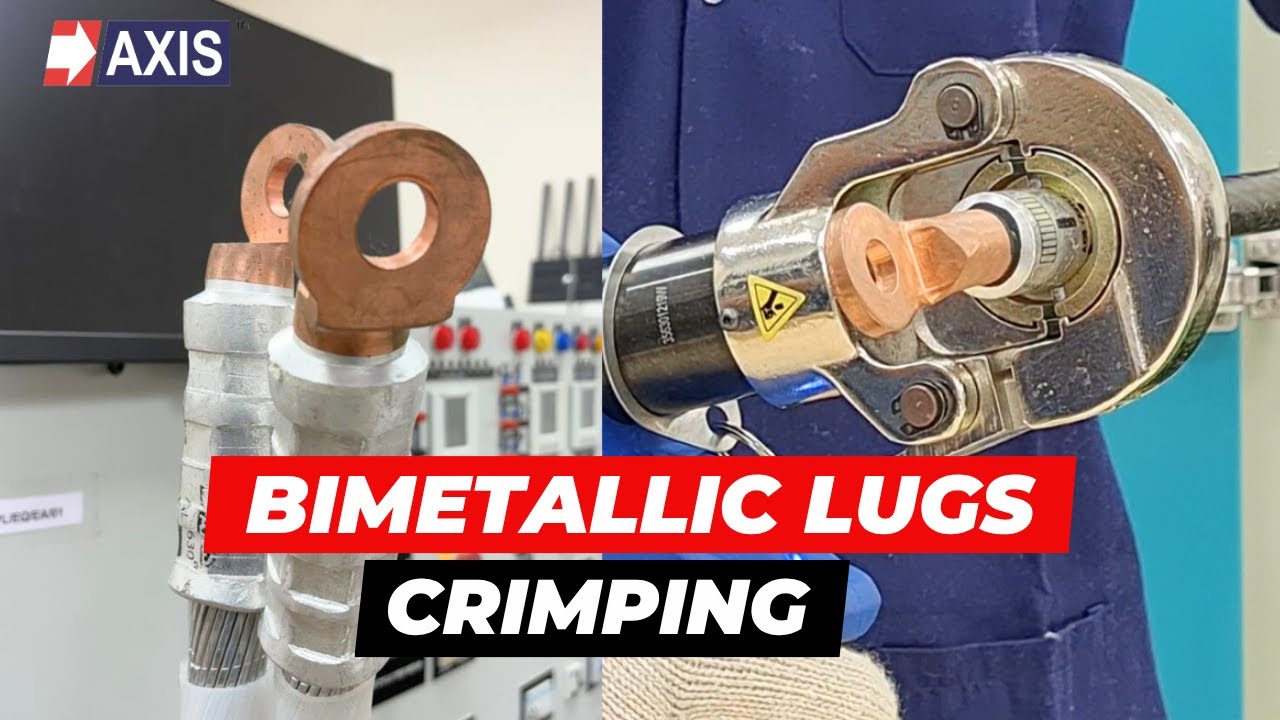
How to crimp Bimetallic Lugs?
FAQS
Frequently Asked Questions
Find quick answers to common questions about our programs, admissions, eligibility, and application process to help you move forward with confidence.
It has an aluminium barrel friction welded to a copper palm. The aluminium cable goes into the aluminium barrel, and the copper palm bolts to the copper busbar. No dissimilar metals touch anywhere in the connection, so there is nothing for galvanic corrosion to attack.
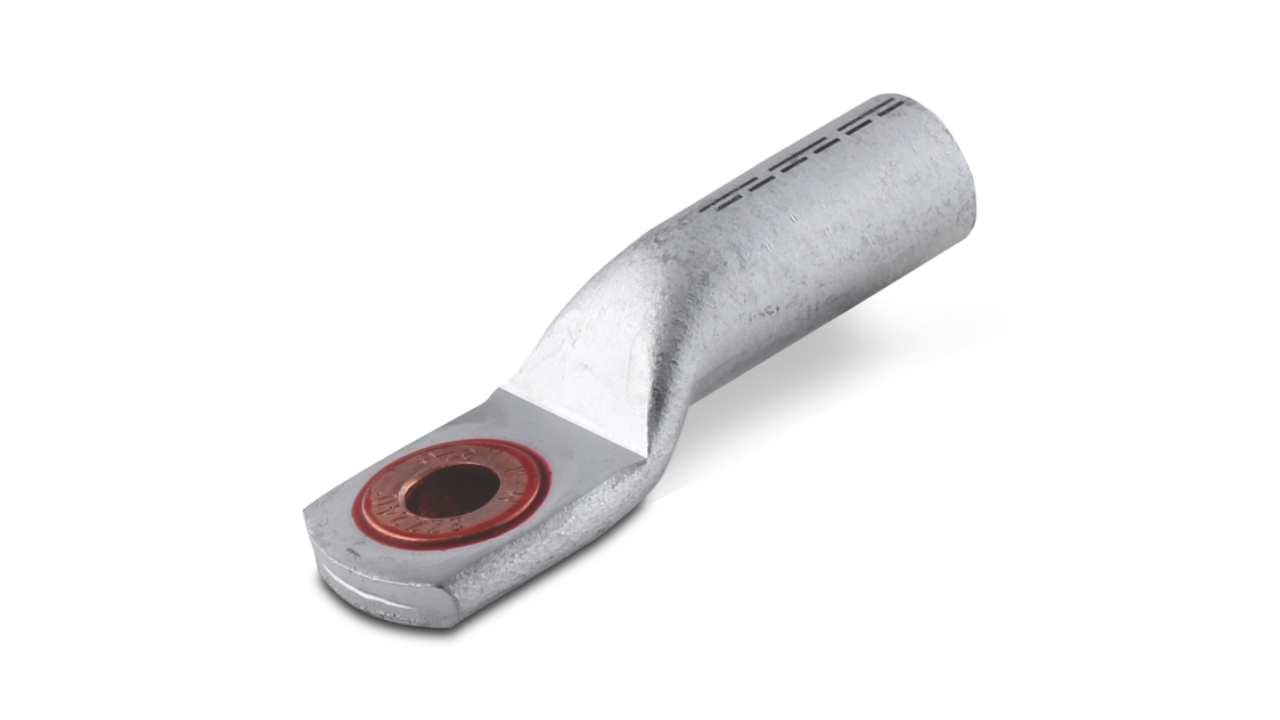
A dual rated lug is one material, usually tin plated aluminium, tested with both copper and aluminium conductors under UL 486A and 486B. It gives you a choice of which conductor metal to insert. It does not let you transition between metals. Bolt a dual rated lug carrying aluminium cable onto a copper busbar and you still have aluminium meeting copper at the busbar.
Only while it lasts. The plating is a barrier, and outdoors it faces moisture, salt, humidity, and temperature cycling. Once it wears through, aluminium and copper are in direct contact and corrosion begins. A friction weld is part of the metal itself, so it does not wear, peel, or degrade.
Measure the insertion depth of the lug and mark it on the cable. Strip the insulation to that mark with 3 to 5 mm allowance. Wire brush the conductor to remove oxides, then apply oxide inhibiting compound to the strands. Crimp with the die specified in the instruction sheet, three adjacent crimps.
IEC 61238 for heat cycling, plus UL 486A and 486B for the North American route. Heat cycling matters most here, because it proves the friction weld and the crimp hold their resistance through repeated expansion and contraction, not just on the day of installation.