
Equipotential Bonding & Touch Potential

Approved by 80+ Utilities Worldwide

Bonding bars and touch potential plates to equalise voltage and prevent electrical hazards.

IEC Tested and Certified

Learn about Touch & Step Potential

Product Selection and Technical Support.
selection criteria
Details Required to Select Equipotential Bonding & Touch Potential Products
Product raNGE
Explore Products

Learn From Our Engineers
Technical Guides
and Resources
video
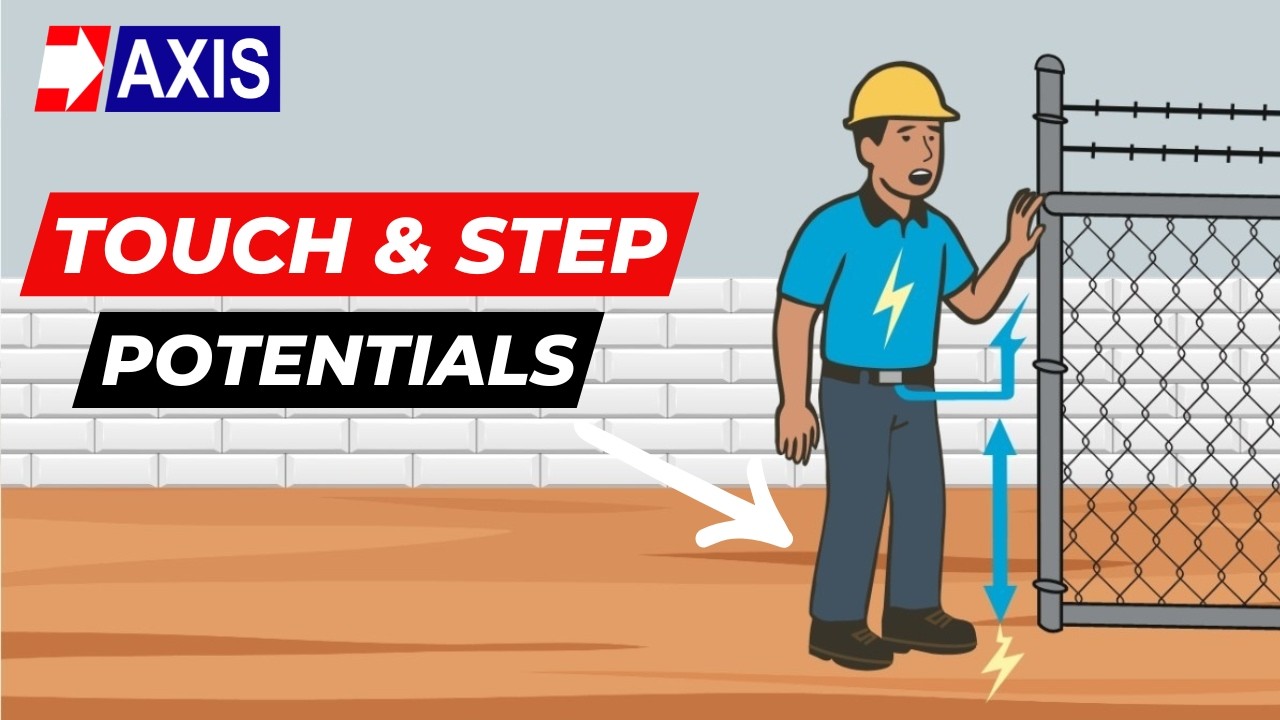
What is Touch & Step Potential?
video
How Can You Survive a Lightning Strike - As per IEC TR 62713

FAQS
Frequently Asked Questions
Find quick answers to common questions about our programs, admissions, eligibility, and application process to help you move forward with confidence.
It connects all the metalwork entering or running through a structure, pipework, cable trays, ducts, structural steel, and the earthing system, to a common point. During a strike the whole earthing system rises to a high voltage for a few microseconds. Bonding makes everything rise together, so there is no difference in potential to drive current through a person or across equipment. Unbonded metalwork is what causes side flashes indoors.
The voltage between a hand on a down conductor or a metal structure and the feet on the ground during a strike. It is a risk anywhere a person can be in contact with a conductor at the moment of discharge, at the base of poles, masts, towers, and building down conductors in public areas. It is controlled by bonding, by insulating the exposed section, or by keeping people away with barriers.
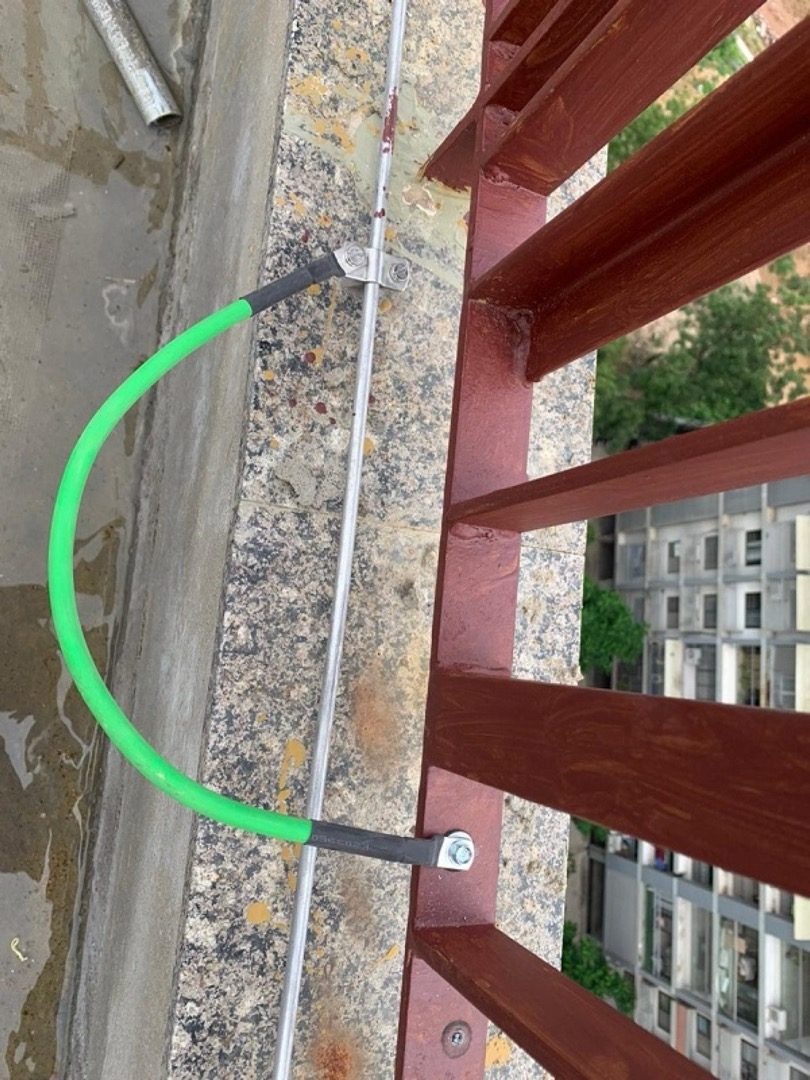
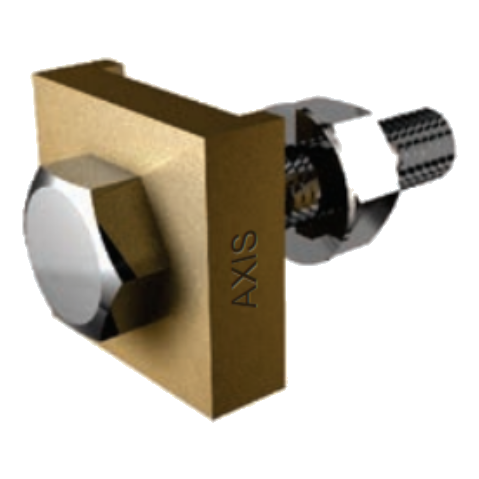
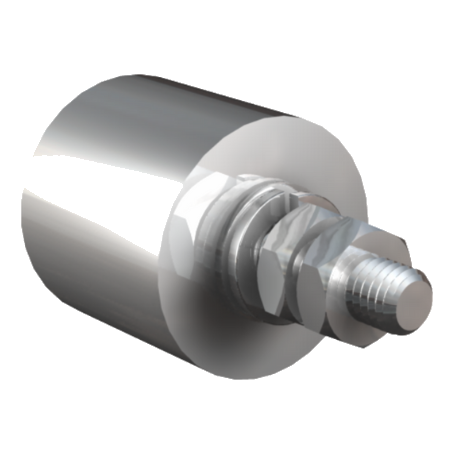
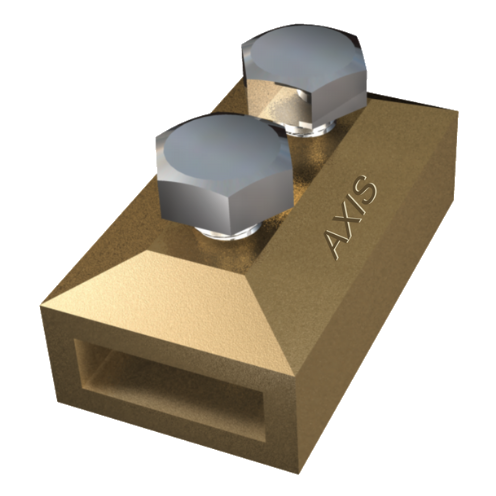
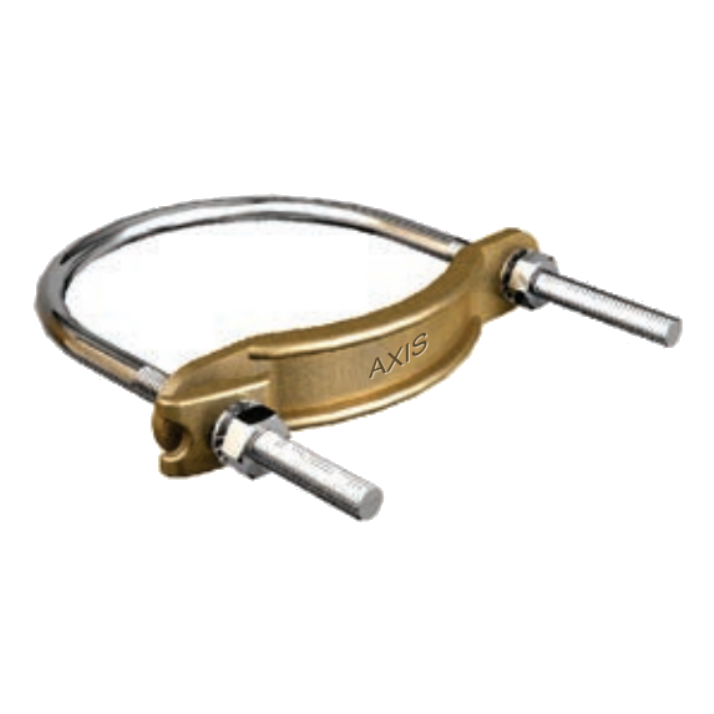
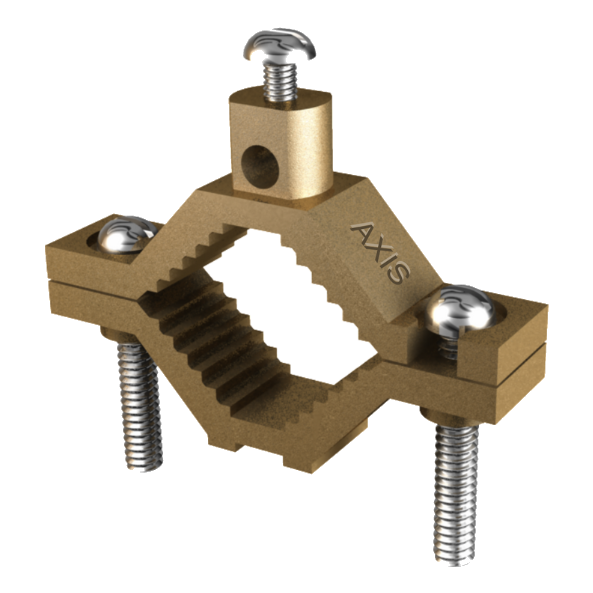
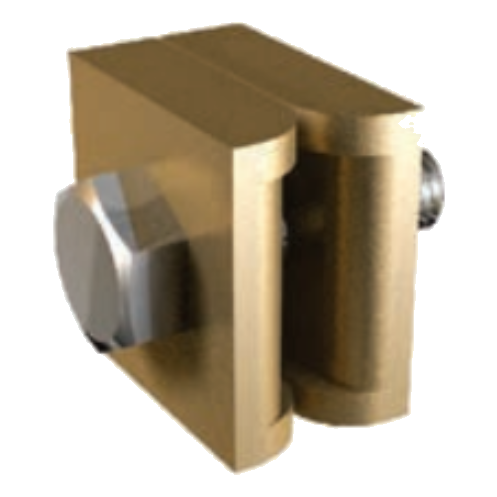
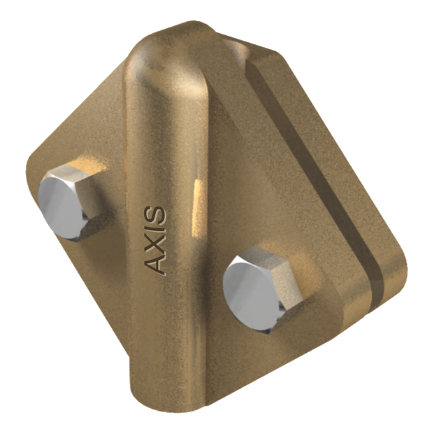
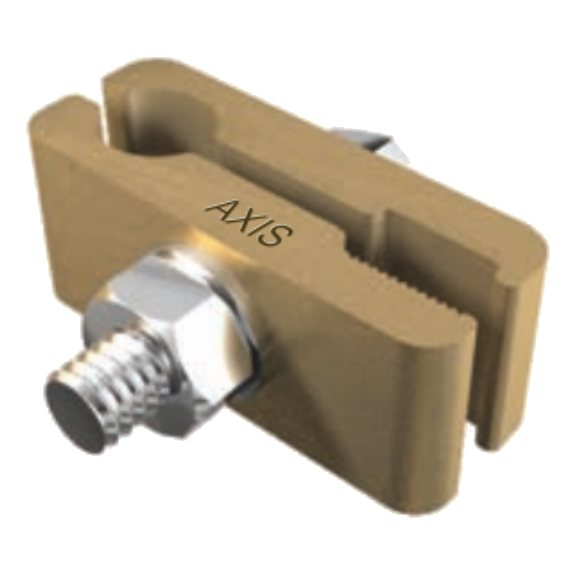
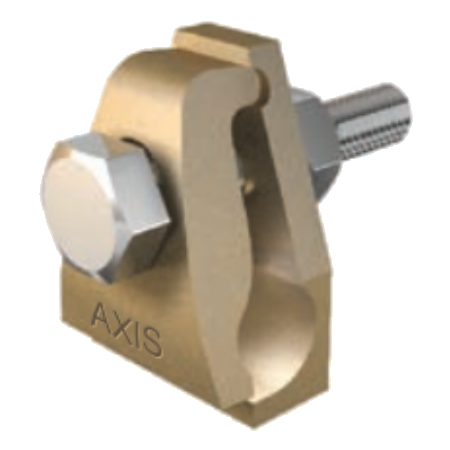
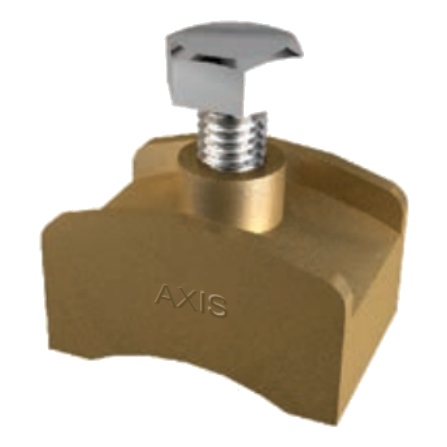
Pipe clamps and U-bolt types for pipework, sized to the pipe diameter. Watermain pipe bonds for incoming service mains. RWP bonds for rainwater pipes and downpipes. Tower earth bonds for lattice and monopole structures. Earth boss and B bond for fixing to steel and structural members. Match the bond to the shape and material it clamps, since a bond that only touches along a line will not carry the current.
They give a point where the connection can be opened to measure continuity and resistance without dismantling anything. Fit them where the standard requires and where an inspector will need access. Without test clamps, the annual inspection can confirm only that the system exists, not that it still works.
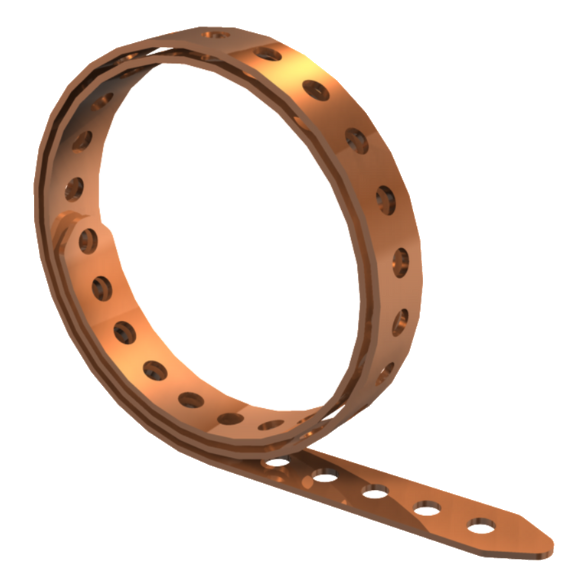
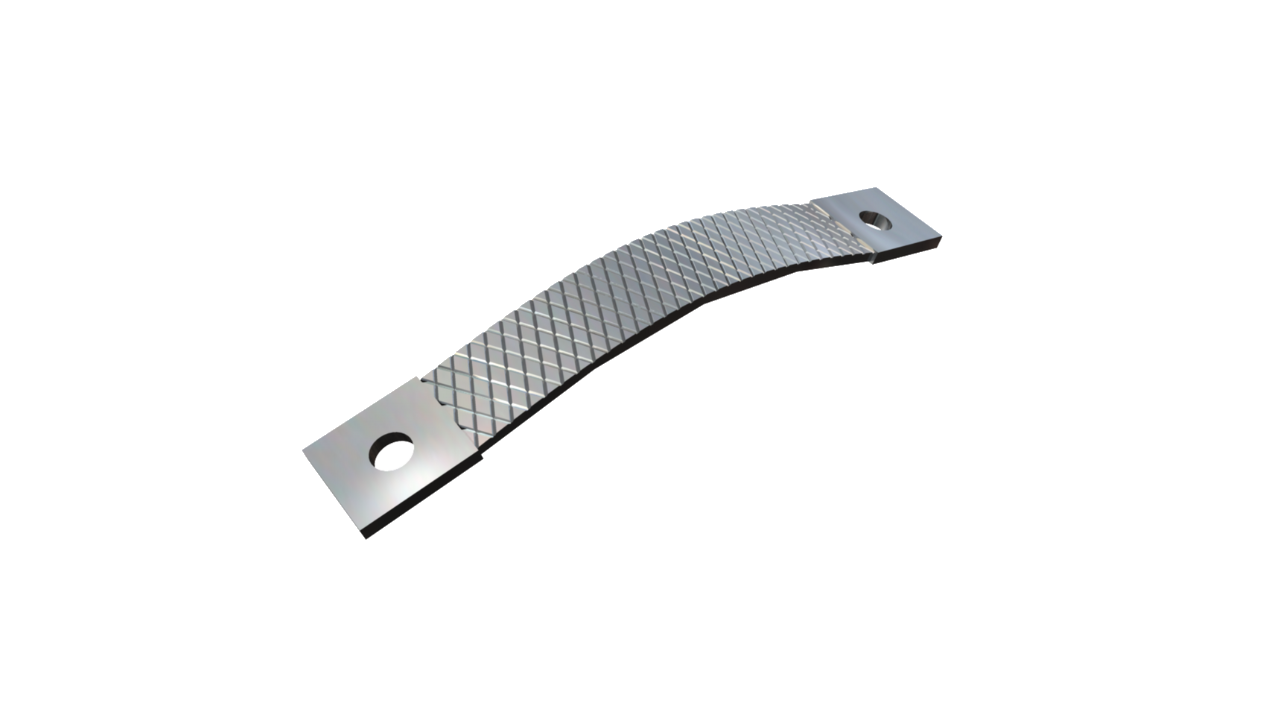
Use flexible connectors across anything that moves or vibrates, expansion joints, machinery, and pipework that shifts thermally, since a solid bond fatigues and cracks at those points. Prepunched straps speed up repetitive bonding runs where multiple fixings land at set centres.