

Approved by 80+ Utilities Worldwide

Copper and galvanised steel plates in multiple sizes to maximise electrode contact area.

IEC | UL | CSA | IEEE Tested and Certified

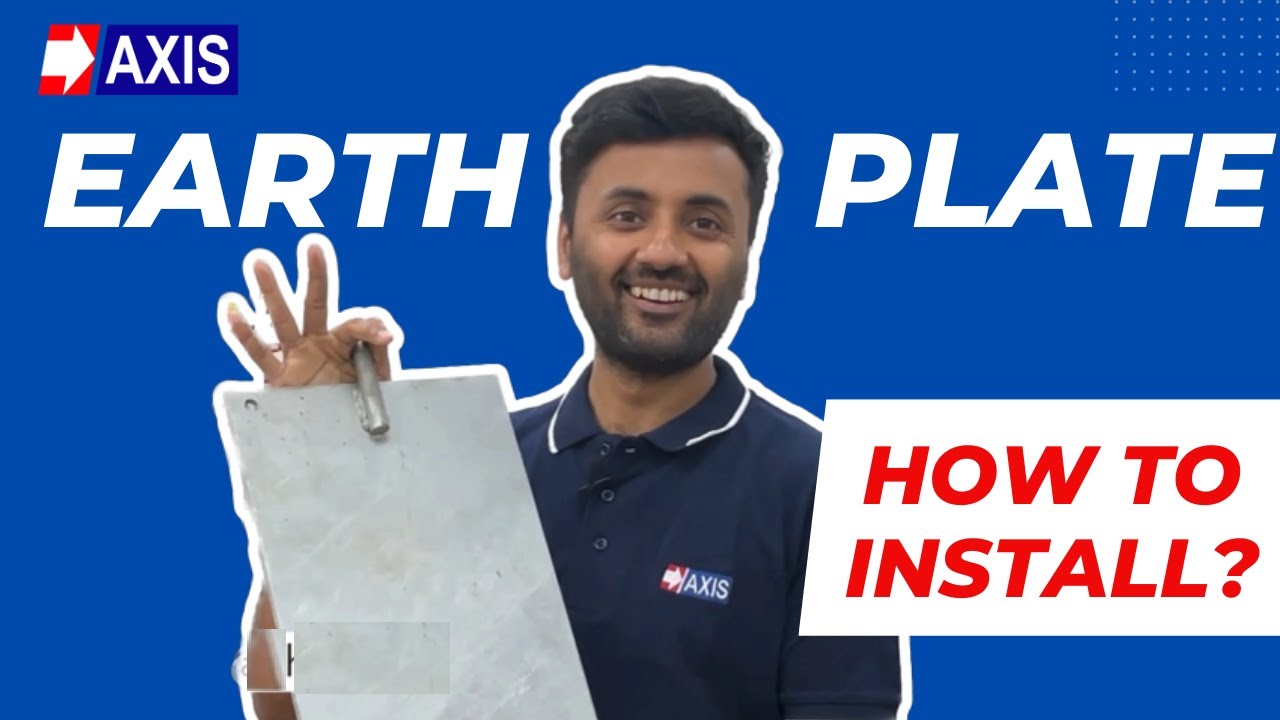
Learn How to Install Earth Plate

Product Selection and Technical Support.
Guided Product Selector
Earth Plates Selector
Find the Right Earth Plate in Three Steps
Choose the plate material, size and thickness for your earthing requirement.
Select Earth Plate Material
Choose the plate material based on your earthing requirements.
Select Plate Dimensions
Choose the required plate size.
Select Plate Thickness
Choose the thickness based on your project requirements.
1
Step 1
Select Earth Plate Material
Choose the plate material based on your earthing requirements.
2
Step 2
Select Plate Dimensions
Choose the required plate size.
3
Step 3
Select Plate Thickness
Choose the thickness based on your project requirements.
selection criteria
How to Select Earth Plates
Learn From Our Engineers
Technical Guides
and Resources
FAQS
Frequently Asked Questions
Find quick answers to common questions about our programs, admissions, eligibility, and application process to help you move forward with confidence.
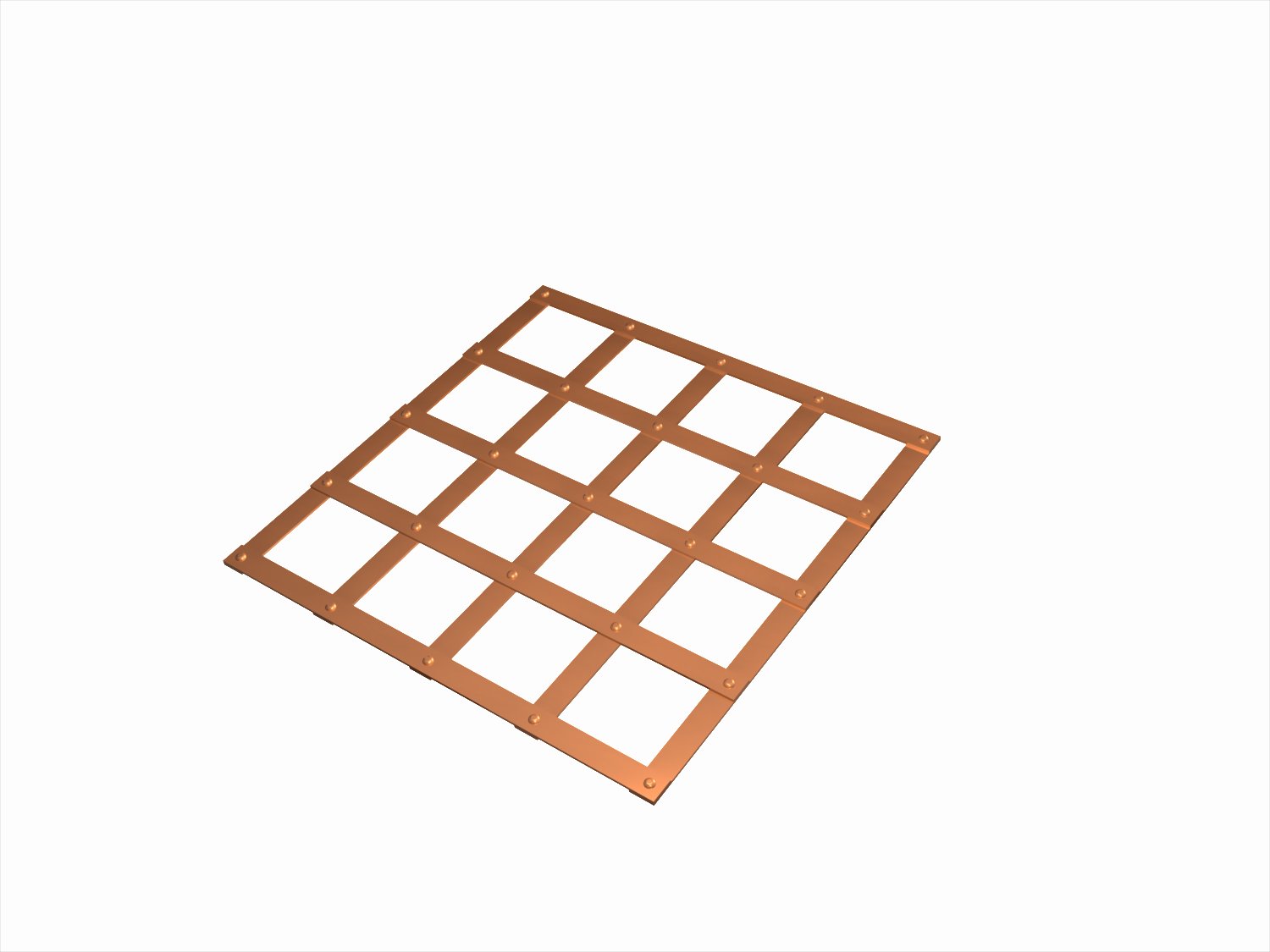
Axis manufactures earthing plates in pure copper and galvanised iron. Copper plates are specified for applications requiring high conductivity and corrosion resistance. Galvanised iron plates are specified where cost is the primary consideration and soil conditions are less aggressive.
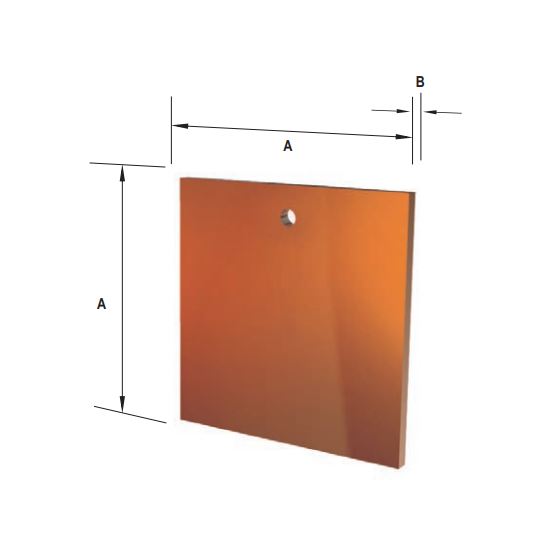
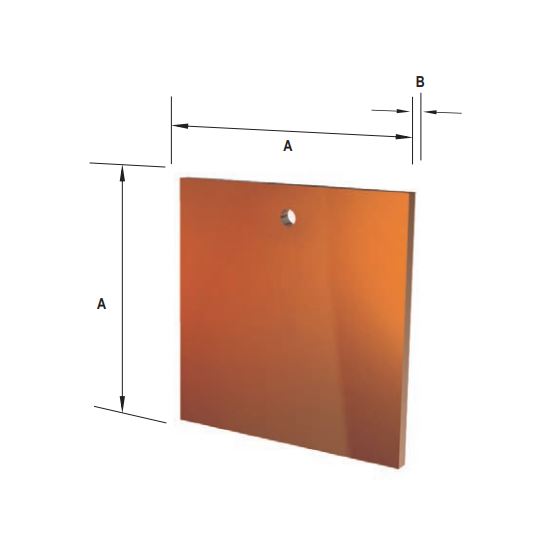
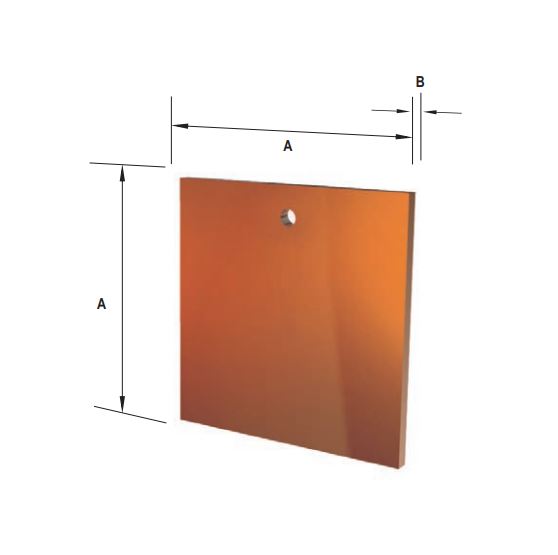
Standard earthing plates are available in 600mm x 600mm with thicknesses from 3mm to 6mm. Sizes vary based on soil resistivity, fault current levels, and project-specific earthing system design requirements. Custom dimensions are available on request.
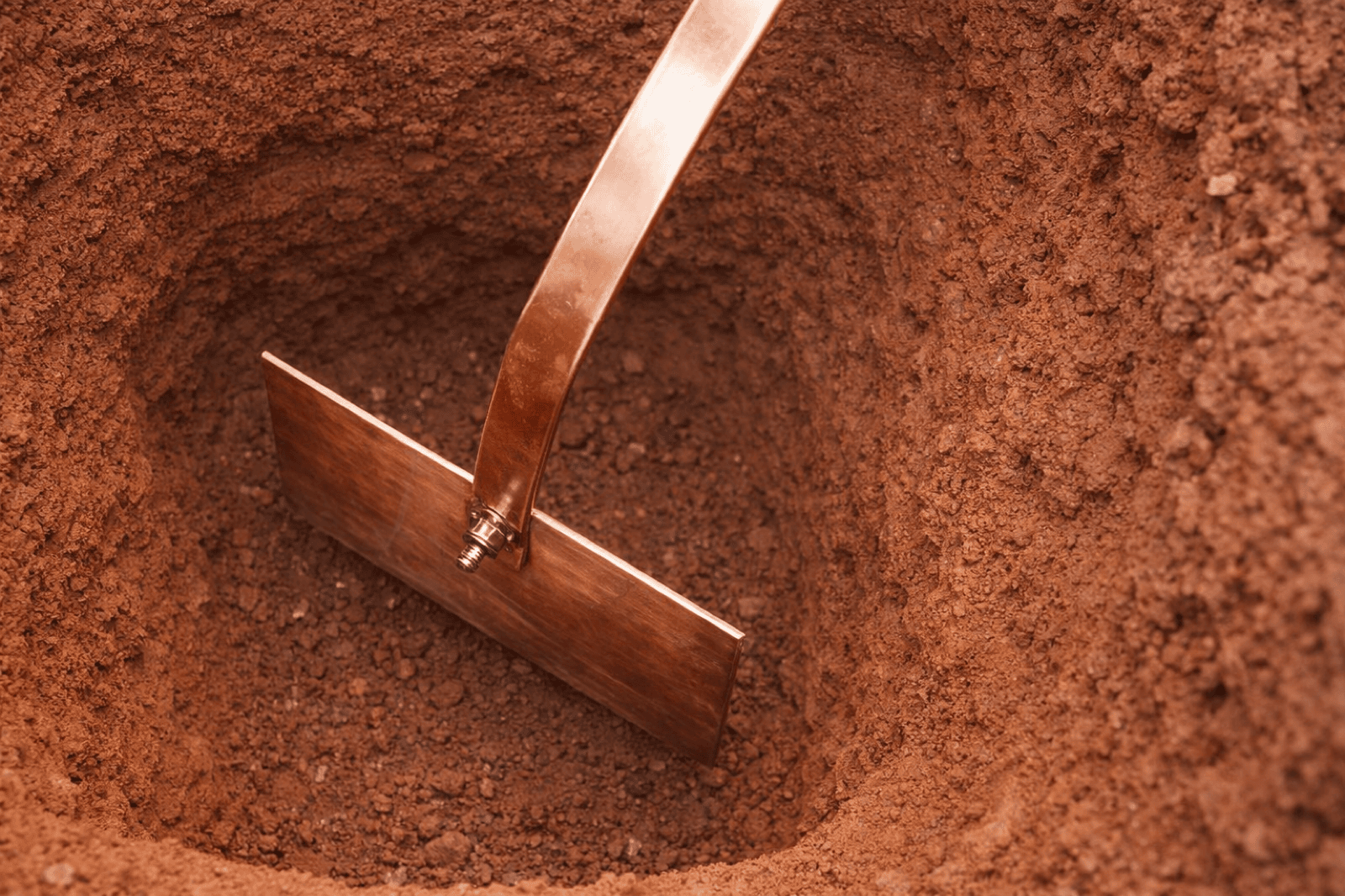
Earthing plates are installed vertically or horizontally in a pit, surrounded by a mixture of salt and charcoal or an earth enhancement compound to improve conductivity and reduce contact resistance with the surrounding soil. Installation depth and orientation depend on soil resistivity measurements and the earthing system design.
Key selection factors are material type, plate dimensions, soil resistivity, and expected fault current levels. Copper plates provide superior conductivity and long-term corrosion resistance across demanding soil environments. Galvanised iron plates are suitable for standard soil conditions where periodic inspection and maintenance is feasible.
Copper plates maintain consistent conductivity and low earth resistance across the service life of the installation with minimal maintenance. Galvanised iron plates are more susceptible to corrosion in aggressive or moist soil conditions, which can increase earth resistance over time and require periodic inspection to confirm the system remains within the design parameters.