

Approved by 80+ Utilities Worldwide

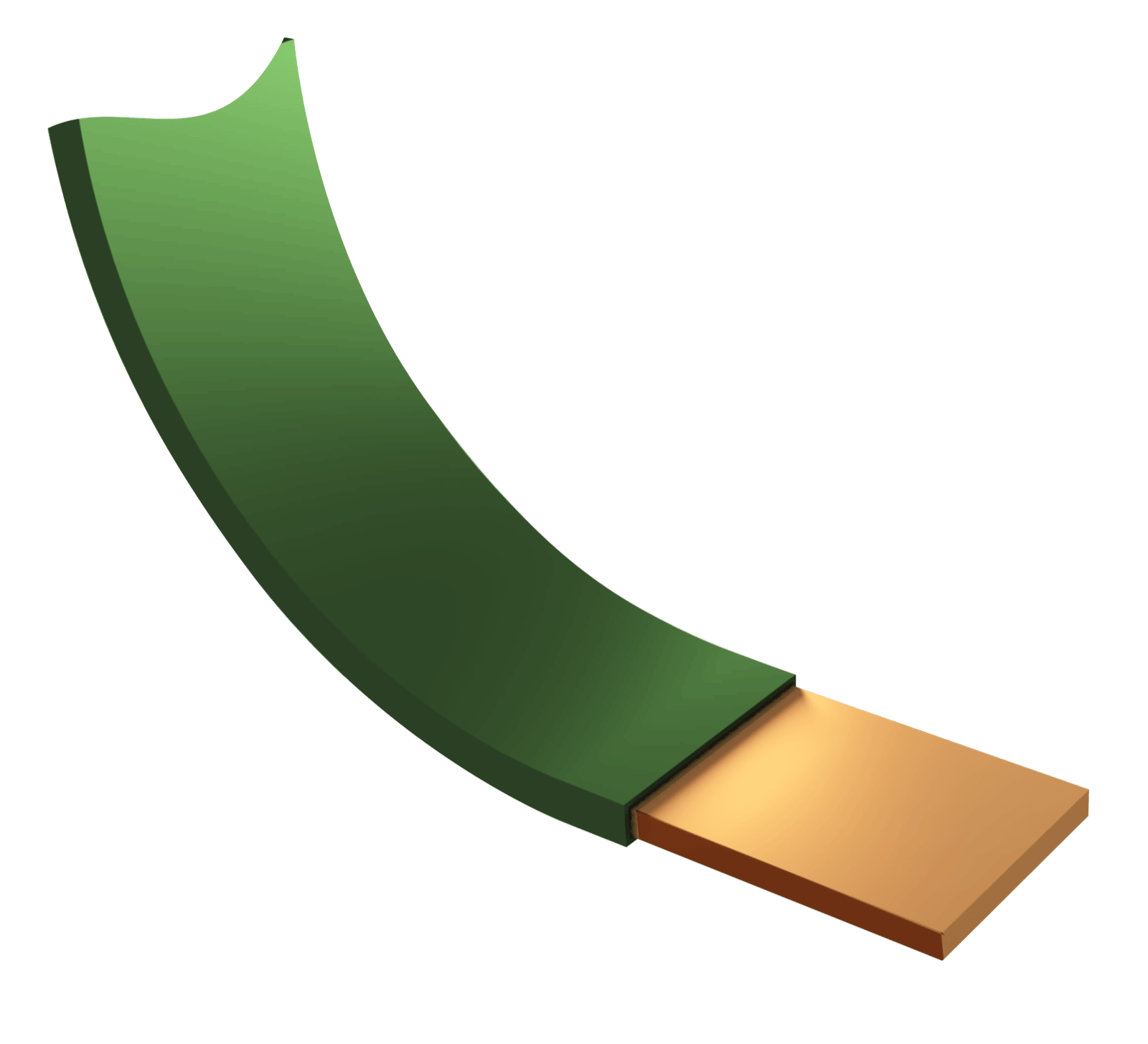
GI strip hot dip galvanised to ISO 1461 and copper tape from 25x3 to 50x6 mm.

IEC | UL | CSA | IEEE Tested and Certified

Learn the Difference between GI & Copper Plate

Product Selection and Technical Support.
selection criteria
How to Select Earthing Strips
FAQS
Frequently Asked Questions
Find quick answers to common questions about our programs, admissions, eligibility, and application process to help you move forward with confidence.
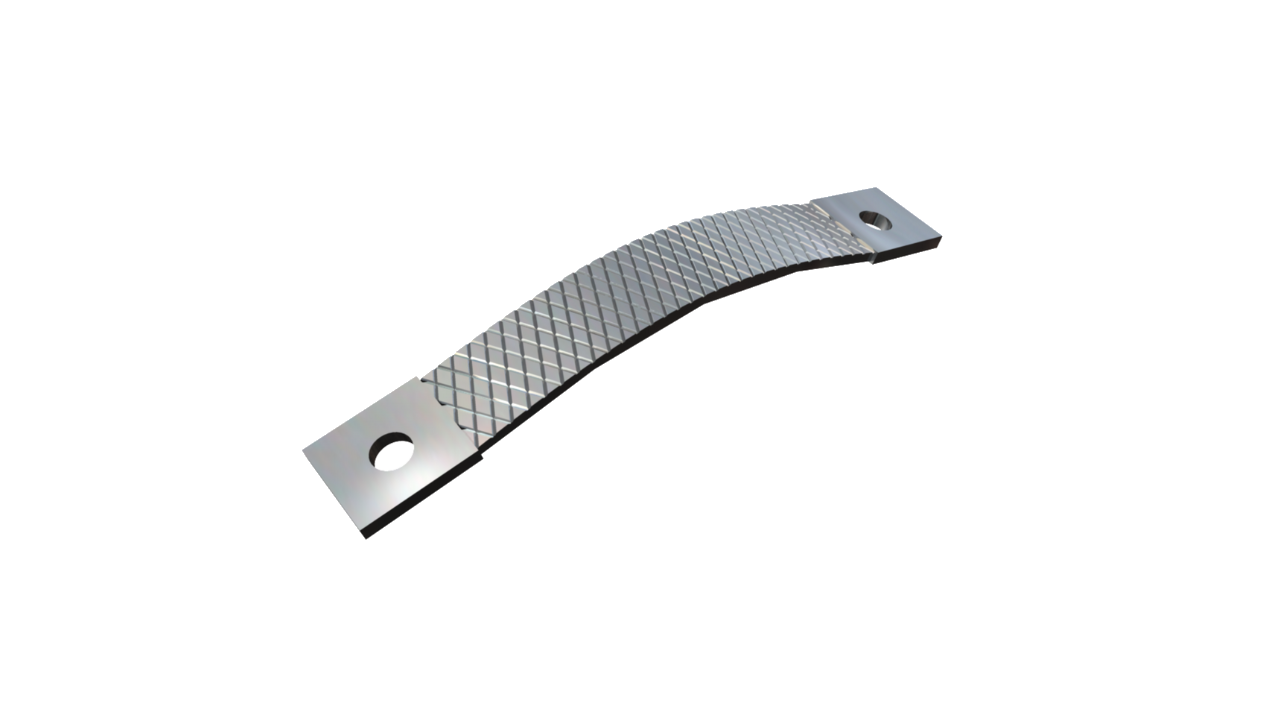
Copper earth strips provide a low-resistance conductor path for fault currents between earthing electrodes, equipment, and the earthing system. They are used across residential, commercial, industrial, and utility installations where a reliable, continuous earthing conductor is required.
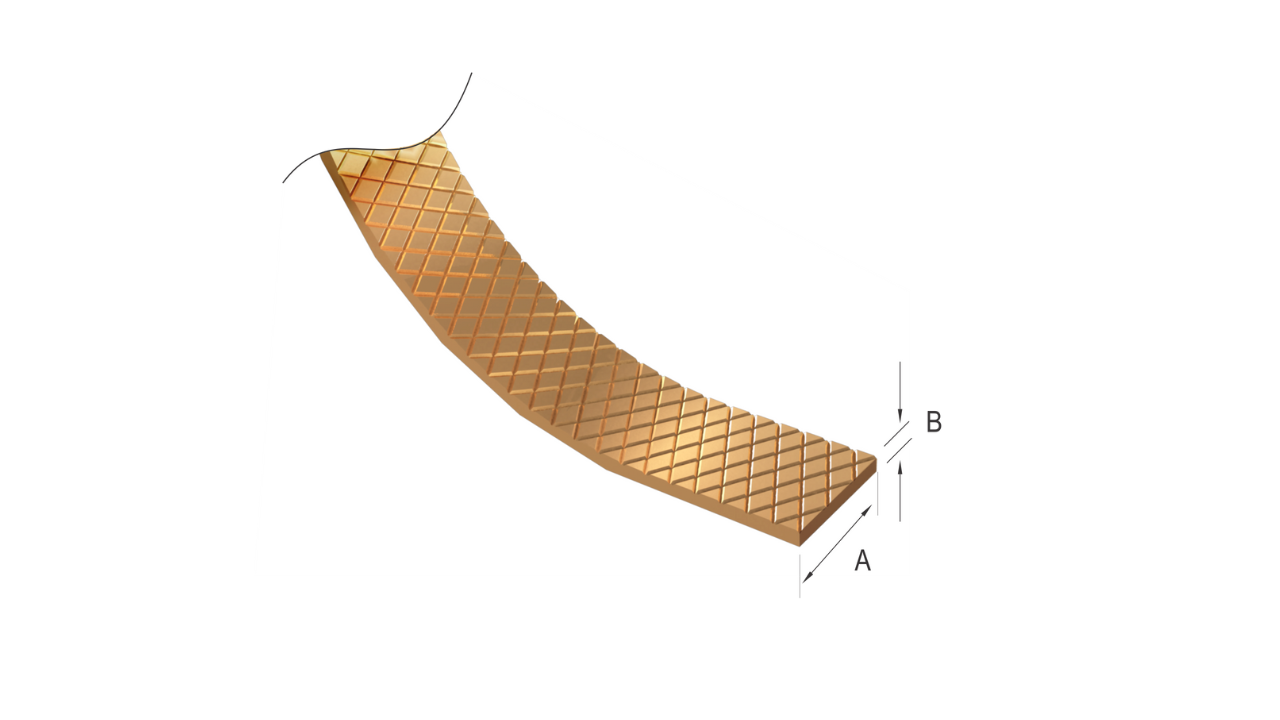
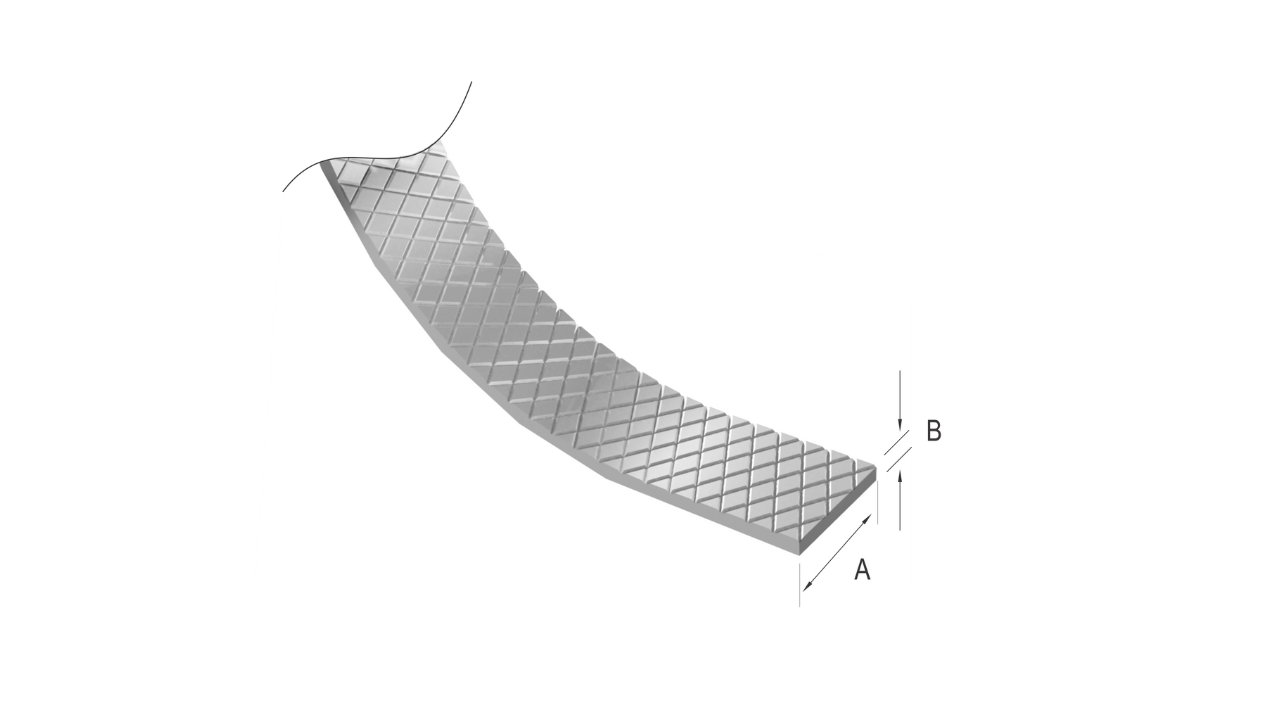
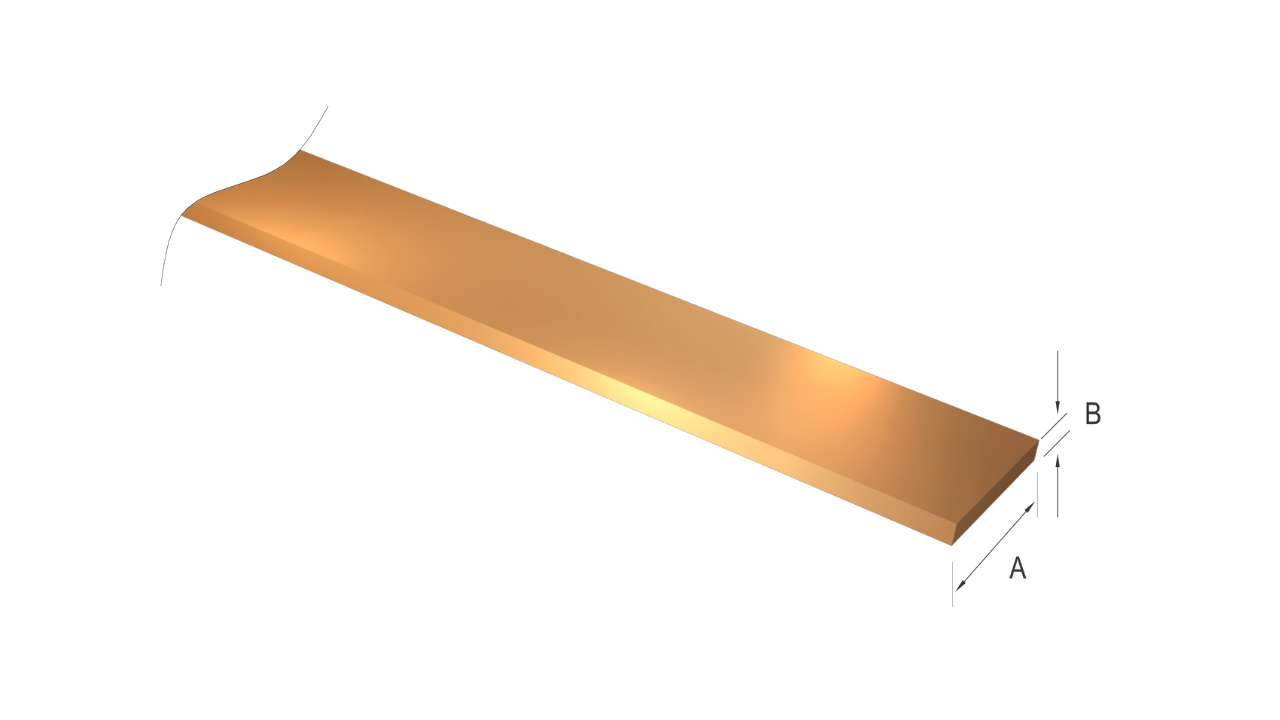
Axis copper earth strips are available in widths from 20mm to 50mm and thicknesses from 3mm to 6mm. Custom dimensions are available based on fault current rating, conductor length, and project-specific earthing system design requirements.
Strip sizing depends on the fault current level the conductor must carry, the length of the run, soil resistivity, and the earthing system design. The cross-section must be sufficient to carry the maximum prospective fault current without exceeding the temperature limits defined in the applicable standard. The Axis technical team can provide sizing guidance based on your project parameters.
Copper provides higher electrical conductivity and superior corrosion resistance compared to galvanised iron, maintaining consistent low resistance across the service life of the installation. Galvanised iron strips are more susceptible to corrosion in aggressive or moist soil conditions, which can increase resistance over time. Copper is the preferred specification for permanent earthing systems where long-term performance and minimal maintenance are required.
Copper earth strip sizing and installation are governed by IEC 62561-2 and the applicable national earthing standard for the project location. Strip cross-section, joint requirements, and installation depth are defined in the earthing system design based on fault current calculations and soil resistivity measurements.