
Copper Cable Lugs
DIN 46235
KRF Series
N-Series
Flexible Cable
Compacted Cable
Concentric Cable

Approved by 80+ Utilities Worldwide

Standard barrel, long barrel, DIN, and KRF series copper lugs from 1.5mm² to 1200mm²

UL | IEC | BS | DIN Tested and Certified

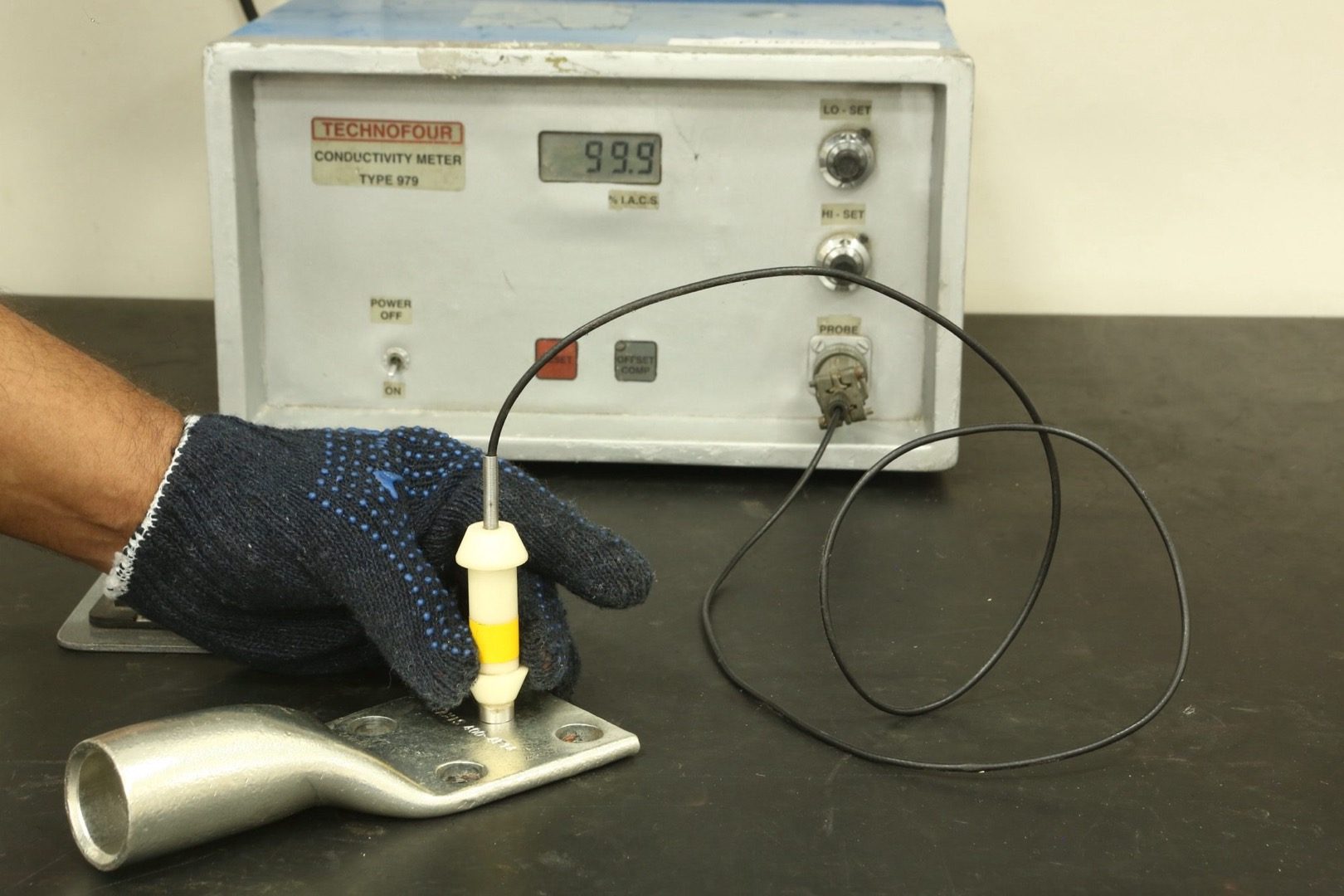
Guide to Test Electrical Conductivity of Copper Lugs

Product Selection and Technical Support.
selection criteria
Details Required to Select Copper Cable Lugs
Product raNGE
Explore Products
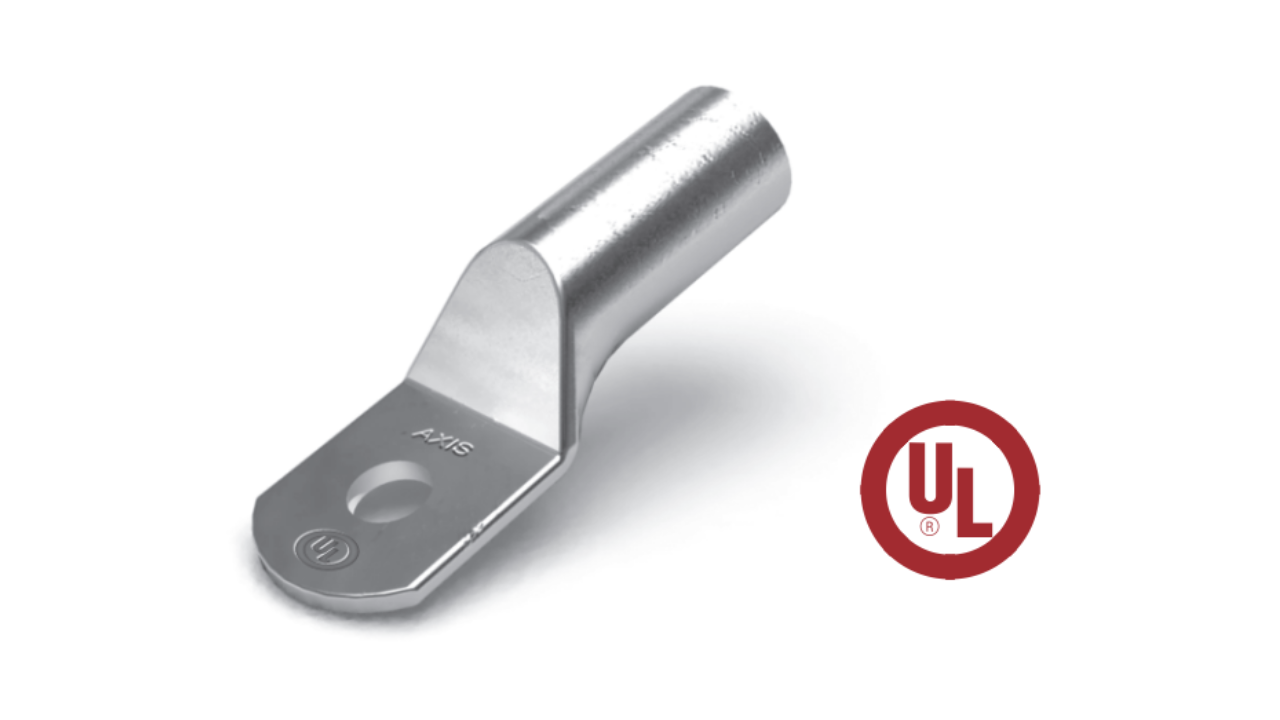
1 Hole, Cable Lugs DIN Standard 46235
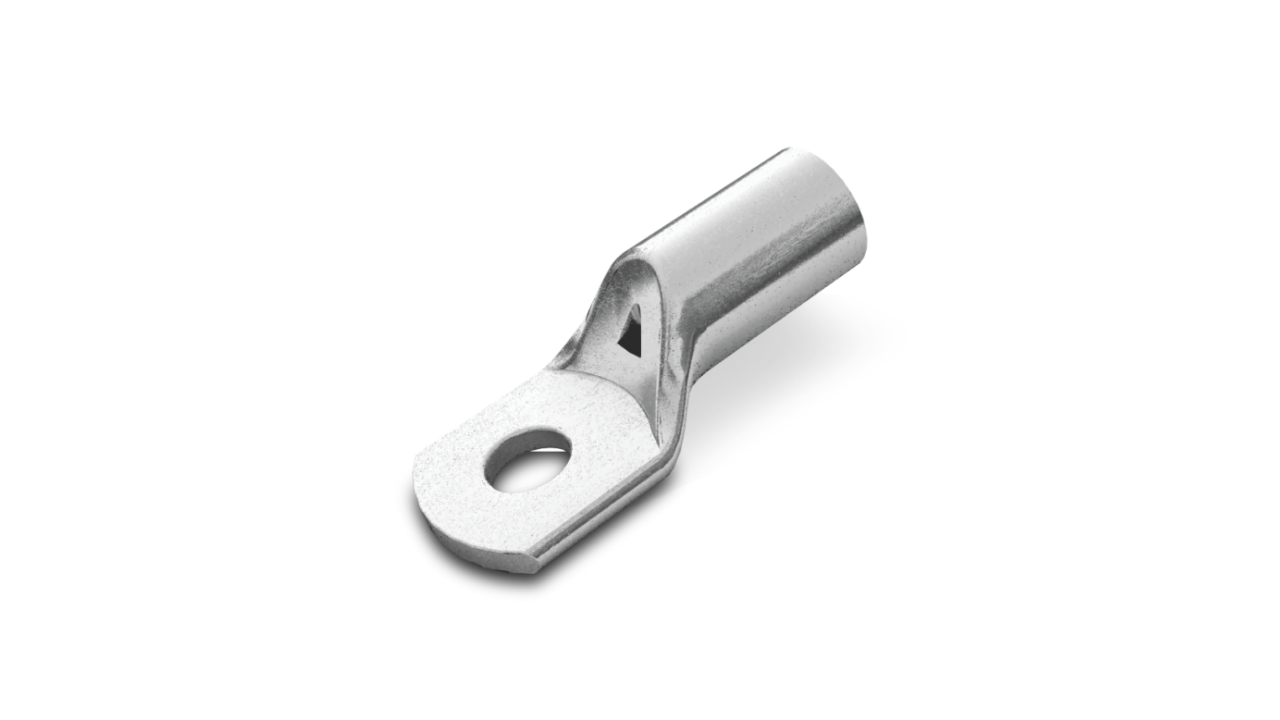
1 Hole, Cable Lugs KRF Series
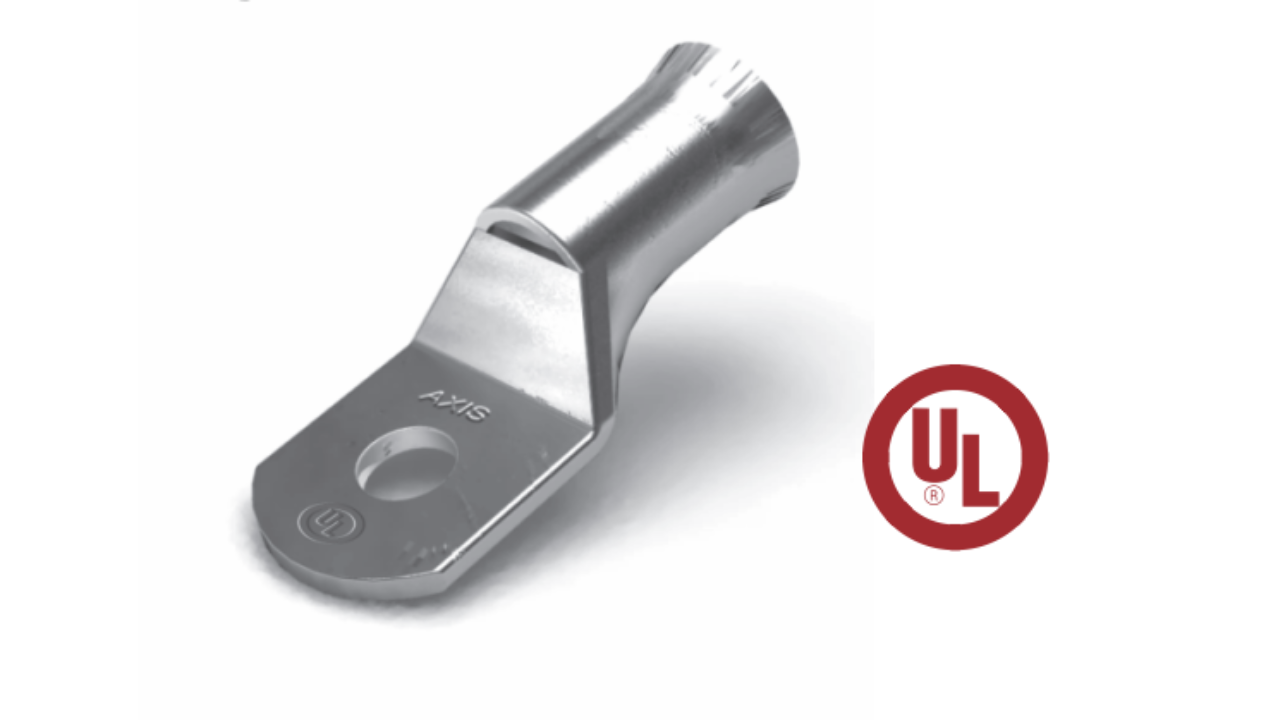
1 Hole, Cable Lugs Long Barrel – Bell Mouthed, Heavy Duty
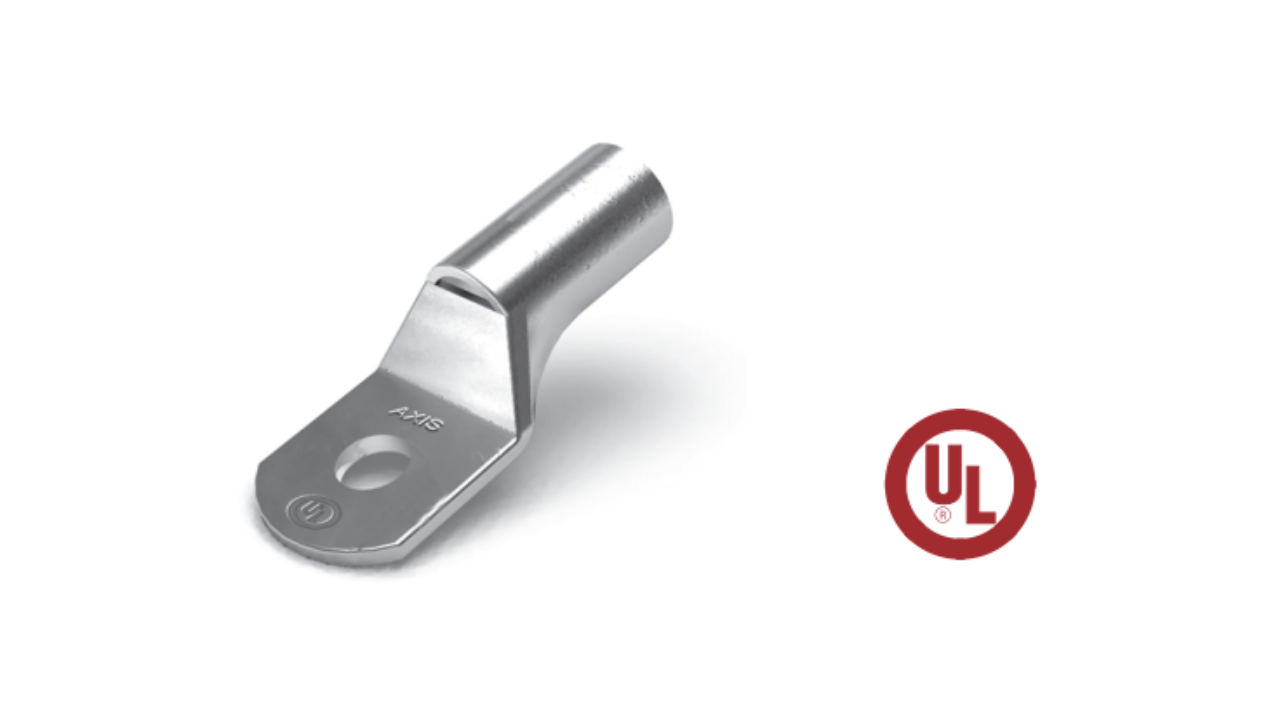
1 Hole, Cable Lugs Standard Barrel
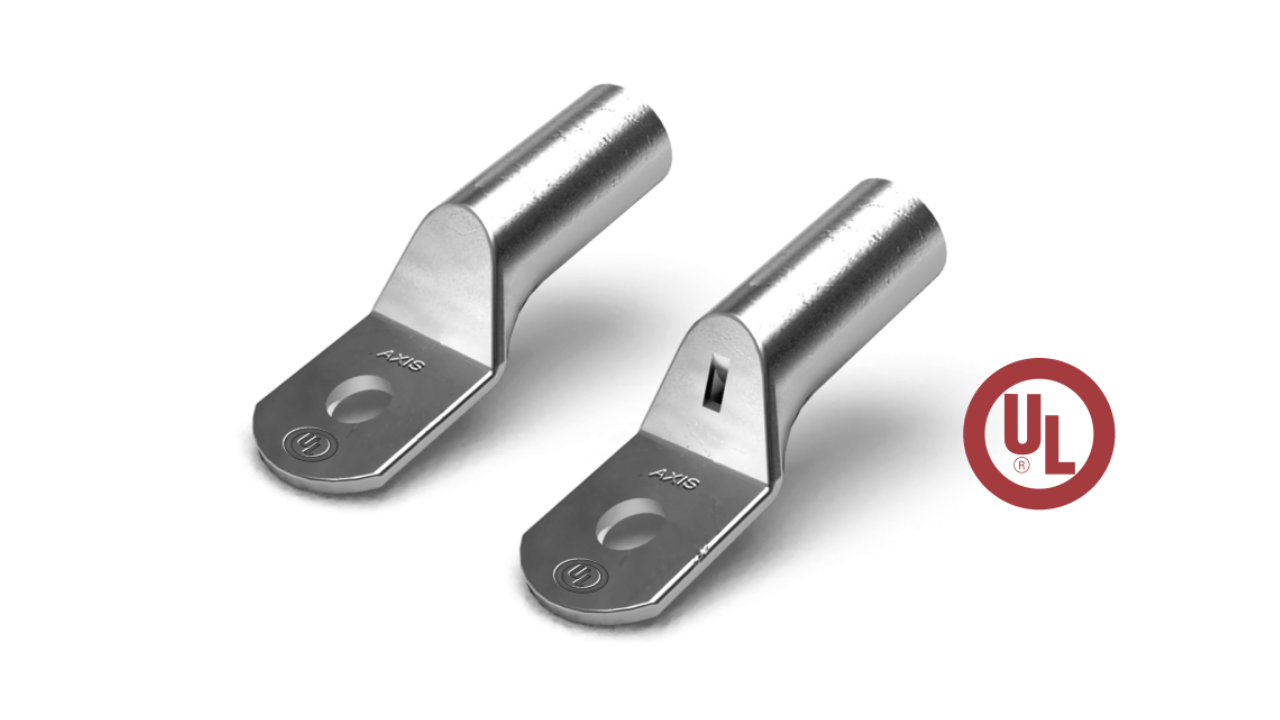
1 Hole, Cable Lugs Standard Barrel, N-Series
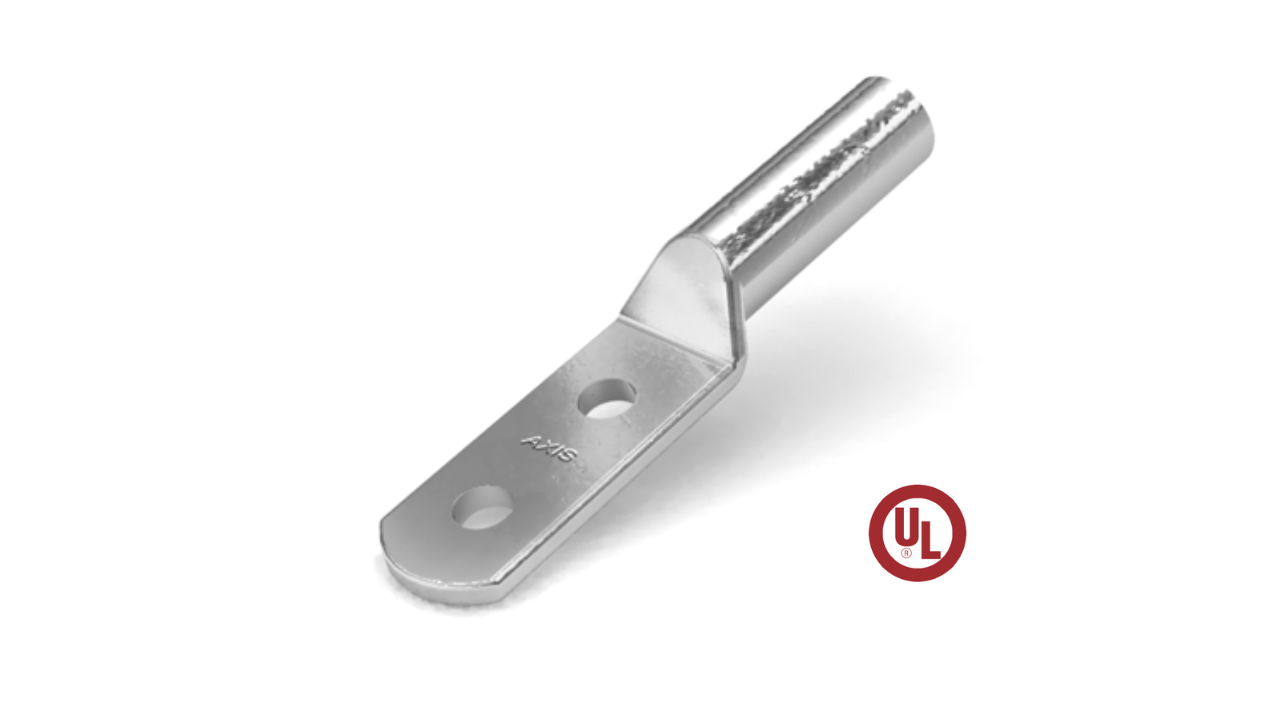
2 Holes, Cable Lugs Standard Barrel
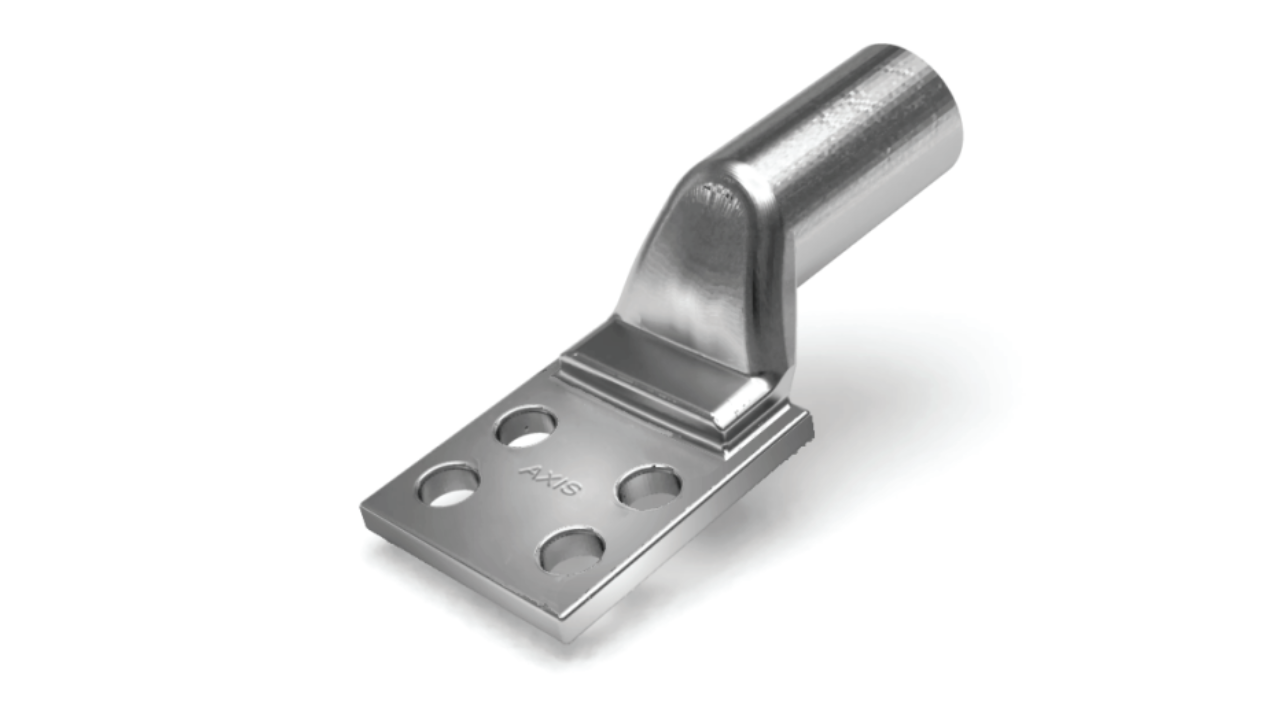
4 Hole, Cable Lugs Brazed Palm Transformer Lugs
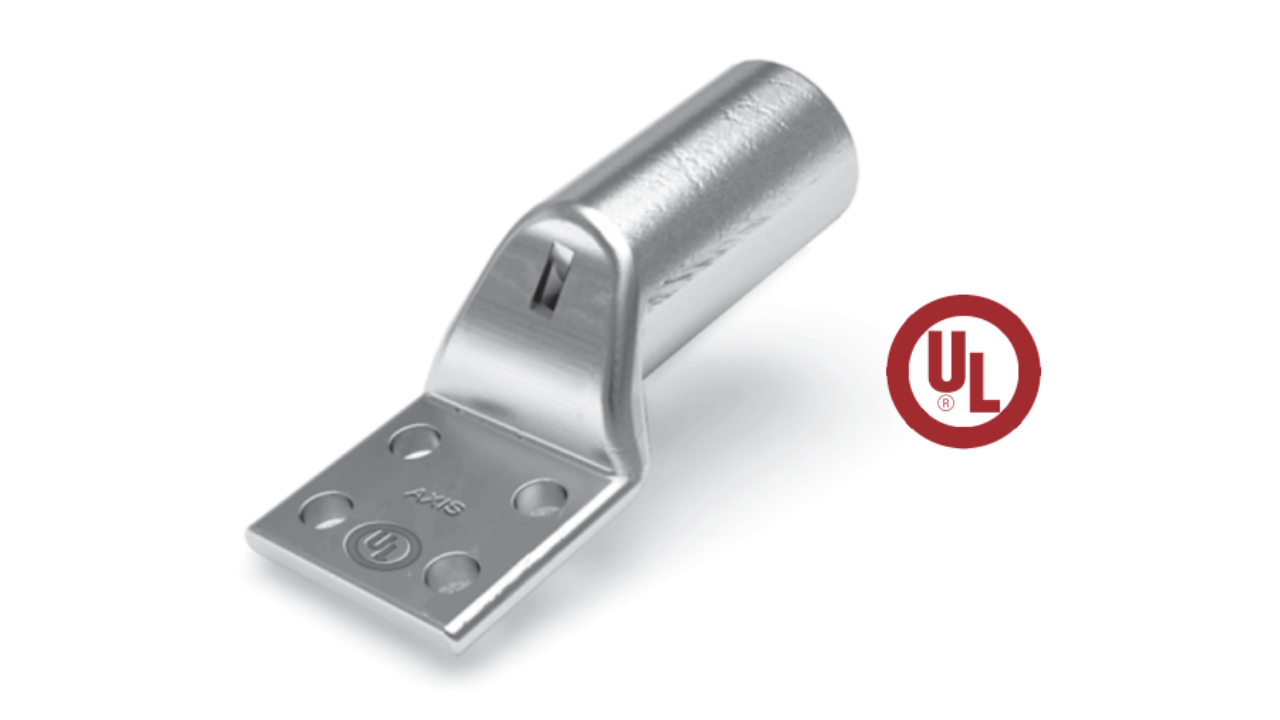
4 Hole, Cable Lugs Transformer Lugs
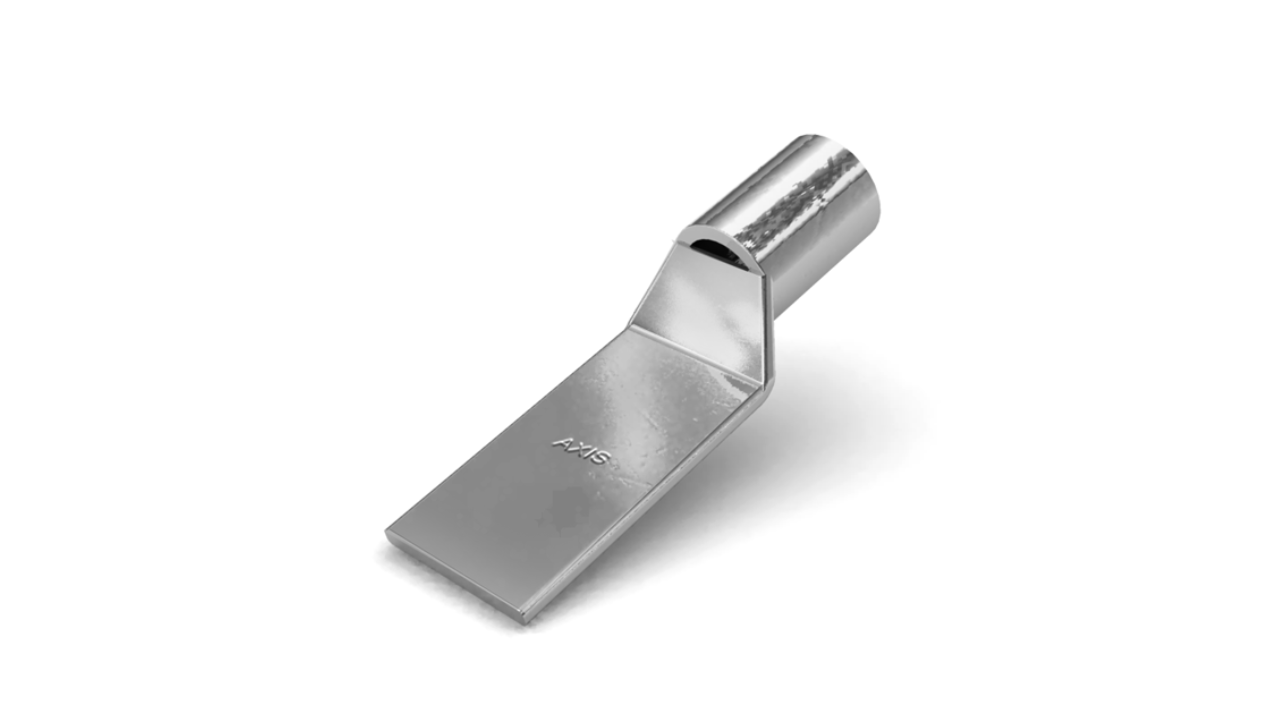
Cable Lugs Long Palm
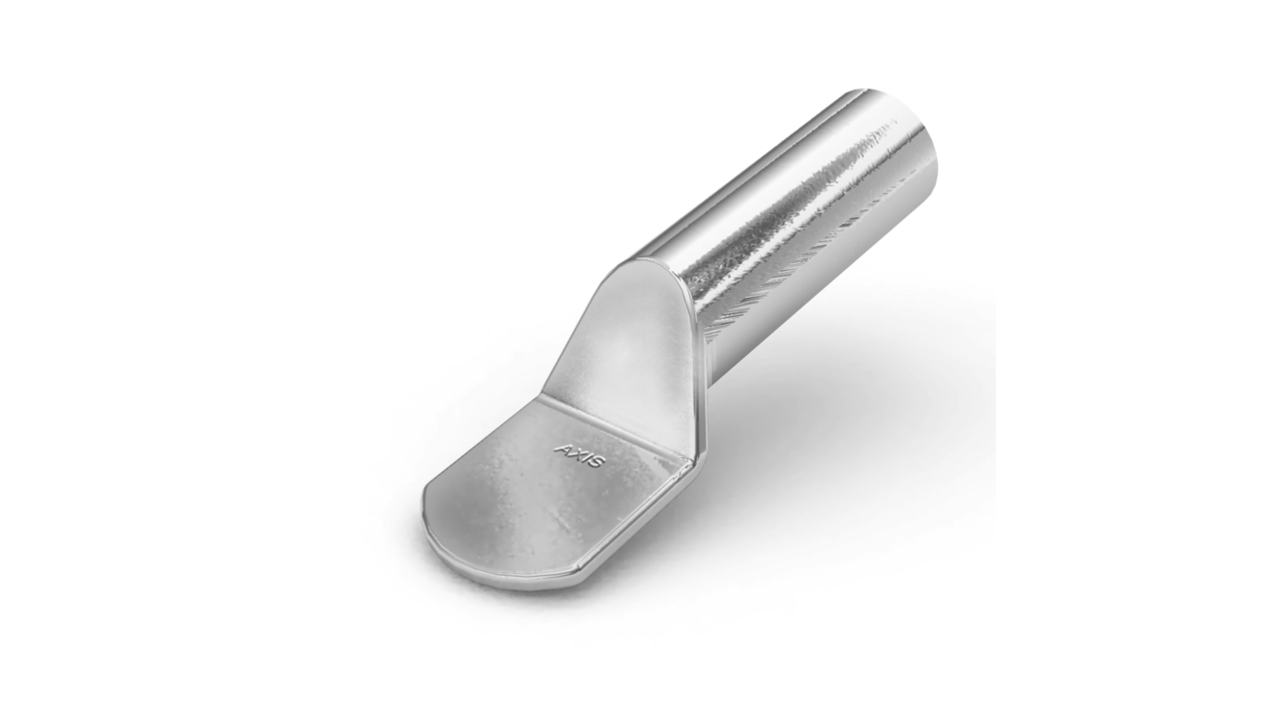
Cable Lugs Sealed Palm
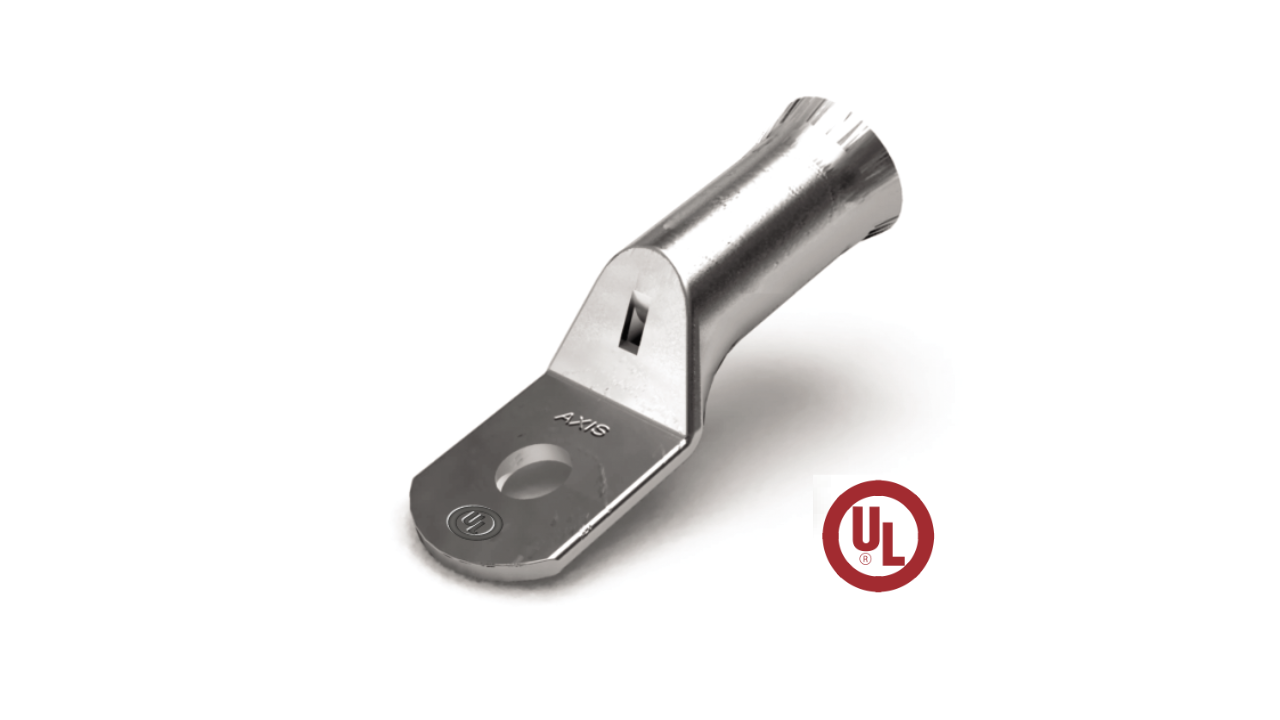
Cable Lugs Standard Barrel, N-Series, Bell Mouthed
Learn From Our Engineers
Technical Guides
and Resources
video
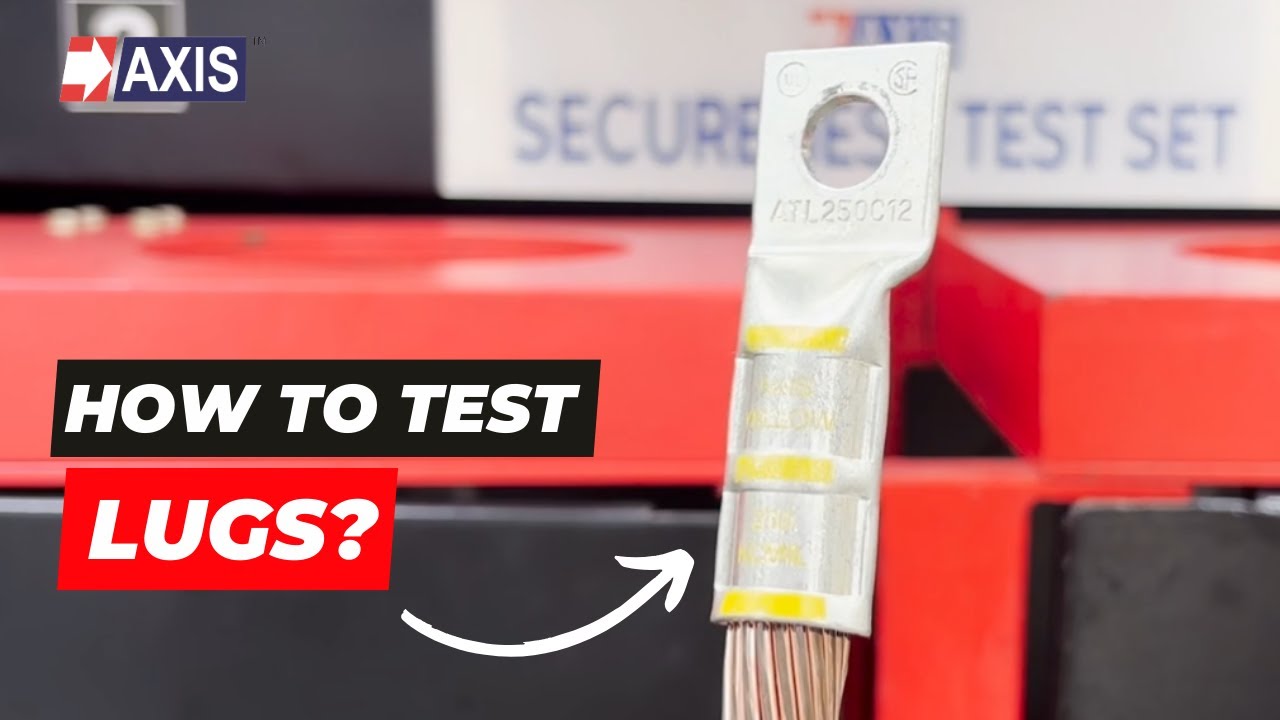
How Cable Lugs get cULus & CSA approval?
video
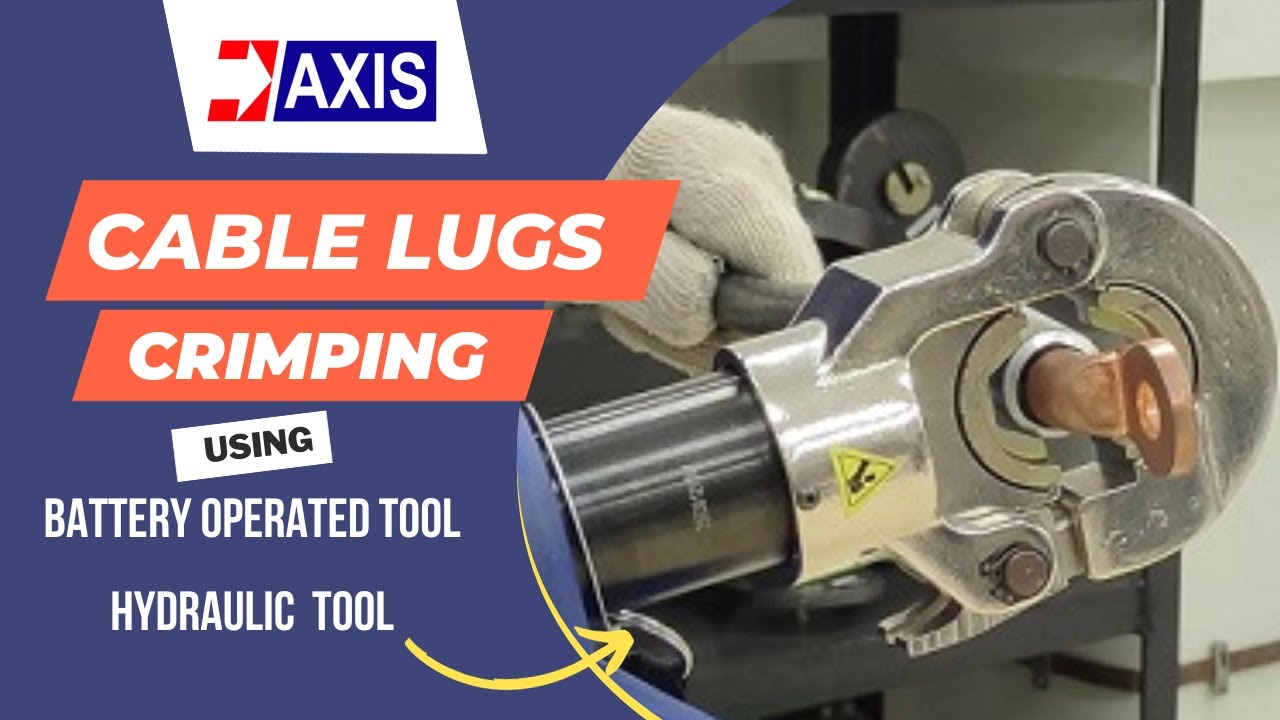
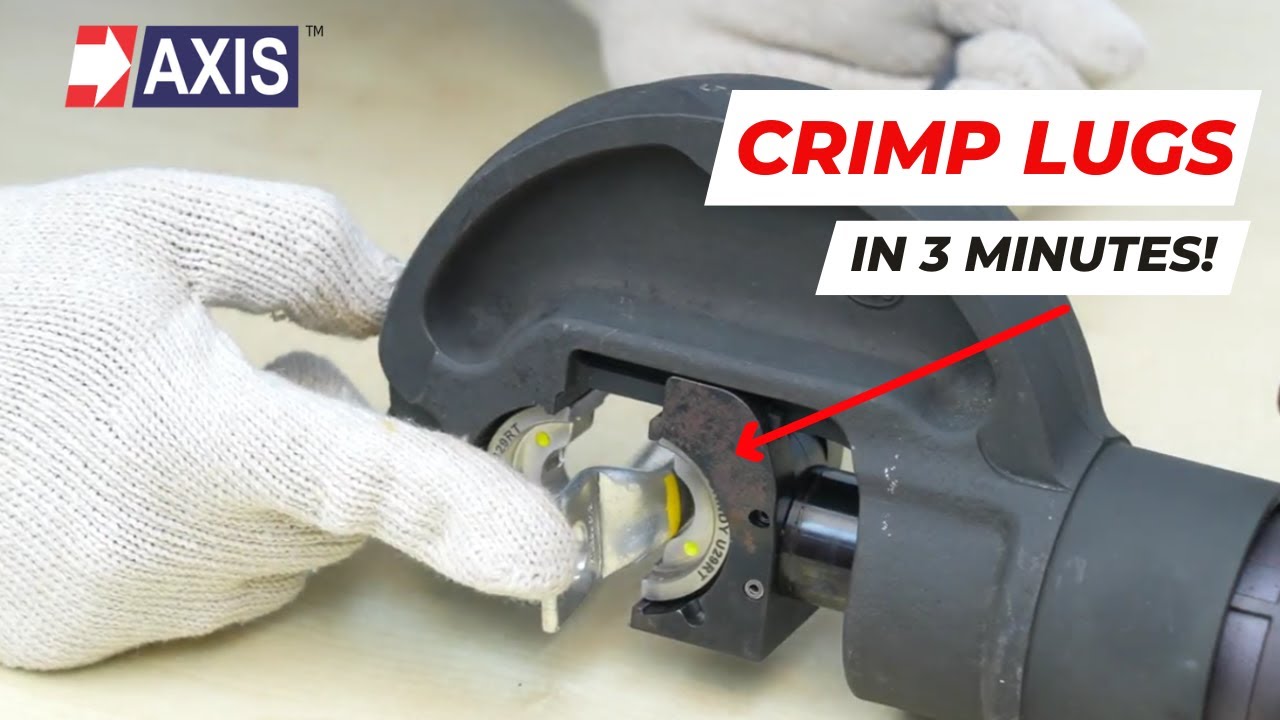
How to Crimp Cable Lugs? Explained using Hydraulic & Battery Operated Tool
video
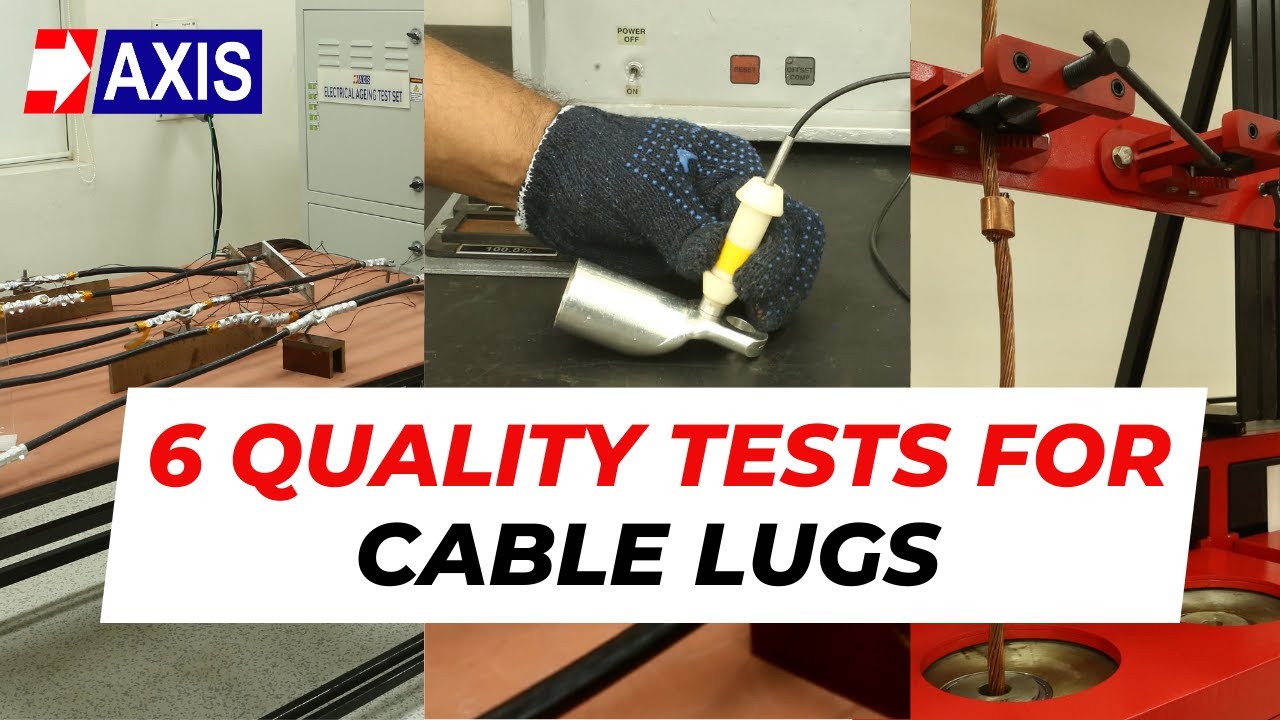
How to Test Cable Lugs? 6 Types of Test Explained
video
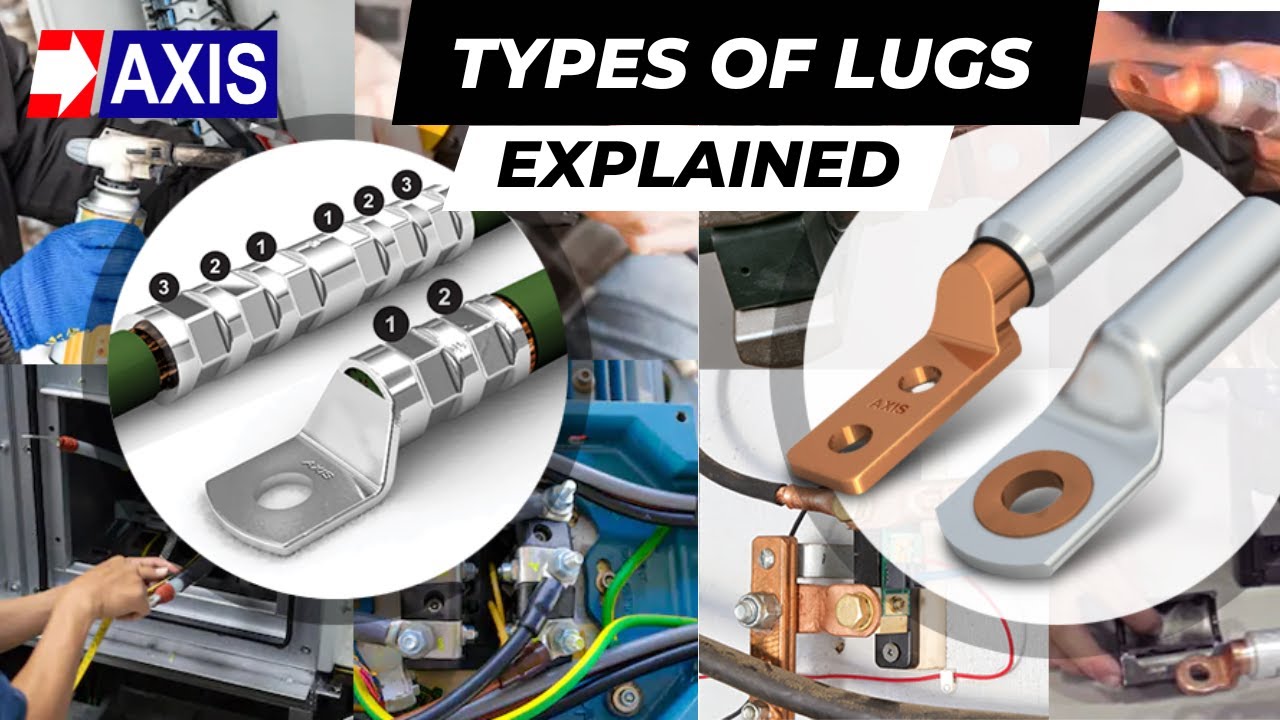
Type of Lugs - Which Cable Lug should you use? Learn Application & Types in Detail!
video
How to Crimp Cable Lugs?
video
How are Cable Lugs Manufactured in India?

FAQS
Frequently Asked Questions
Find quick answers to common questions about our programs, admissions, eligibility, and application process to help you move forward with confidence.
A long barrel has a deeper crimp area, so you get more contact length and room for two or more crimps on the same lug. Use long barrel on heavy current connections and where the joint sees vibration or pull. Standard barrel suits routine panel and switchgear terminations.
Use the die size the lug is rated for, not the die that looks close. An undersized die overcompresses and cuts strands. An oversized die leaves the joint loose, and resistance rises as the connection heats and cools in service. Every Axis lug carries the size marking on the barrel.
Bare copper oxidises, and the oxide layer raises contact resistance at the palm. Tin plating slows that down, protects the lug in humid, coastal, and marine air, and reduces galvanic effects when you bolt copper to an aluminium or plated busbar.
1.5 sq mm to 1000 sq mm, in both metric and AWG series. Palms run from single hole to four hole, with DIN 46235, KRF, and N-Series variants for different termination standards, plus dedicated transformer lugs for bushing pads.
Electrical conductivity at 99% IACS, heat cycling to IEC 61238, tensile, secureness, and pull out testing in the Axis NABL accredited lab. Heat cycling matters most on long service assets, because it proves resistance stays stable after repeated load cycles rather than only on the day of installation.