
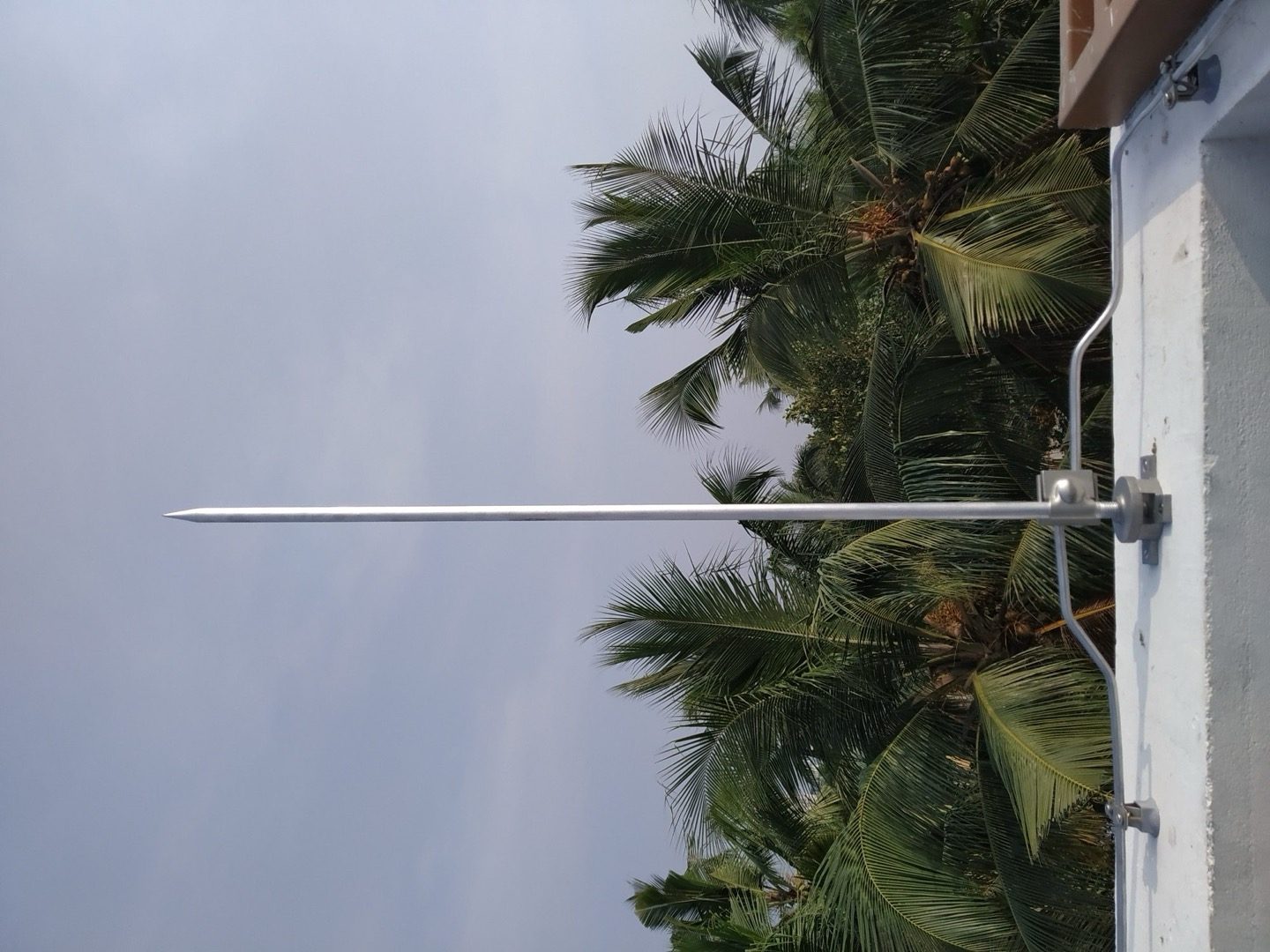

Approved by 80+ Utilities Worldwide

Copper, copper bonded steel, aluminium and stainless steel air terminations.

IEC Tested and Certified

Guide to Lightning Protection Design Methodology

Product Selection and Technical Support.
selection criteria
Details Required to Select Air Terminals Products
Product raNGE
Explore Products
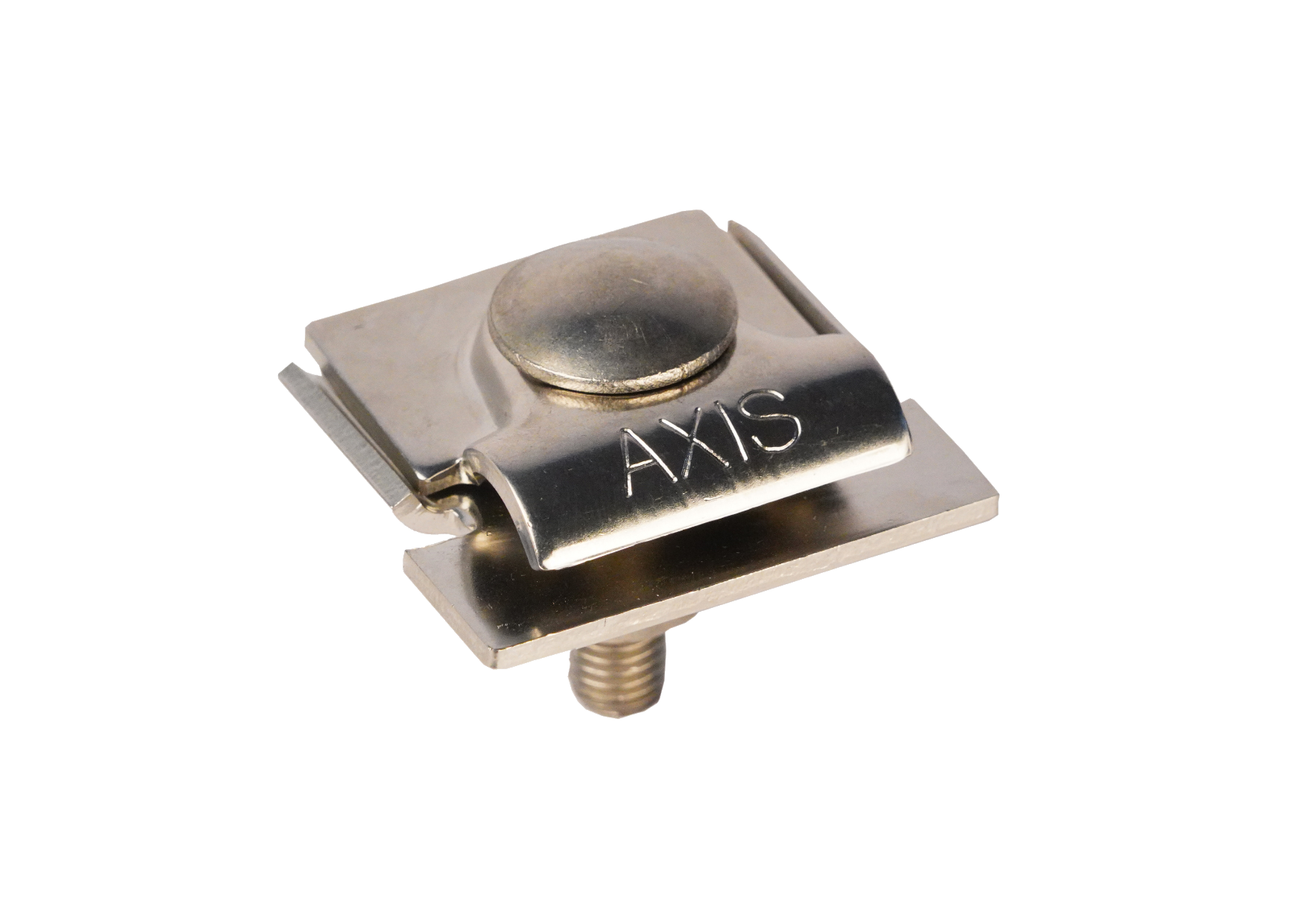
Air Rod to Conductor Connectors
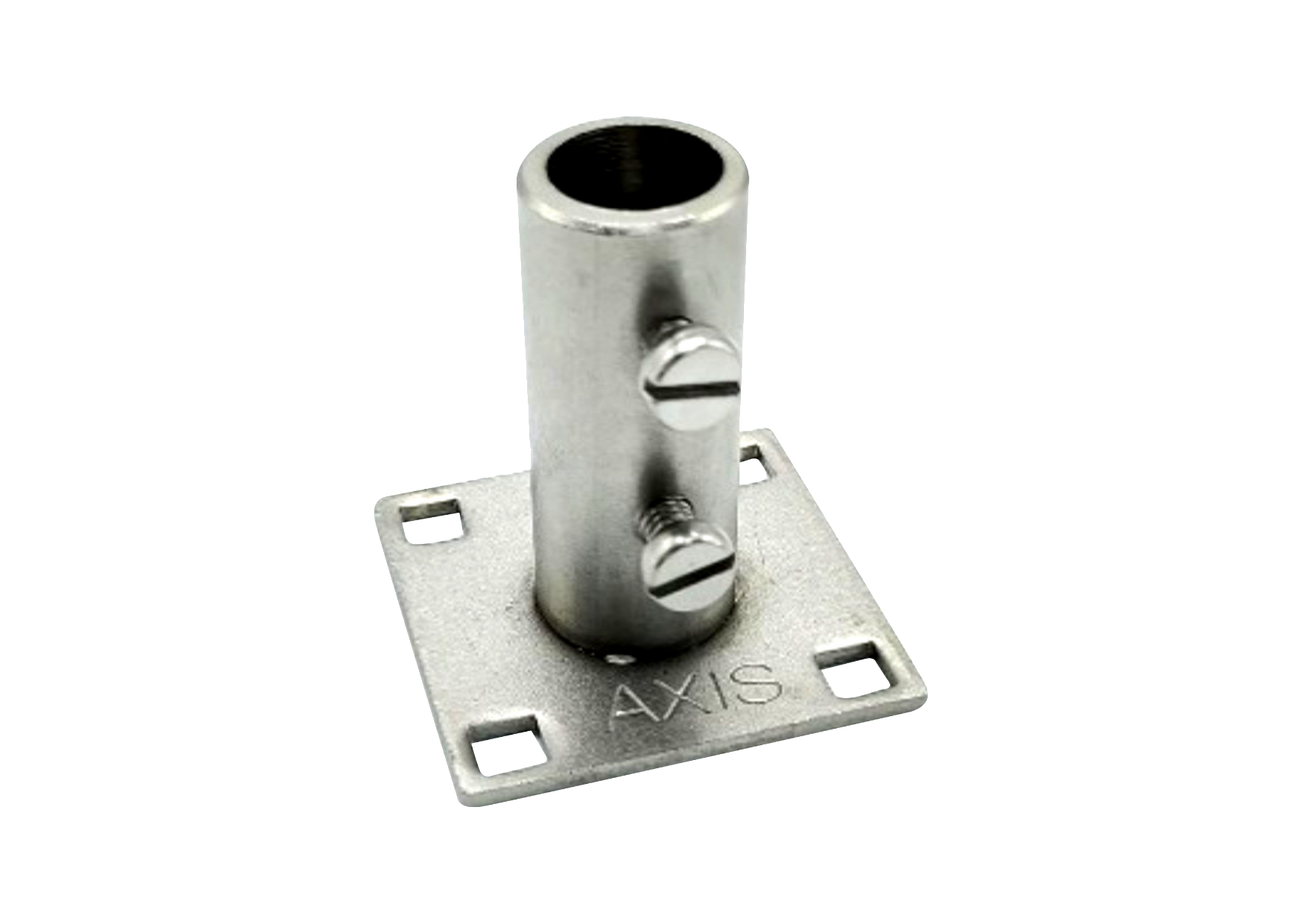
Air Terminal Base – Self Supporting
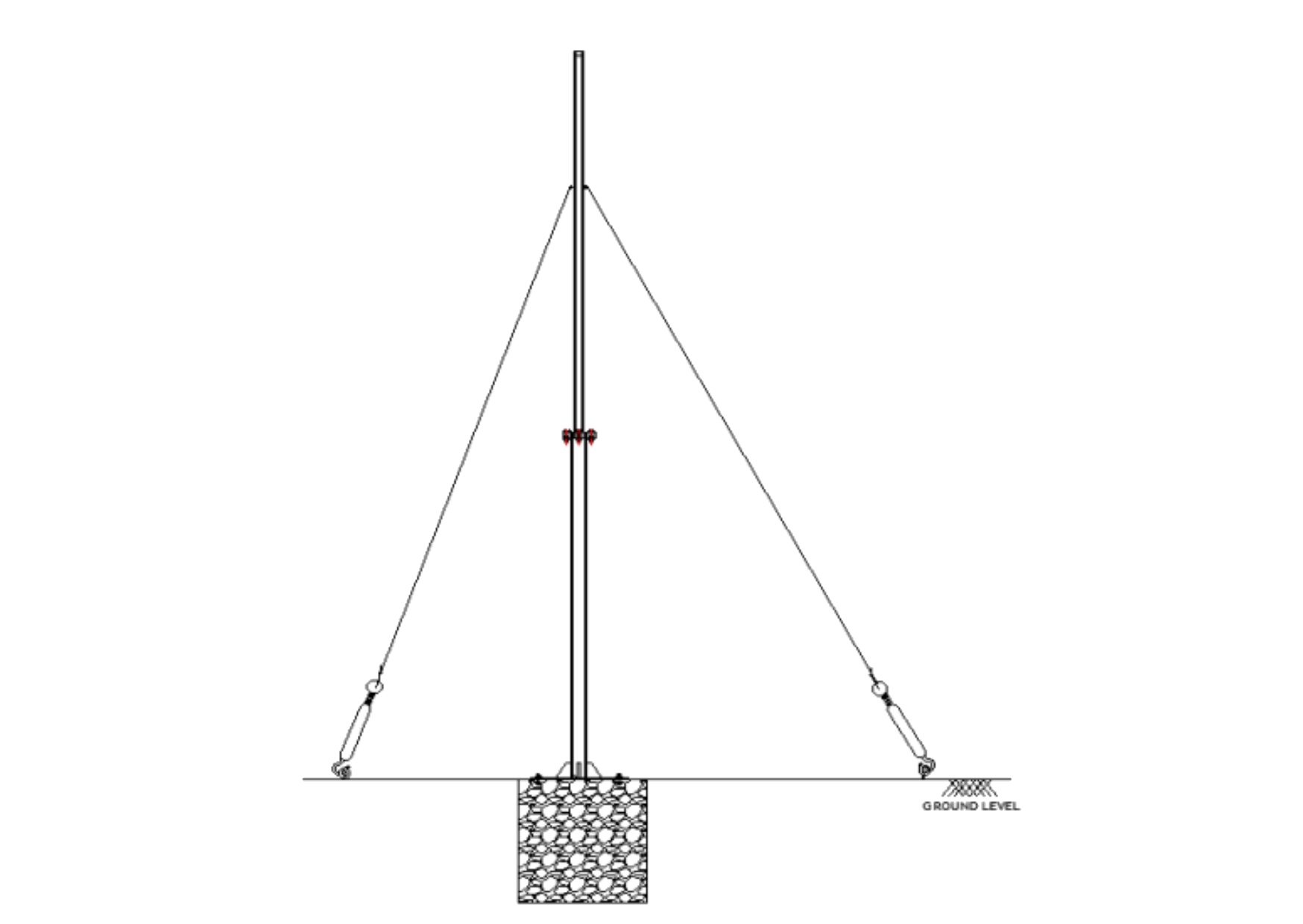
Air Termination with Mast
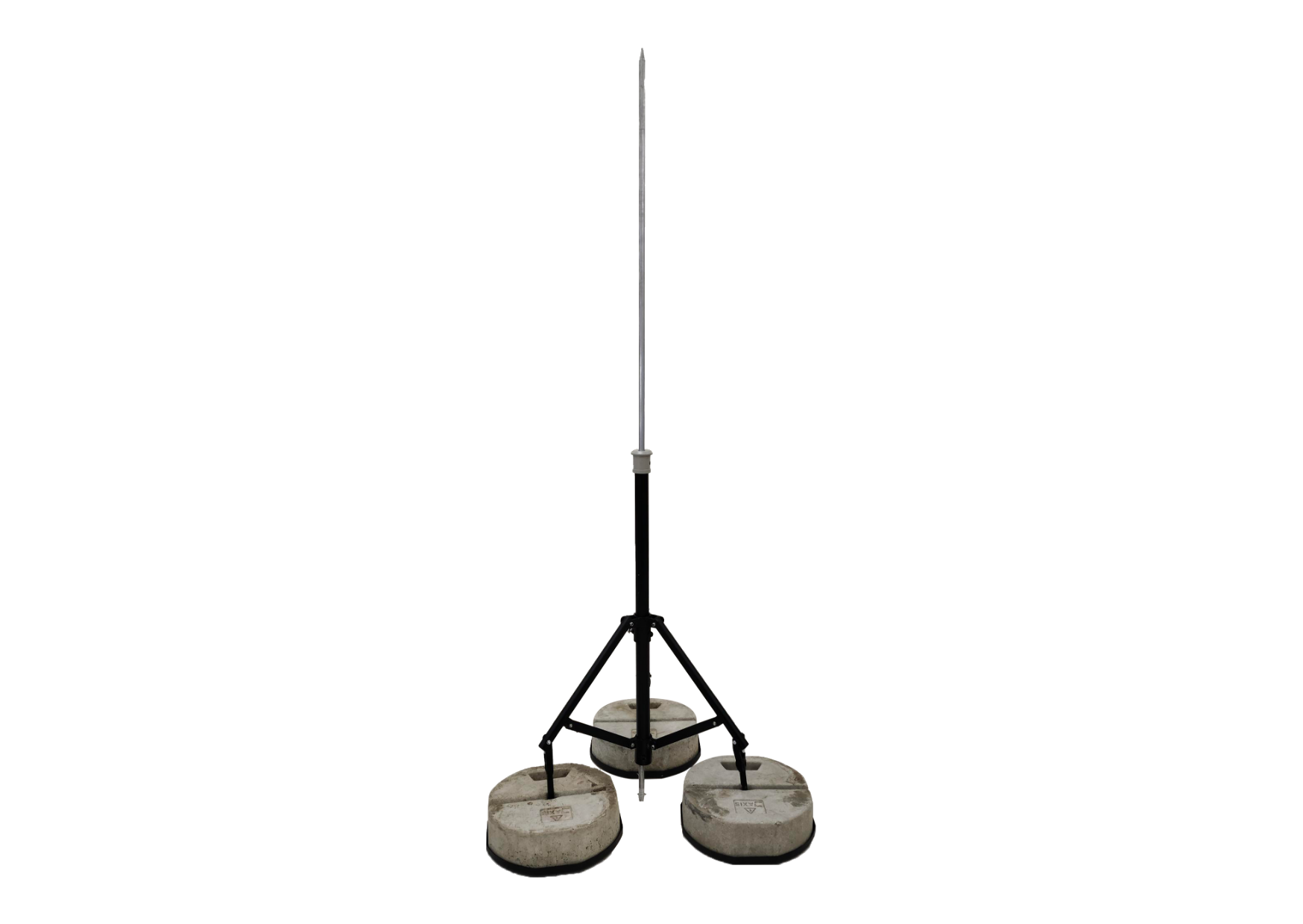
Air Termination with Tripod
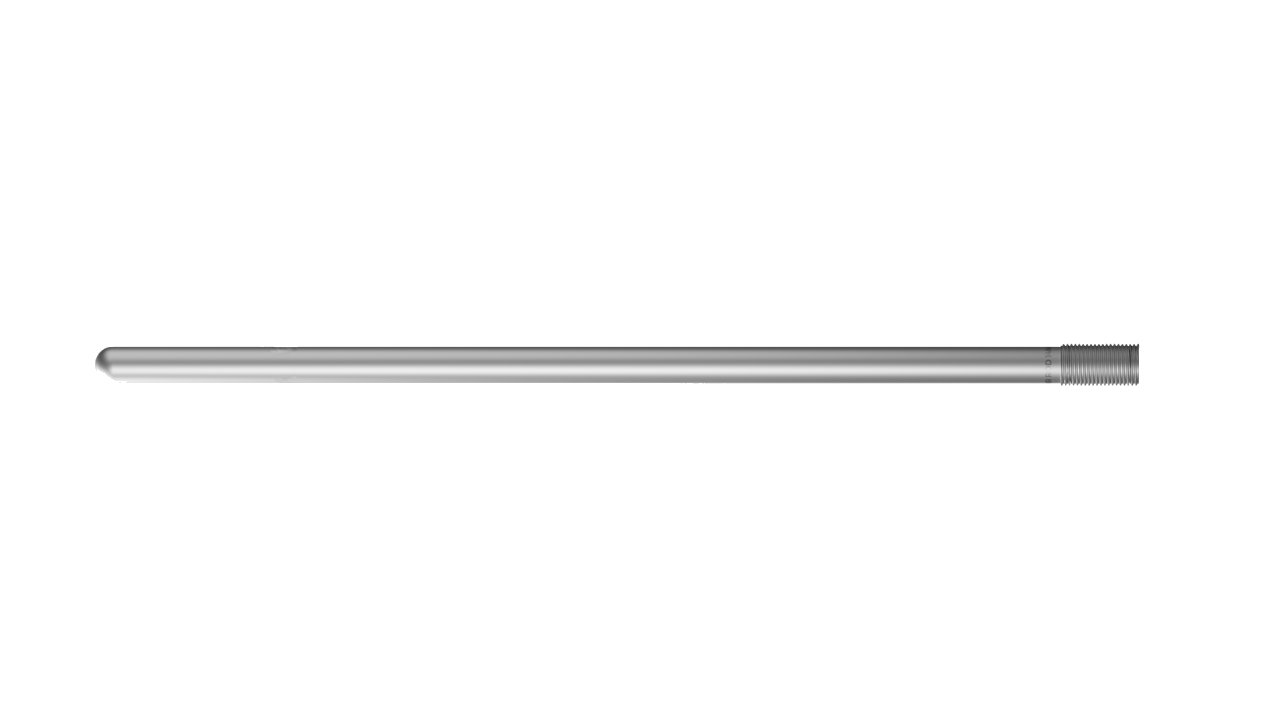
Aluminium Air Rod Round Headed – Unthreaded
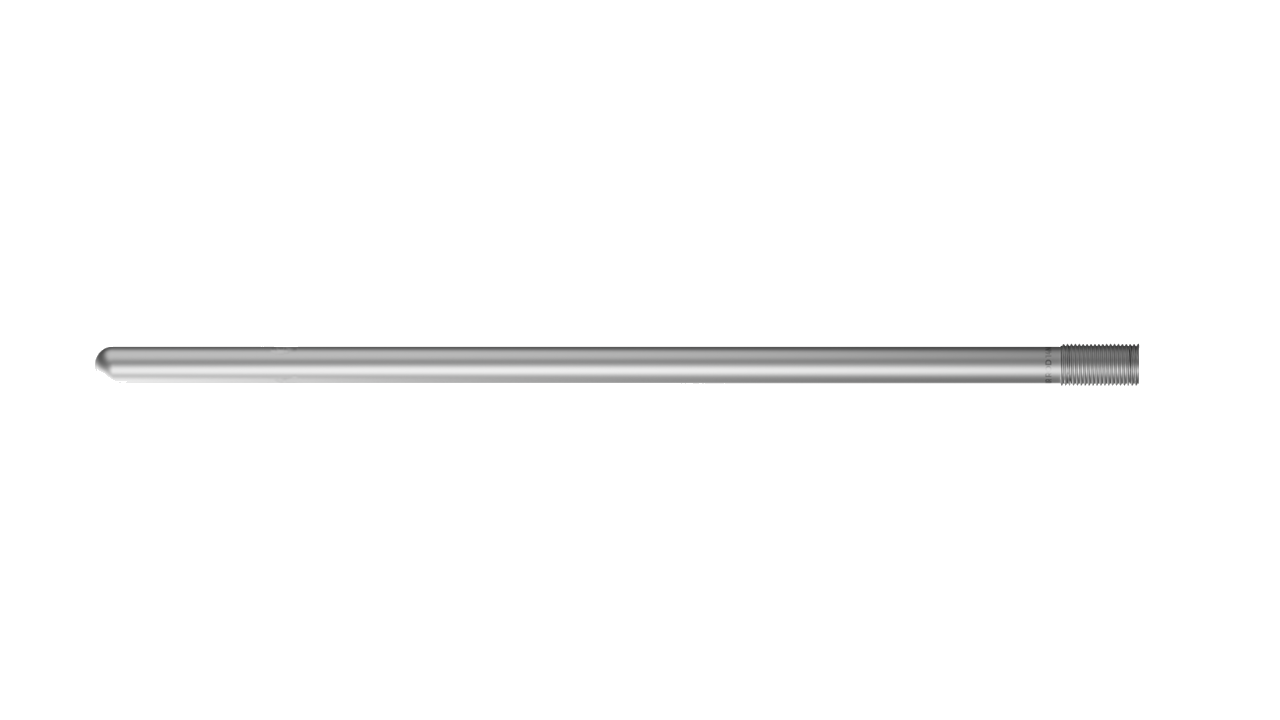
Aluminium Air Rod With Round Tip – Crimped Type
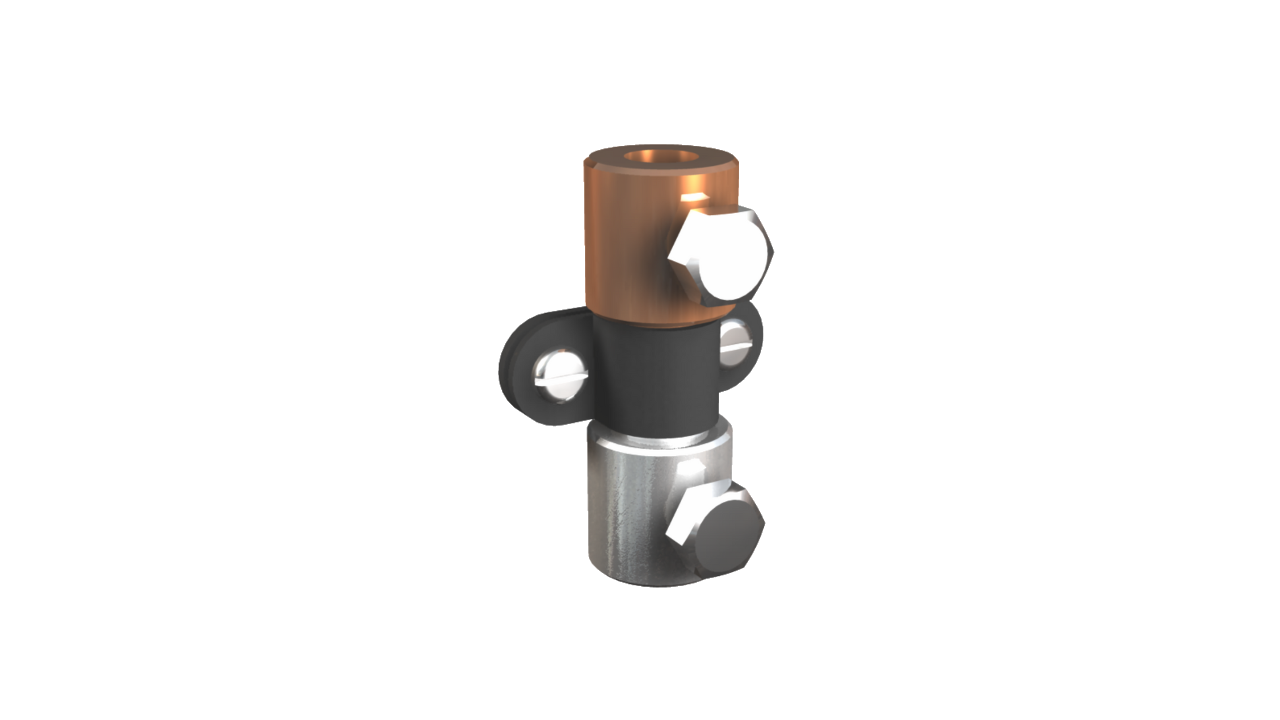
Bi-metallic Connector Conductor To Conductor
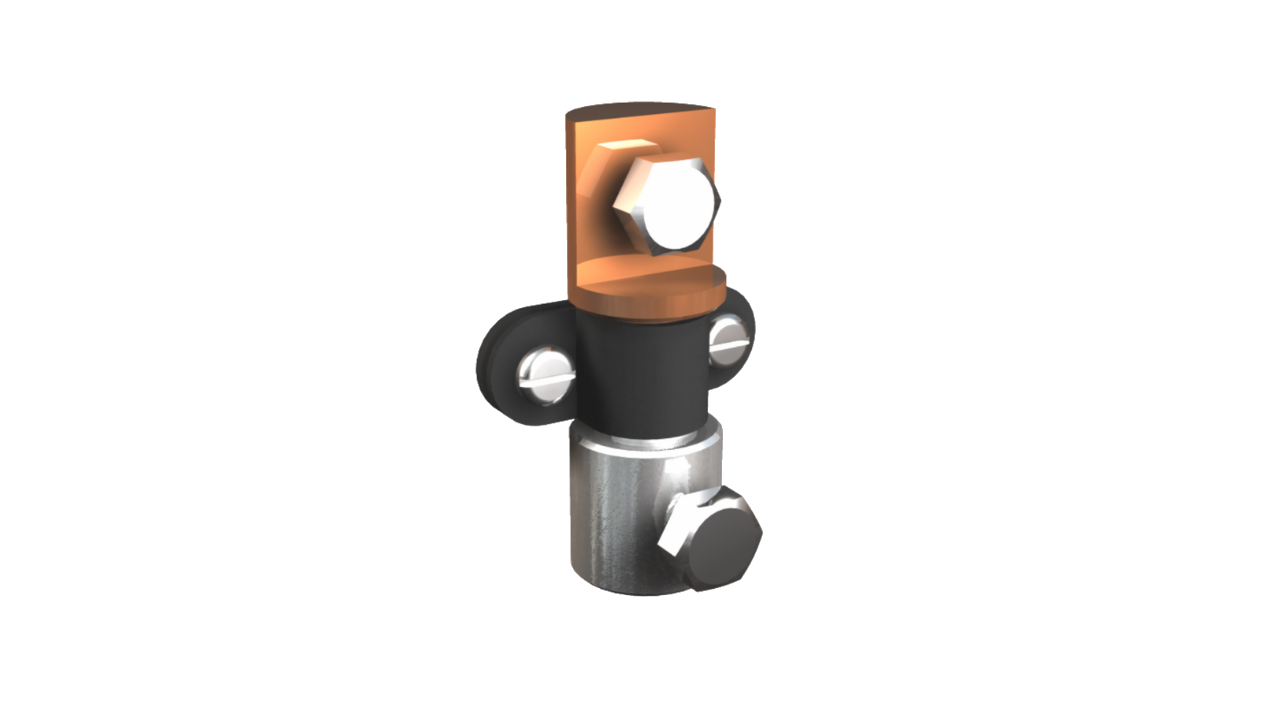
Bi-metallic Connector Tape To Conductor
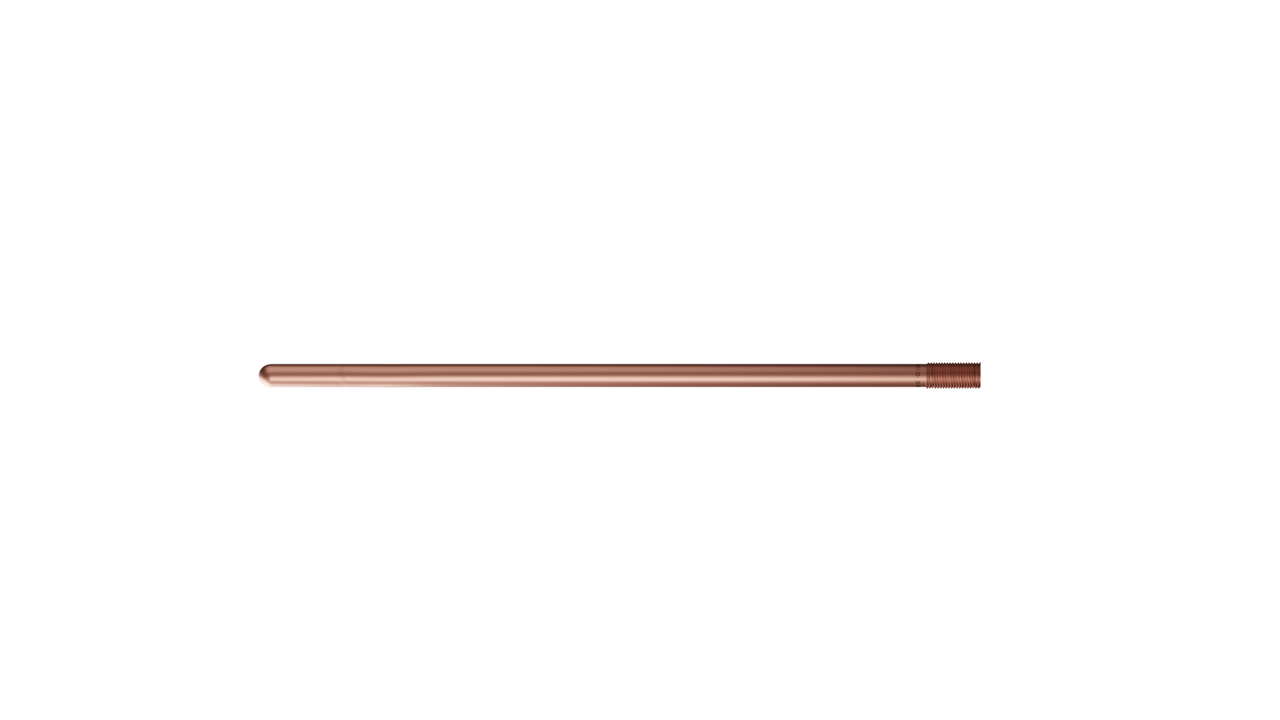
Copper Air Rods
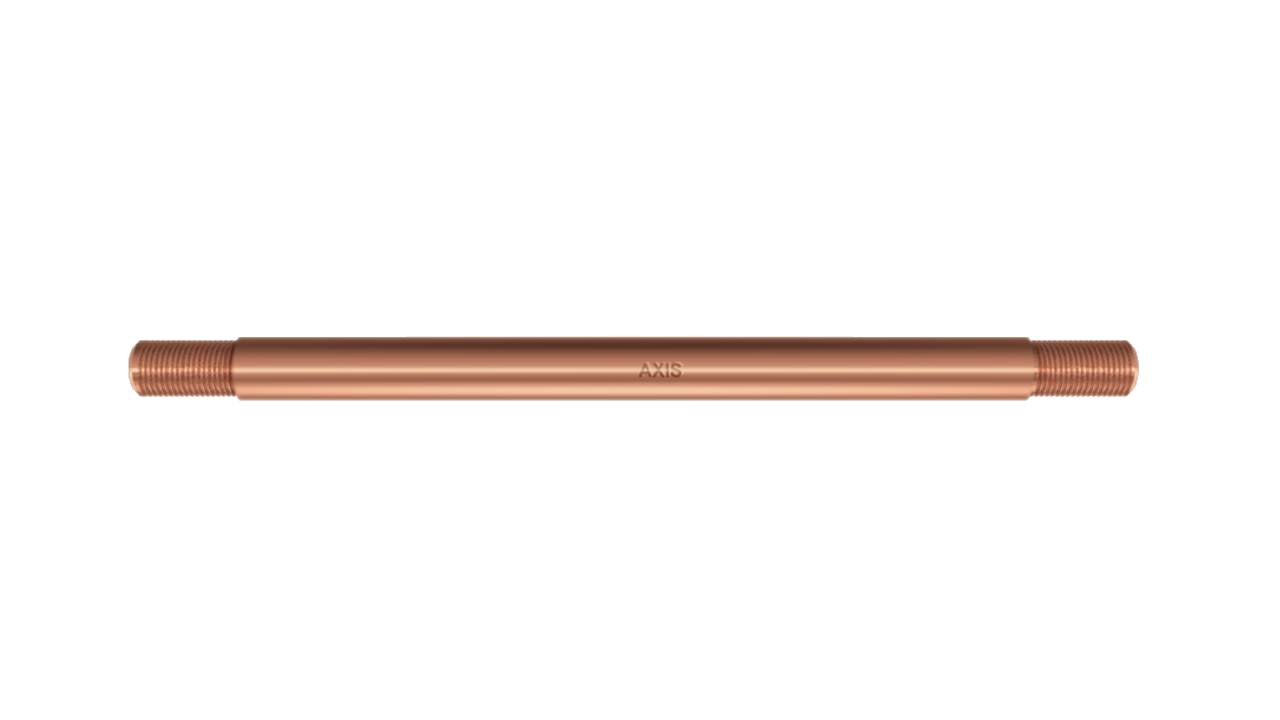
Copper Bonded Elevation Rod
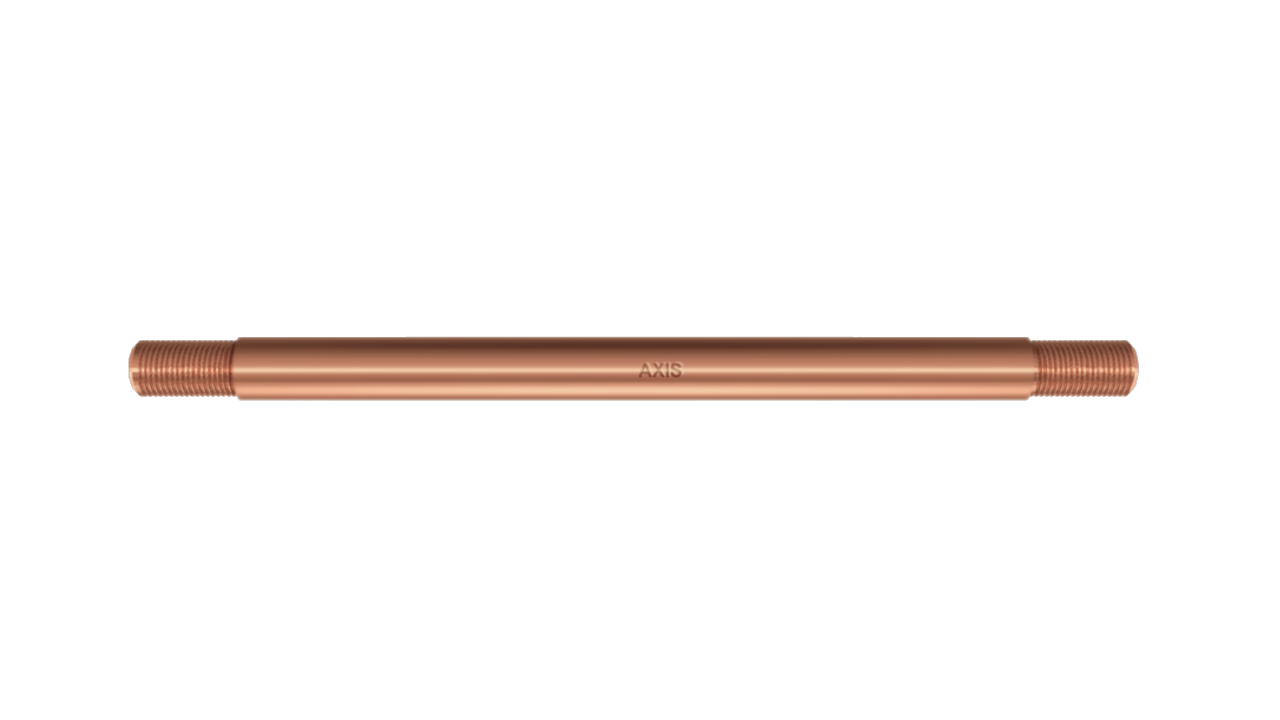
Copper Bonded Elevation Rod – 250 microns
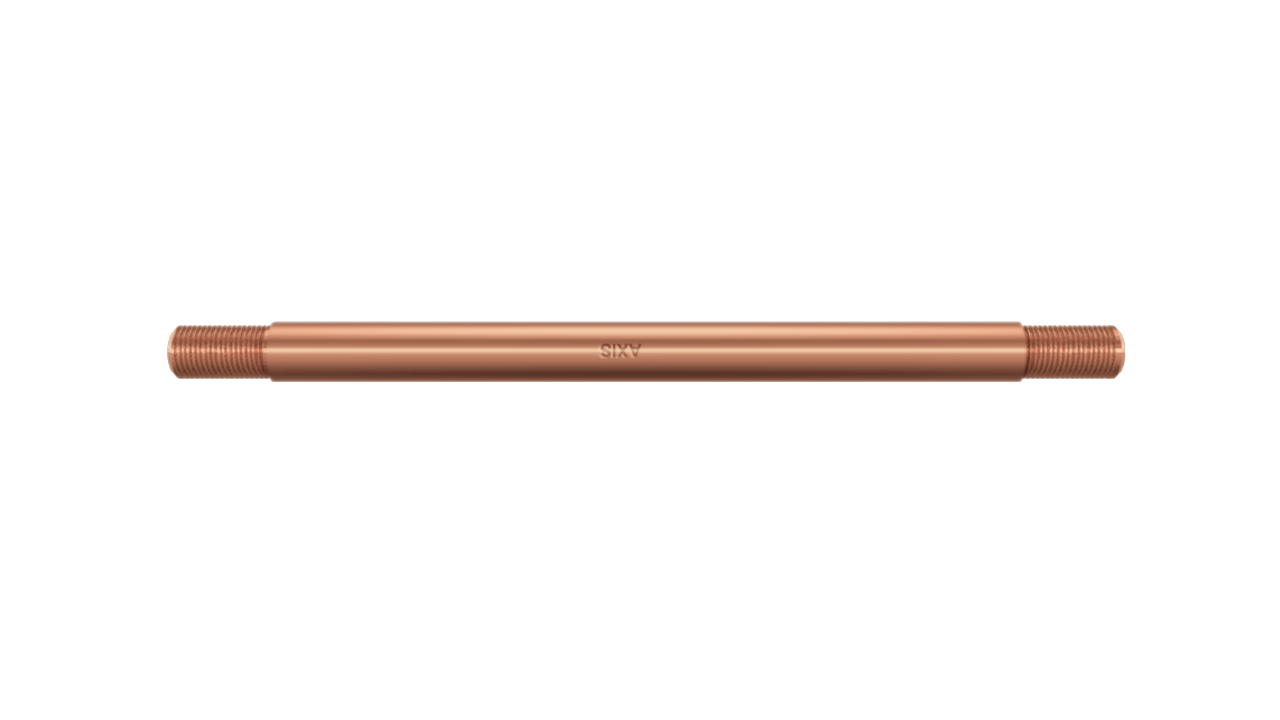
Elevation Rod
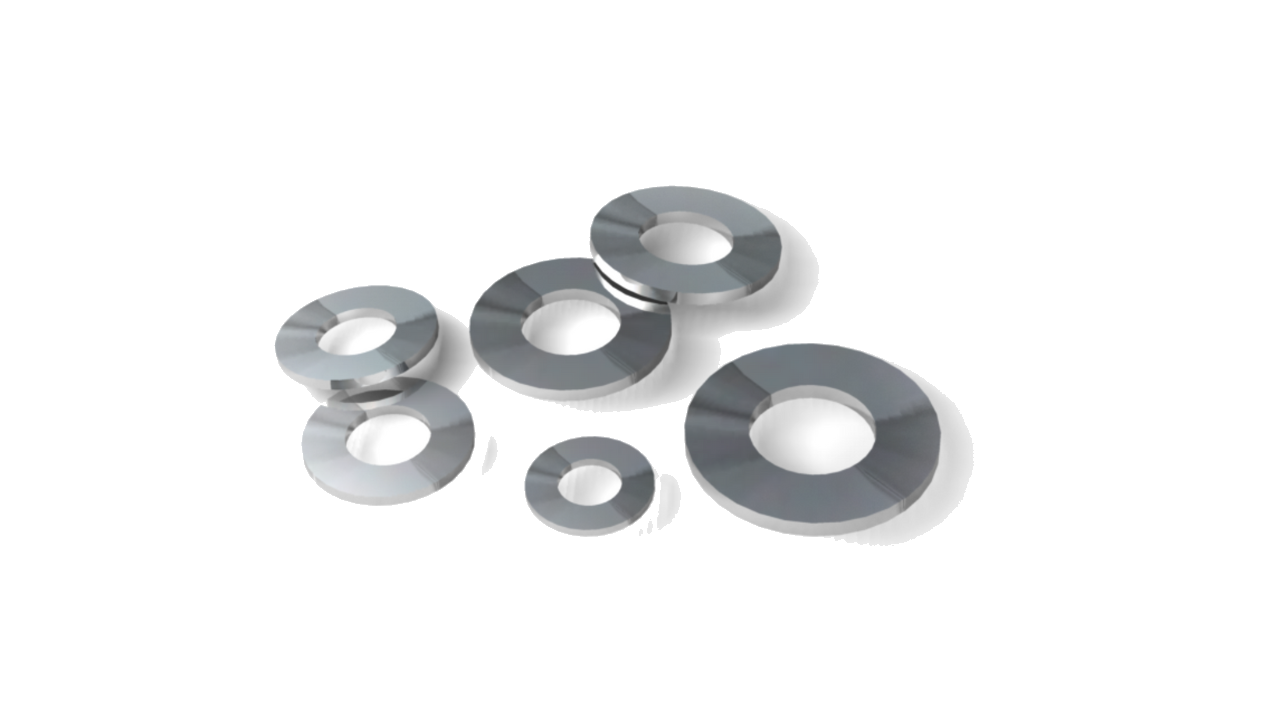
Flat Round Washer
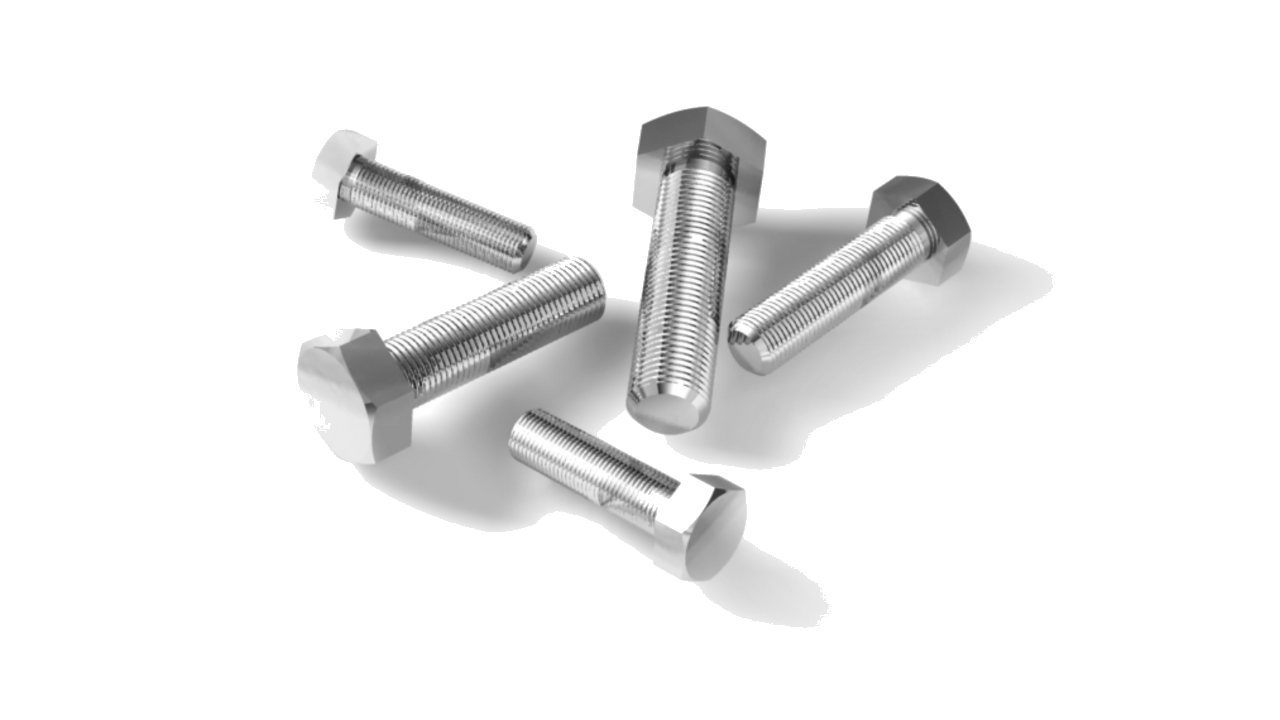
Hexagon Head Set Screw
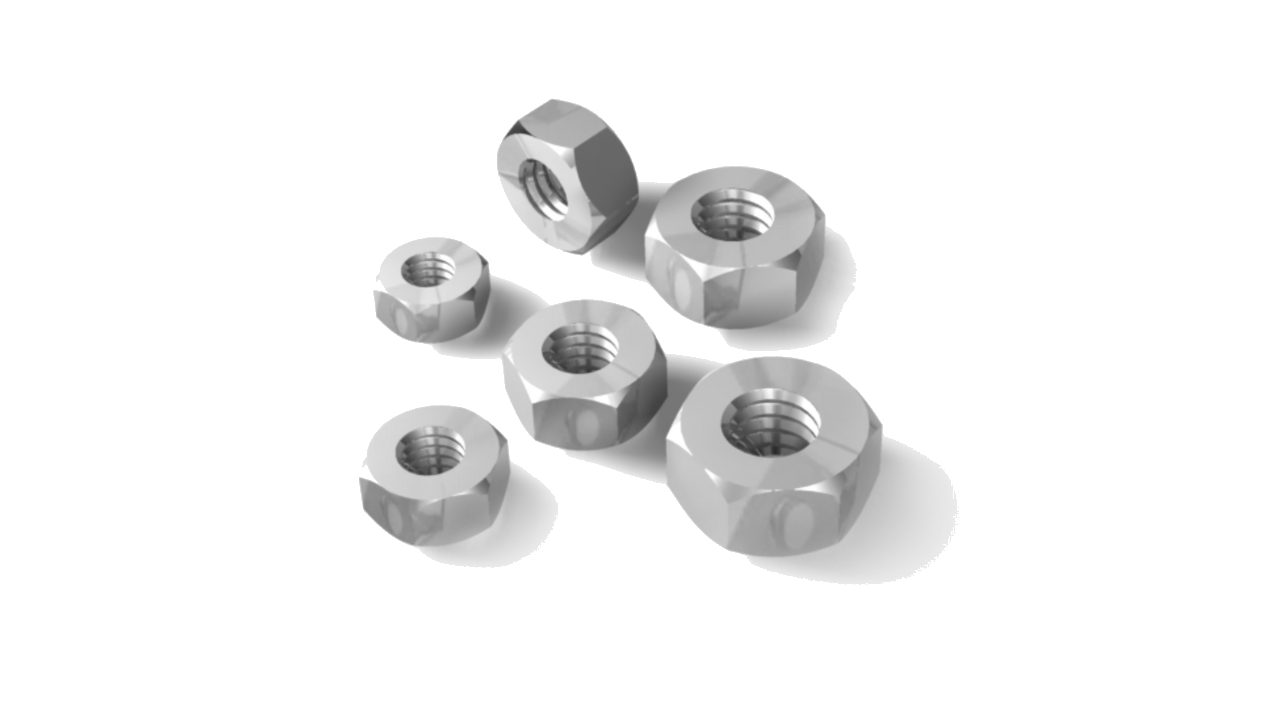
Hexagon Nut
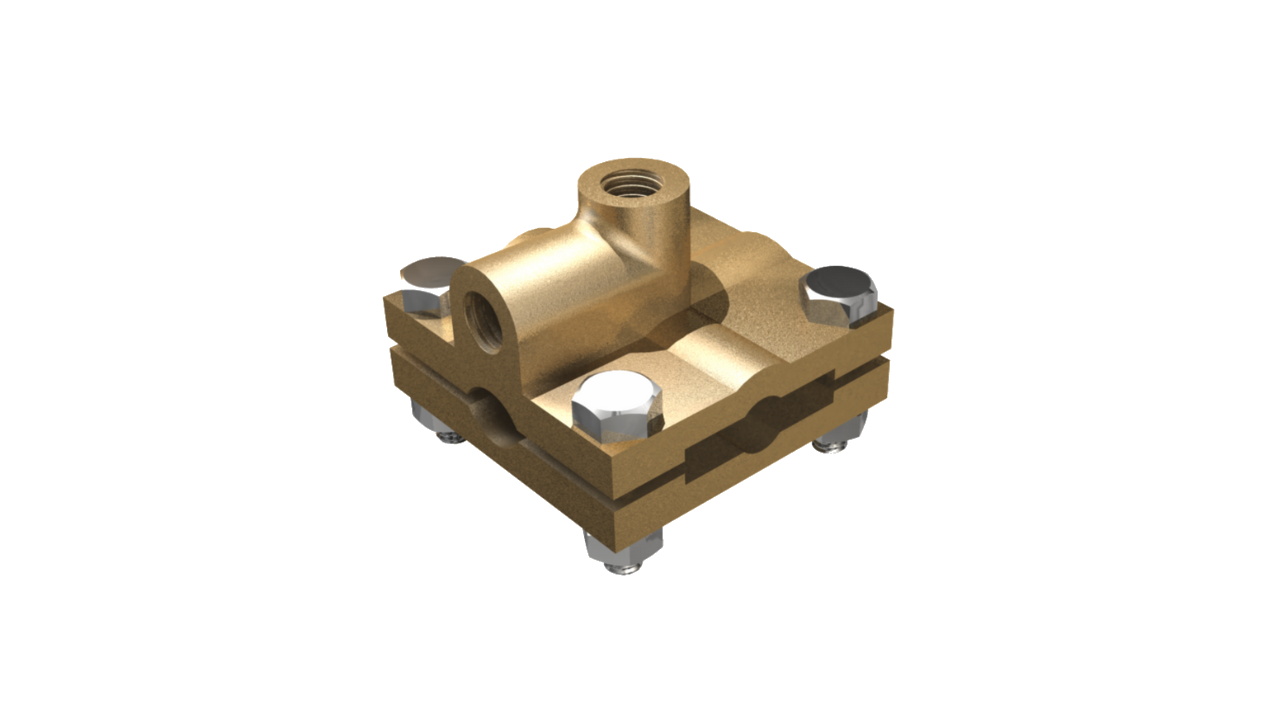
Multiple Function Air Terminal Base
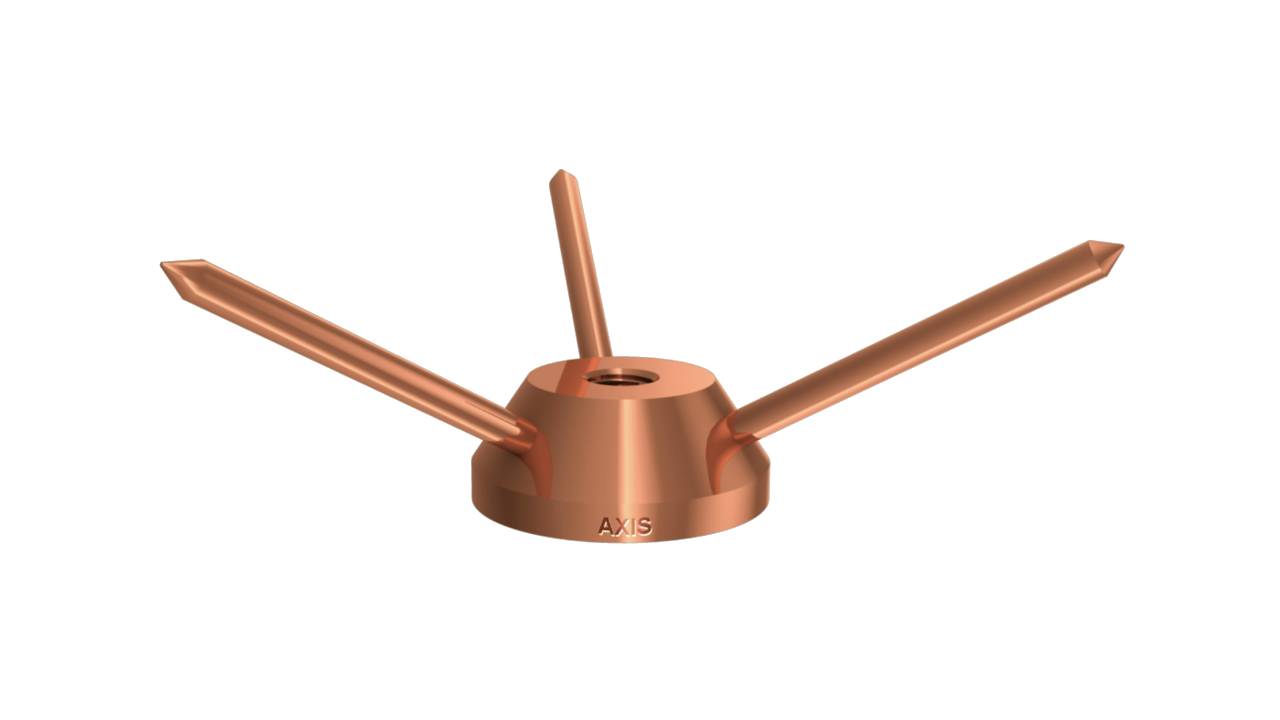
Multiple Points – Type ‘A’
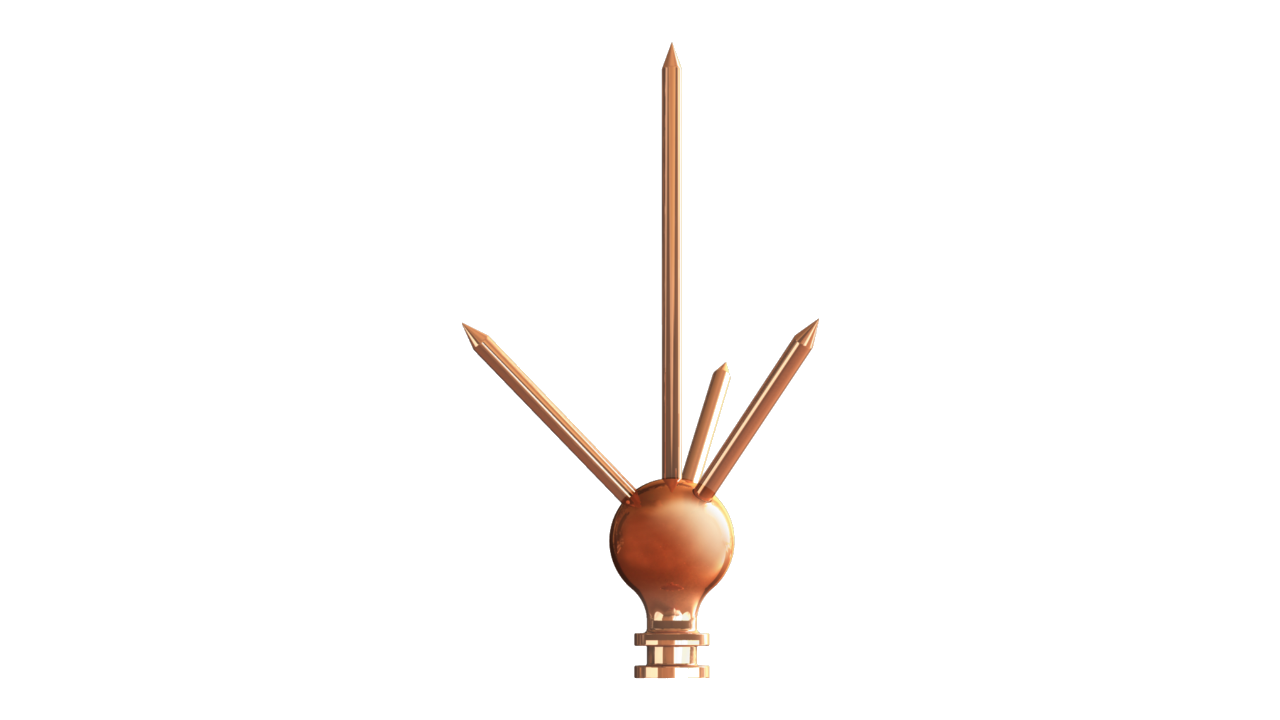
Multiple Points – Type ‘B’
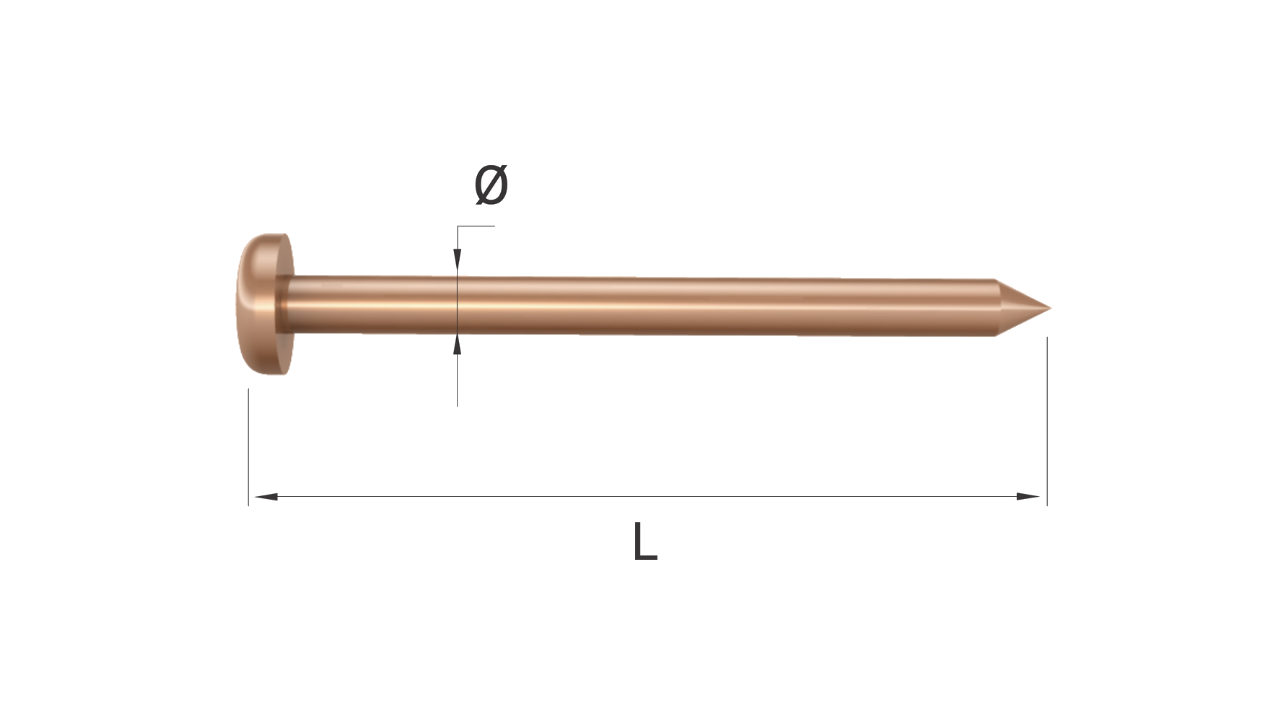
Nail
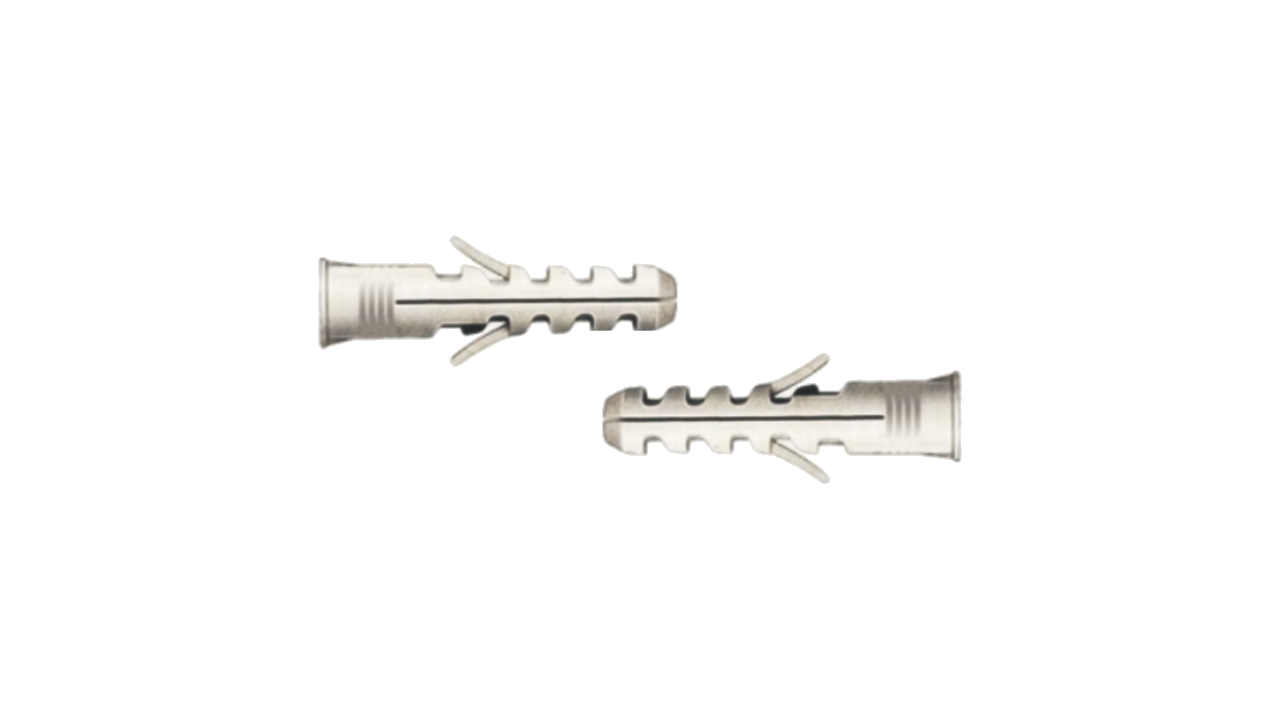
Plastic Wall Plugs
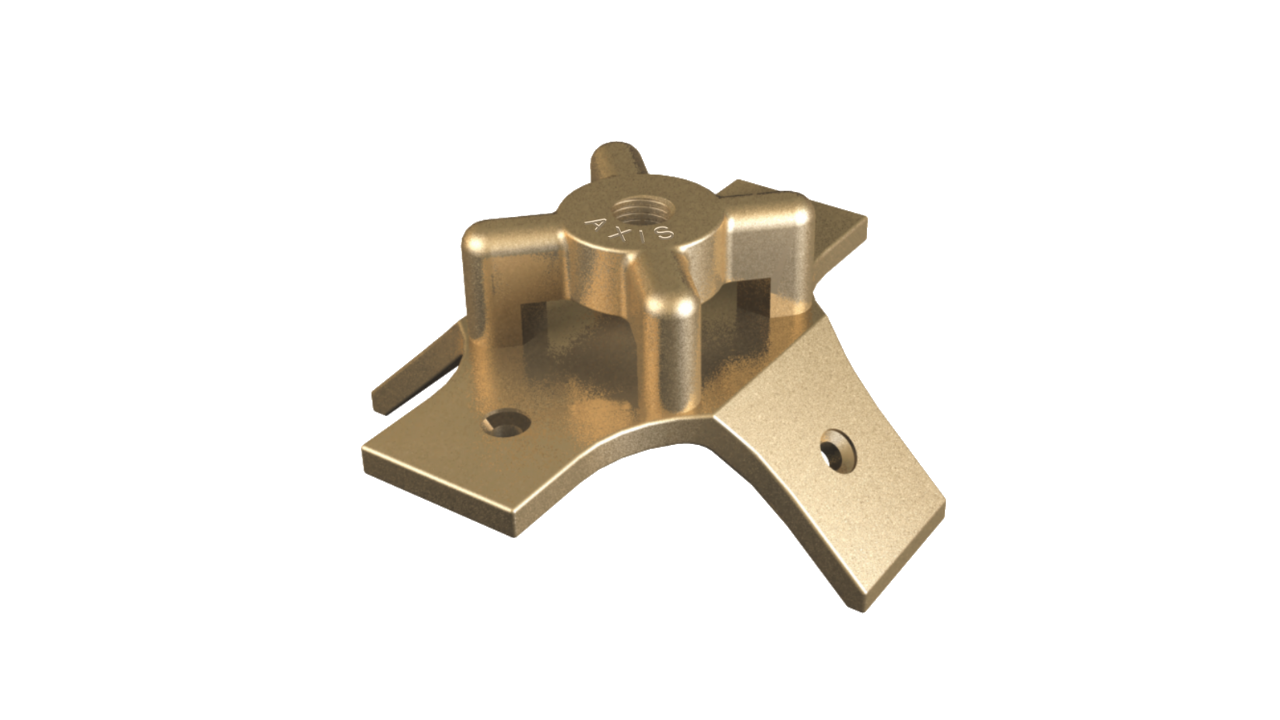
Ridge Saddle
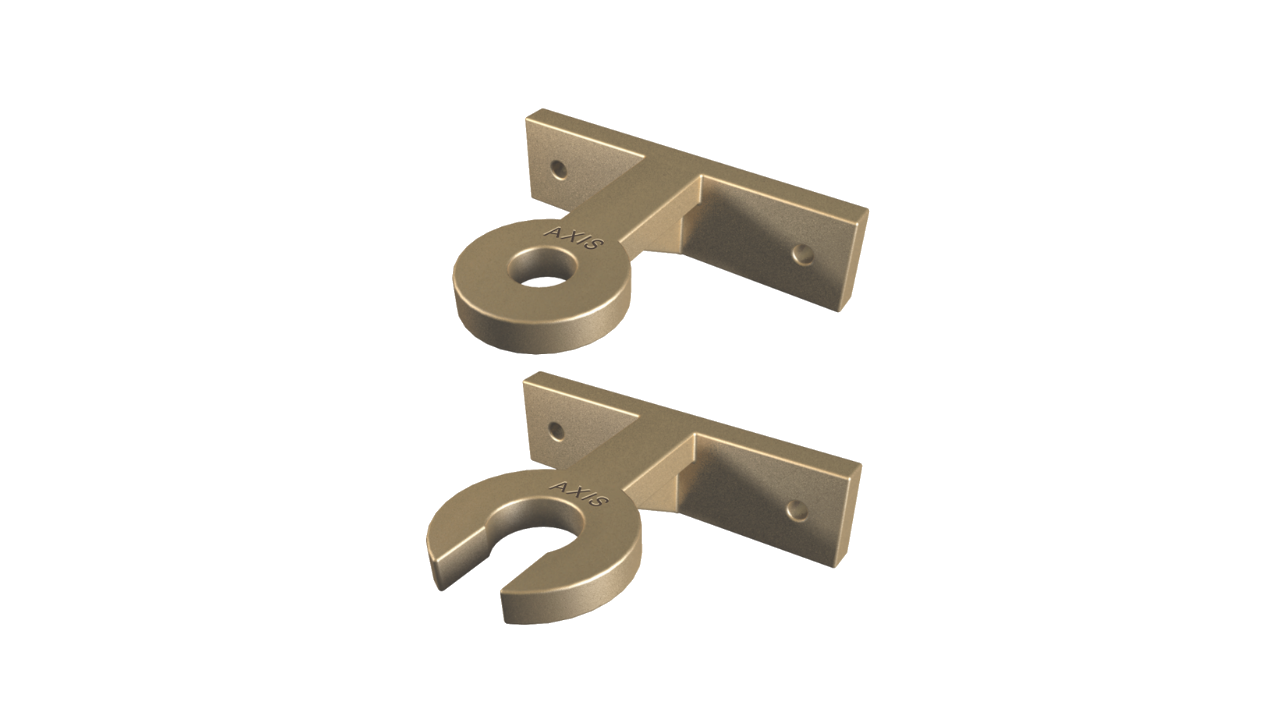
Rod Brackets
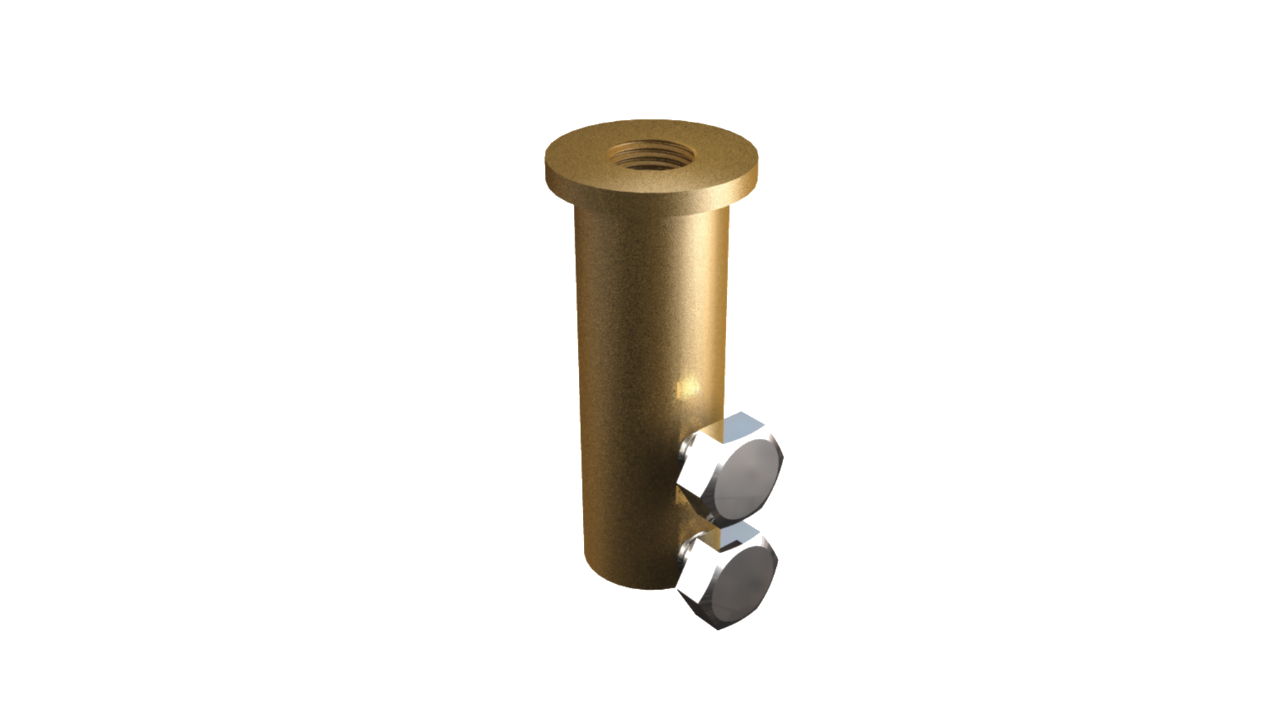
Rod To Cable Coupling
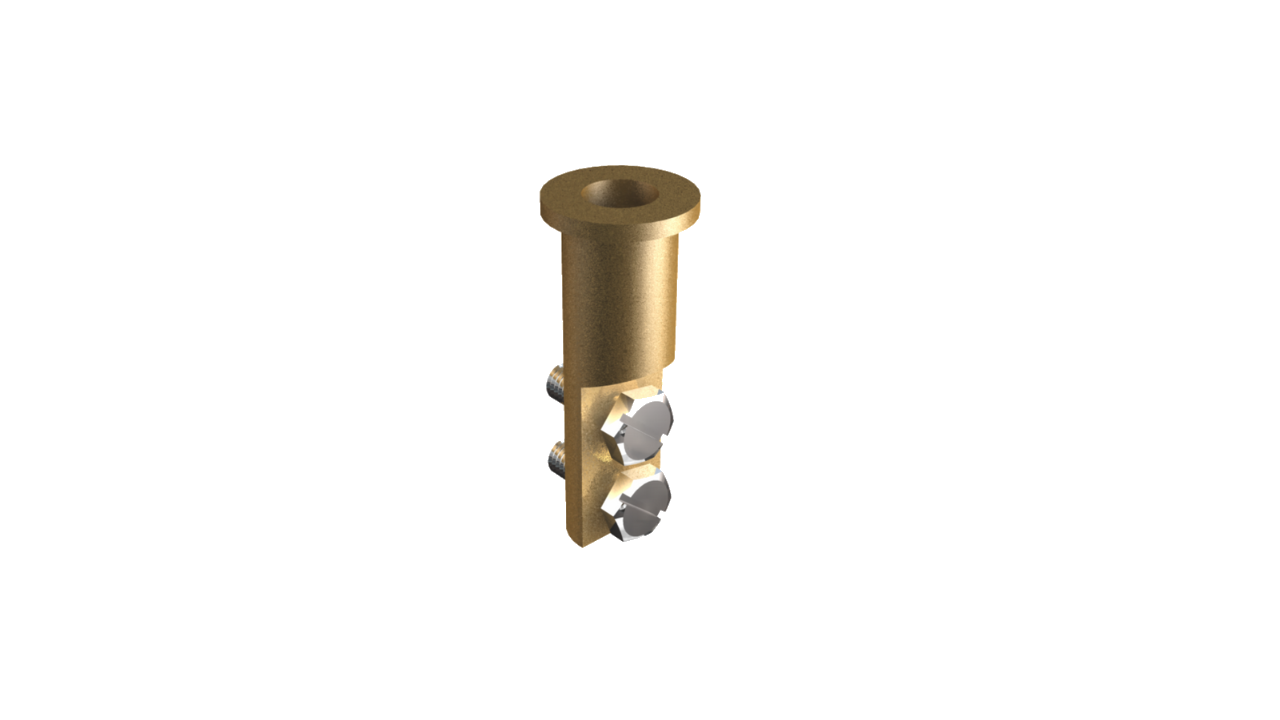
Rod To Tape Coupling
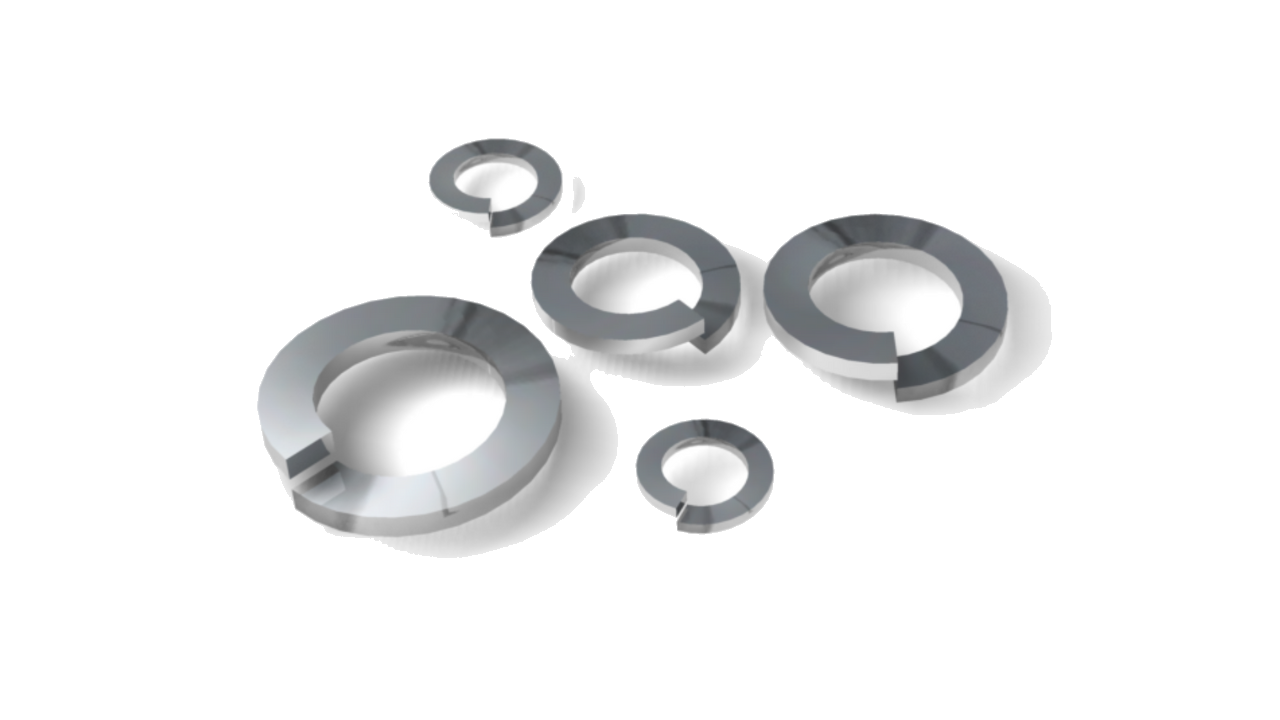
Spring Washer
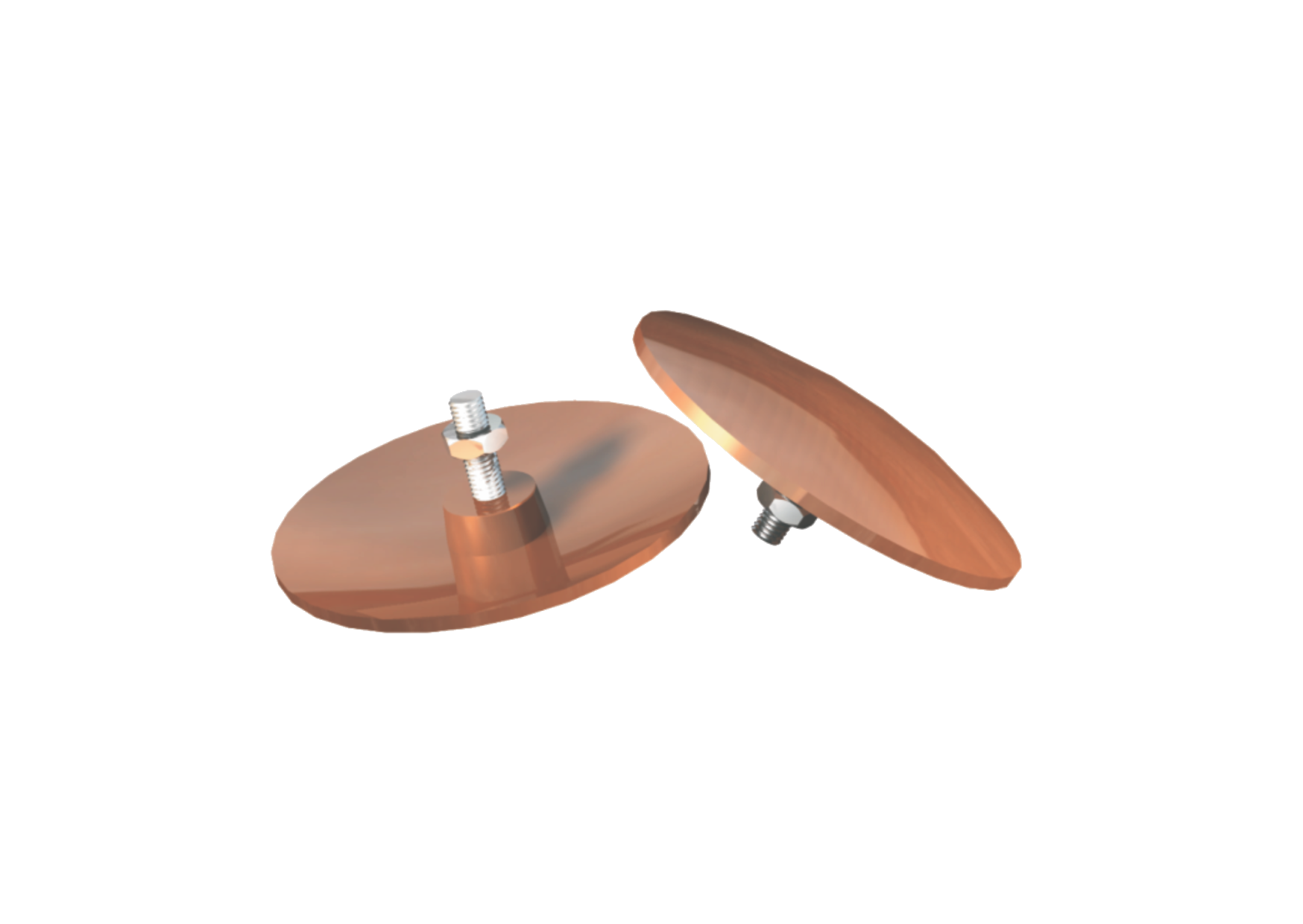
Strike Pad
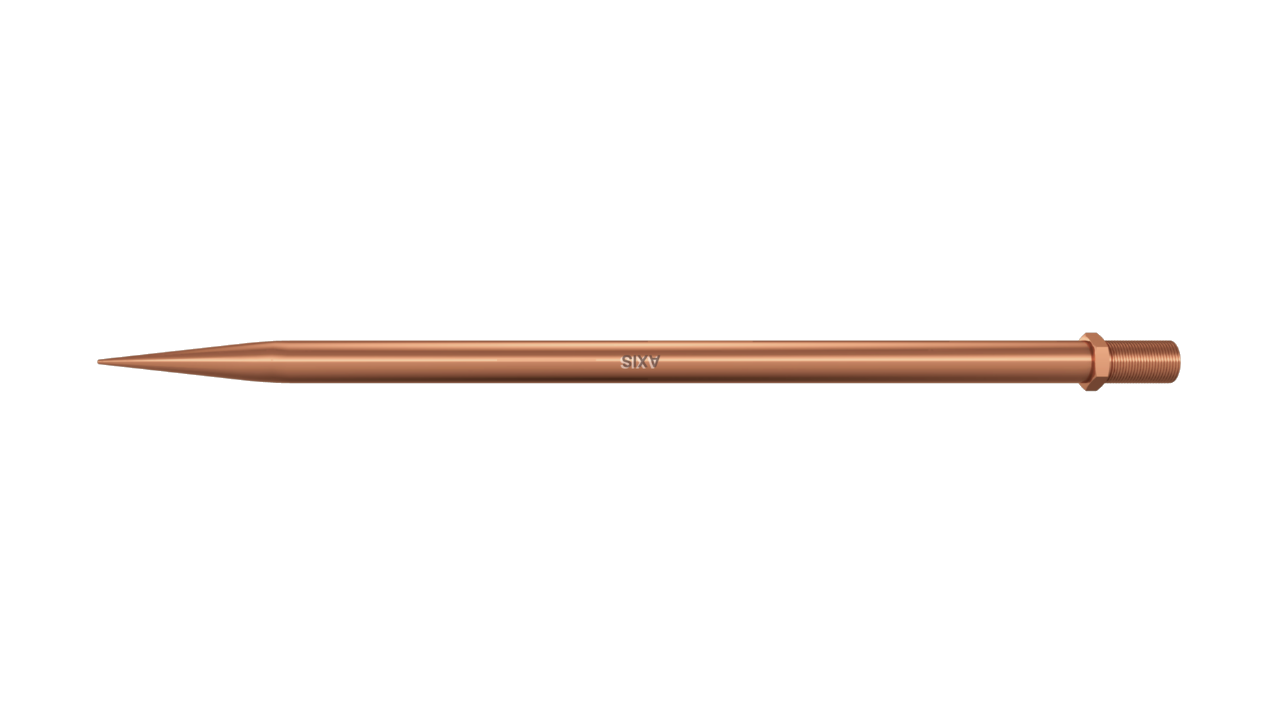
Taper Pointed Air Rod
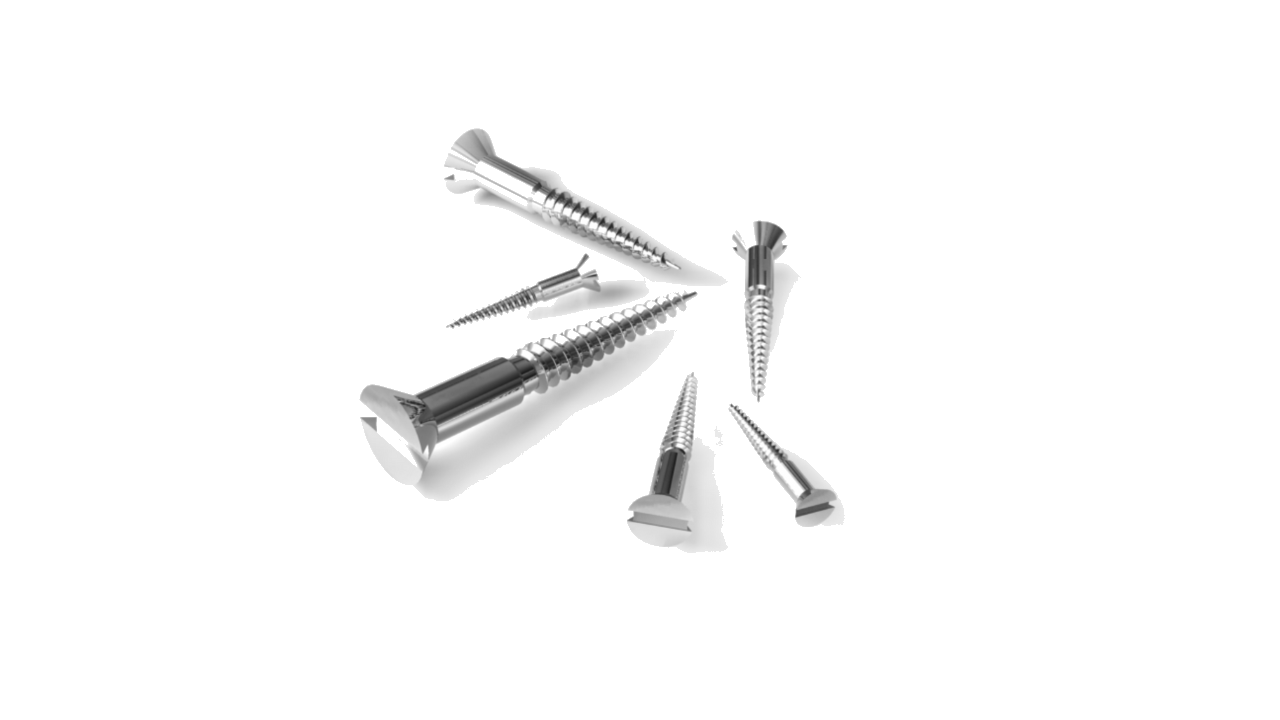
Wood Screw
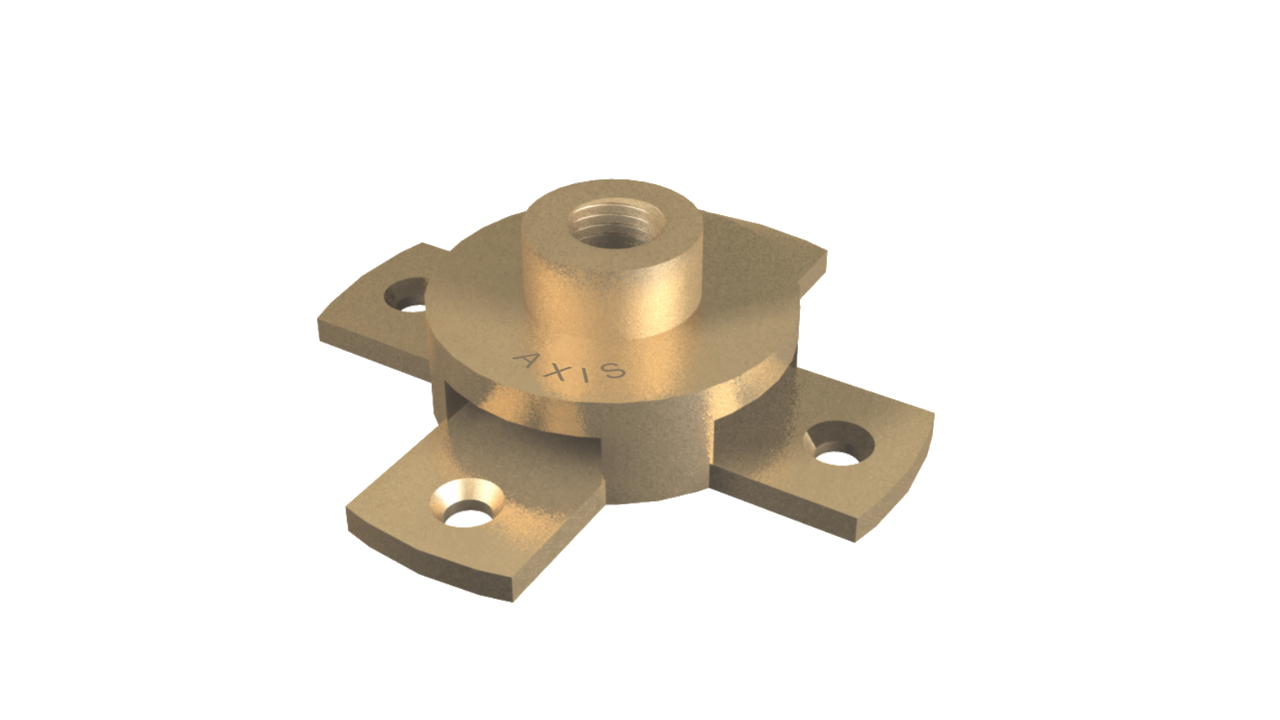
Air Terminal Base – Flat
Learn From Our Engineers
Technical Guides
and Resources
video
Why are Earth Boss & Strike Pad critical in Modern Lightning Protection?
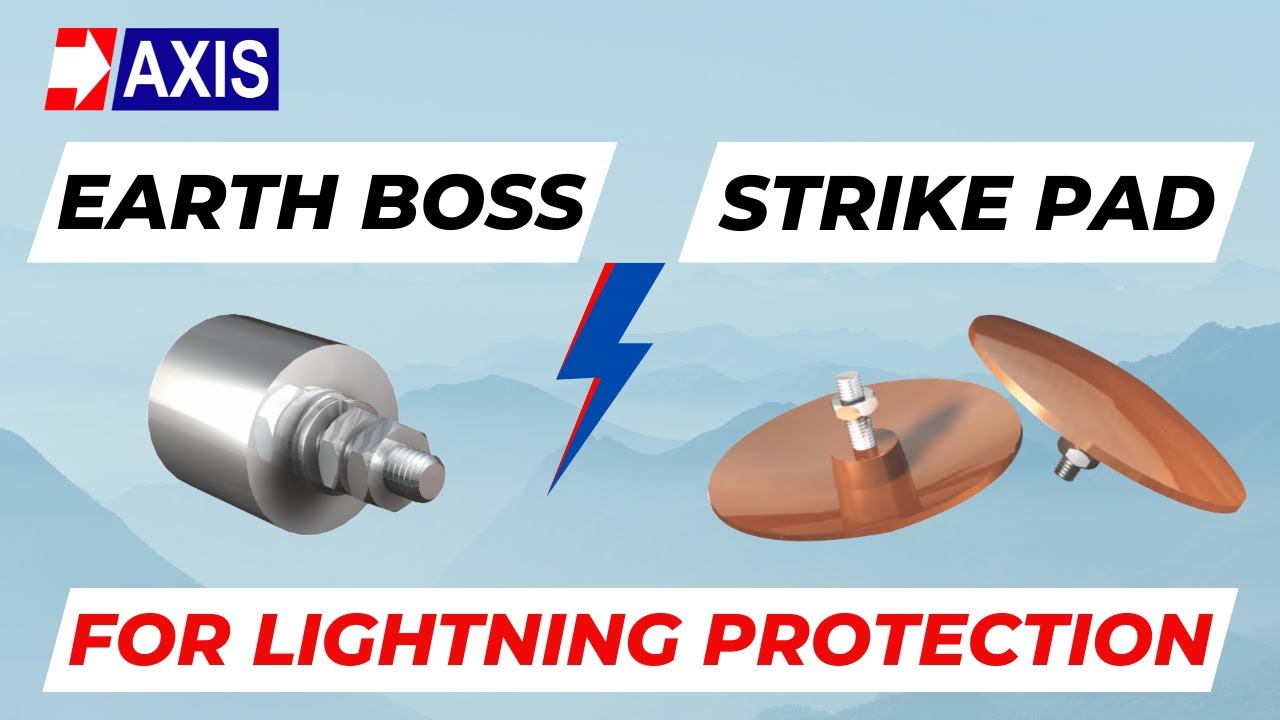
video
How does a Lightning Conductor Work? Explained with Different Types & Diagrams.
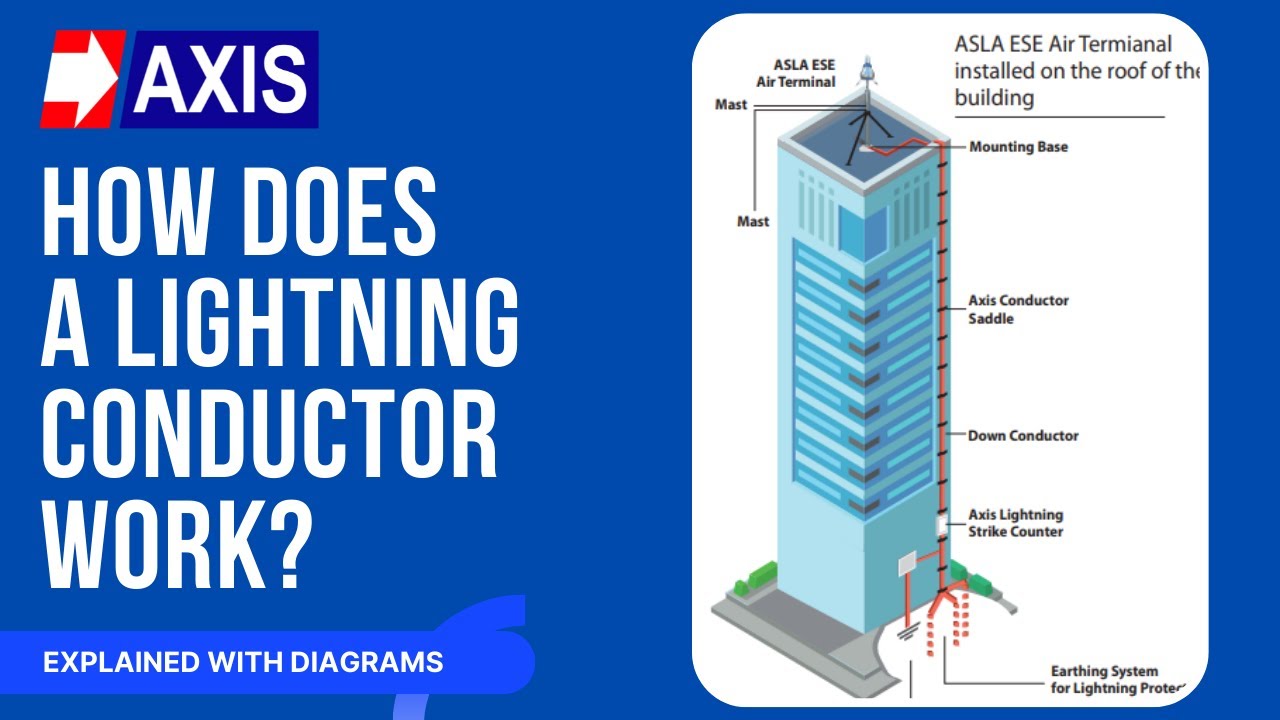
video
How to use Protective Angle Method for Lightning Protection Design?
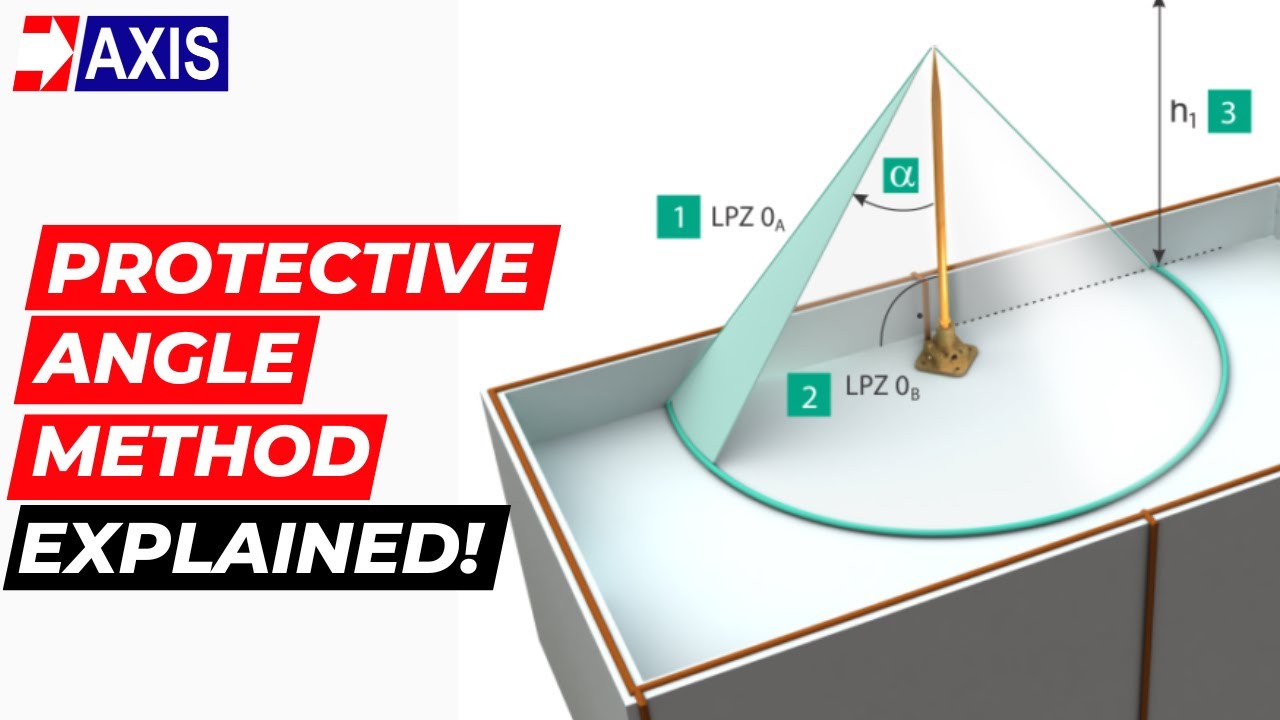
video
Lightning Protection for Rooftop Solar PV Plants Explained!
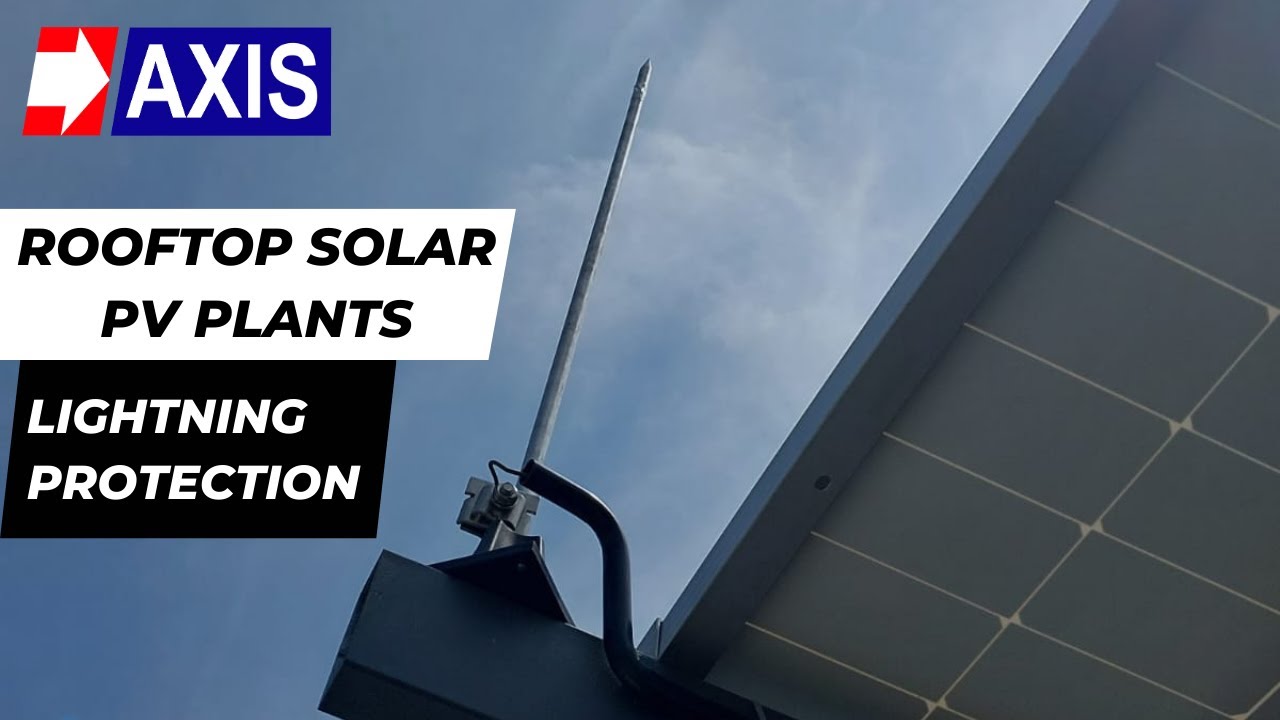
FAQS
Frequently Asked Questions
Find quick answers to common questions about our programs, admissions, eligibility, and application process to help you move forward with confidence.
An air terminal is the interception point of a lightning protection system — positioned to provide a preferred strike point that channels lightning current safely to earth via down conductors. Correct placement and height are critical to ensuring the protection zone covers the full structure.
Axis manufactures conventional air terminals, multi-point air terminals, and ESE lightning arresters. Conventional terminals provide point protection across defined coverage zones. ESE arresters use early streamer emission technology to provide 360° protection from a single installation point, reducing the number of components required across large or complex structures.
Air terminal height and placement depend on the structure's dimensions, roof type, and the lightning protection level required under IEC 62305. Axis provides risk assessment and system design support to determine the correct terminal height, placement, and coverage zone for each installation.
Air terminals can be installed across flat, pitched, and metal roof structures. Mounting method and conductor routing vary depending on the roof construction. Axis provides installation guidance specific to the structural and material requirements of each project.
Axis air terminals are manufactured and tested to IEC 62305 standards. All products are tested at an in-house NABL accredited, UL approved facility before dispatch, with traceable test data available for project compliance verification.
Periodic inspection for corrosion, mechanical damage, and secure conductor connections is recommended to maintain system integrity. Axis provides post-installation inspection support as part of its end-to-end lightning protection service.