
Down Conductors

Approved by 80+ Utilities Worldwide

Tape, stranded, flat, and insulated down conductors in copper and aluminium for every installation.

IEC Tested and Certified

Learn How to select Down Conductors for Lightning Protection System
Product Selection and Technical Support.
selection criteria
Details Required to Select Down Conductors Products
Product raNGE
Explore Products
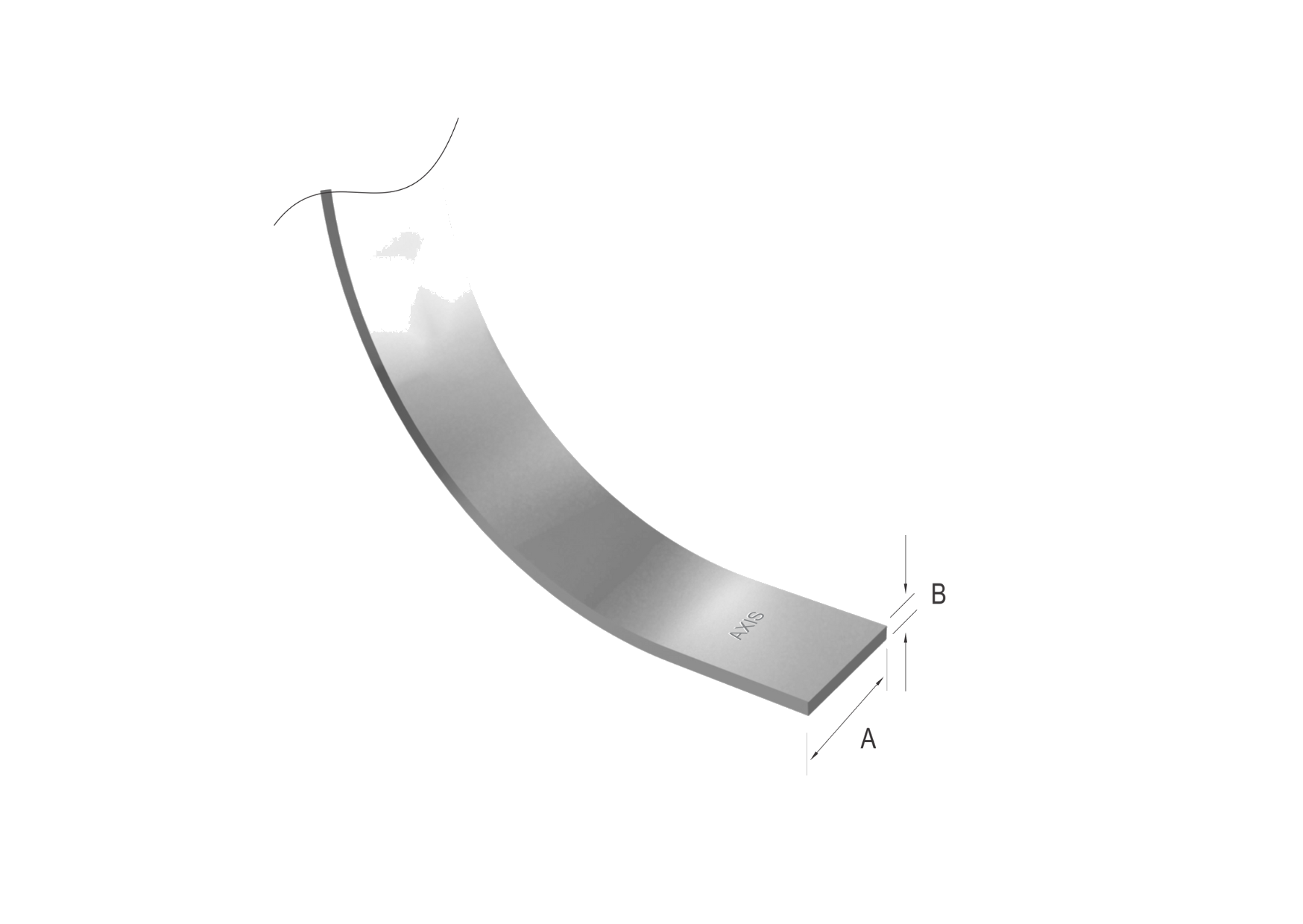
Bare Aluminium Tape
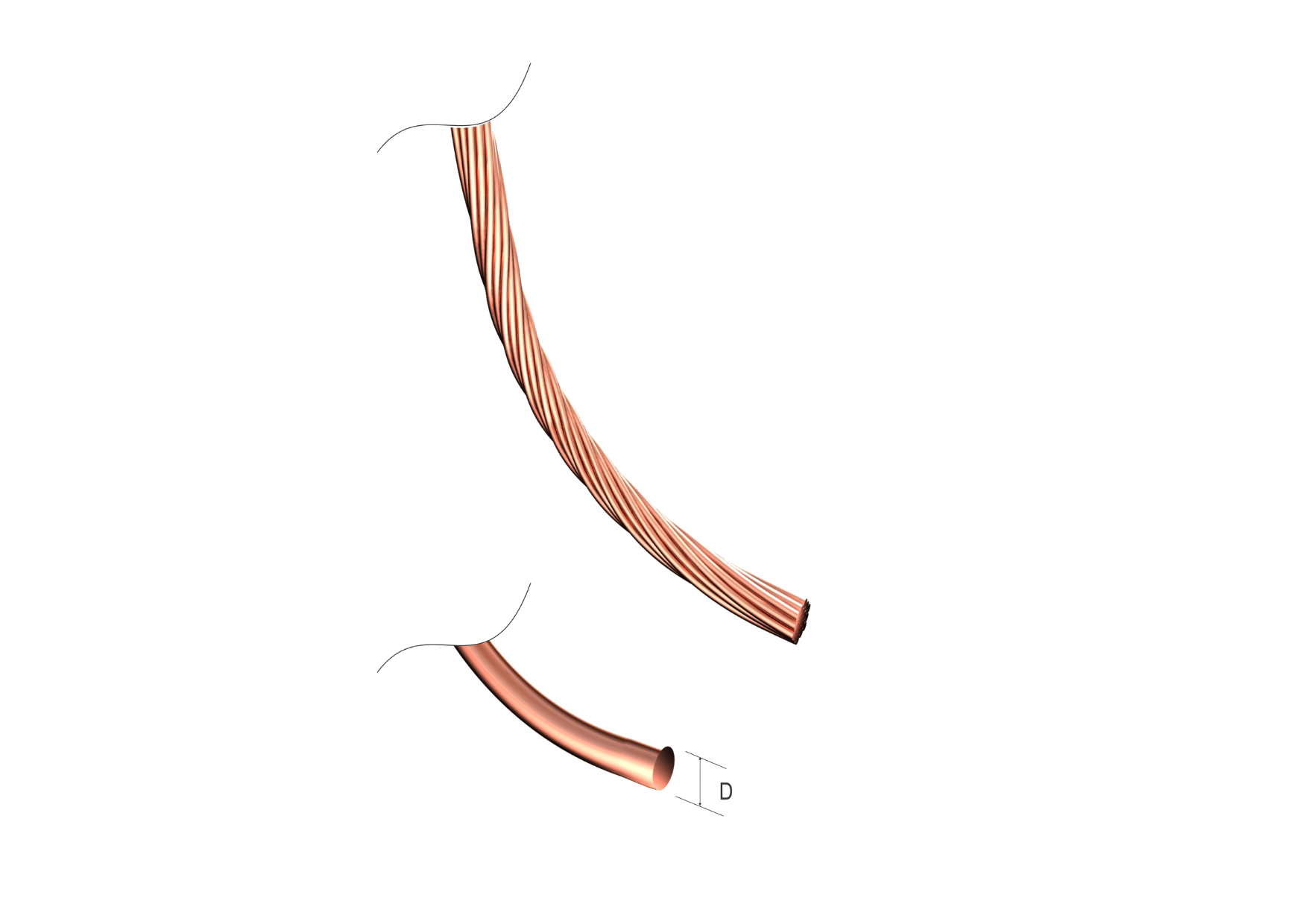
Bare Stranded Copper Conductor
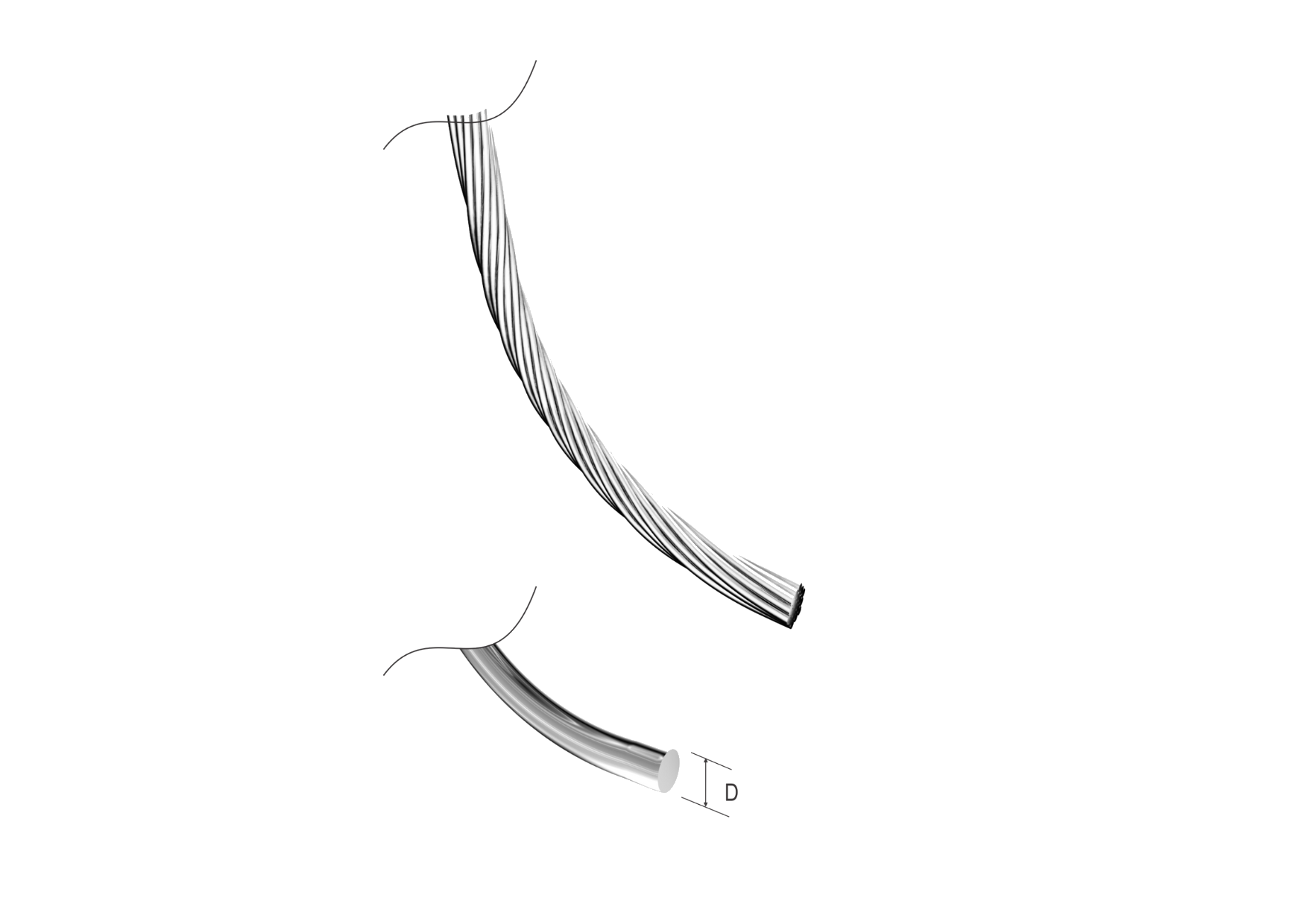
Bare Stranded Copper Conductor With Tinned Plated
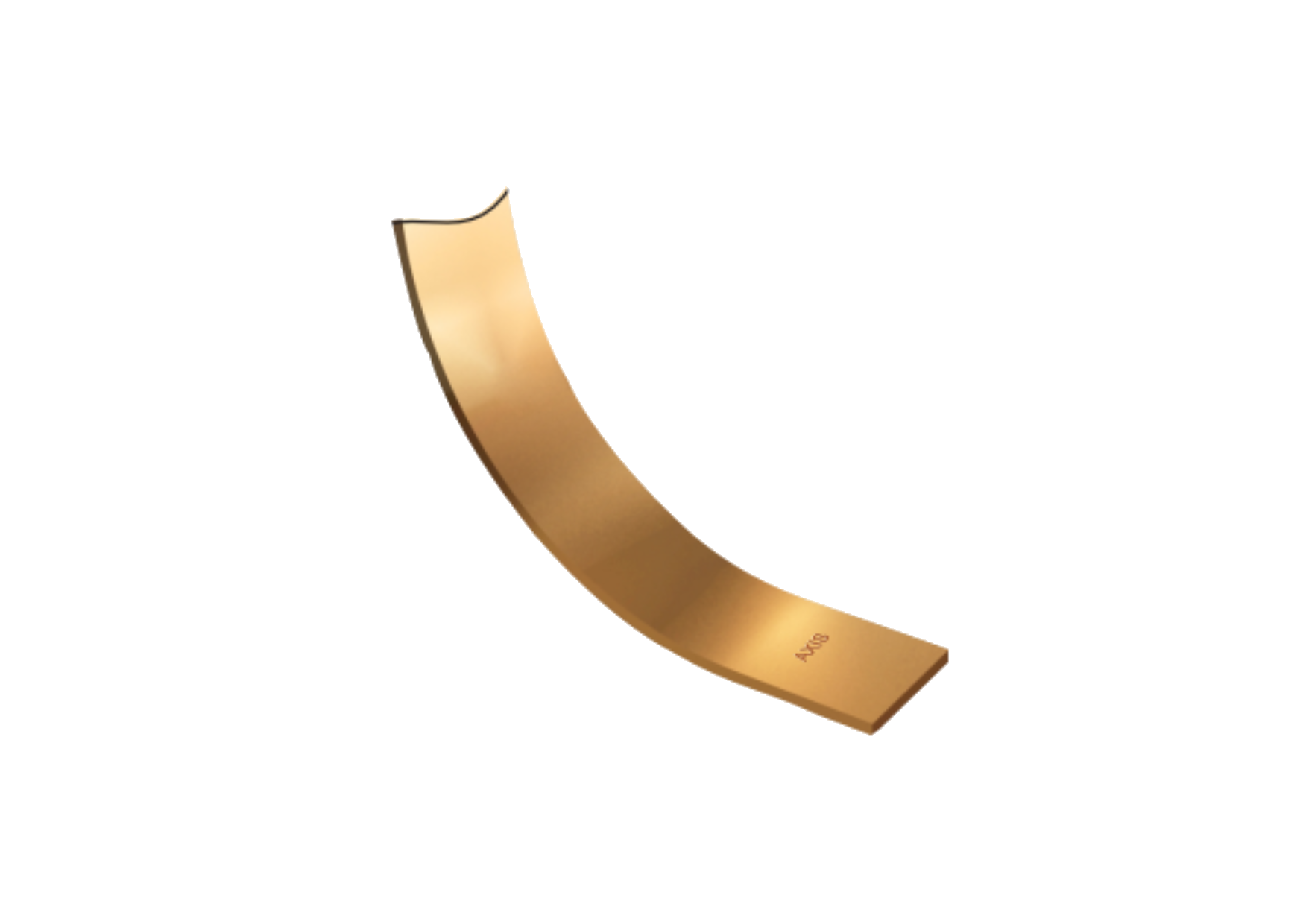
Copper Flat Tapes
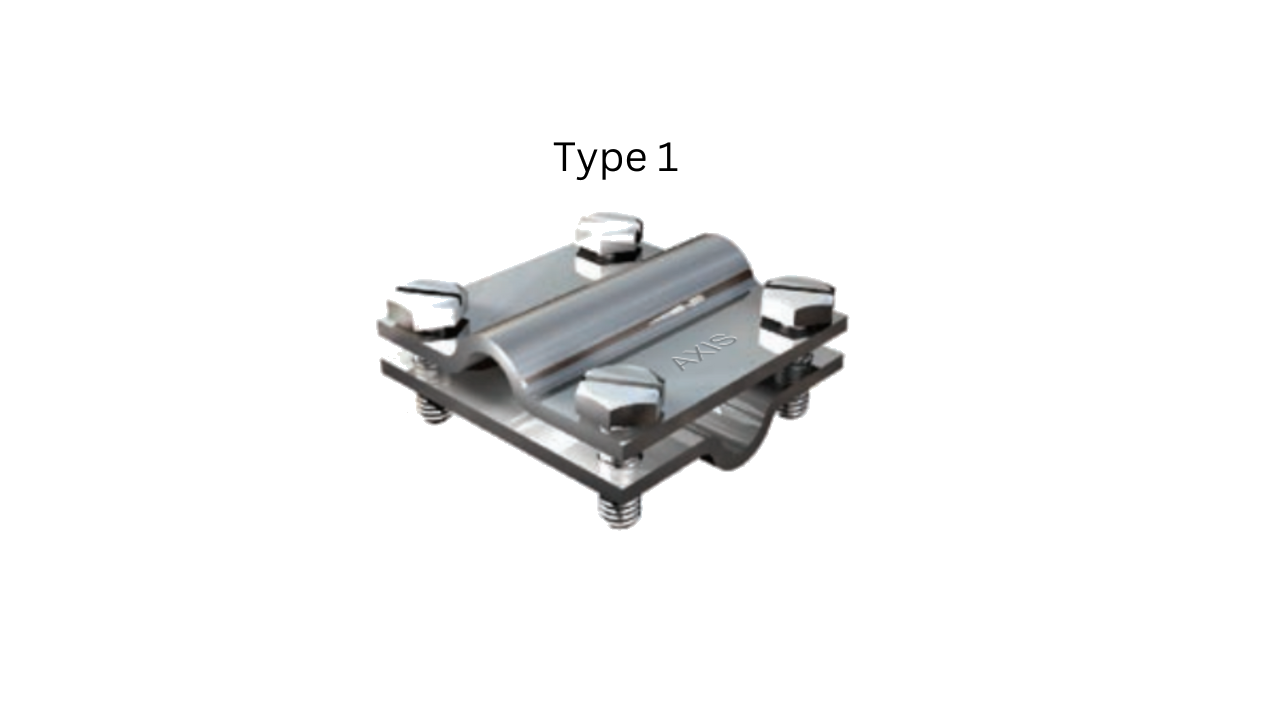
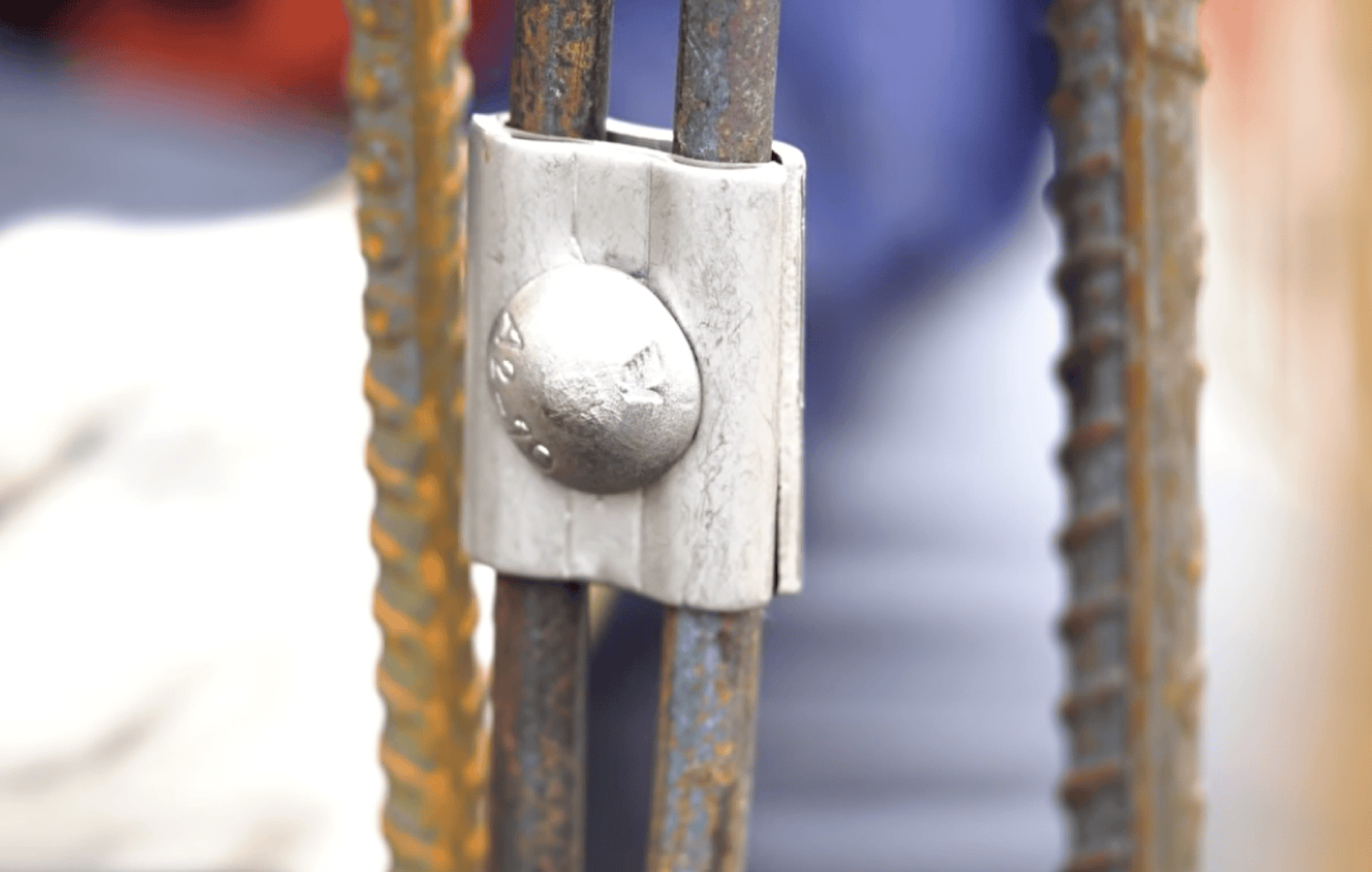
Cross Clamps For Above Ground
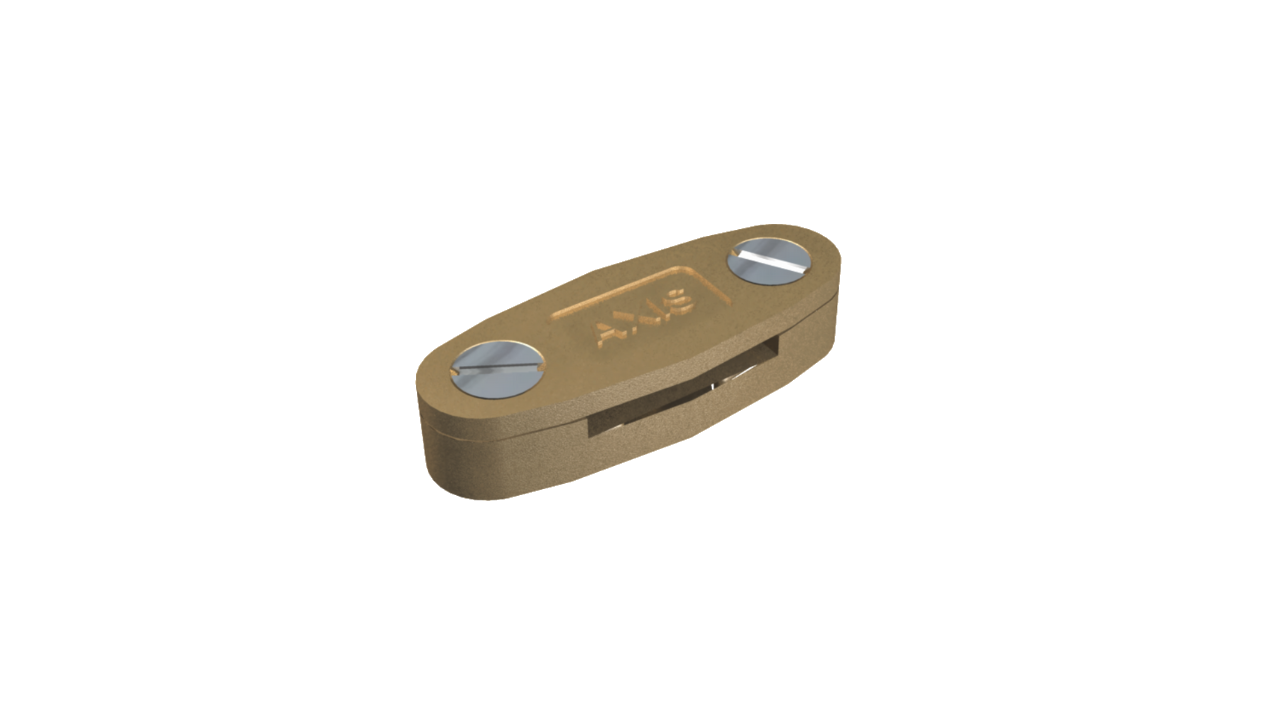
D.C Tape Clip
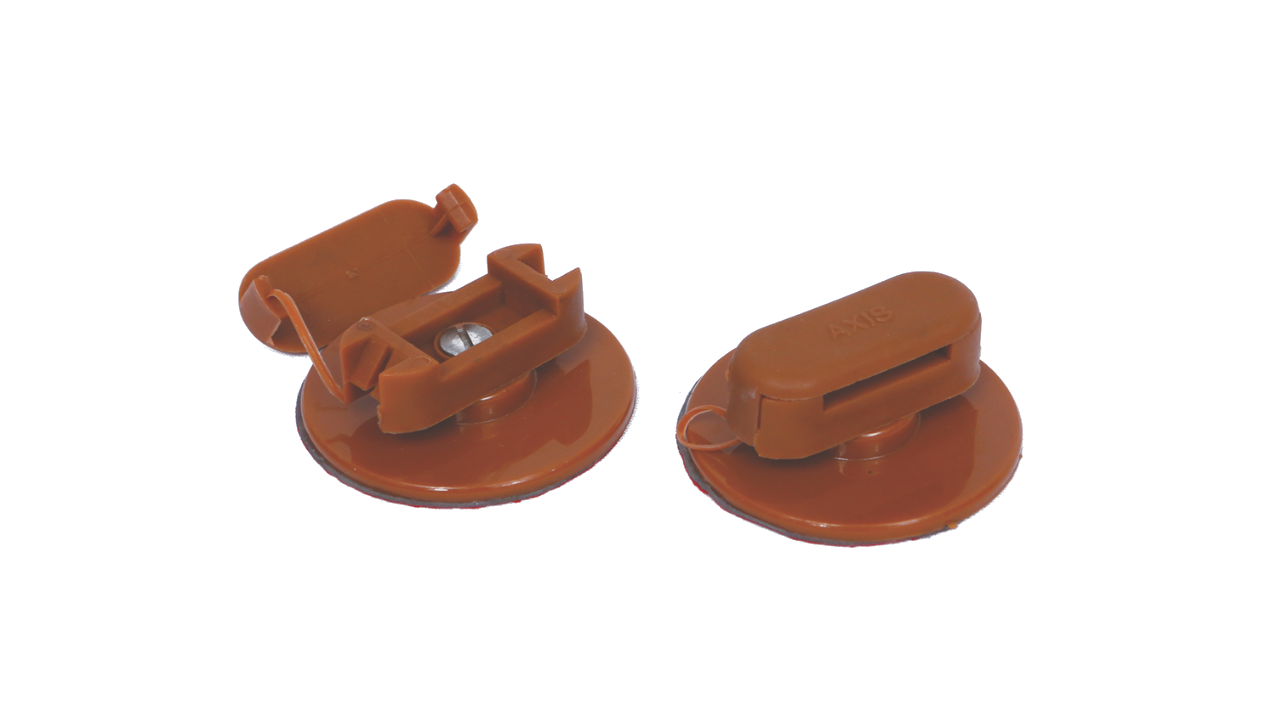
Glue Down Plastic Dc Tape Clip
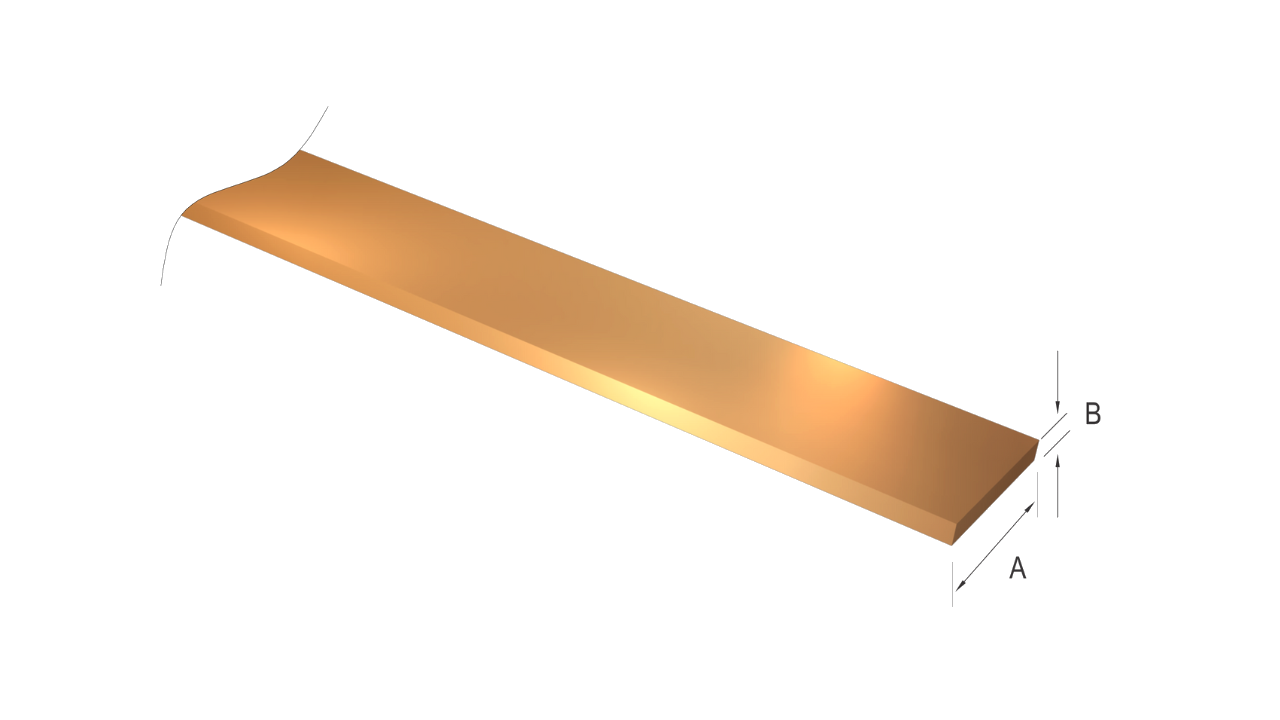
Hard Drawn Copper Bar
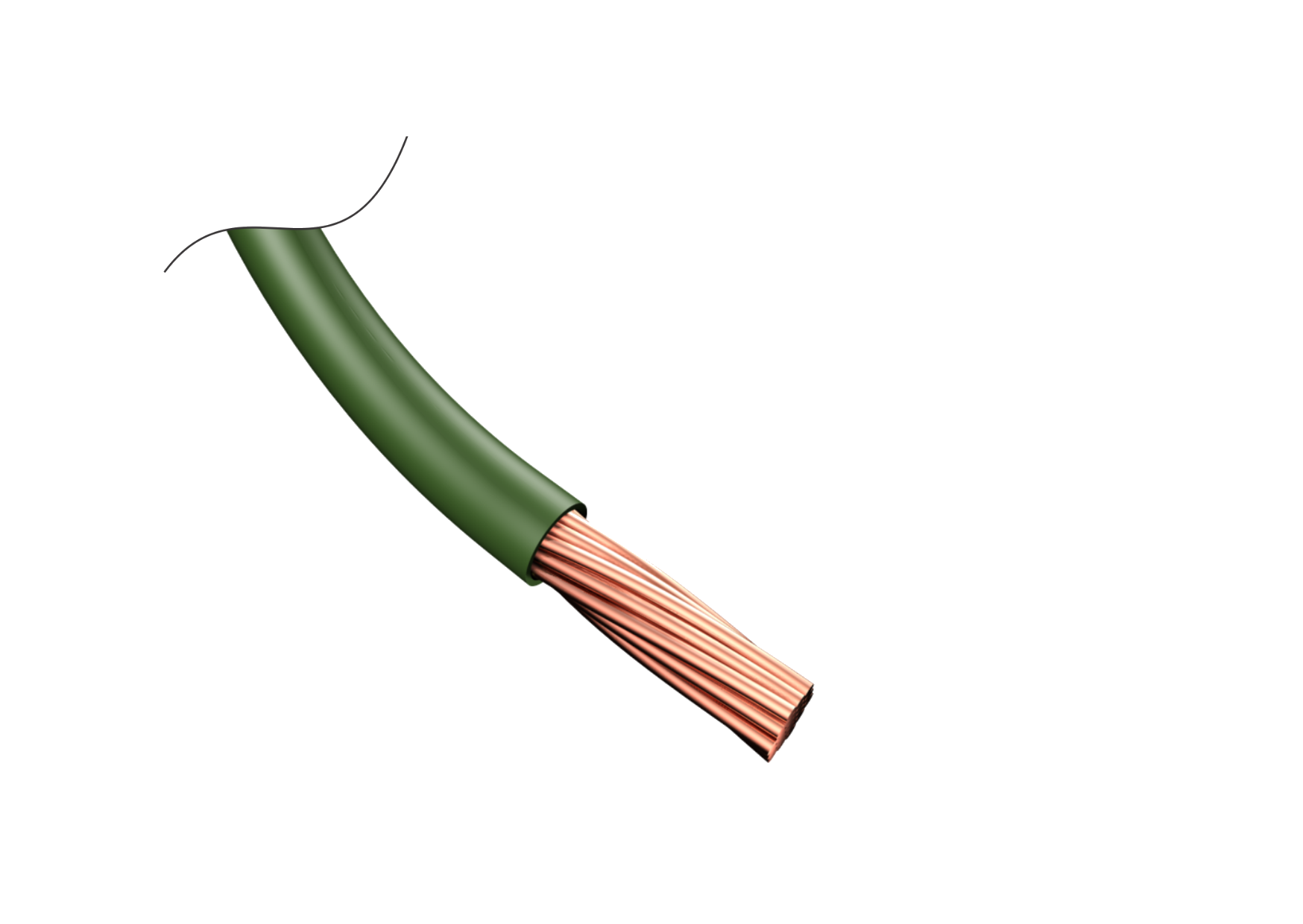
Insulated Copper Conductors
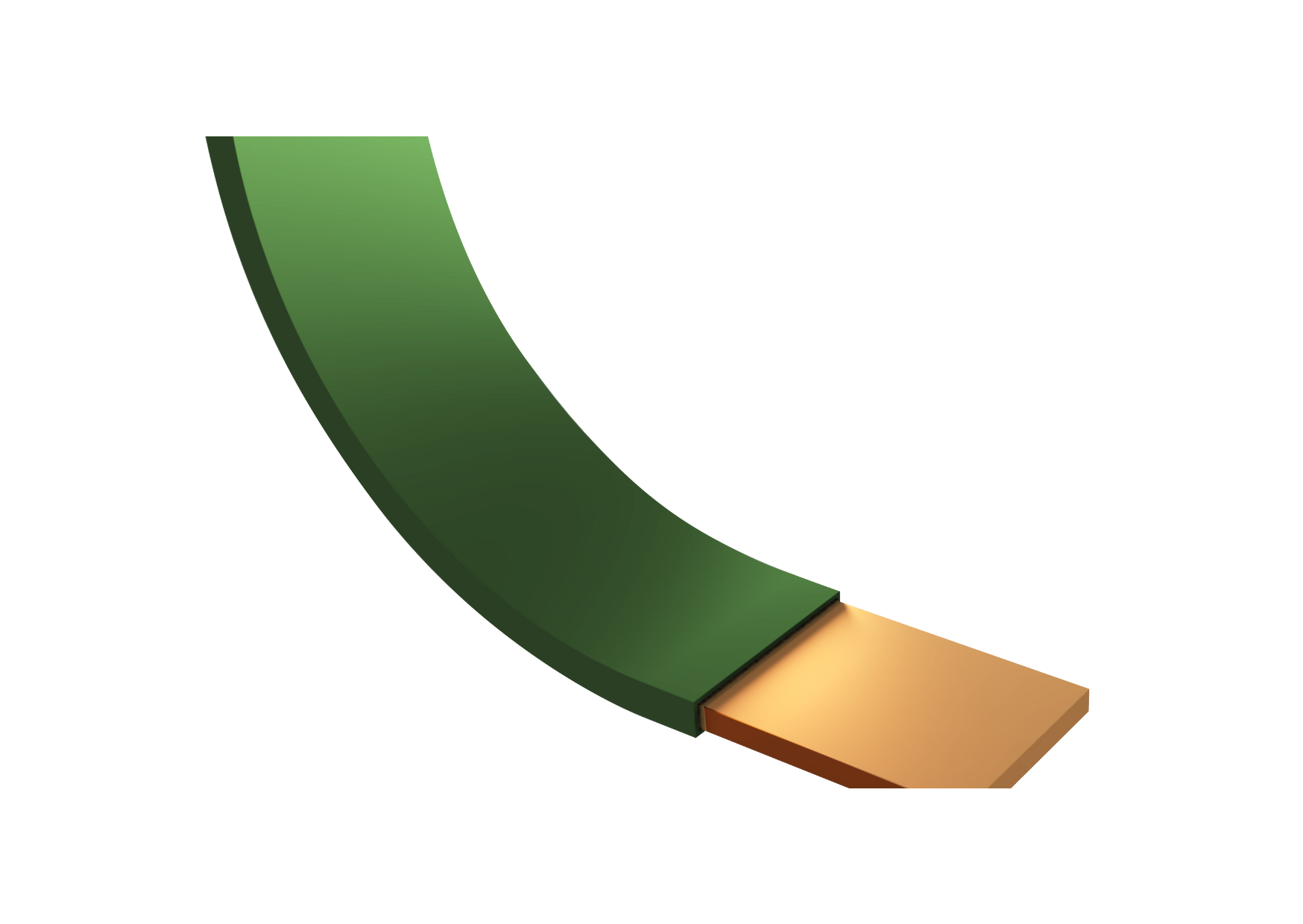
Insulated Copper Tape
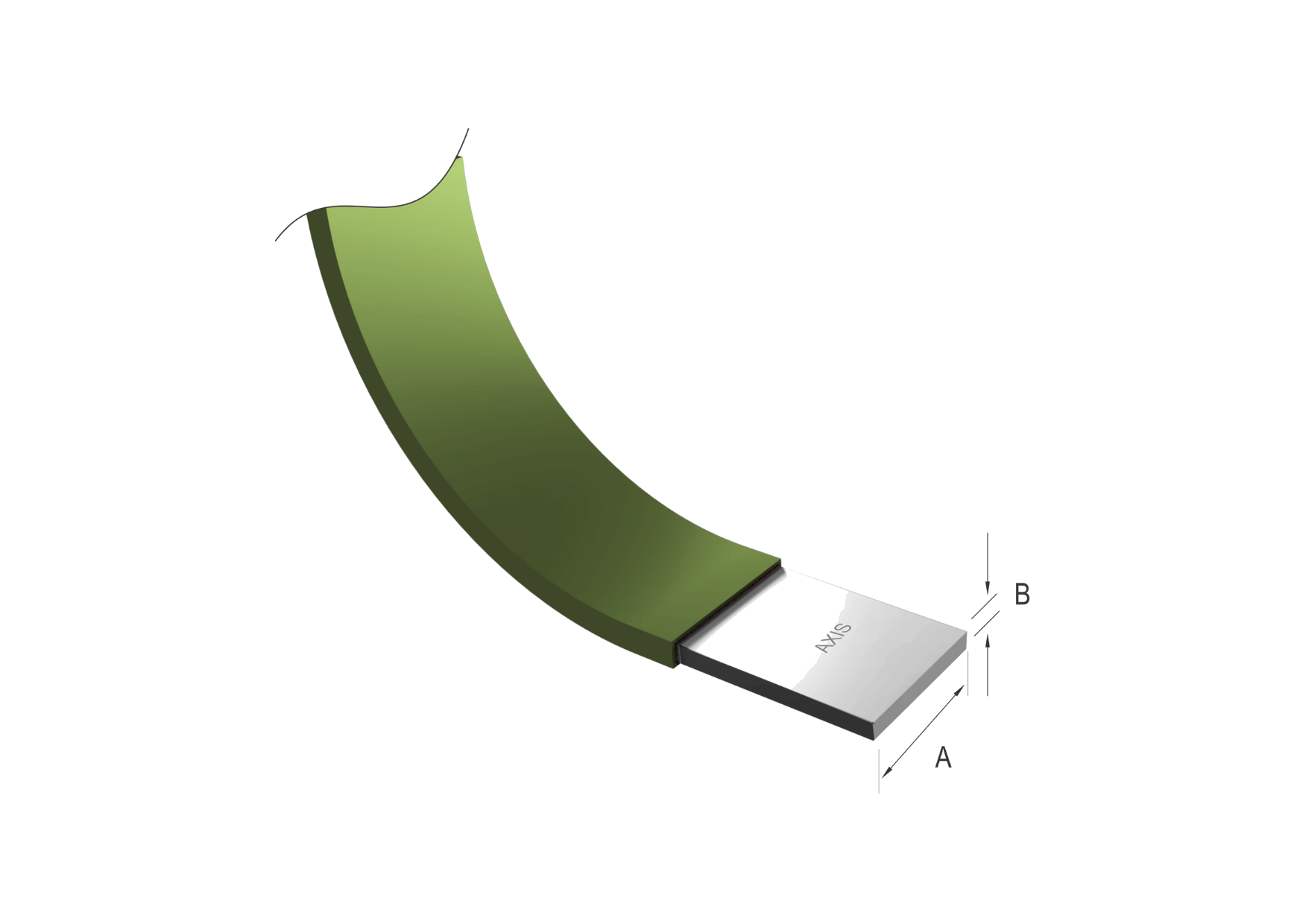
PVC Covered Aluminium Tape
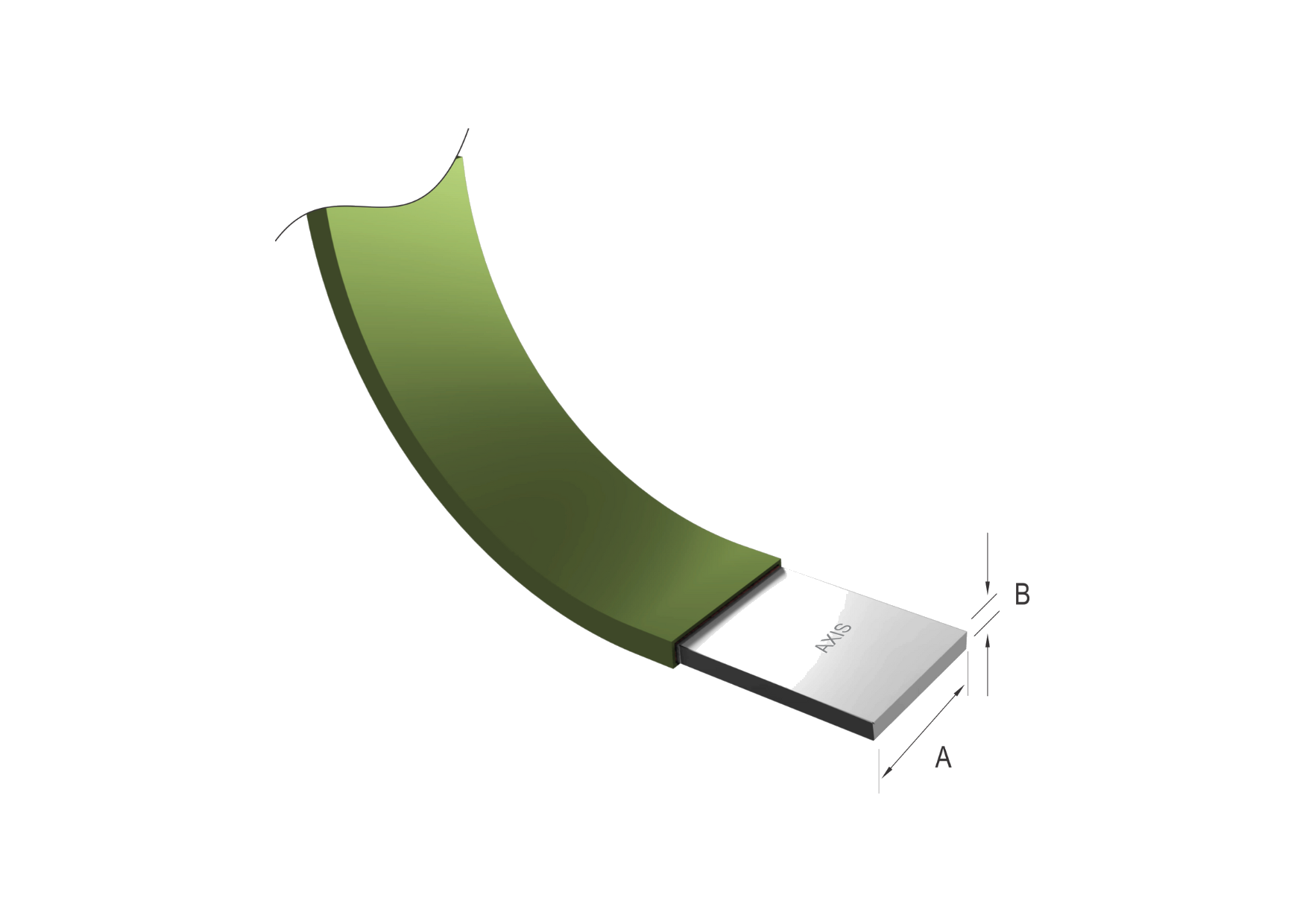
PVC Covered Tinned Copper Tape
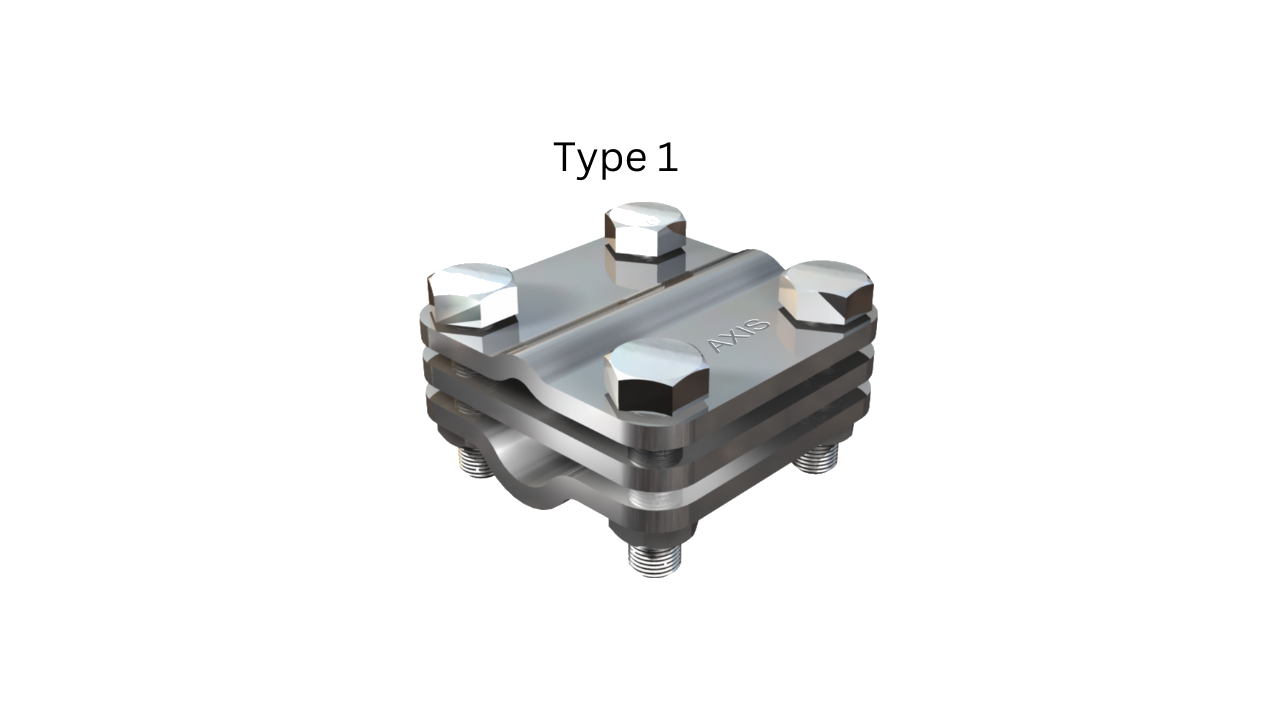
Rod To Conductor Clamps
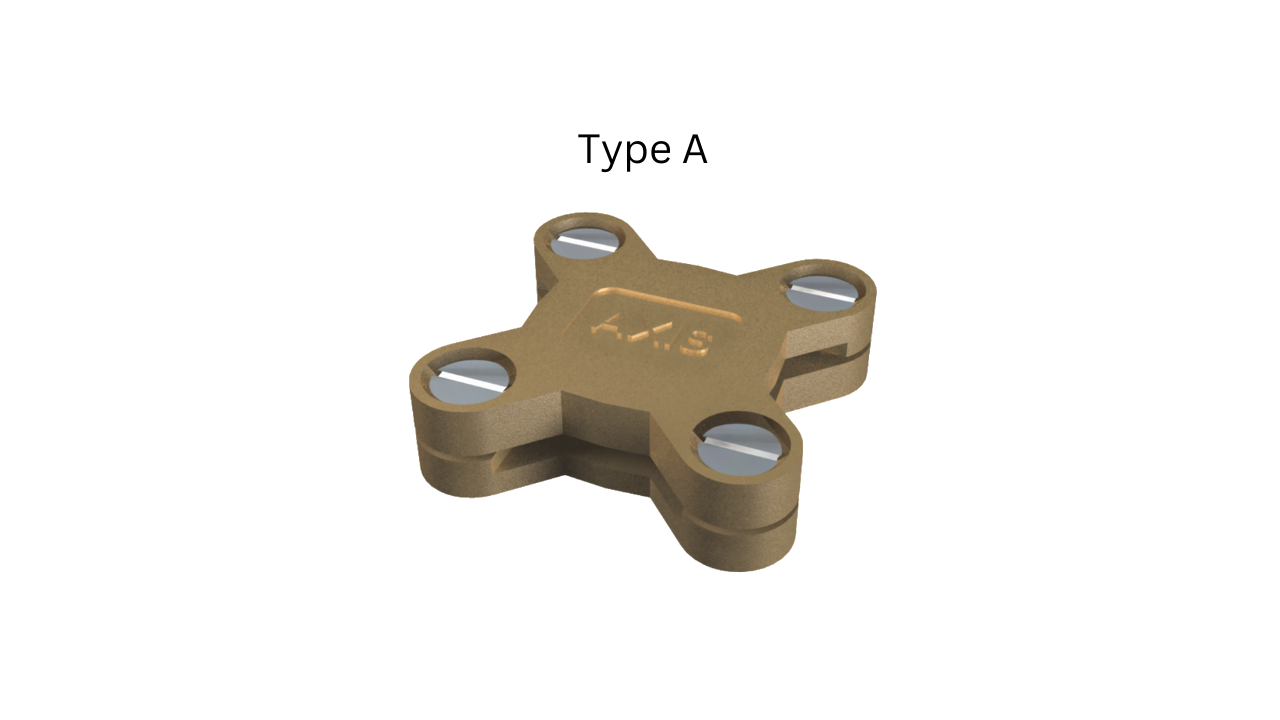
Square Tape Clamp
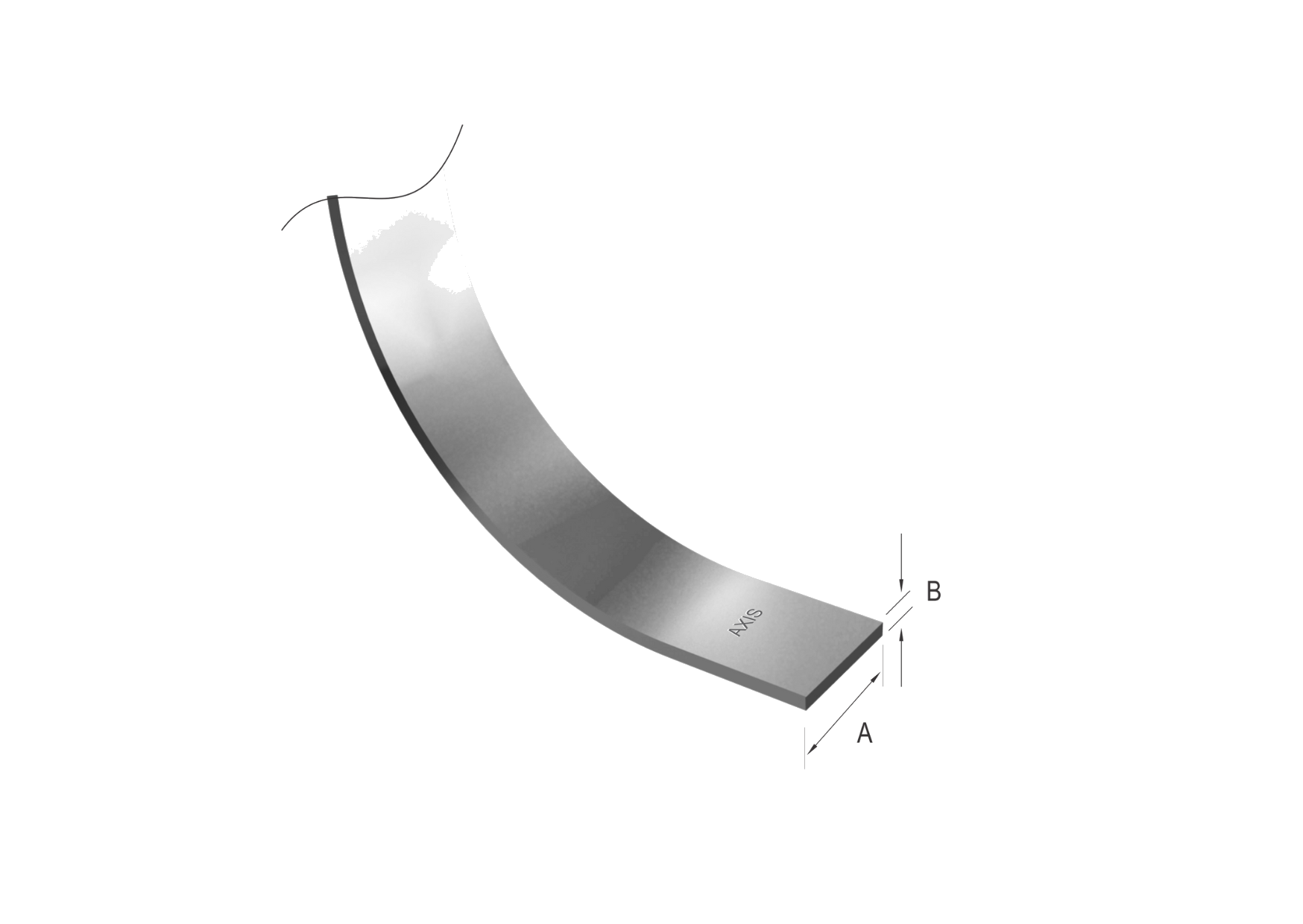
Tinned Copper Tape
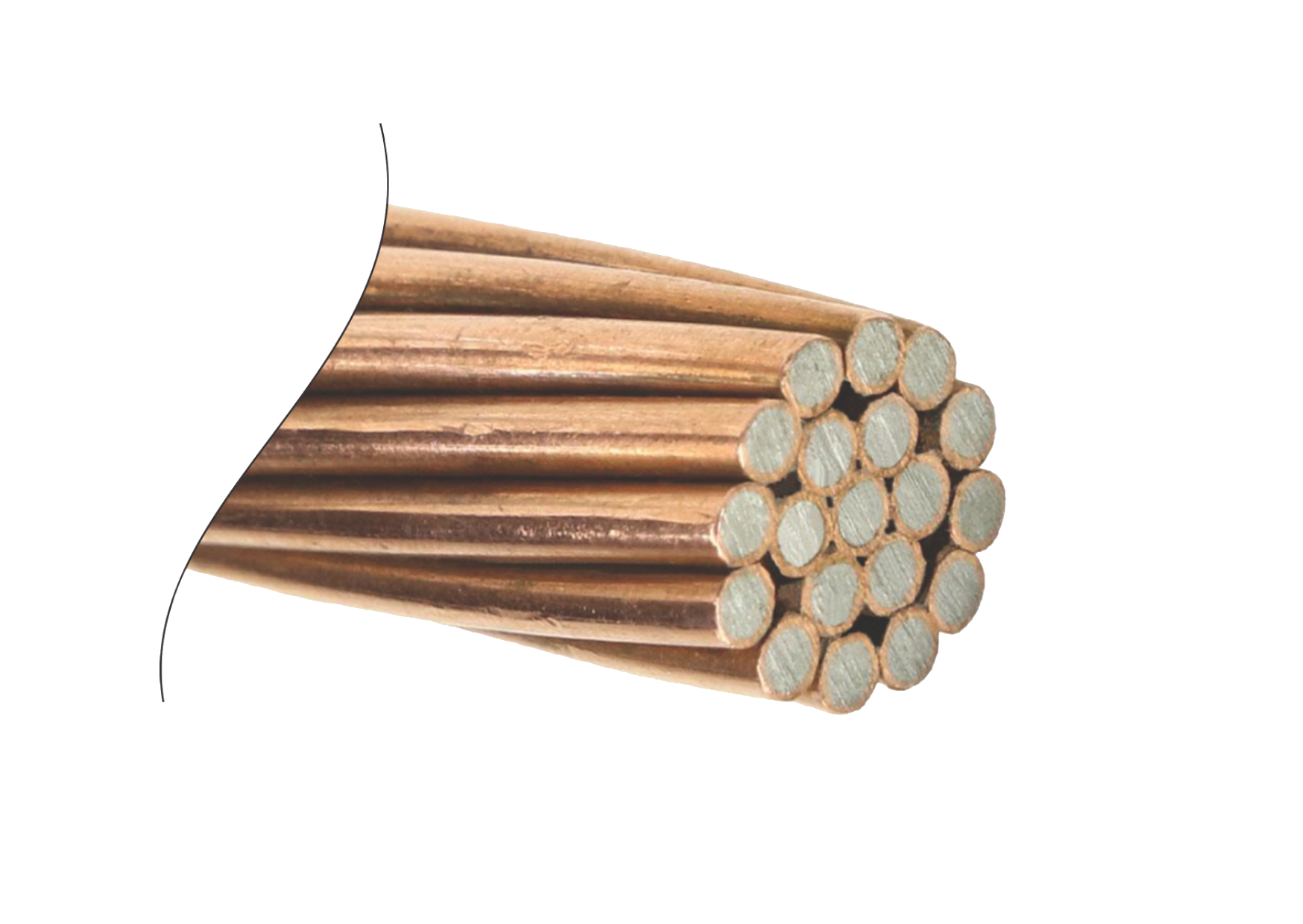
Copper Clad Steel Stranded Conductor
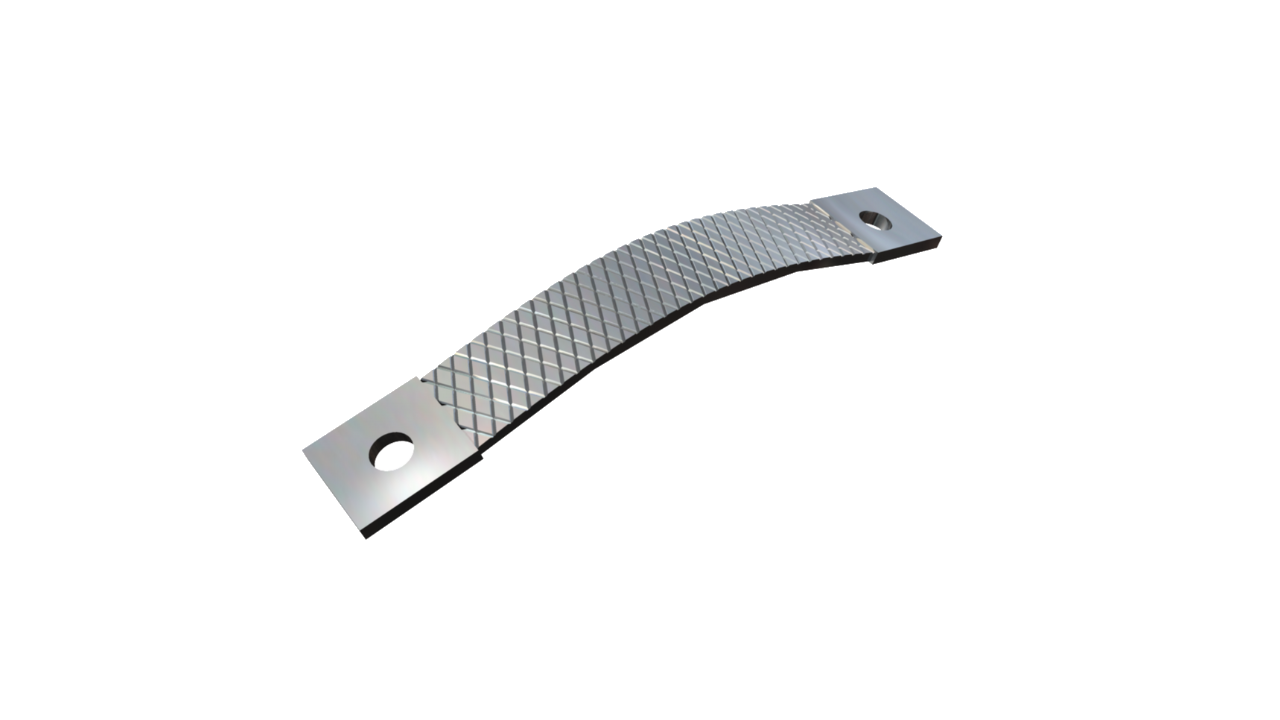
Flexible Connectors
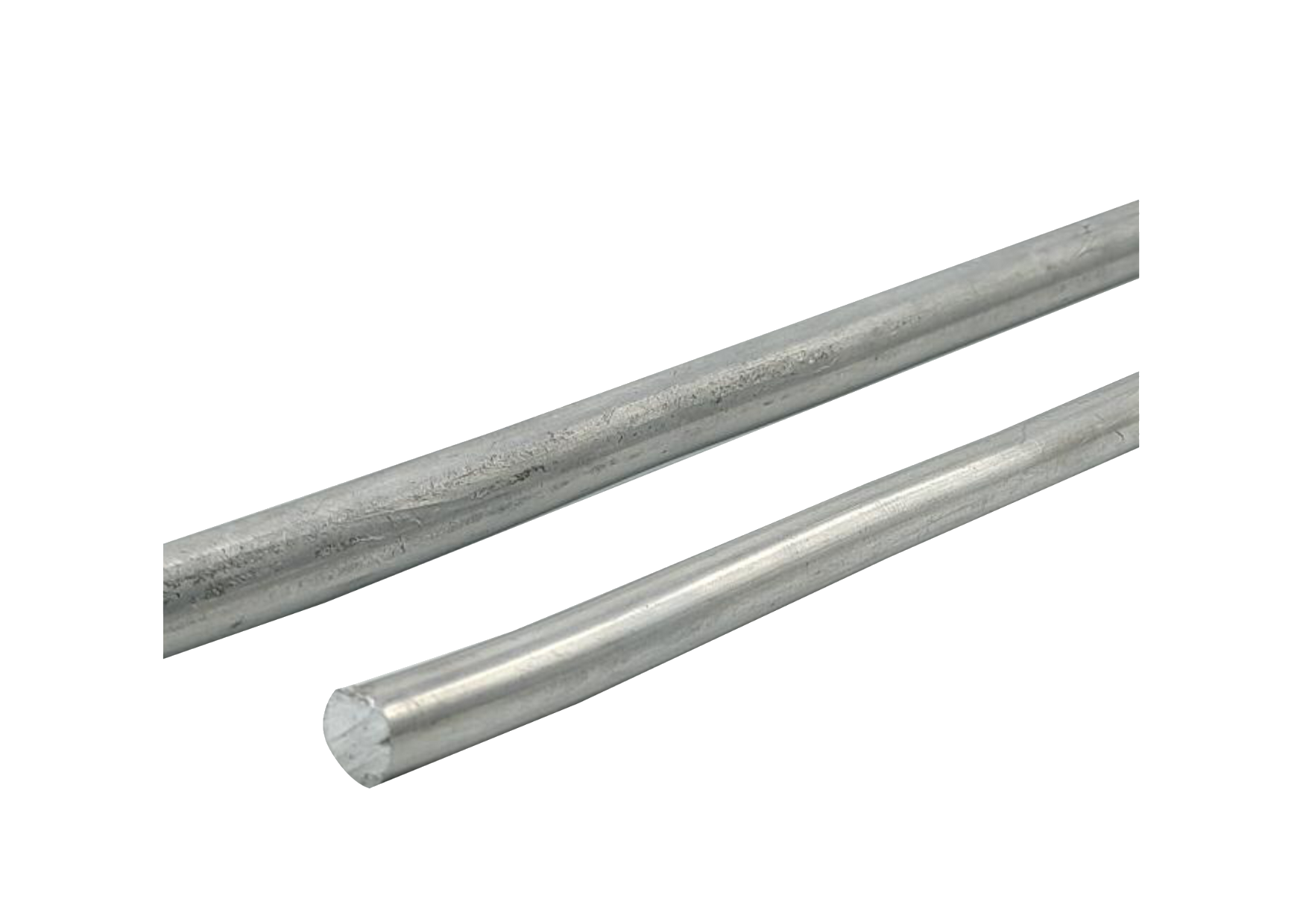
Aluminium Round Conductors
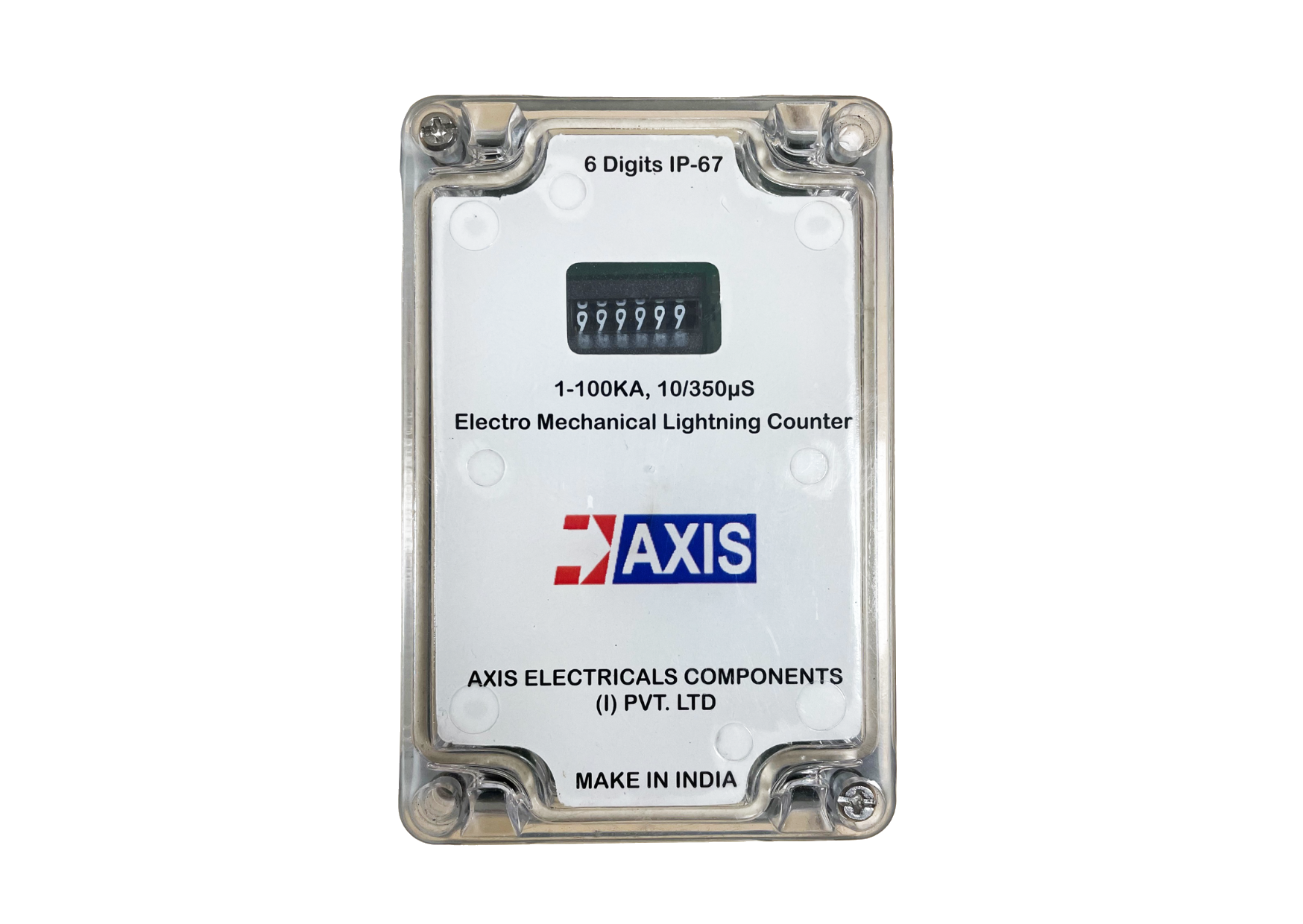
Analog Lightning Strike Counter
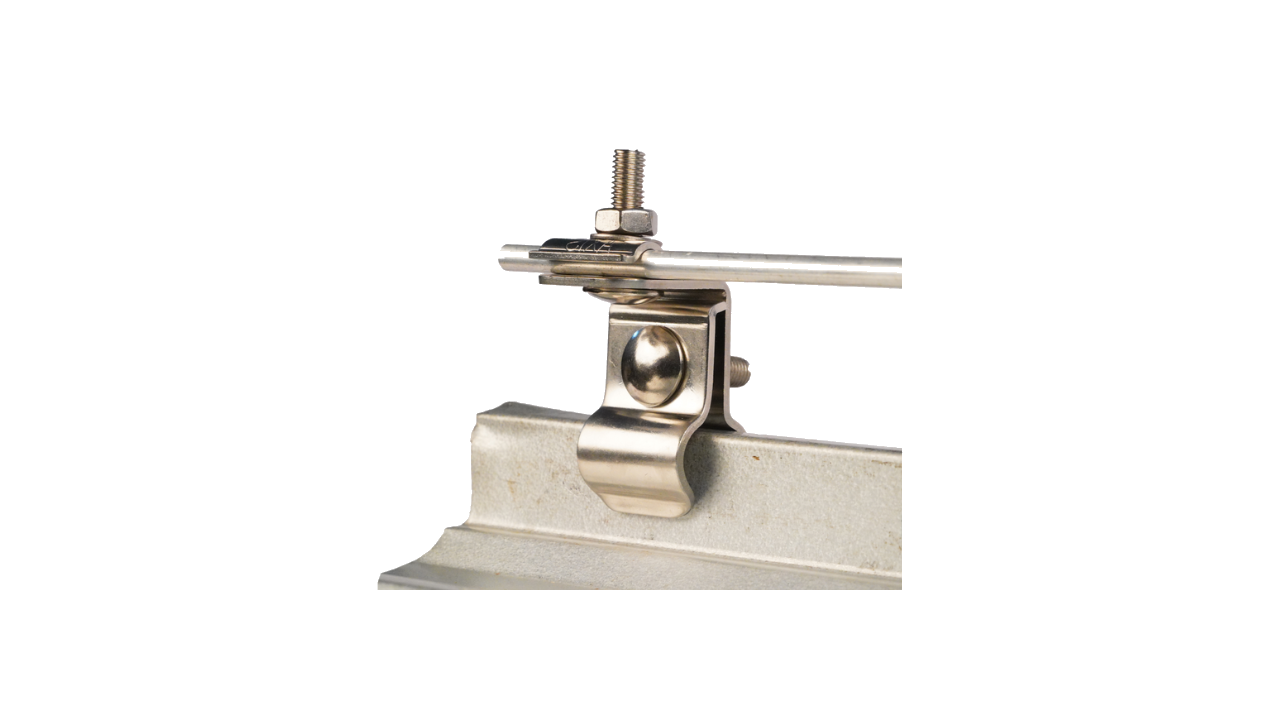
Conductor Clamp for Seam Roof
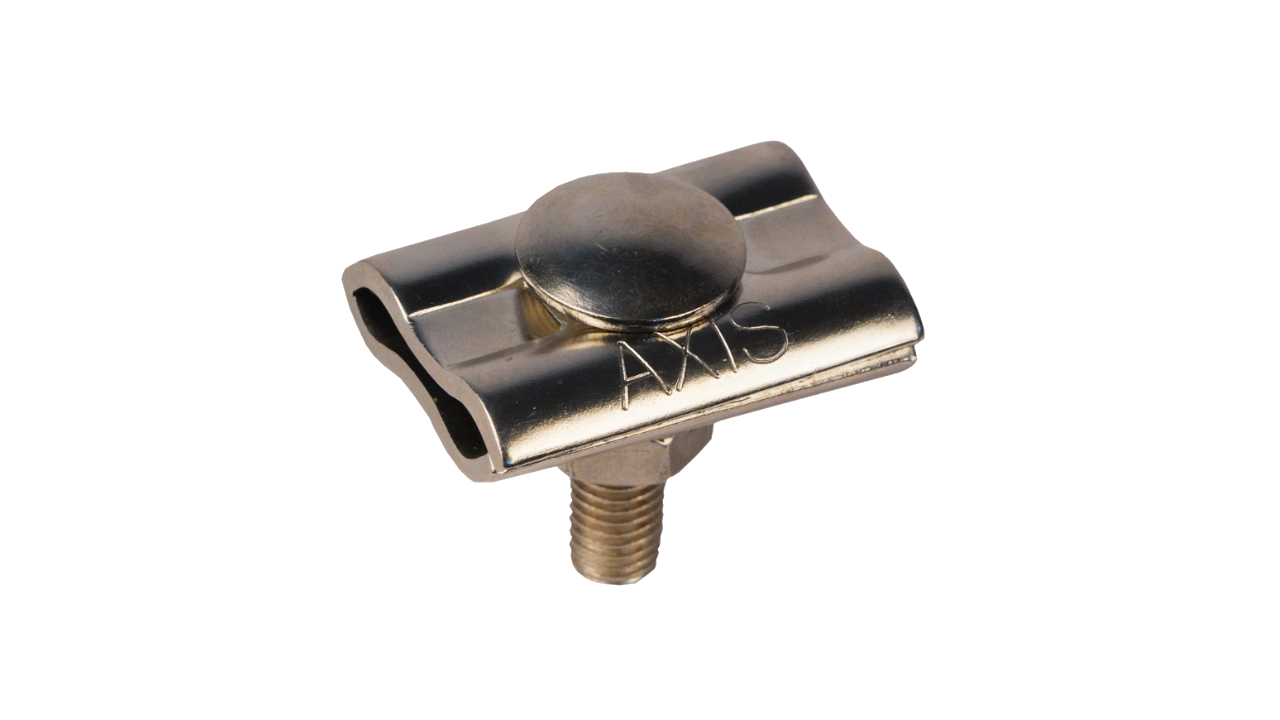
Conductor Connectors
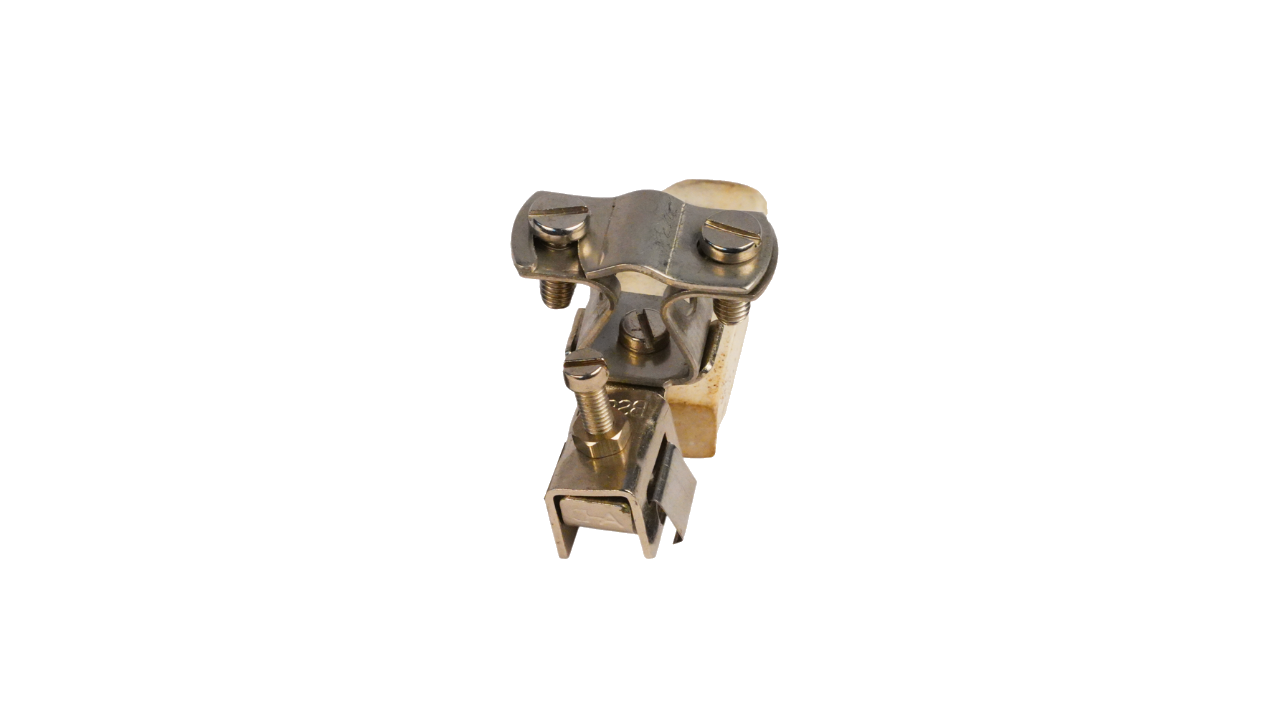
Conductor Holder Clamp for Round Column/Handrail
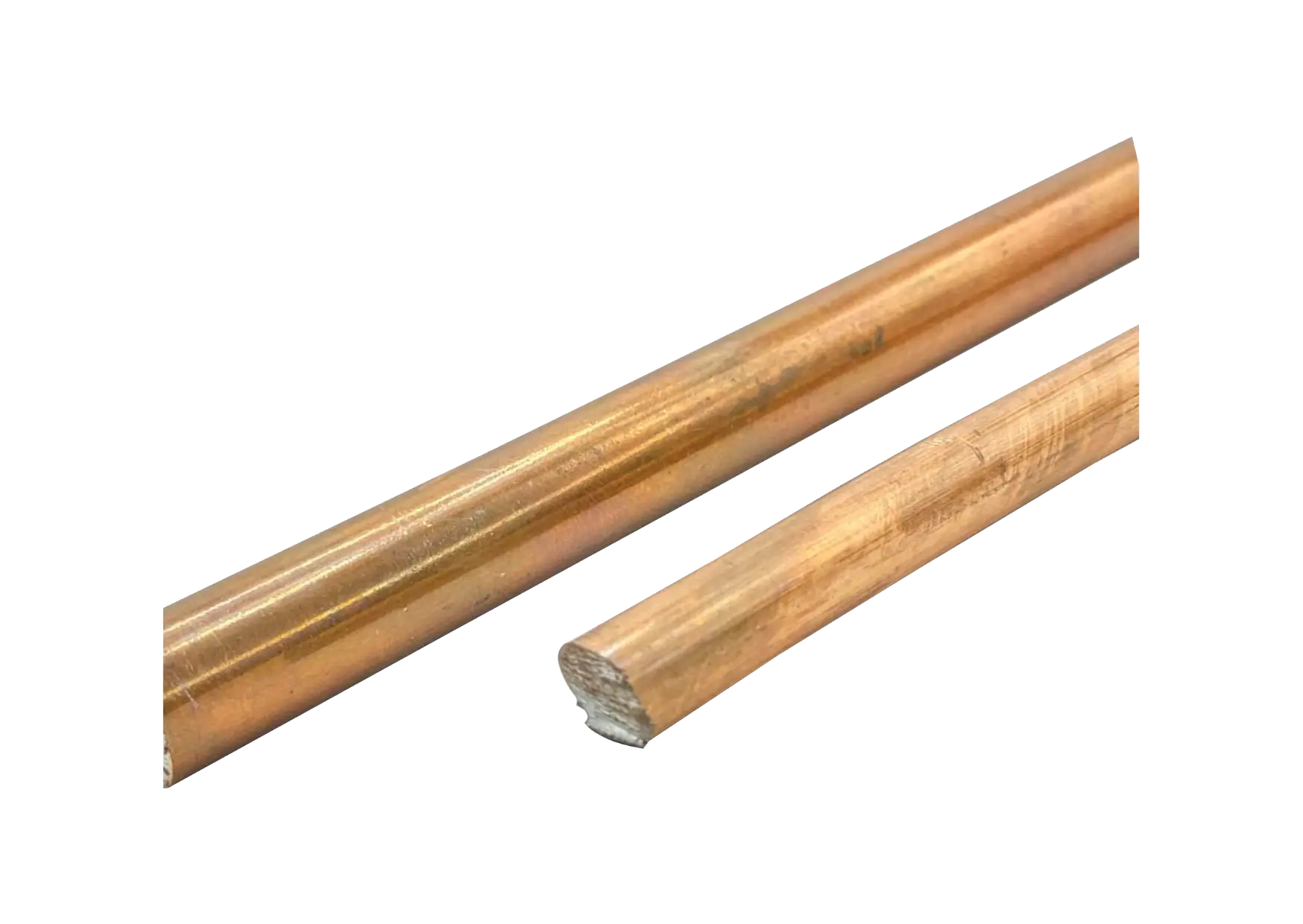
Copper Clad Steel Round Conductors
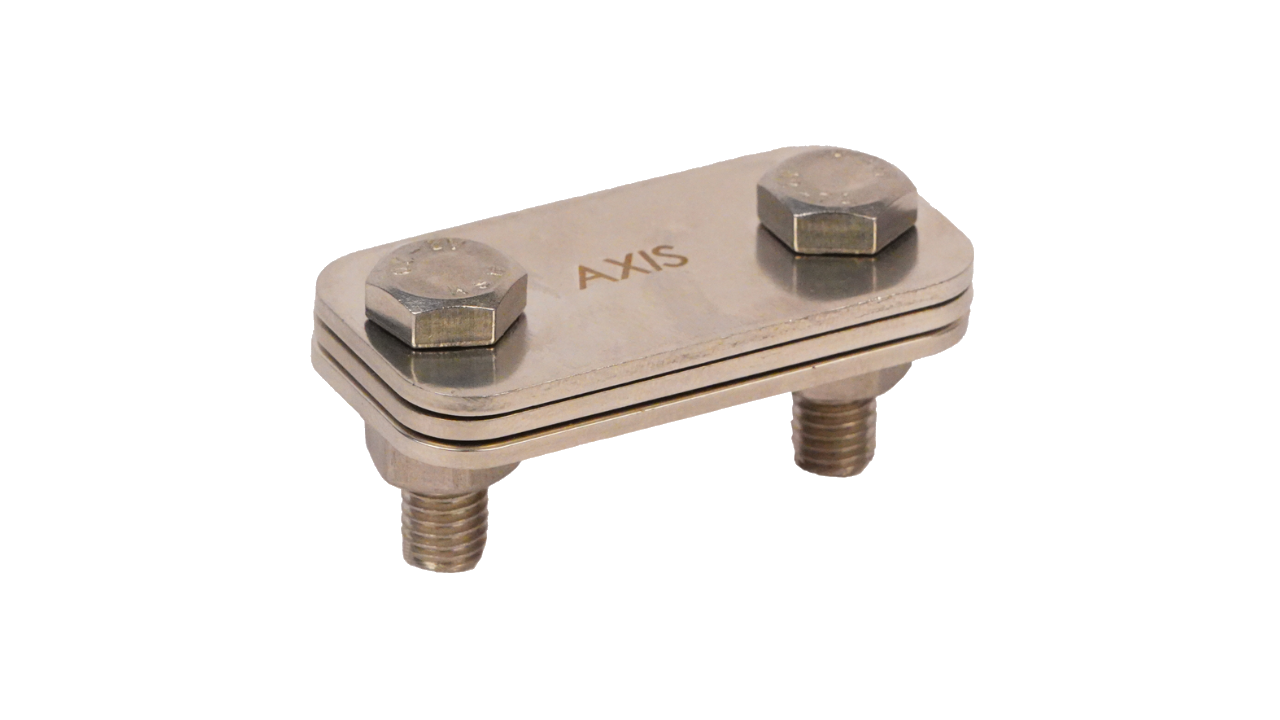
Disconnecting Link
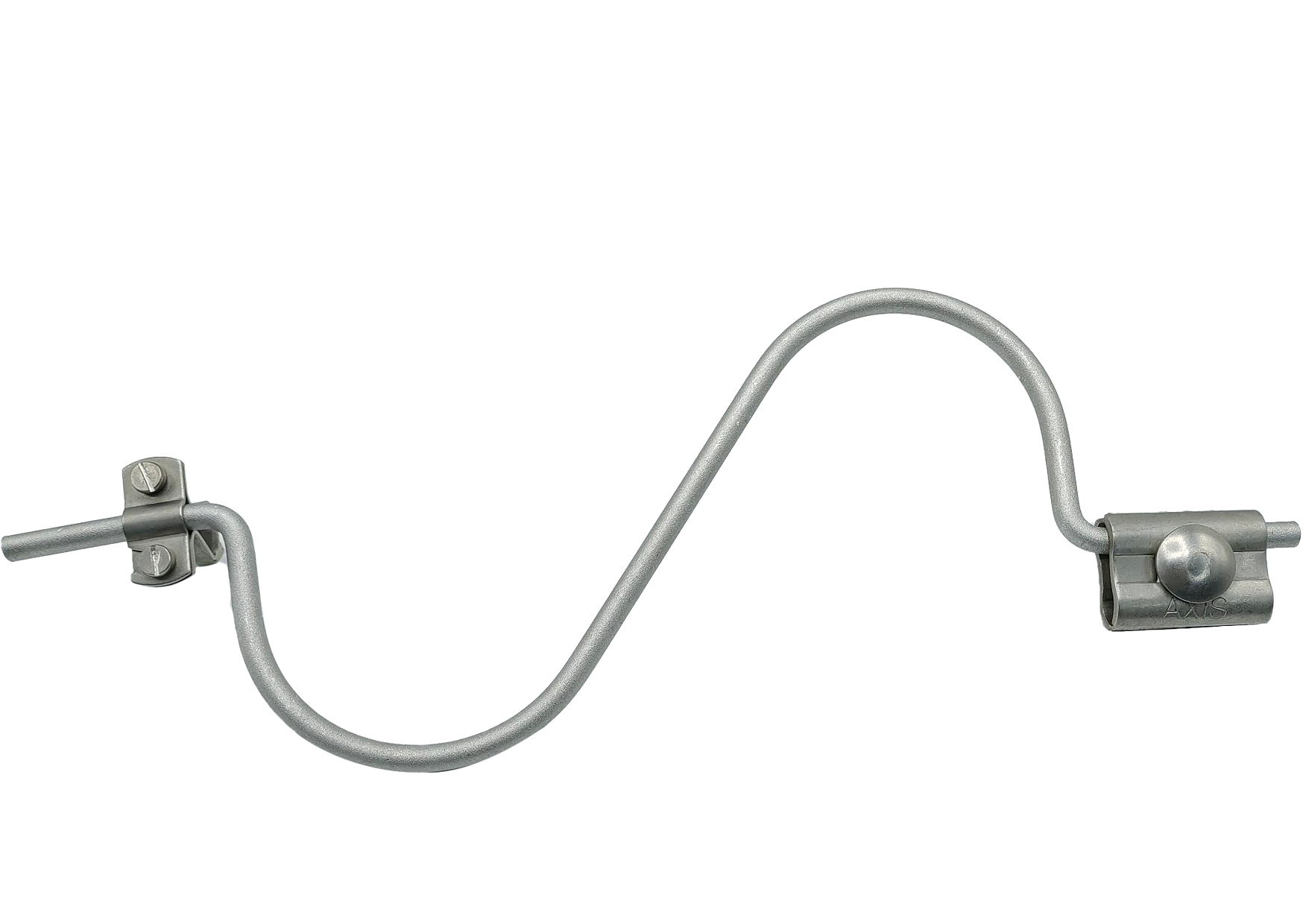
Expansion Piece
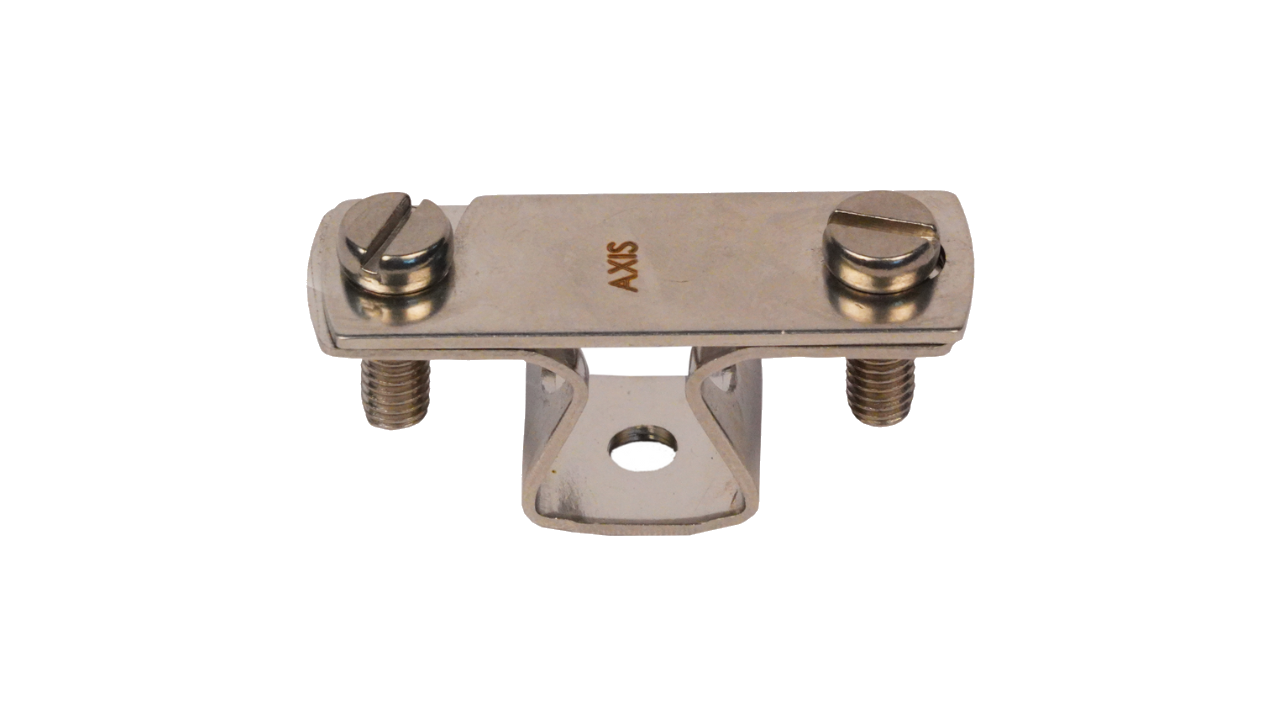
Flat Conductor Holders
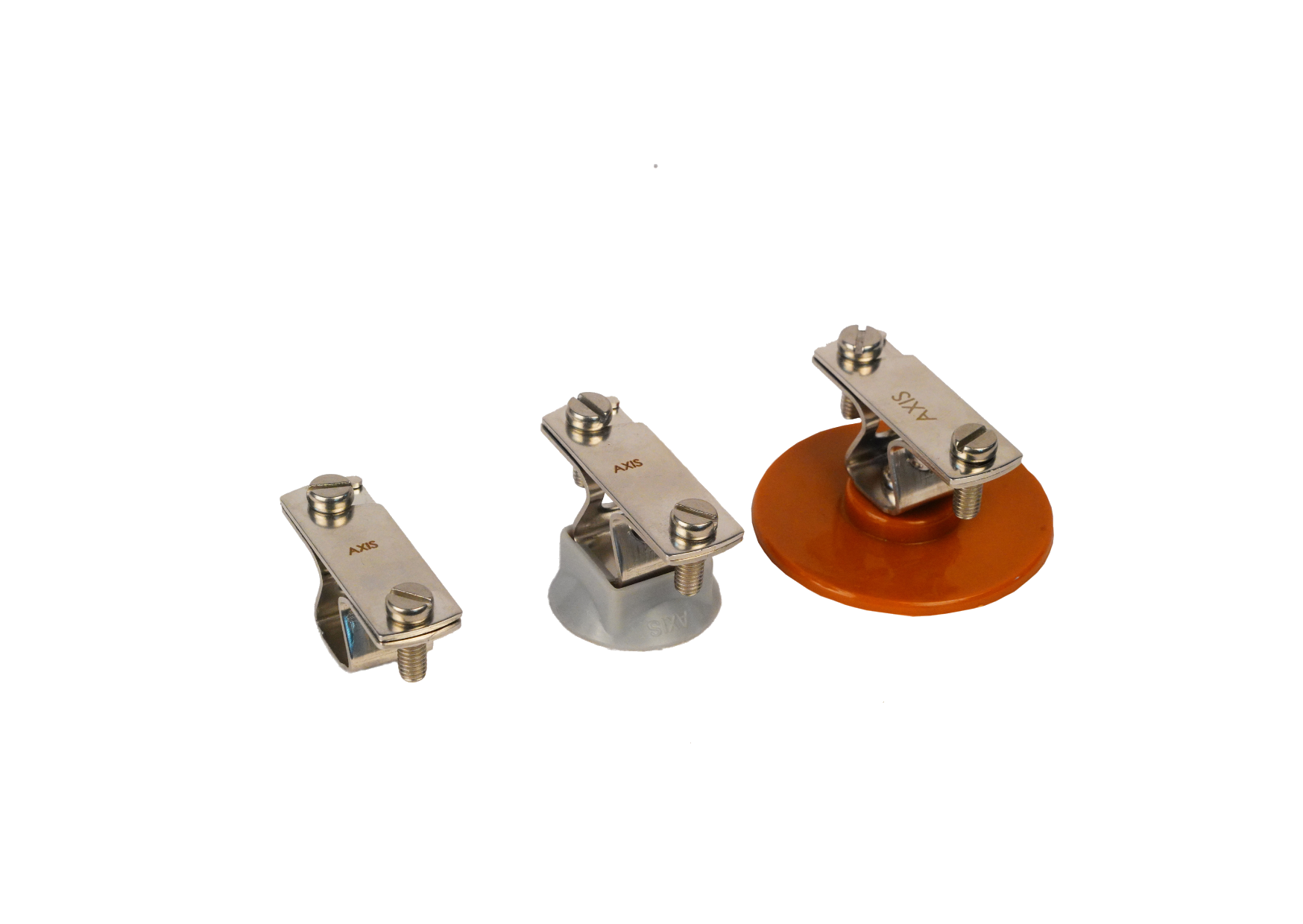
Flat Tape – Screwing
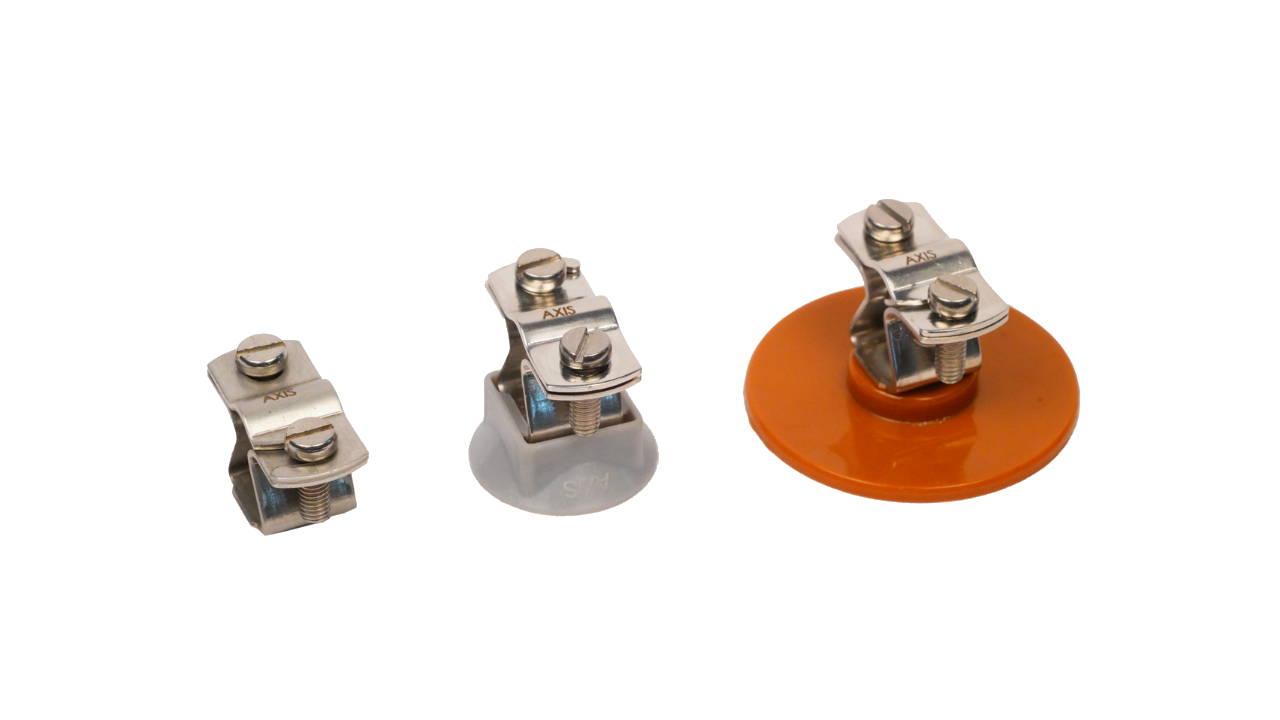
Hold Round Conductors with Mounting
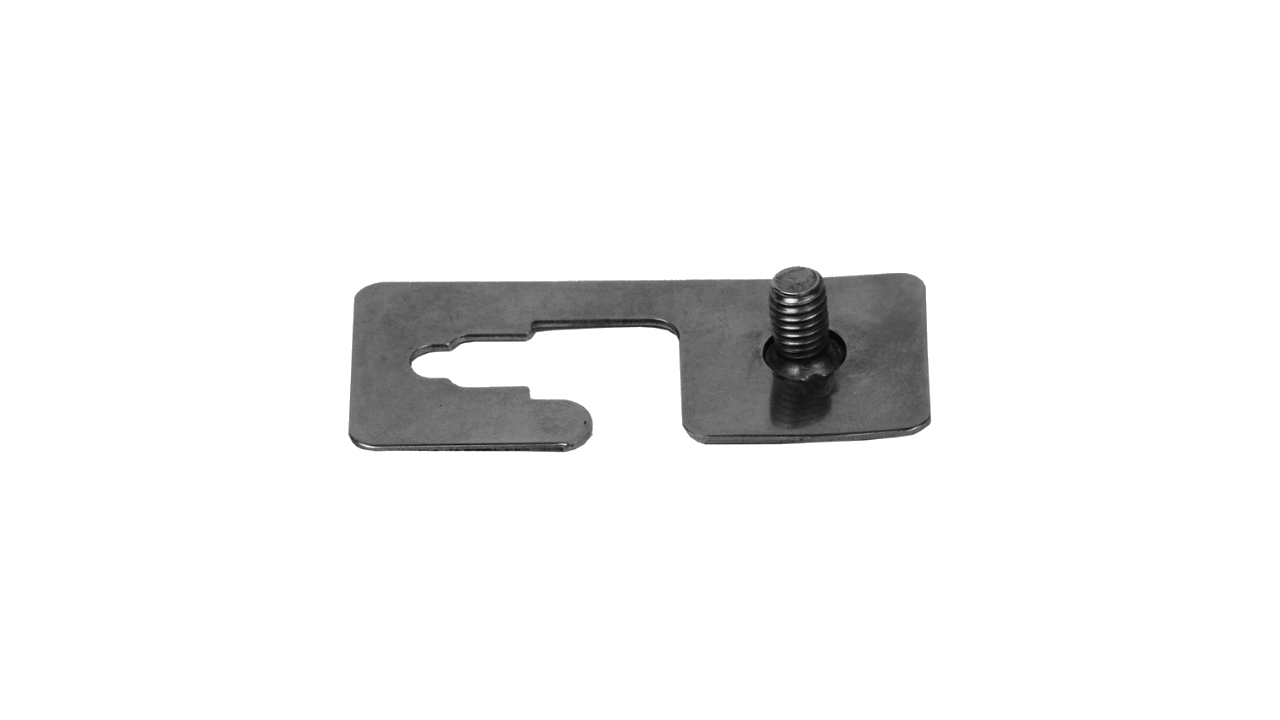
Industrial Roofs Conductor
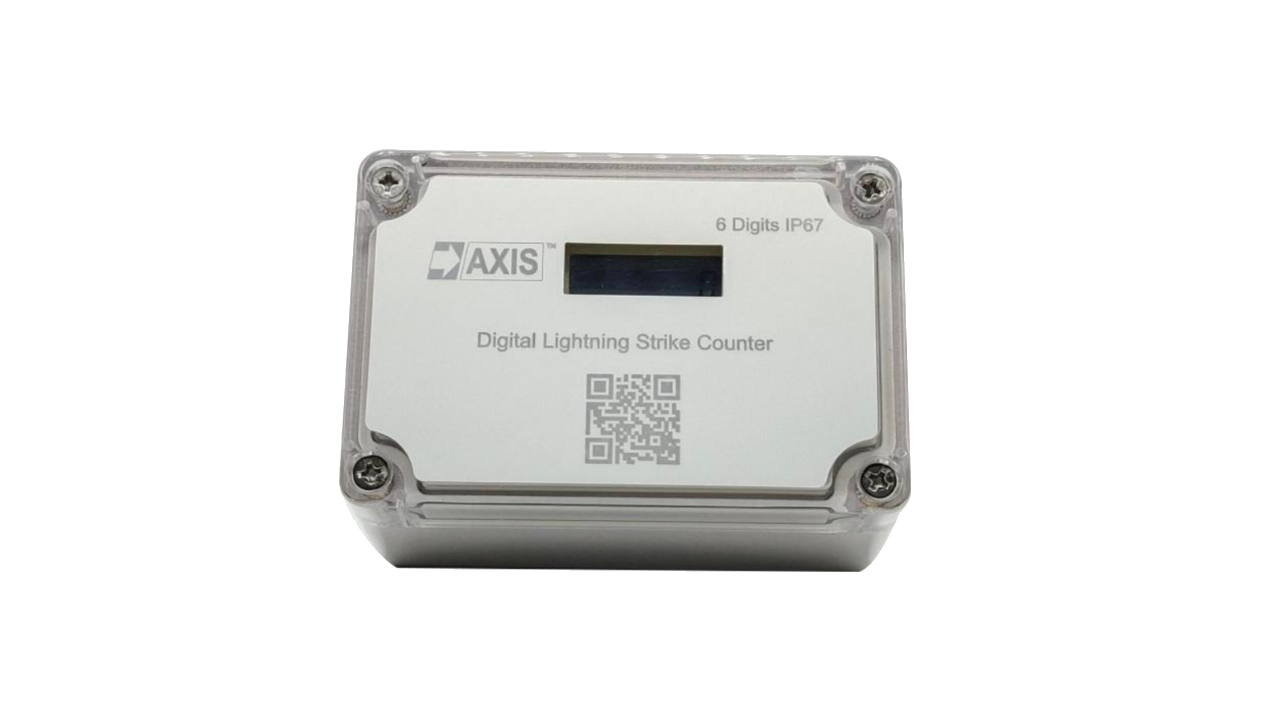
Lightning Strike Counter
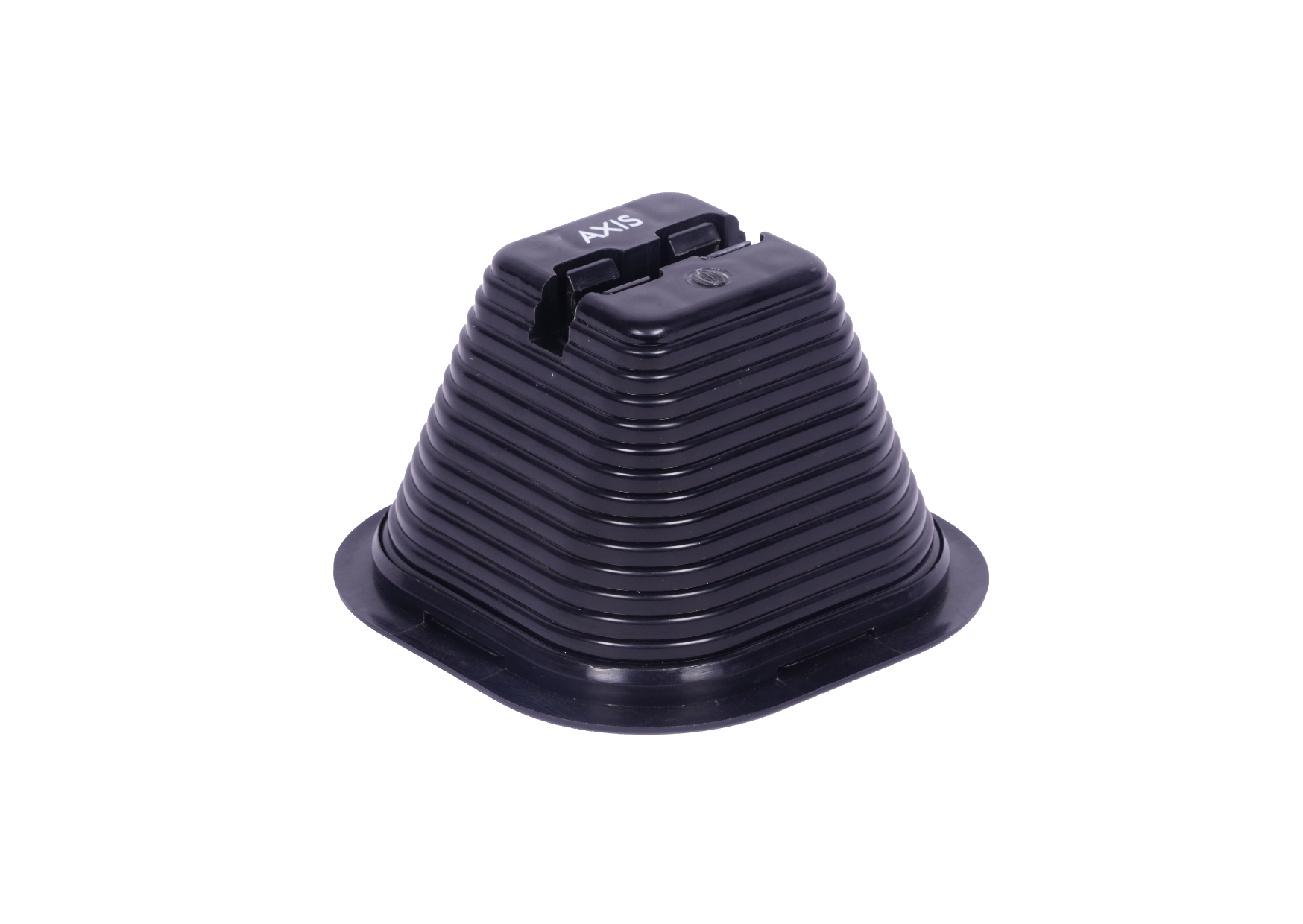
Round Conductor Holders
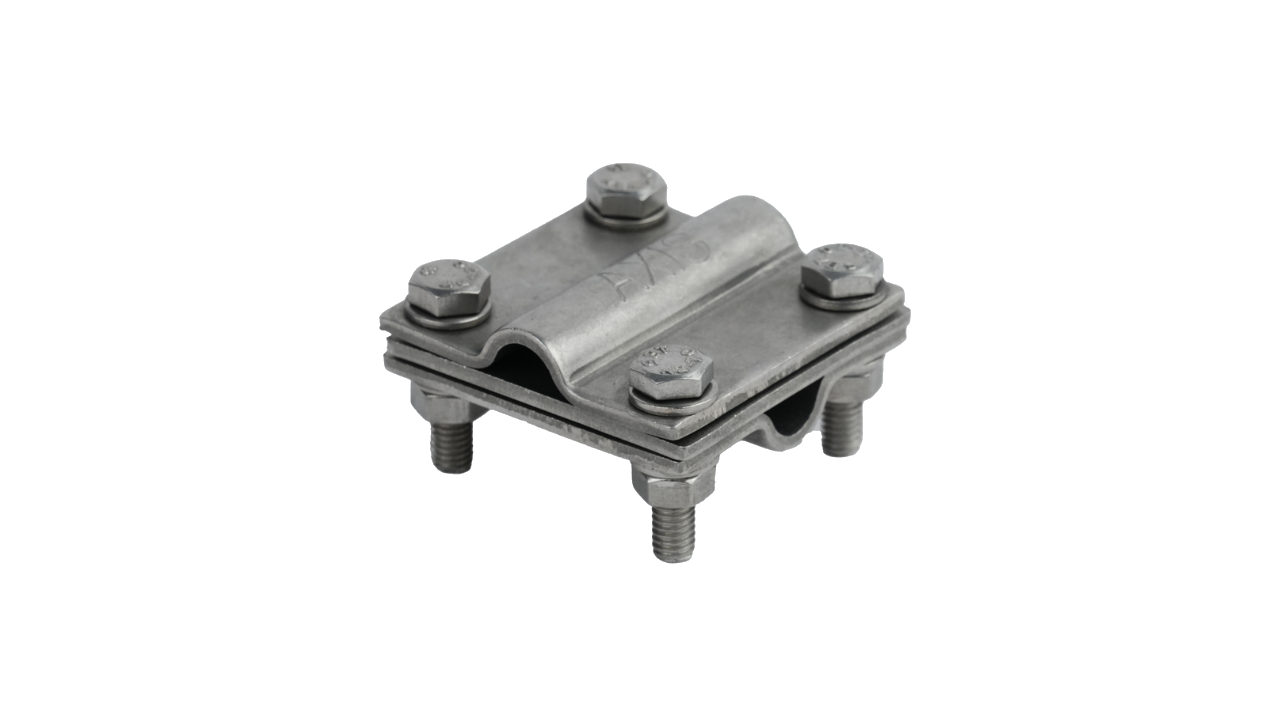
Round/Flat Conductor Connector
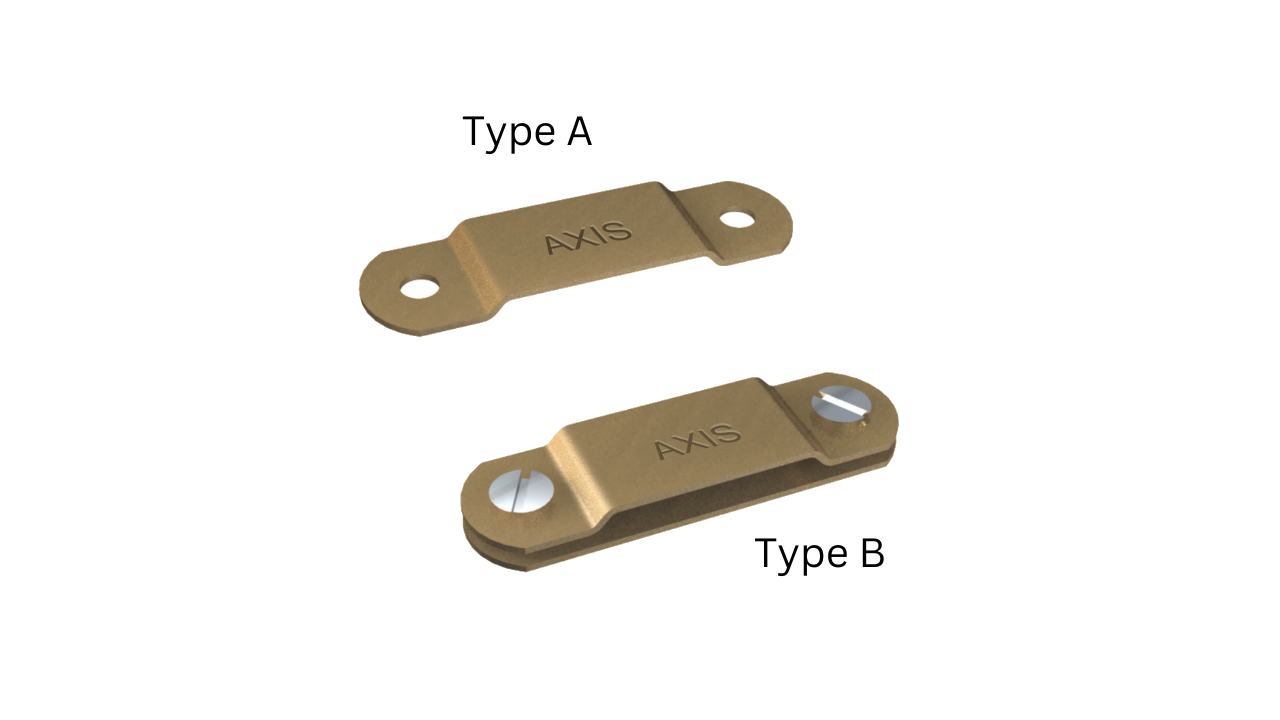
Tape Clip With & Without Base
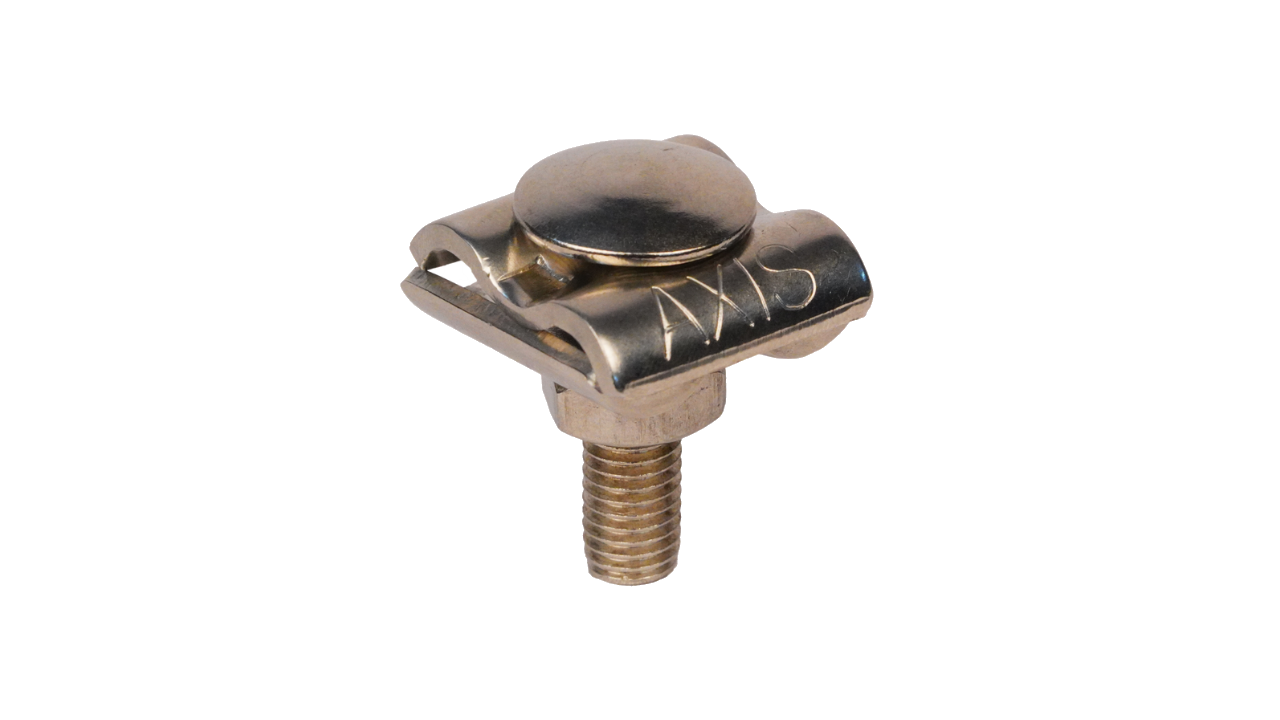
Universal Round Conductor
Learn From Our Engineers
Technical Guides
and Resources
video
How to select Down Conductors for Lightning Protection System?
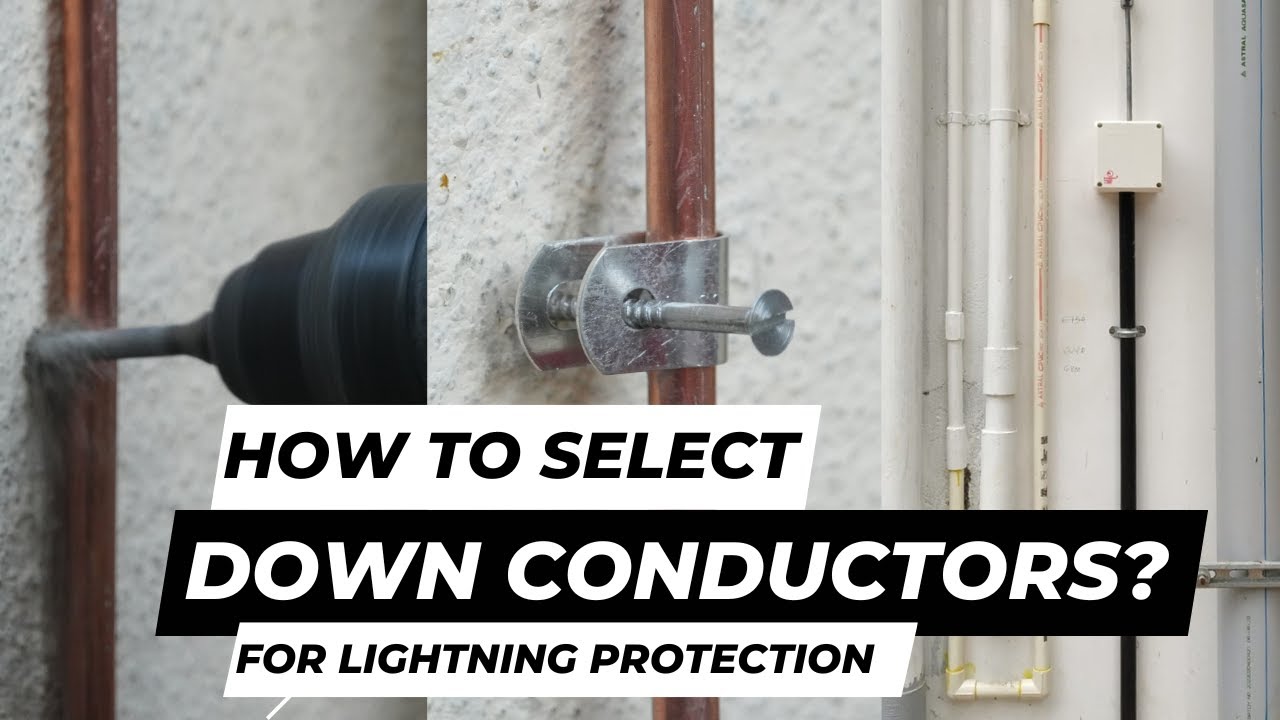
video
Pure Copper Conductor VS Copper Clad Steel - Watch before buying! 📌
video
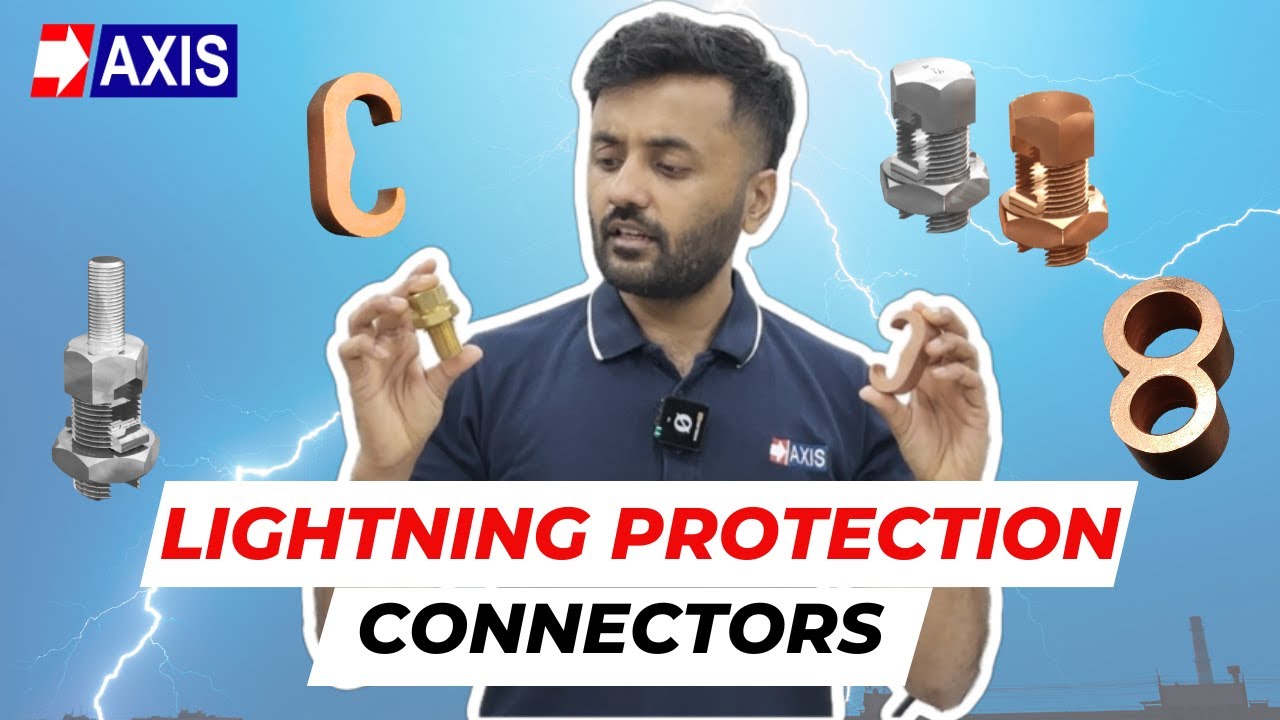
Lightning Protection Connectors - You should know about!
video
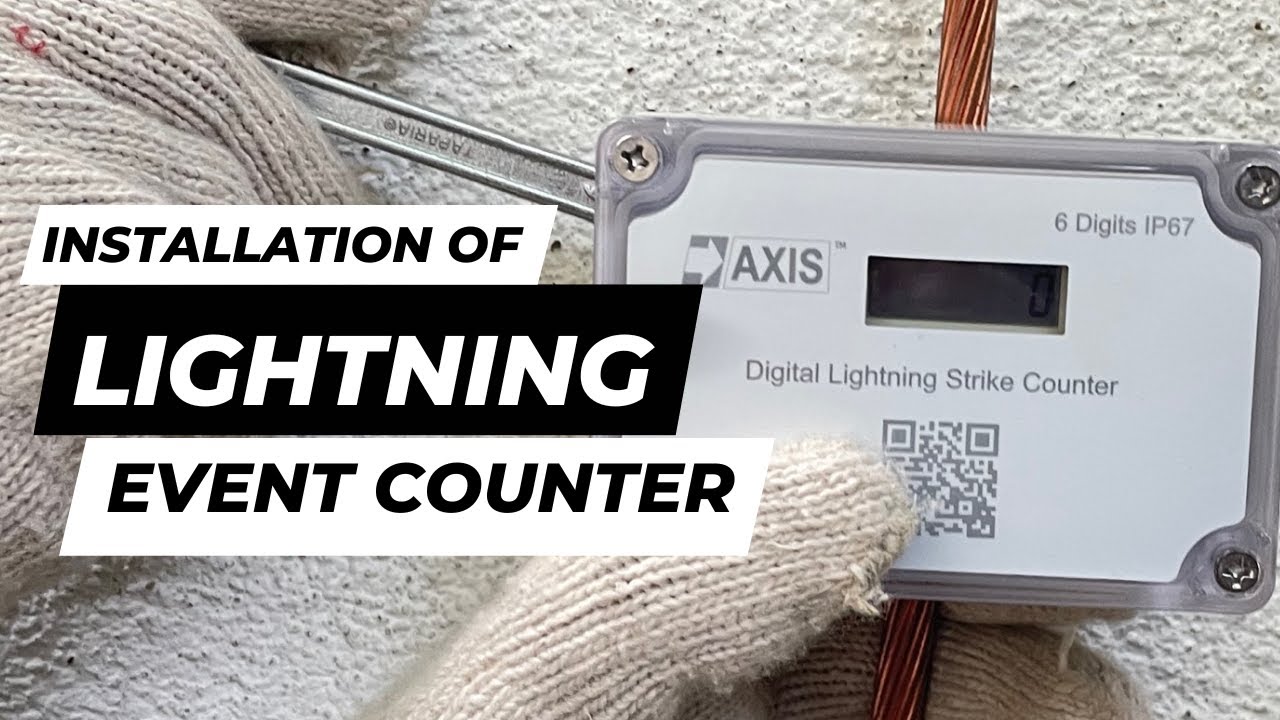
Lightning Strike Counter Installation Procedure
FAQS
Frequently Asked Questions
Find quick answers to common questions about our programs, admissions, eligibility, and application process to help you move forward with confidence.
Set by the protection level in IEC 62305, which fixes the spacing between conductors around the perimeter: 10 m for Level I, 10 m for Level II, 15 m for Level III, and 20 m for Level IV. Divide the perimeter by that figure. An NFC 17-102 ESE installation needs at least two down conductors once the structure exceeds 28 m in height.
Copper for anything entering the ground, in damp locations, and in coastal or industrial air. Aluminium for above ground runs where weight and cost matter, but never in contact with soil, mortar, or plaster, because it corrodes rapidly in both. Where the run changes from aluminium to copper, use a bimetallic connection above ground and keep it accessible.
Lightning current is a fast rising impulse, and inductance rather than resistance controls the voltage along the run. A sharp bend raises inductance and can cause the current to flash across the corner instead of following the conductor. Keep bends gradual, with a bending radius of at least 20 cm, and take the shortest, straightest route to earth.
The minimum air gap between the down conductor and nearby metalwork, pipes, cable trays, and building services, calculated per IEC 62305-3. Below that gap, the lightning current can jump across and enter the building services. Where you cannot achieve the distance, either bond the metalwork to the system or use insulated conductor.
Yes. Fit a disconnection joint about 1.5 to 2 m above ground on every down conductor, so continuity to the earth electrode can be measured individually. Without it, the annual inspection can only test the whole system in parallel and cannot find the one run that has failed.