
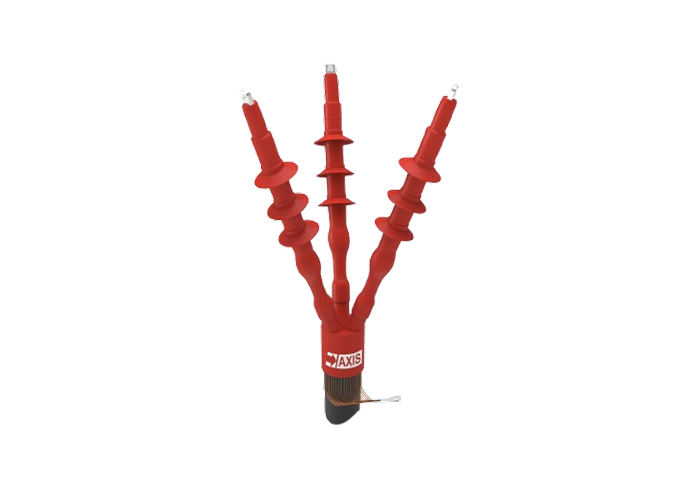

Approved by 80+ Utilities Worldwide

IEC | UL | CSA | IEEE Tested and Certified

Product Selection and Technical Support

Boxes
industries
Earthing Products Across Key Industries.

Substations
Deliver low-resistance grounding for power cable terminations across high-voltage substation infrastructure.

Solar (Renewable)
Ground module rows, inverter stations, and combiner boxes across large outdoor sites with varying soil resistivity.

Power Utilities
Create grounding paths for poles, substations, transformers, and outdoor distribution assets across utility networks.

Oil and Gas
Maintain earth continuity across tanks, skids, pipelines, and loading points where static build-up and fault current carry safety risk.
Product raNGE
Explore Products
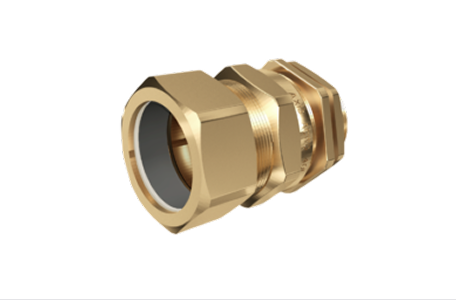
Earth Enhancing Compounds
Earth Pits & Fittings
Earth Plates
Earth Rods
Earthing Clamps & Couplers
Earthing Strips
Ground Rods
Product raNGE
Explore Products
Earth Enhancing Compounds
Earth Pits & Fittings
Earth Plates
Earth Rods
Earthing Clamps & Couplers
Earthing Strips
Ground Rods
why axis
What Makes Axis Cable Management Different?
Direct from the Manufacturer
A complete range of earthing materials including earth rods, copper plate earthing, clamps, connectors, and earth enhancing compounds for utility, industrial, and infrastructure installations.
Certified to UL, IEC, CSA, and BSI
Products across the earthing range are tested at our in-house NABL accredited, UL approved facility and certified to UL, IEC, CSA, and BSI standards required for utility tenders, substation projects, and international procurement across the globe.
Proven Across 100+ Countries
Supplied to utilities, EPC contractors, and infrastructure developers across 100+ countries for over 80 years.
Customised to Your Project
Axis engineers provide earthing system design, soil resistivity assessment, and technical support to develop a system matched to the specific requirements of your installation.
from the axis technical teams
Technical Guides
and Resources
FAQS
Frequently Asked Questions
Find quick answers to common questions about our programs, admissions, eligibility, and application process to help you move forward with confidence.