
Compression Lugs/Terminals
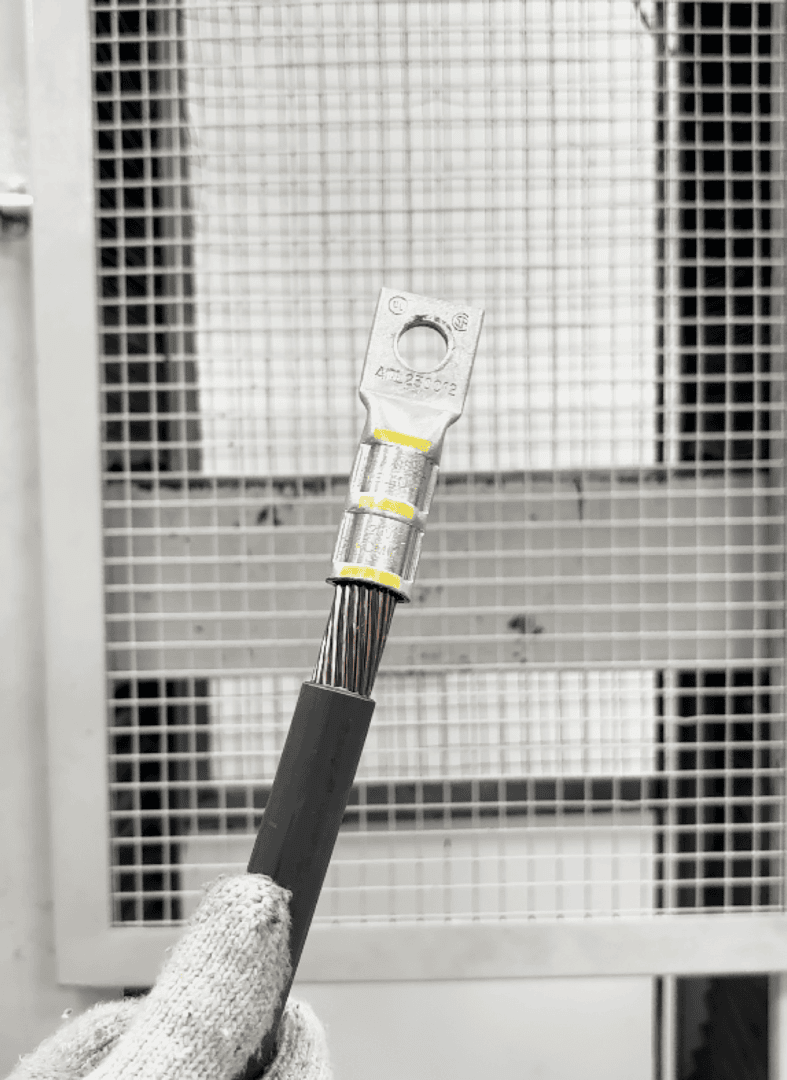

Approved by 80+ Utilities Worldwide

Copper, aluminium, and bimetallic compression lugs from 1.5mm² to 1200mm² across standard and long barrel series

UL | IEC | BS | DIN Tested and Certified

Guide to Cable Lug Types and Applications

Product Selection and Technical Support.
selection criteria
Details Required to Select Compression Lugs/Terminals
Product raNGE
Explore Products
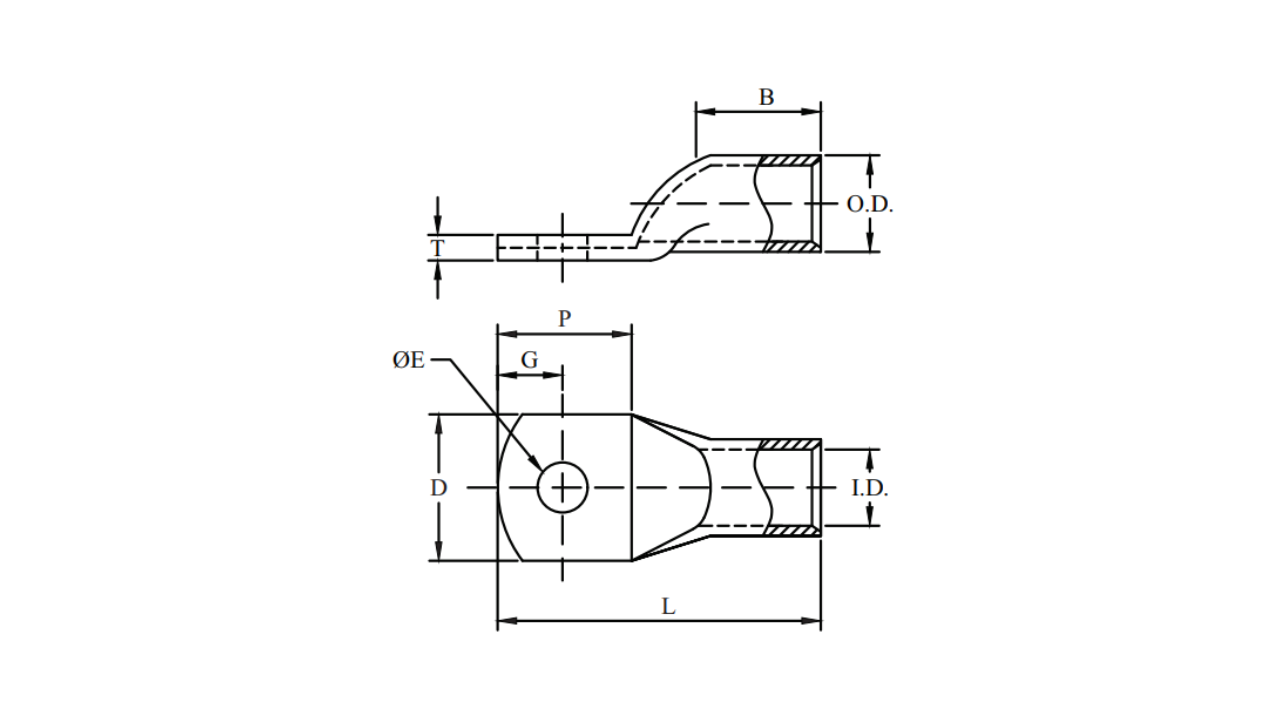
1 Hole, Heavy Starter Lug (AWG)
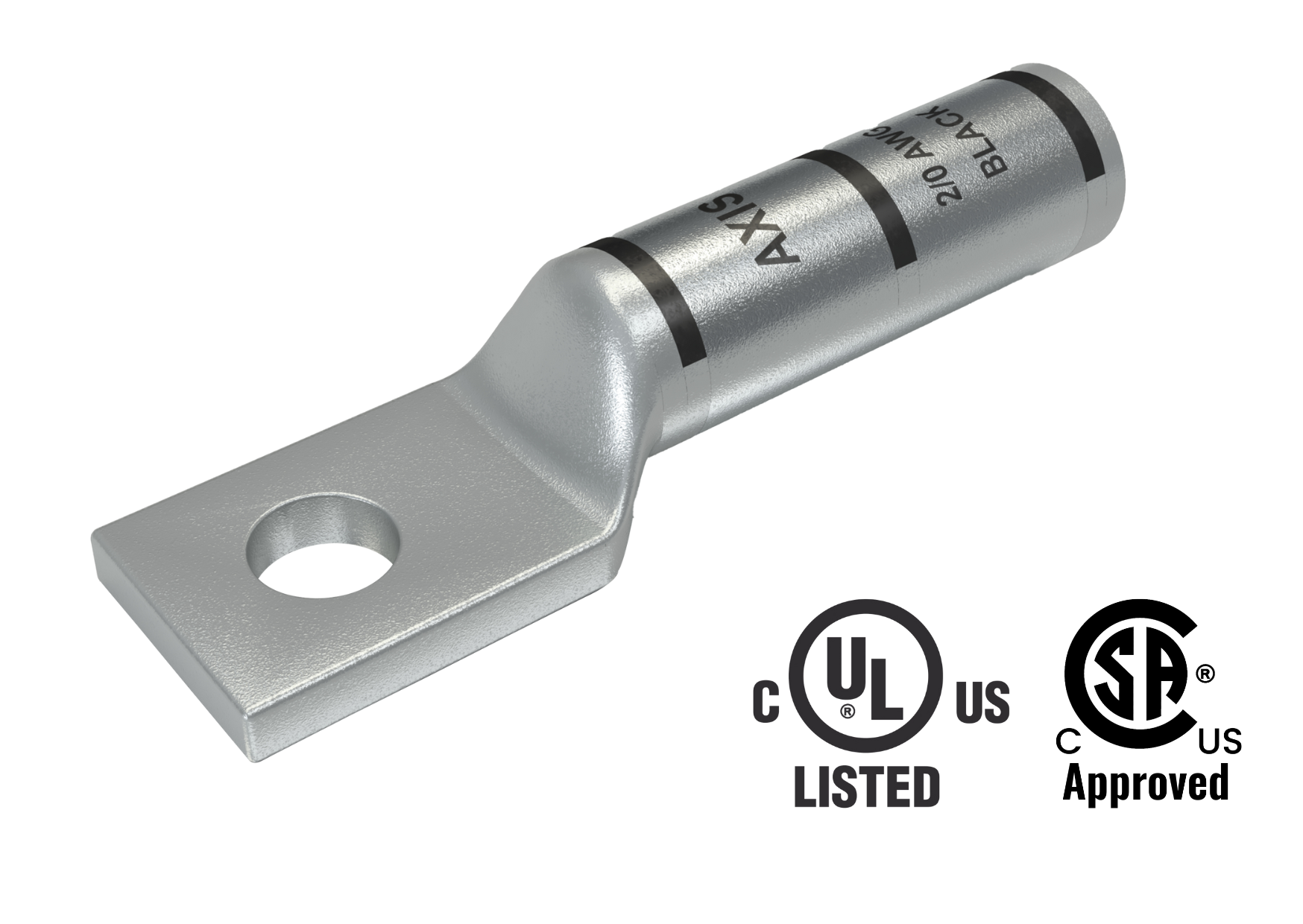
1 Hole, Long Barrel, With/Without Inspection Window (AWG)
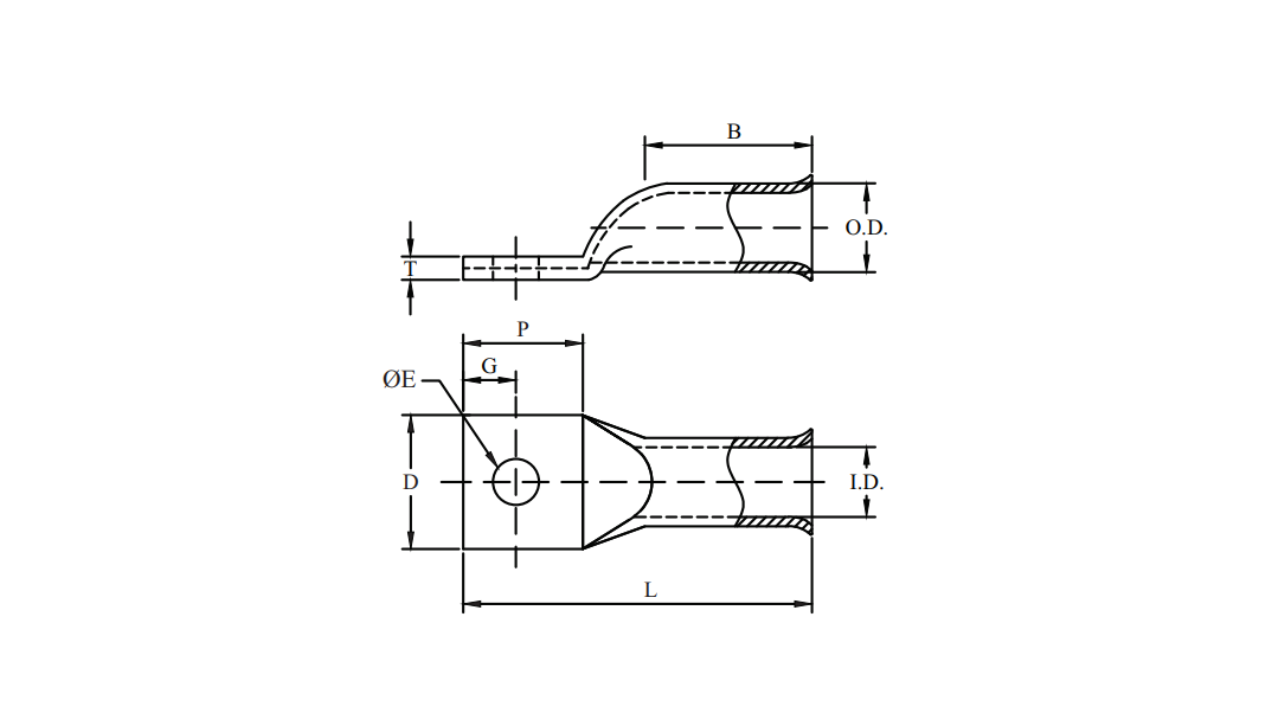
1 Hole, Long Flared Barrel, With/Without Inspection Window (AWG)
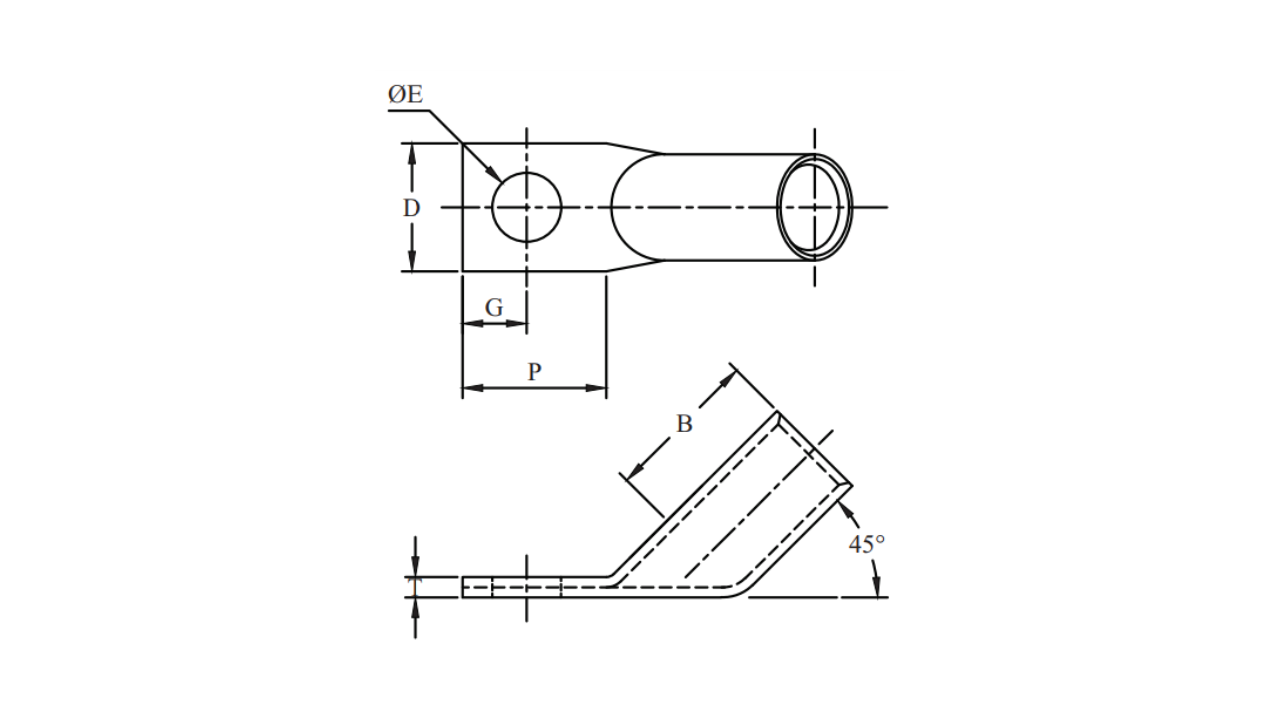
1 Hole, Standard Barrel, 45 Angle (AWG)
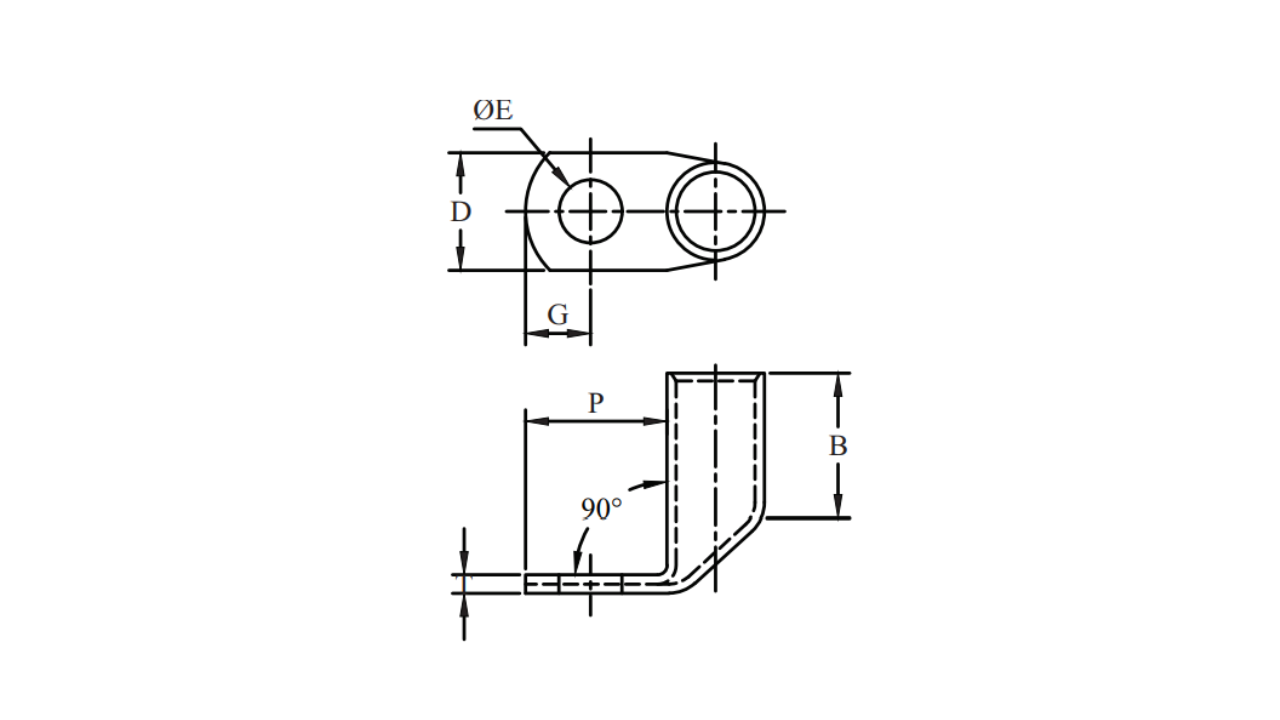
1 Hole, Standard Barrel, 90 Angle (AWG)
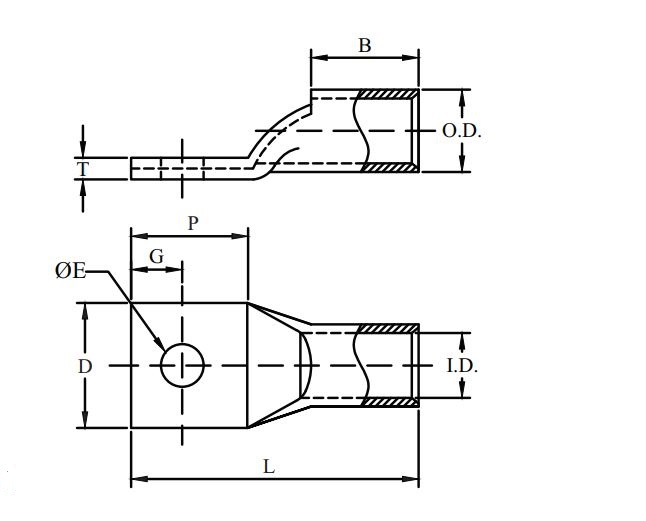
1 Hole, Standard Barrel, Inspection Window (AWG)
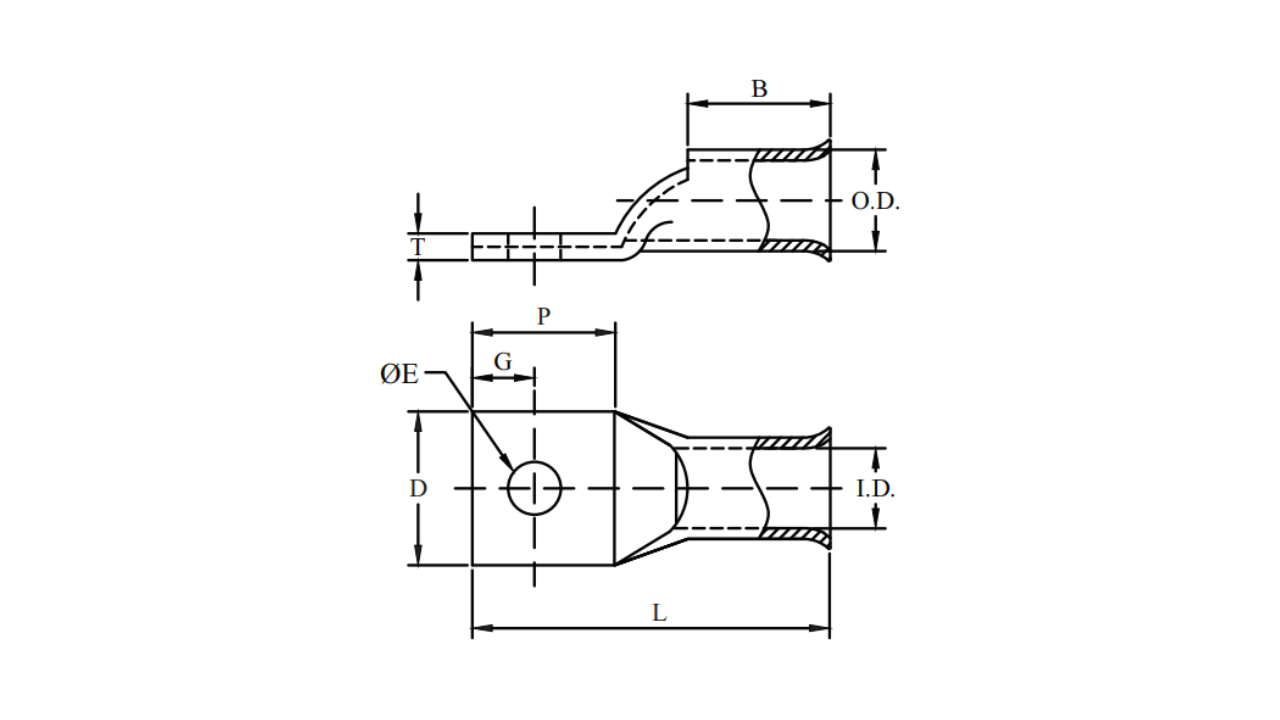
1 Hole, Standard Flared Barrel, Inspection Window (AWG)
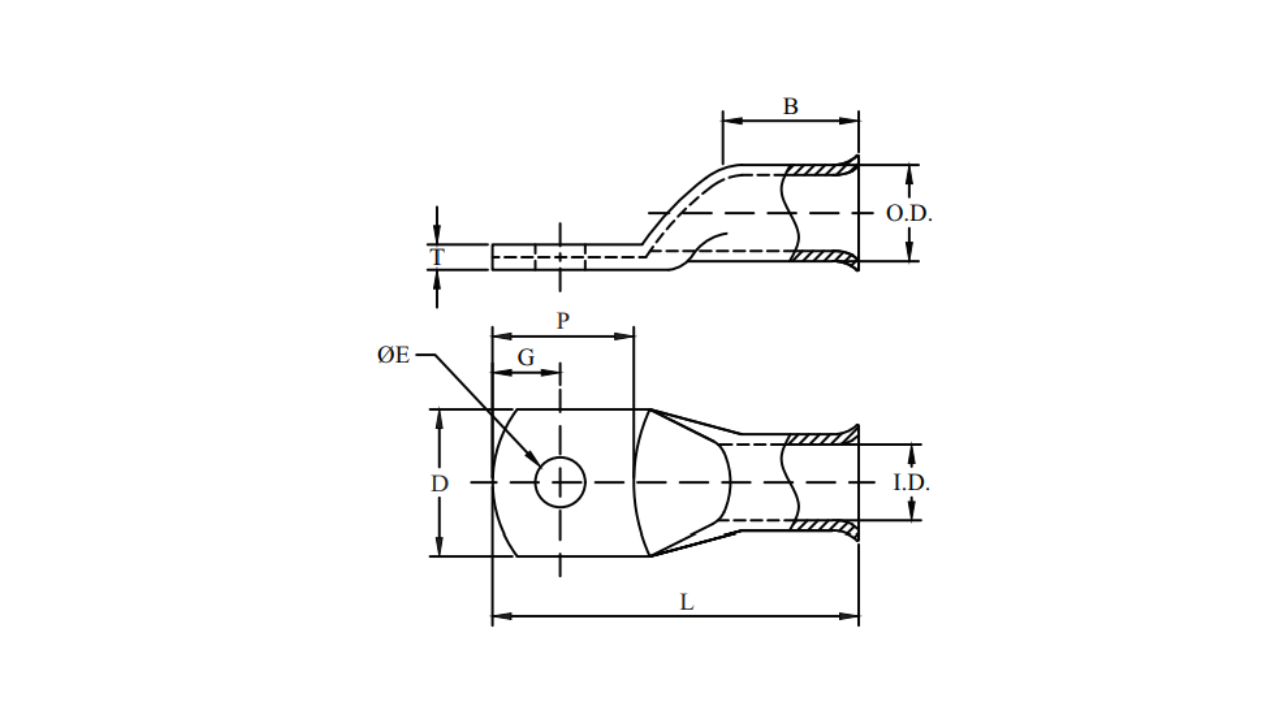
1 Hole, Standard Starter Lug (AWG)
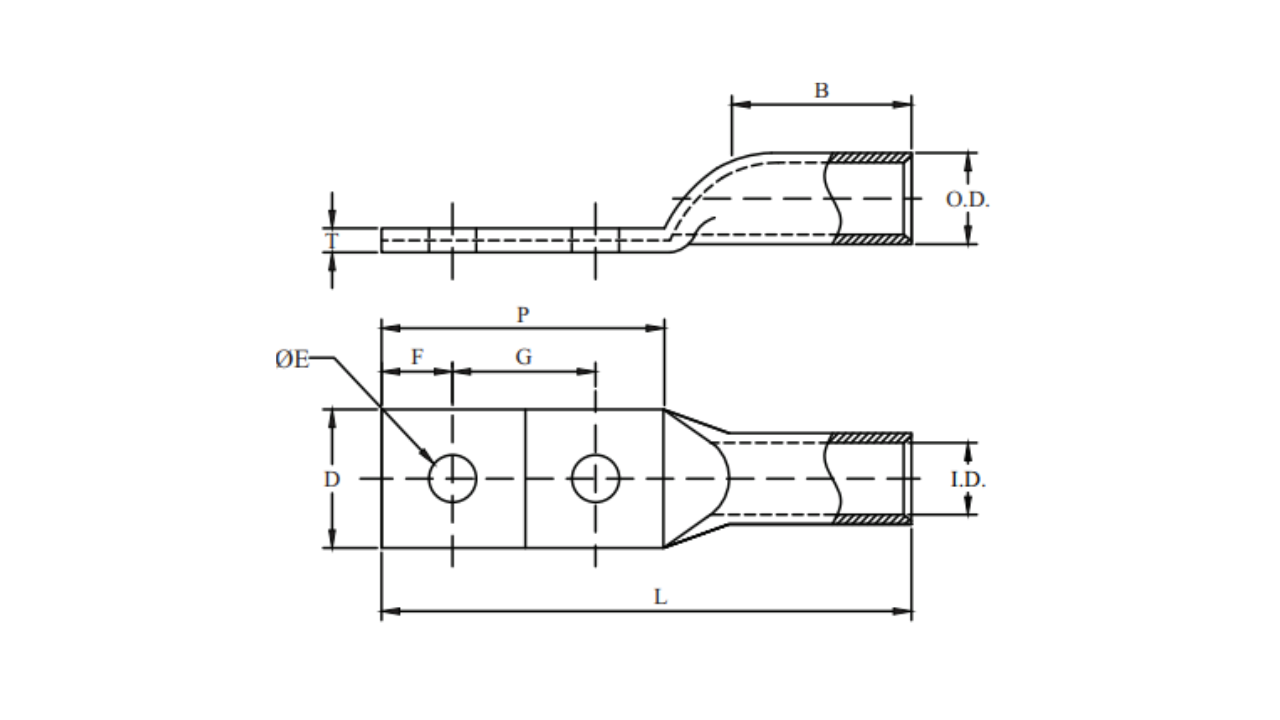
2 Hole, Long Barrel, Break Away Tongue, With/Without Inspection Window (AWG)
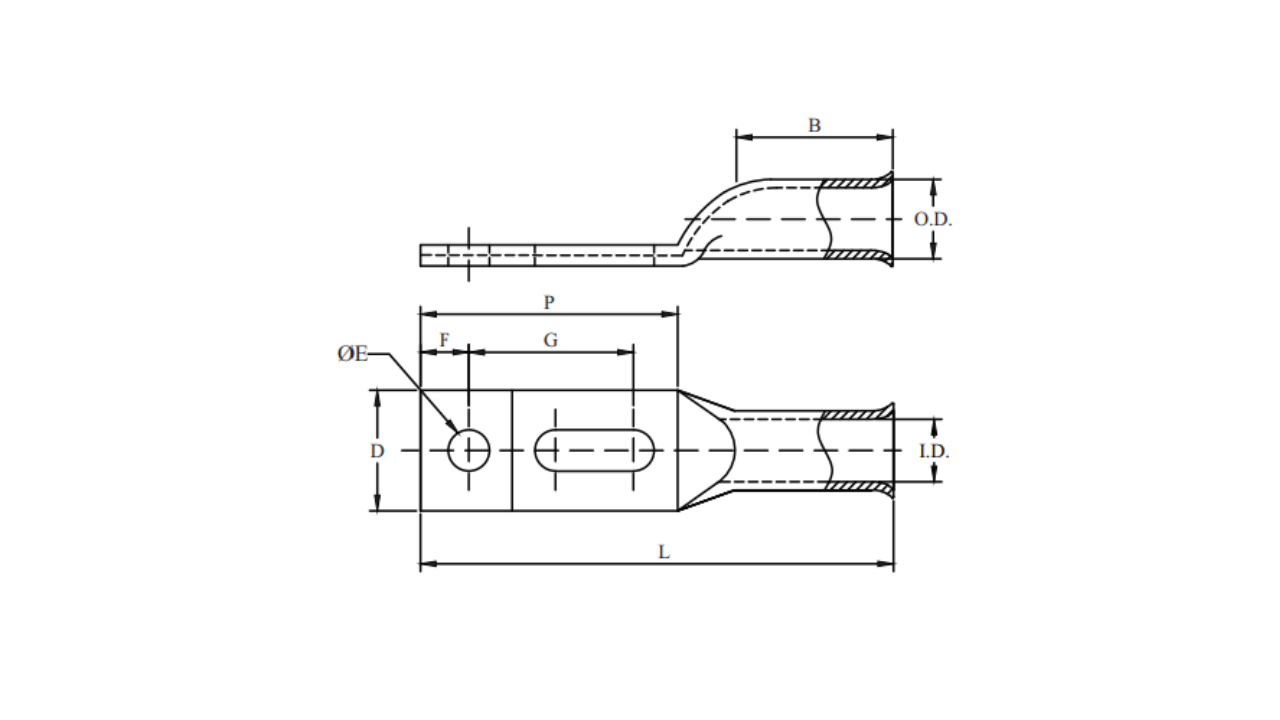
2 Hole, Long Barrel, Slotted Tongue Break Away, With/Without Inspection Window (AWG)
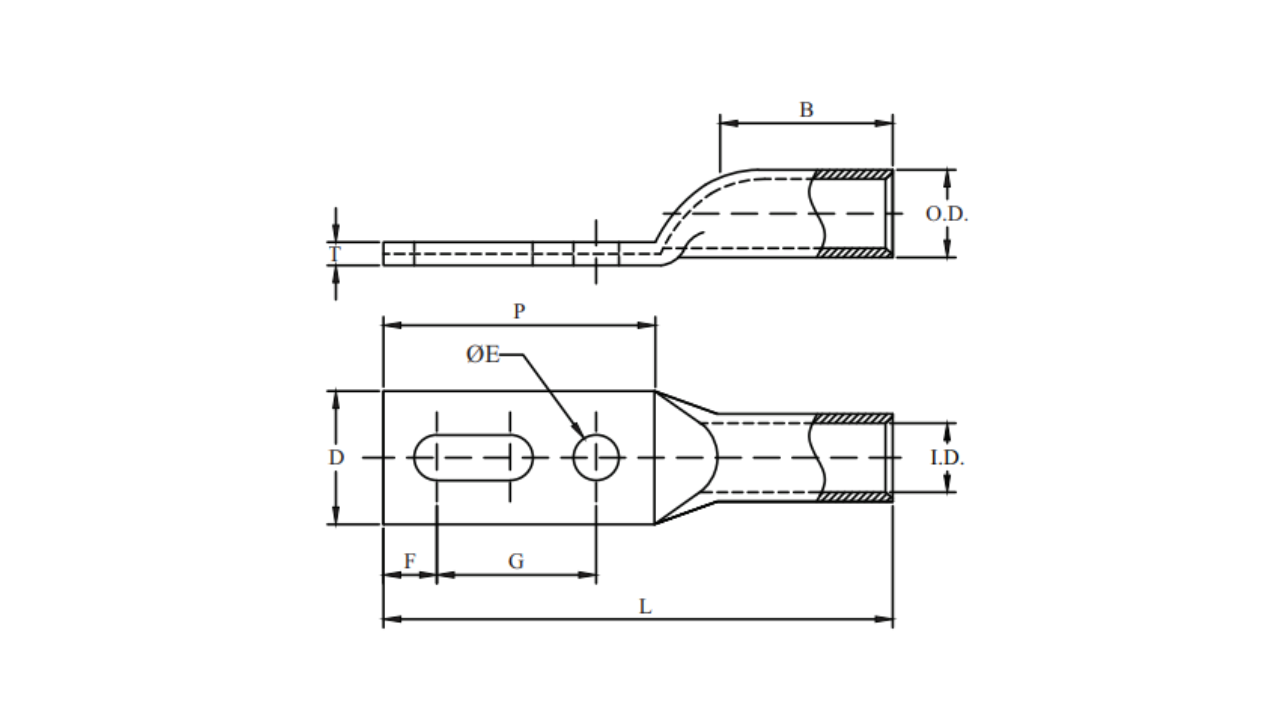
2 Hole, Long Barrel, Slotted Tongue, With/Without Inspection Window (AWG)
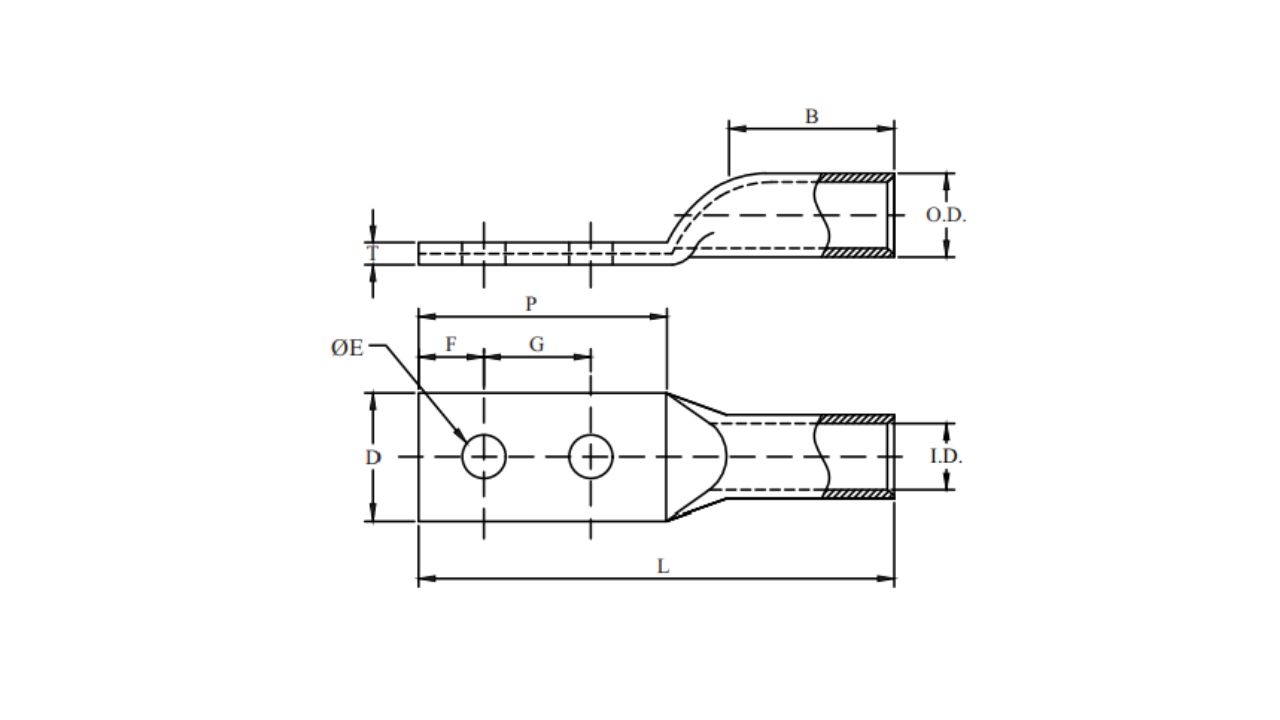
2 Hole, Long Barrel, With/Without Inspection Window (AWG)
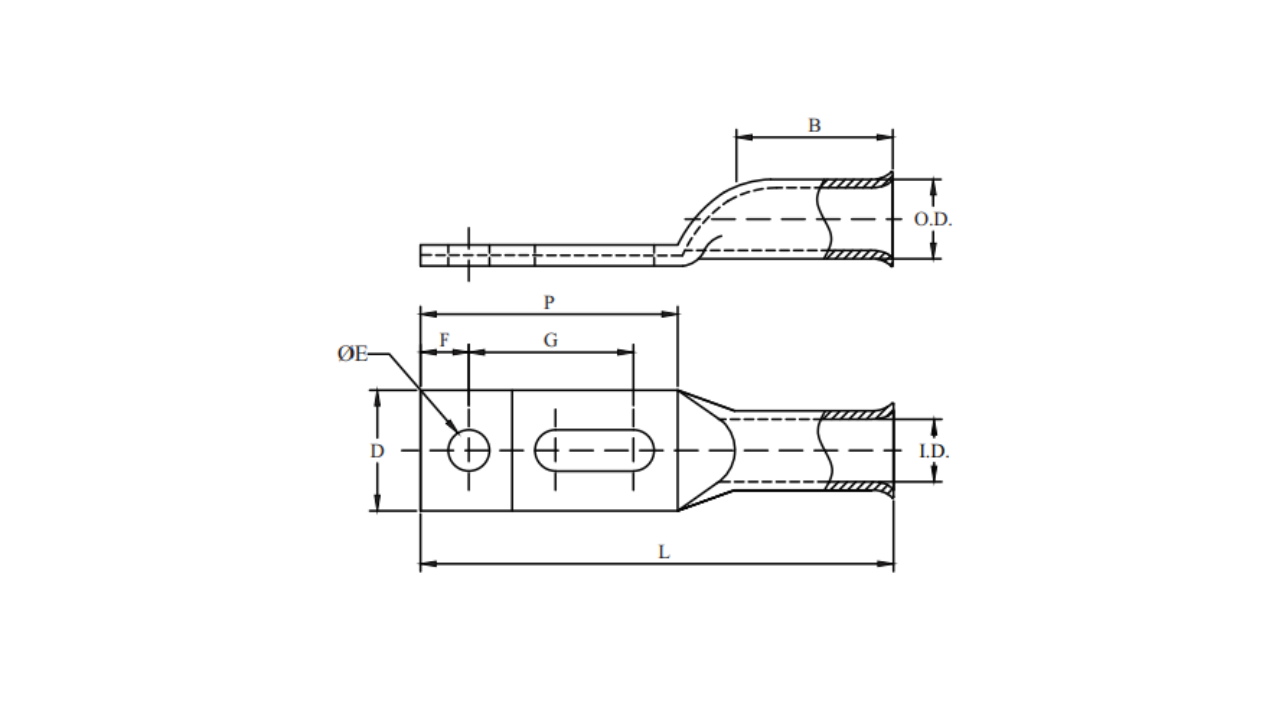
2 Hole, Long Flared Barrel, Slotted Tongue Break Away, With/Without Inspection Window (AWG)
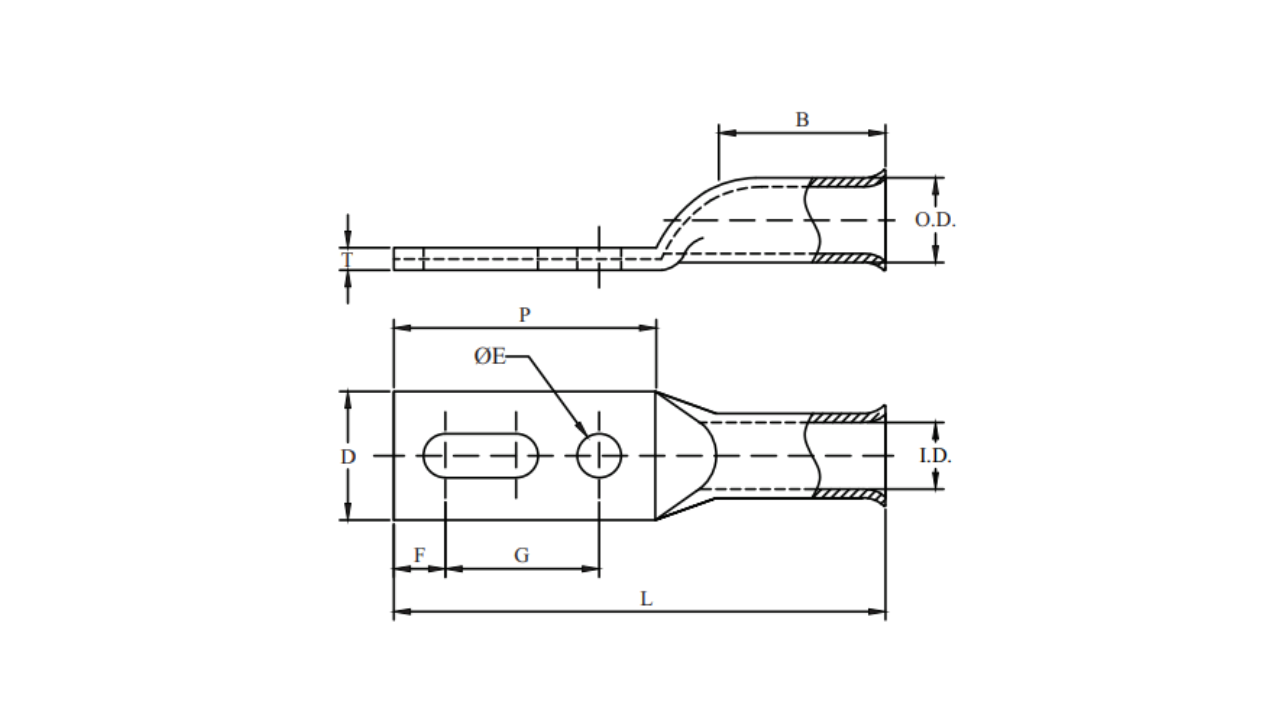
2 Hole, Long Flared Barrel, Slotted Tongue, With/Without Inspection Window (AWG)
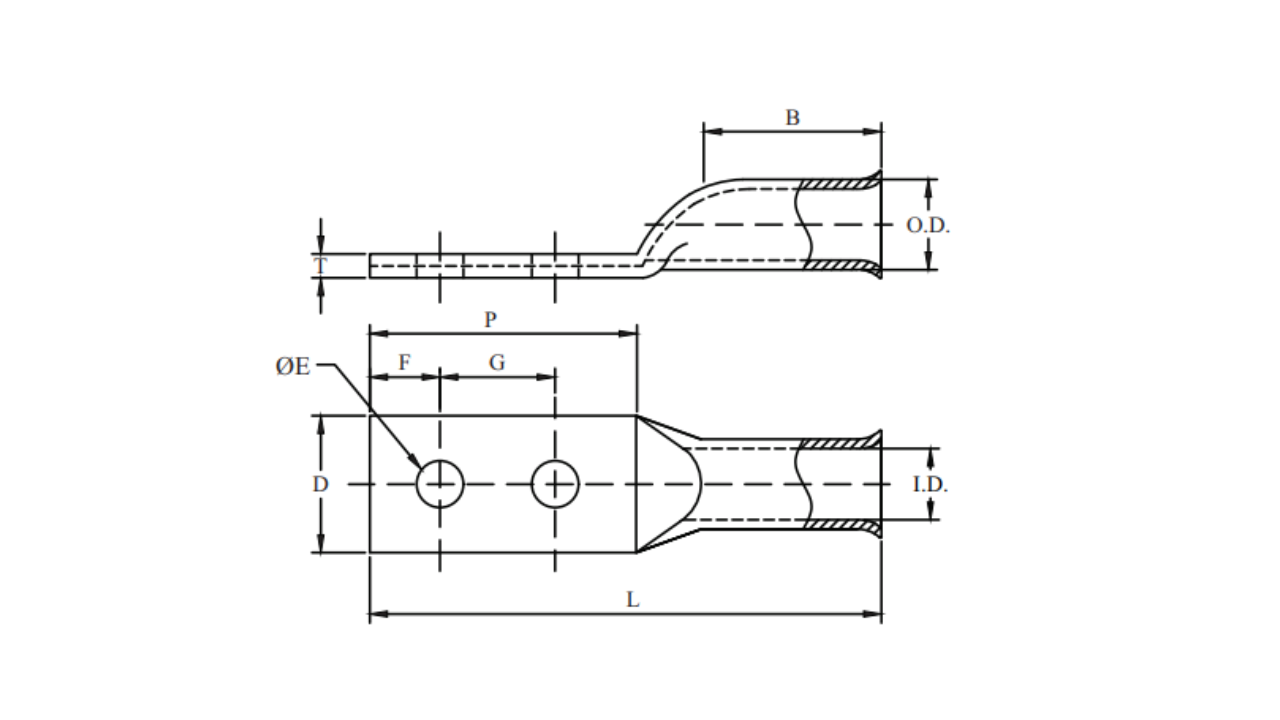
2 Hole, Long Flared Barrel, With/Without Inspection Window (AWG)
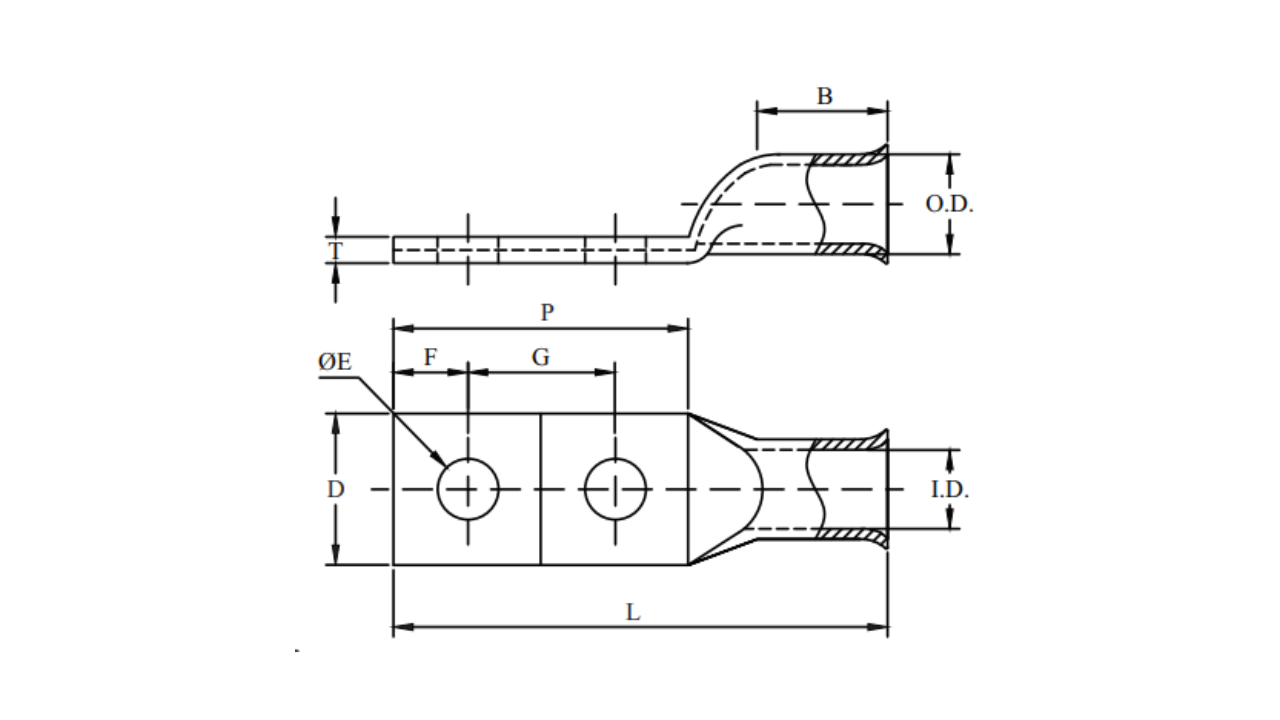
2 Hole, Standard Barrel, Break Away Tongue, W/Insp Window (AWG)
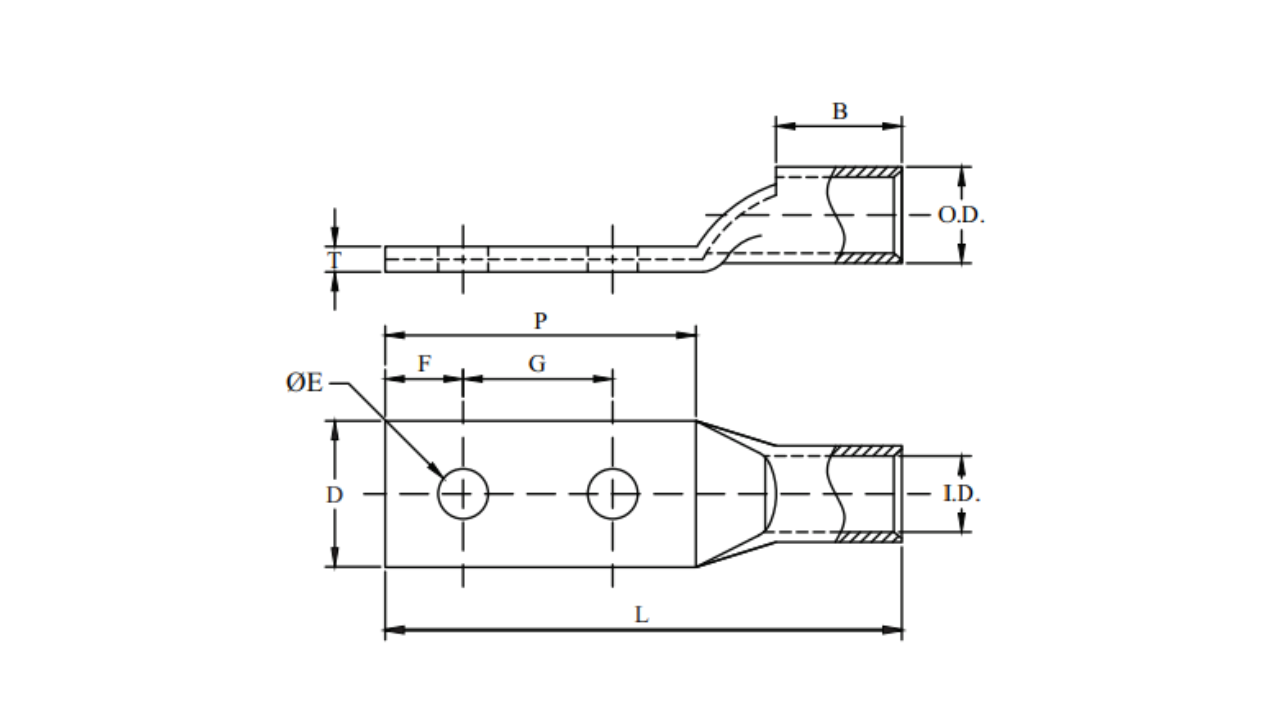
2 Hole, Standard Barrel, Inspection Window (AWG)
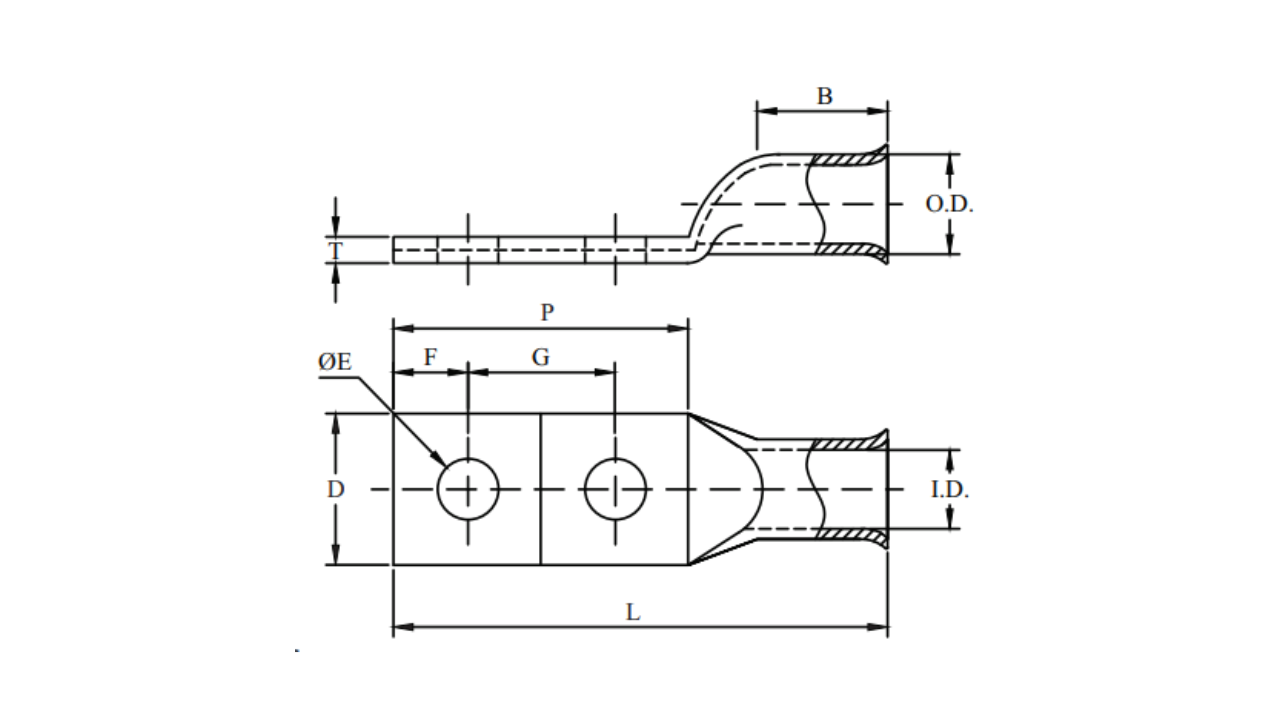
2 Hole, Standard Flared Barrel, Break Away Tongue, W/Insp Window (AWG)
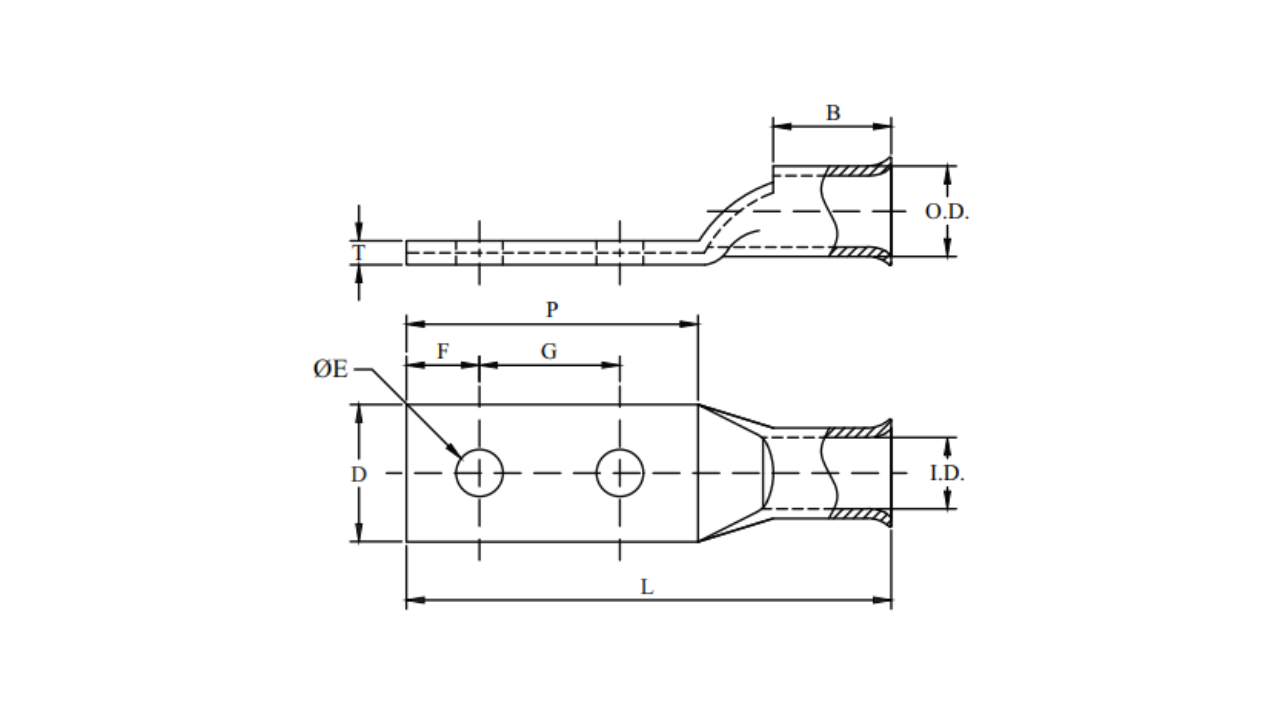
2 Hole, Standard Flared Barrel, Inspection Window (AWG)
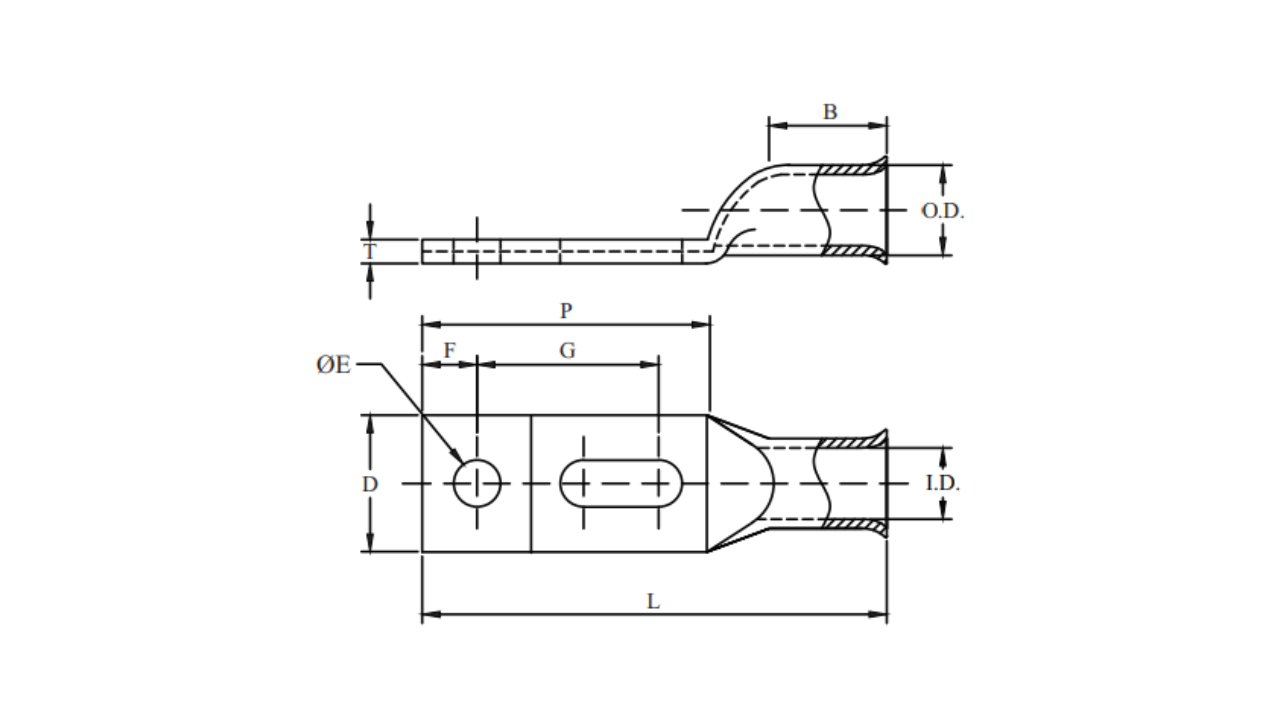
2 Hole, Standard Flared Barrel, Slotted Tongue Break Away, W/Insp Window (AWG)
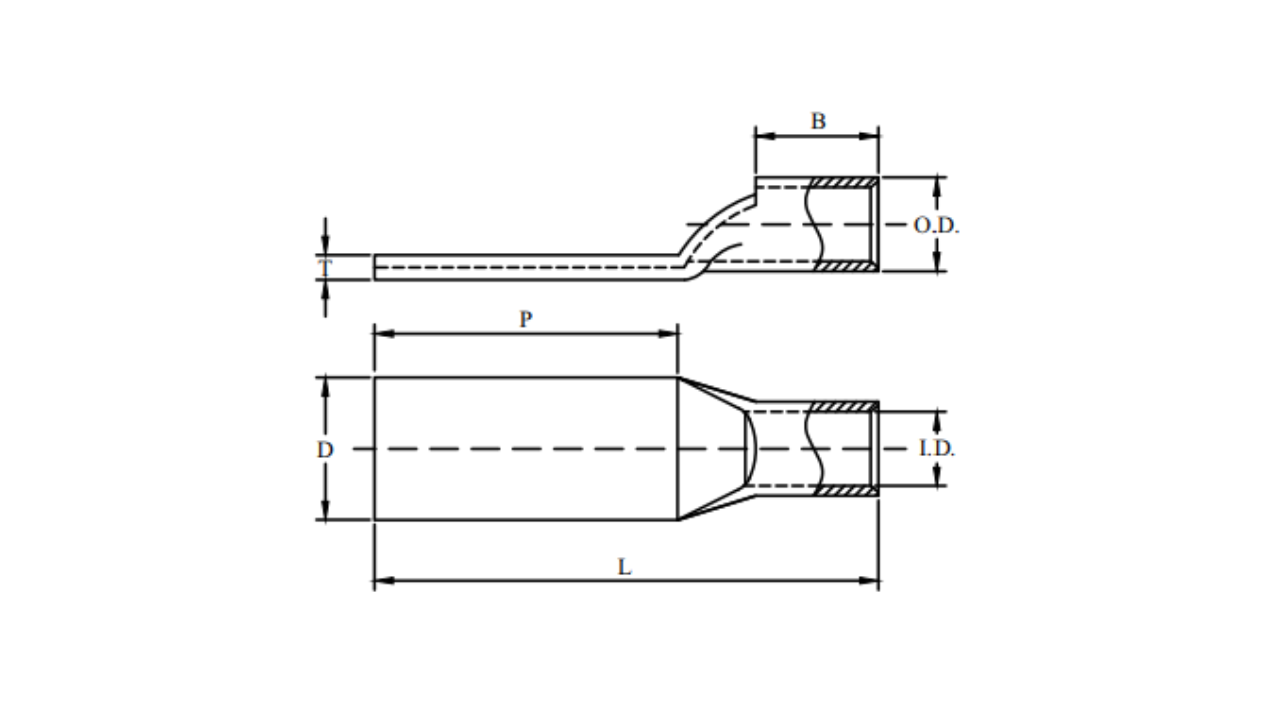
Blank Long Tongue, Standard Barrel, Inspection Window (AWG)
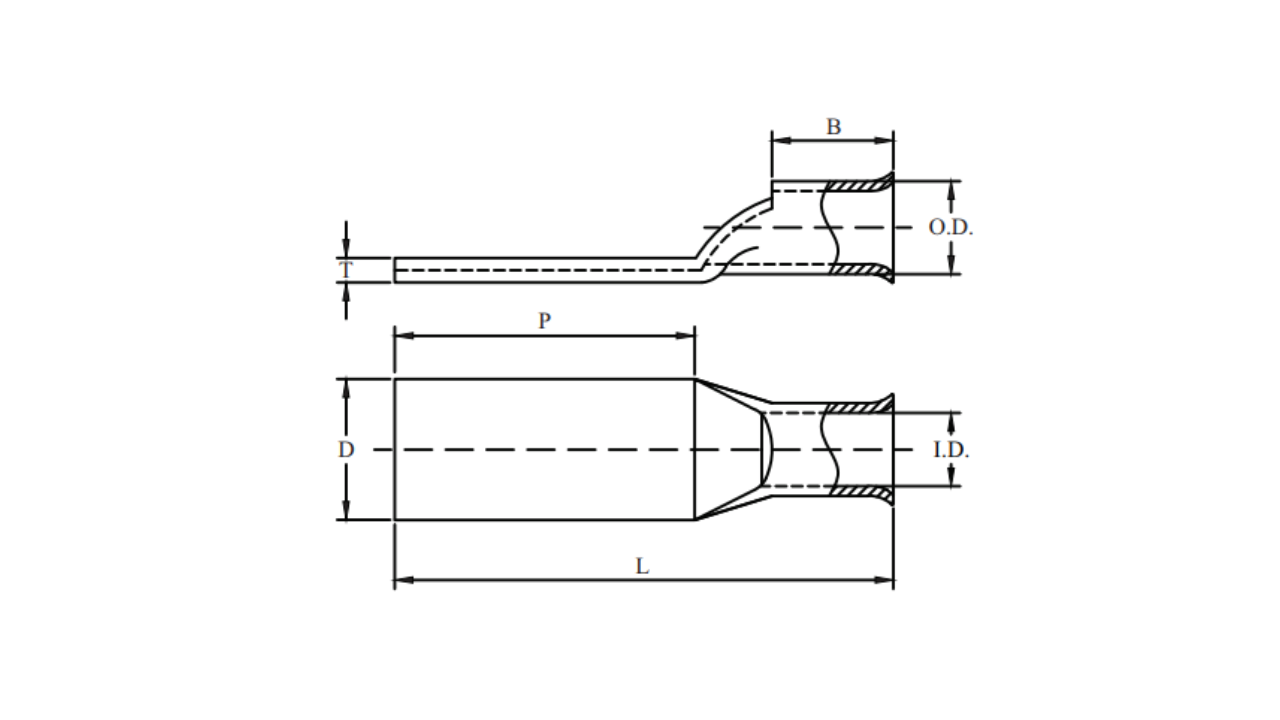
Blank Long Tongue, Standard Flared Barrel, Inspection Window (AWG)
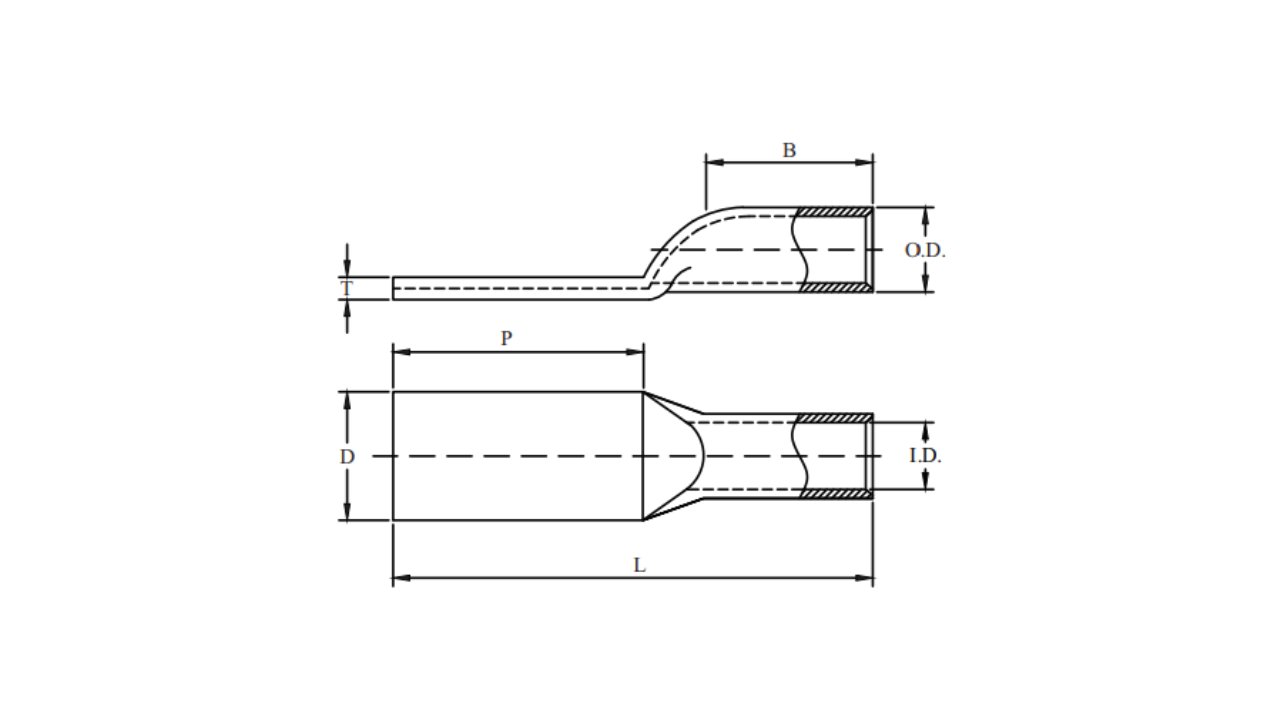
Blank Short Tongue, Long Barrel, With/Without Inspection Window (AWG)
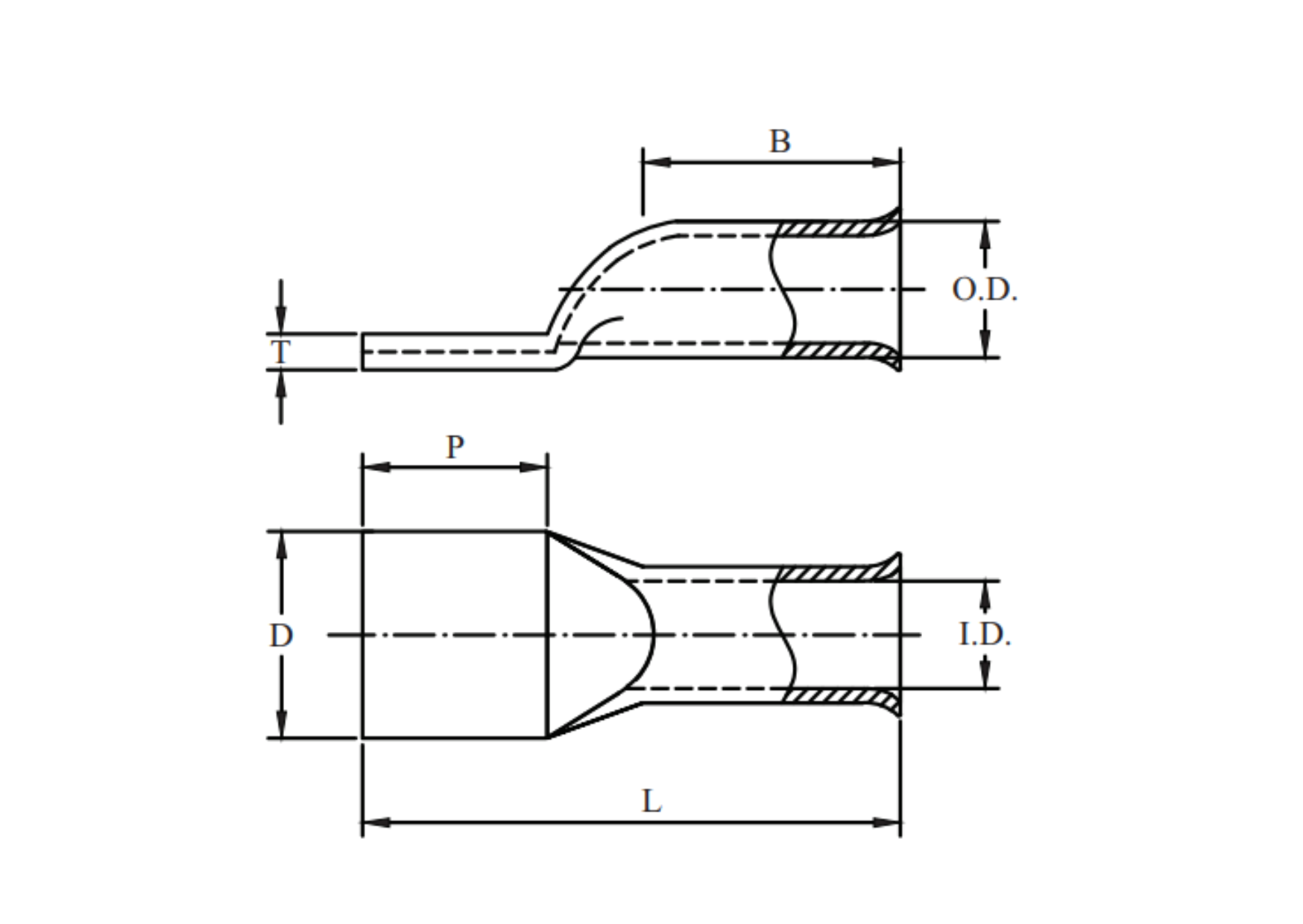
Blank Short Tongue, Long Flared Barrel, With/Without Inspection Window (AWG)
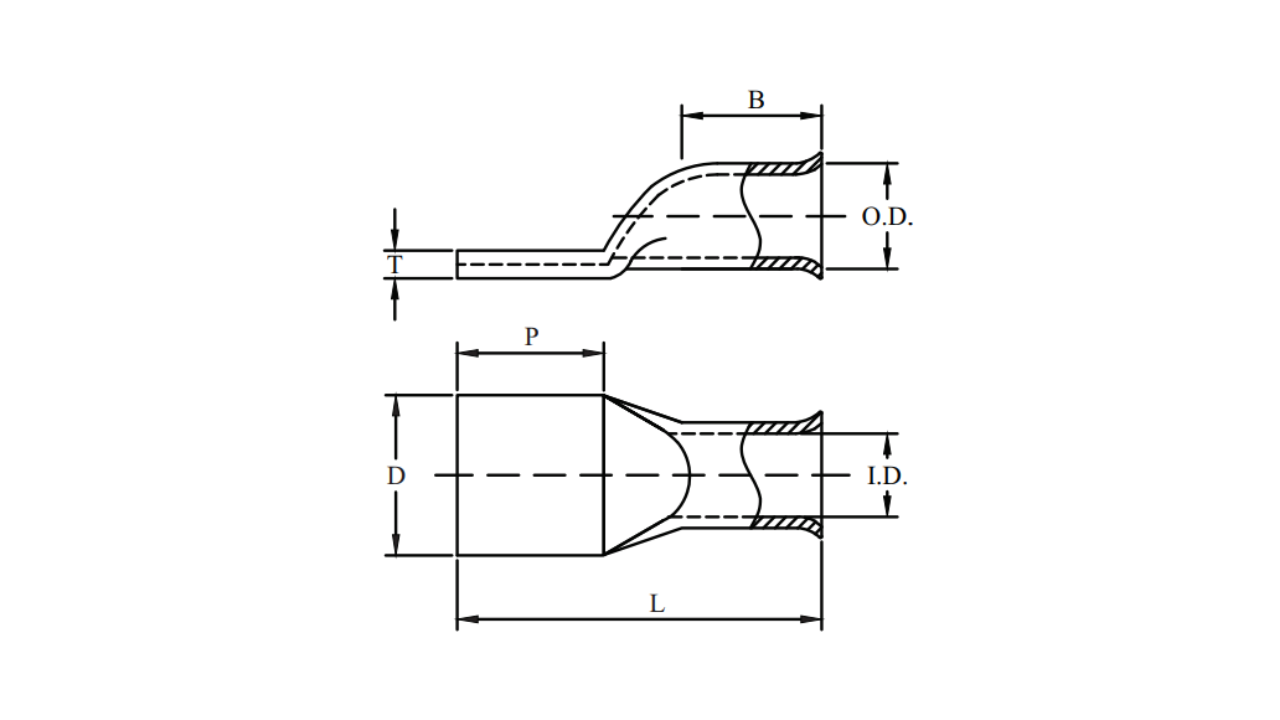
Blank Short Tongue, Standard Flared Barrel, W/InspWindow (AWG)
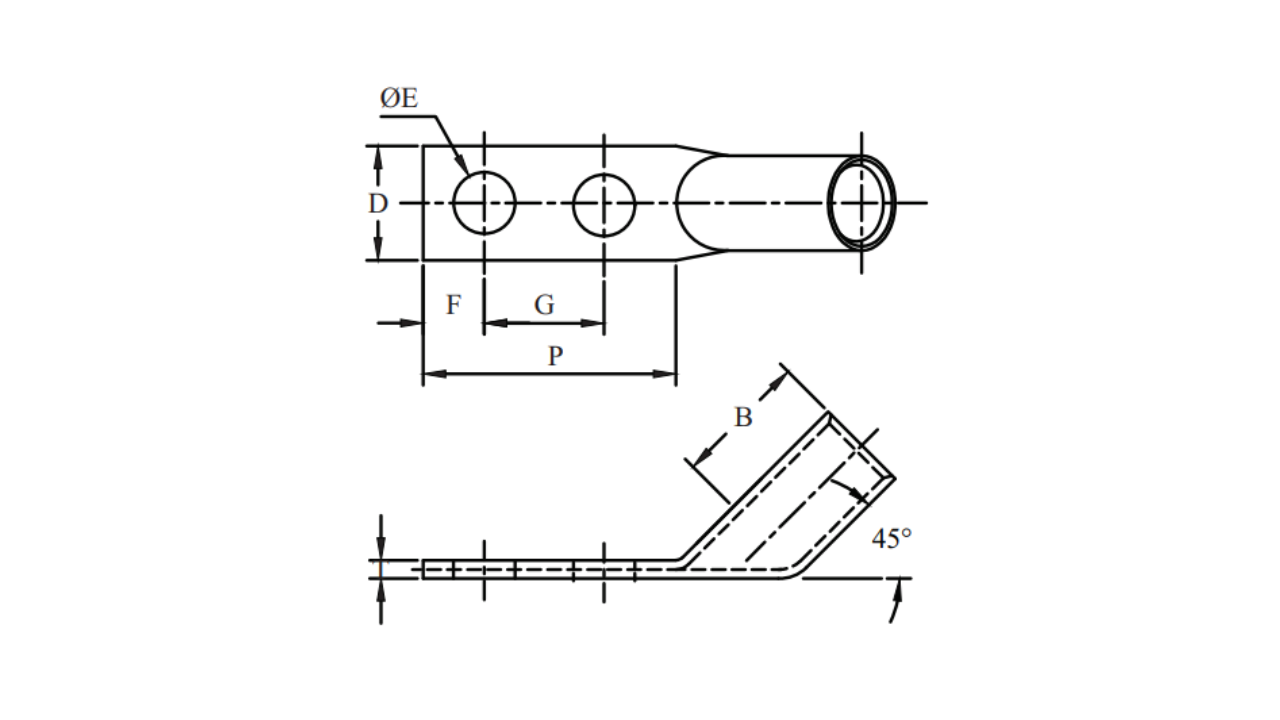
2 Hole, Standard Barrel, 45 Angle (AWG)
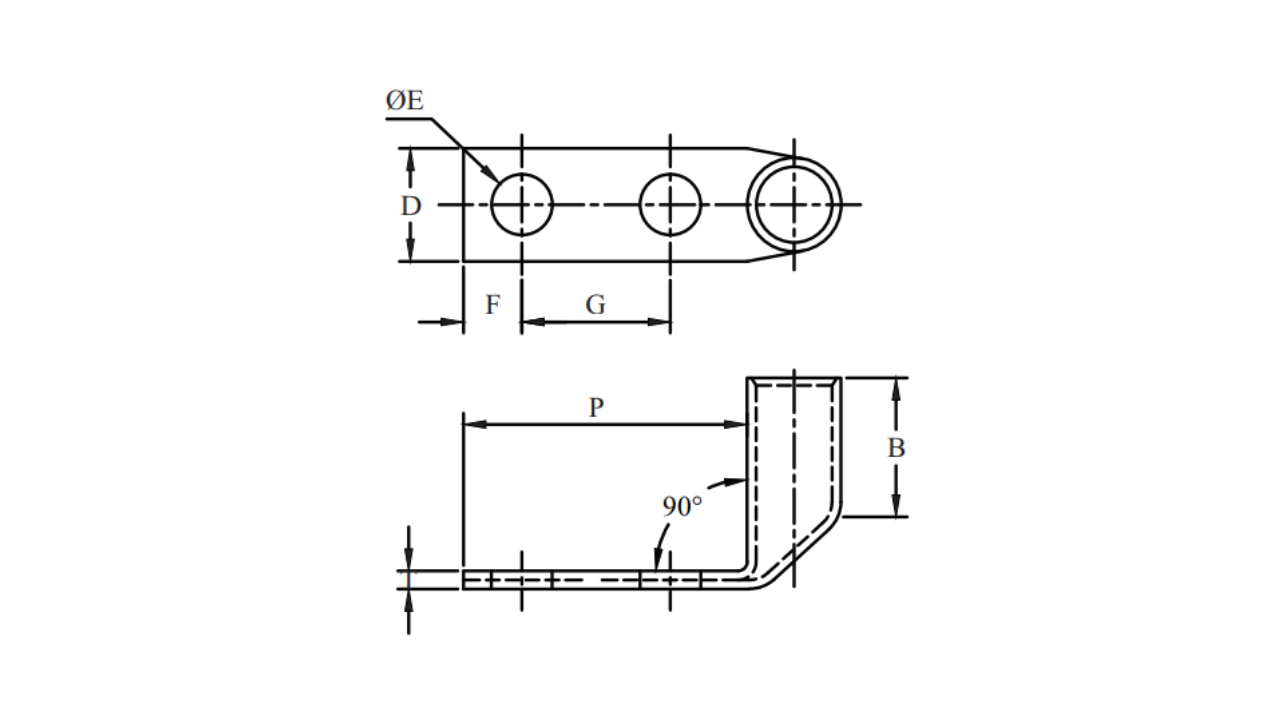
2 Hole, Standard Barrel, 90 Angle (AWG)
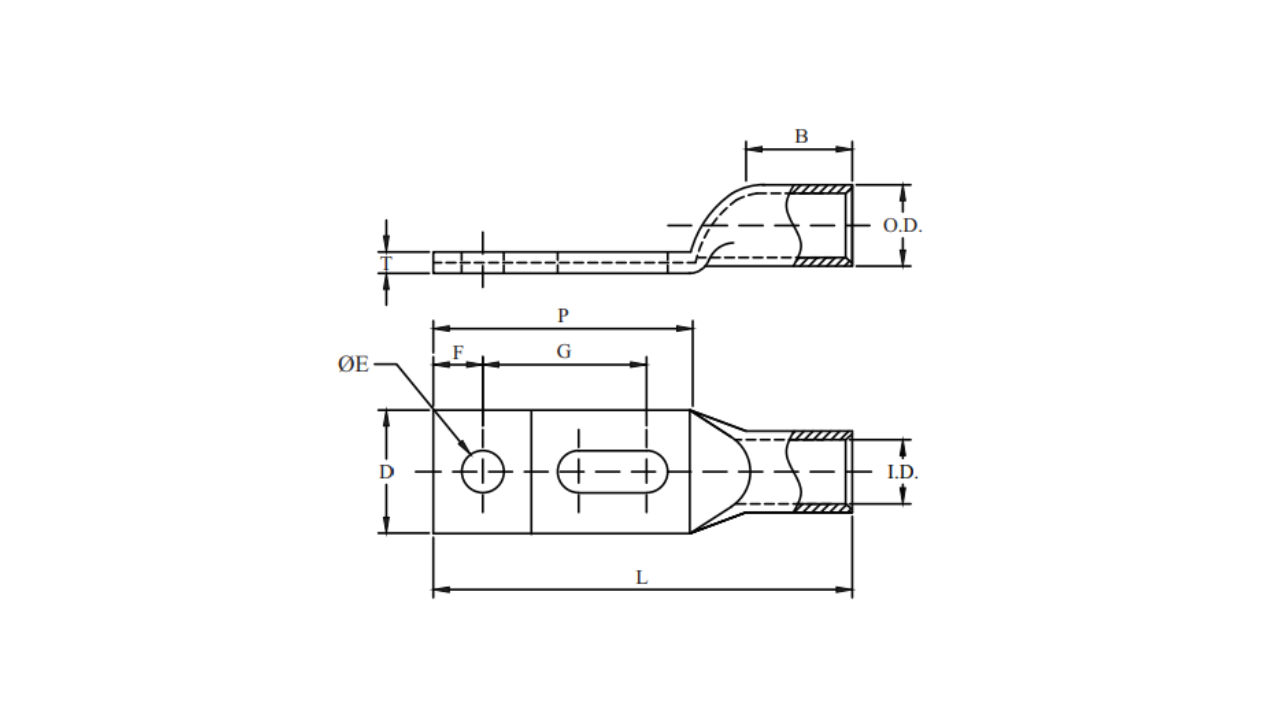
2 Hole, Standard Barrel, Slotted Tongue Break Away, W/Insp Window (AWG)
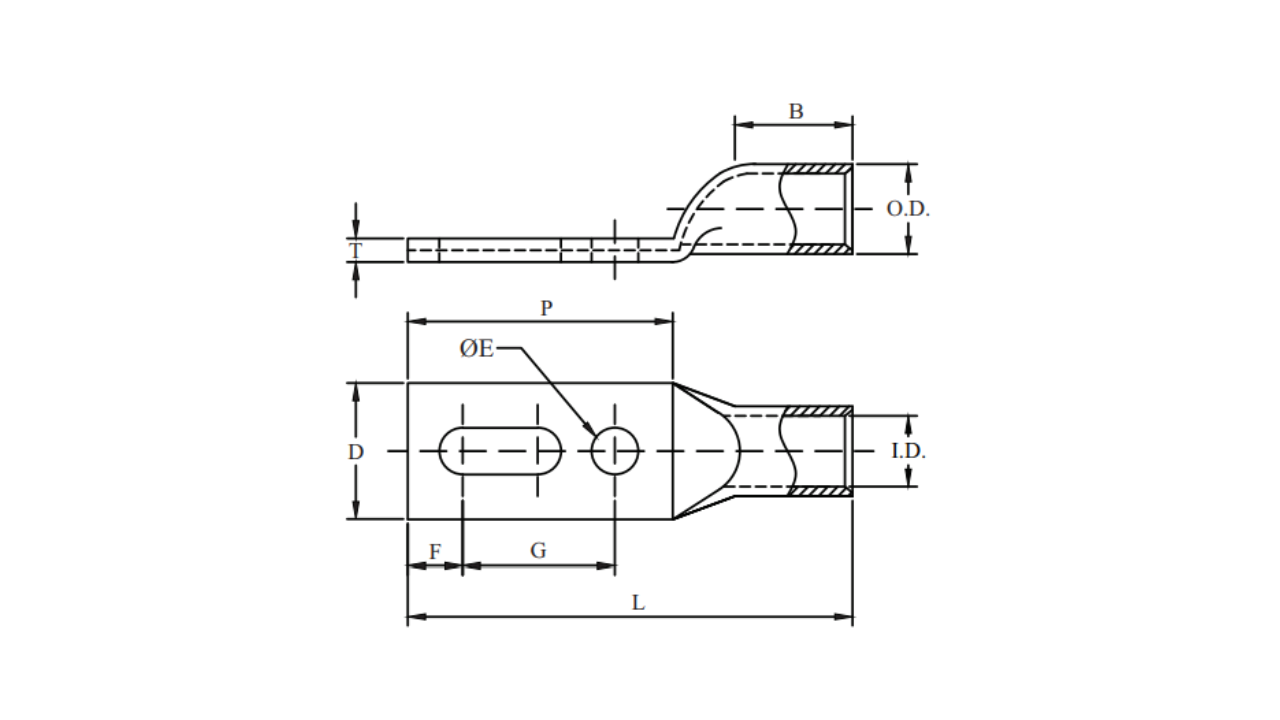
2 Hole, Standard Barrel, Slotted Tongue, W/Insp Window (AWG)
Learn From Our Engineers
Technical Guides
and Resources
video
How Cable Lugs get cULus & CSA approval?
video
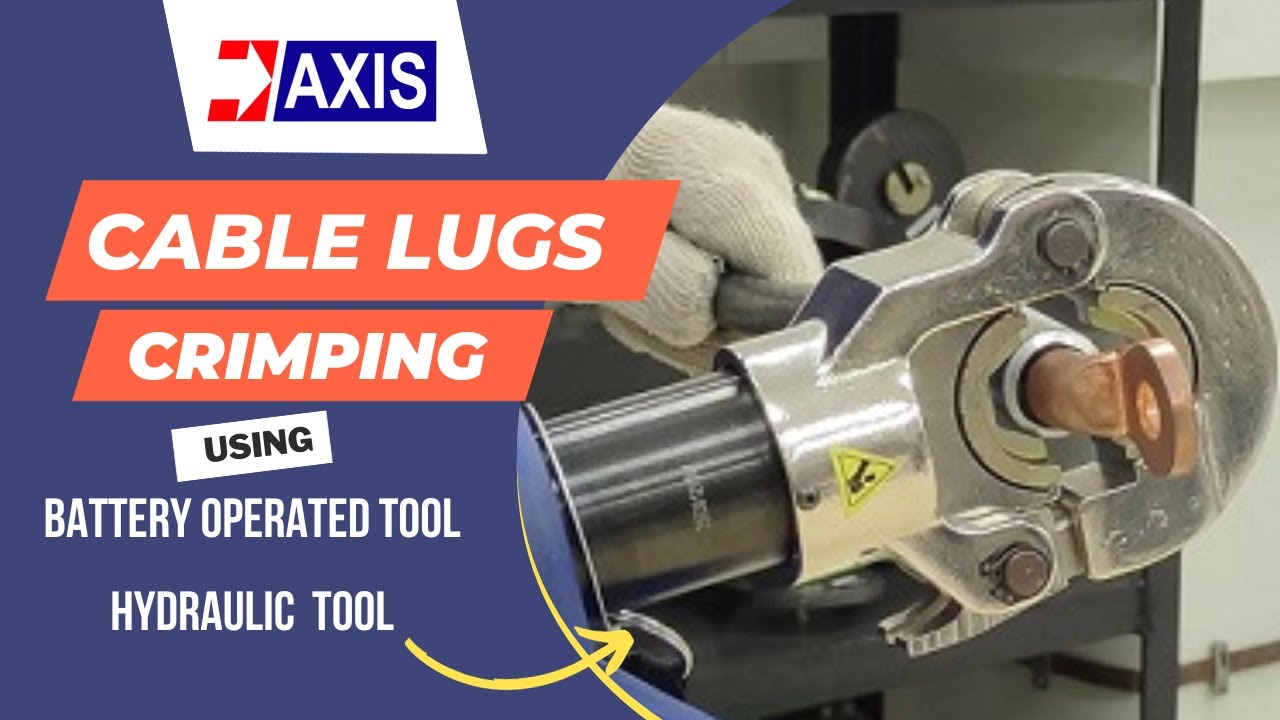
How to Crimp Cable Lugs? Explained using Hydraulic & Battery Operated Tool
video
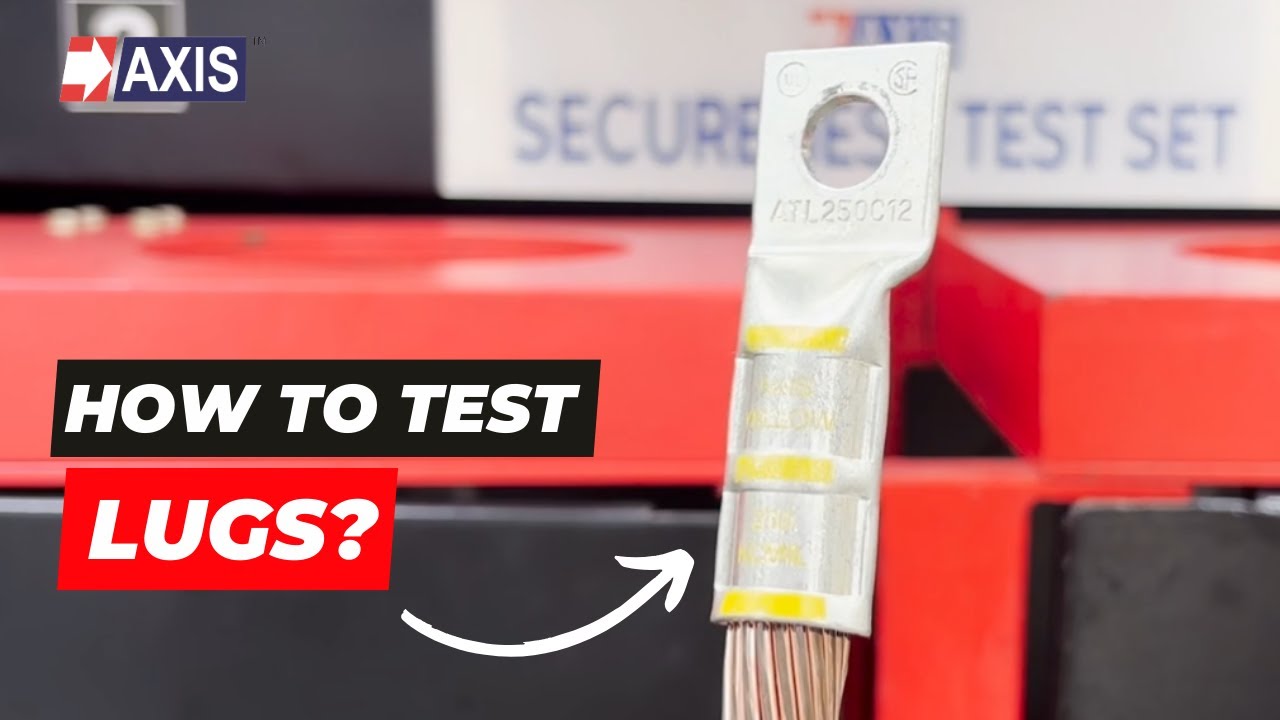
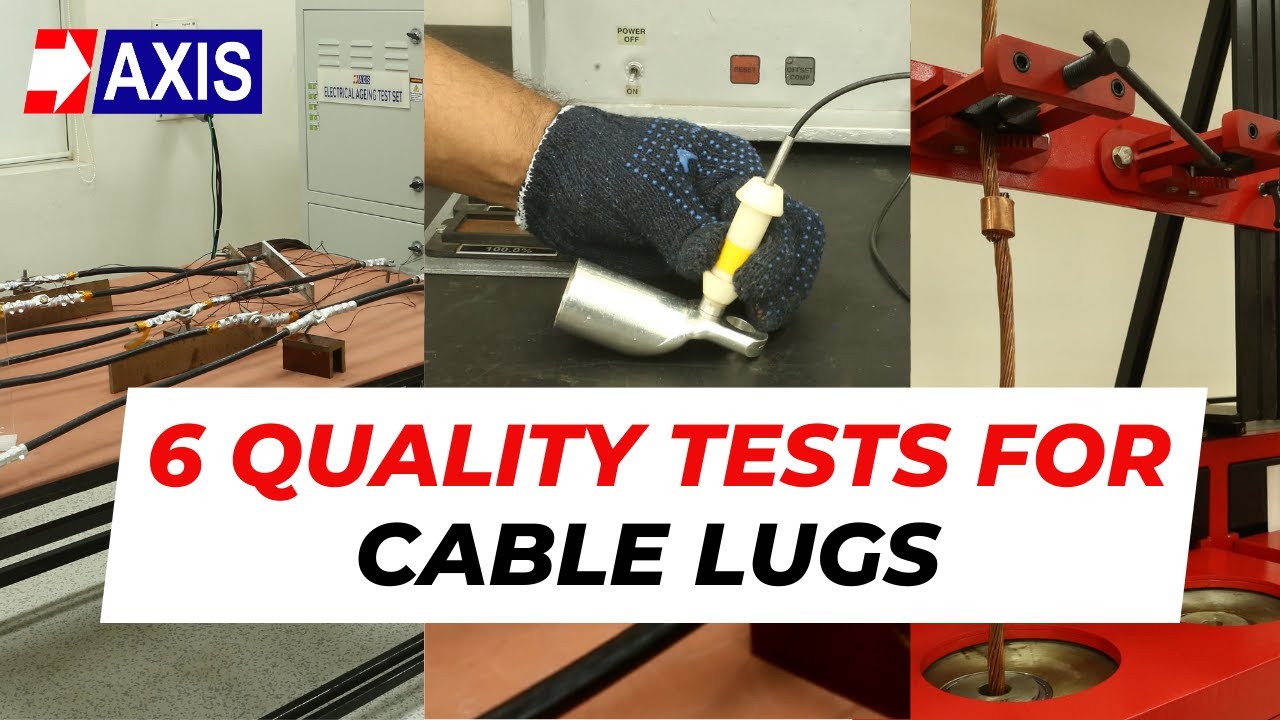
How to Test Cable Lugs? 6 Types of Test Explained
video
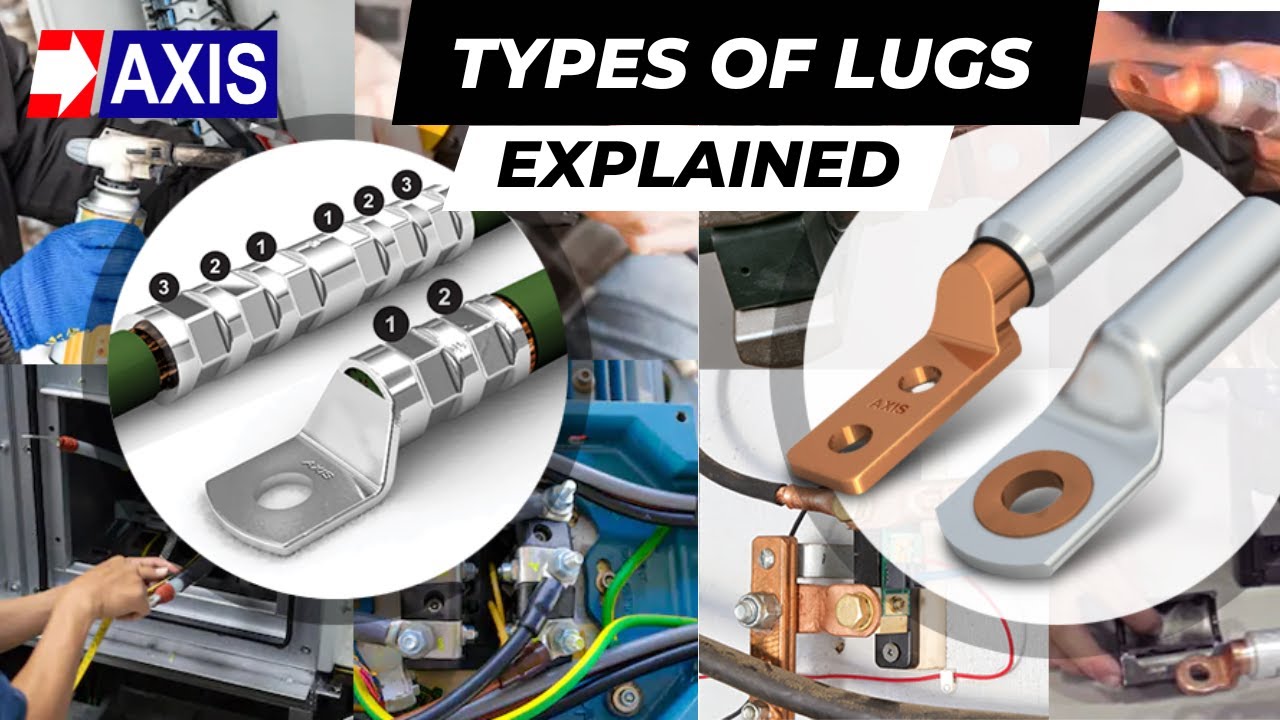
Type of Lugs - Which Cable Lug should you use? Learn Application & Types in Detail!
video
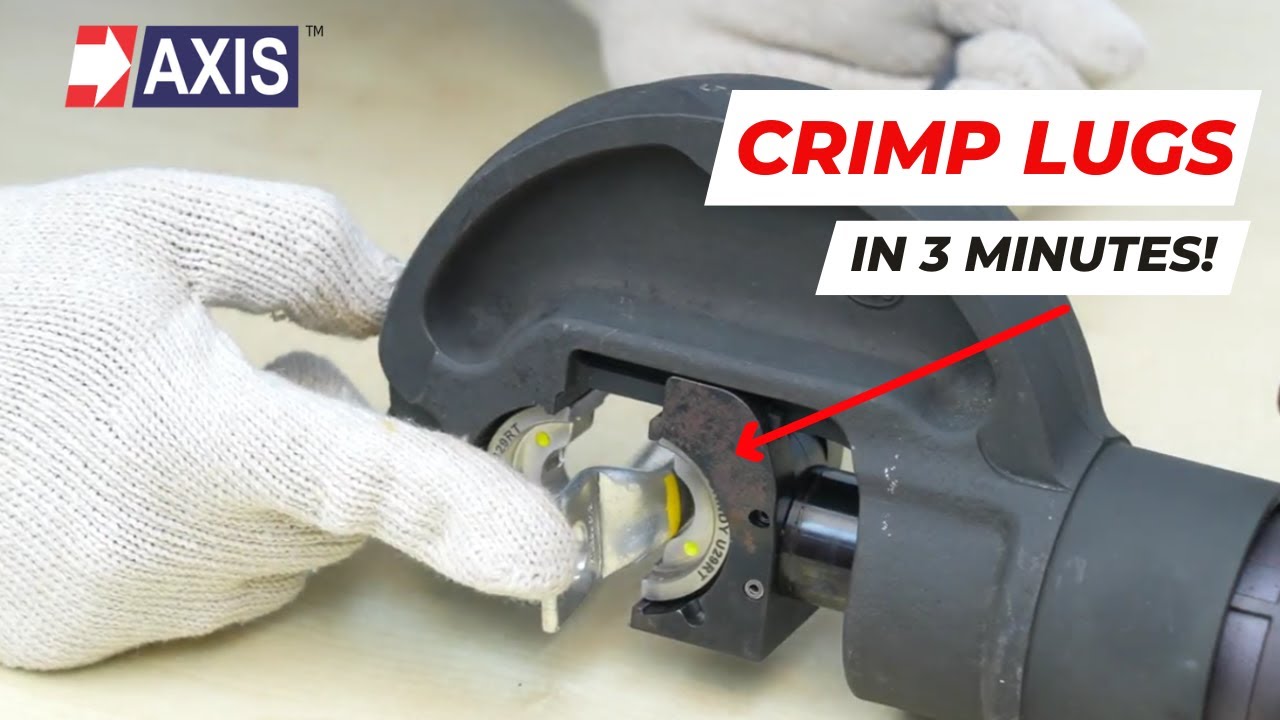
How to Crimp Cable Lugs?
video
How are Cable Lugs Manufactured in India?

FAQS
Frequently Asked Questions
Find quick answers to common questions about our programs, admissions, eligibility, and application process to help you move forward with confidence.
The colour identifies the conductor size the lug is made for and the matching die. You pick the lug by colour, set the same colour die in the tool, and the crimp comes out right every time. It removes the guesswork on site and lets an inspector check the joint from a distance.
It is an opening in the barrel that lets you see whether the conductor is fully seated before you crimp. If the cable is short of the back of the barrel, you find out before compression instead of after. On critical joints, the window is also proof for the inspector that the conductor went all the way in.
The tongue carries a second bolt hole that snaps off cleanly by hand. You stock one lug and use it as either a two hole or a one hole lug, depending on what the pad in front of you takes. It cuts the number of part numbers you carry on a job.
No. Use the compression tool and die the lug is rated for. The lug, the die, and the number of crimps are designed as one system, and changing any part of it changes the contact pressure. A crimp made with the wrong die may look fine and still run hot in service.
This range is built in AWG sizes and colour coded to AWG conductors, which suits North American and export projects working to those drawings. For metric cable in sq mm, use the copper cable lug range instead. Do not fit an AWG lug on a metric conductor of similar nominal size, because the crimp geometry will not match.