Globe

Approved by 80+ Utilities Worldwide

Gemstone

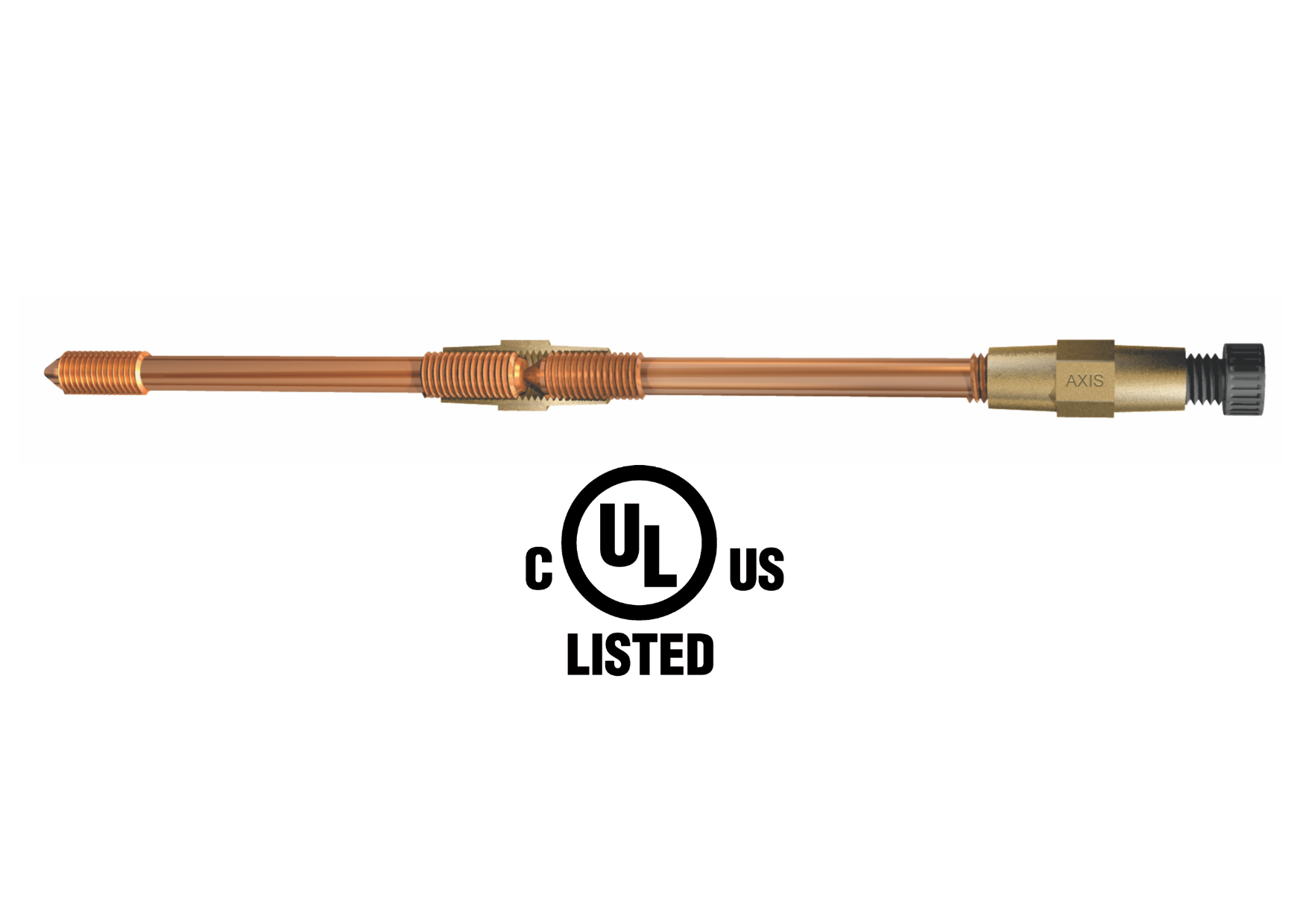
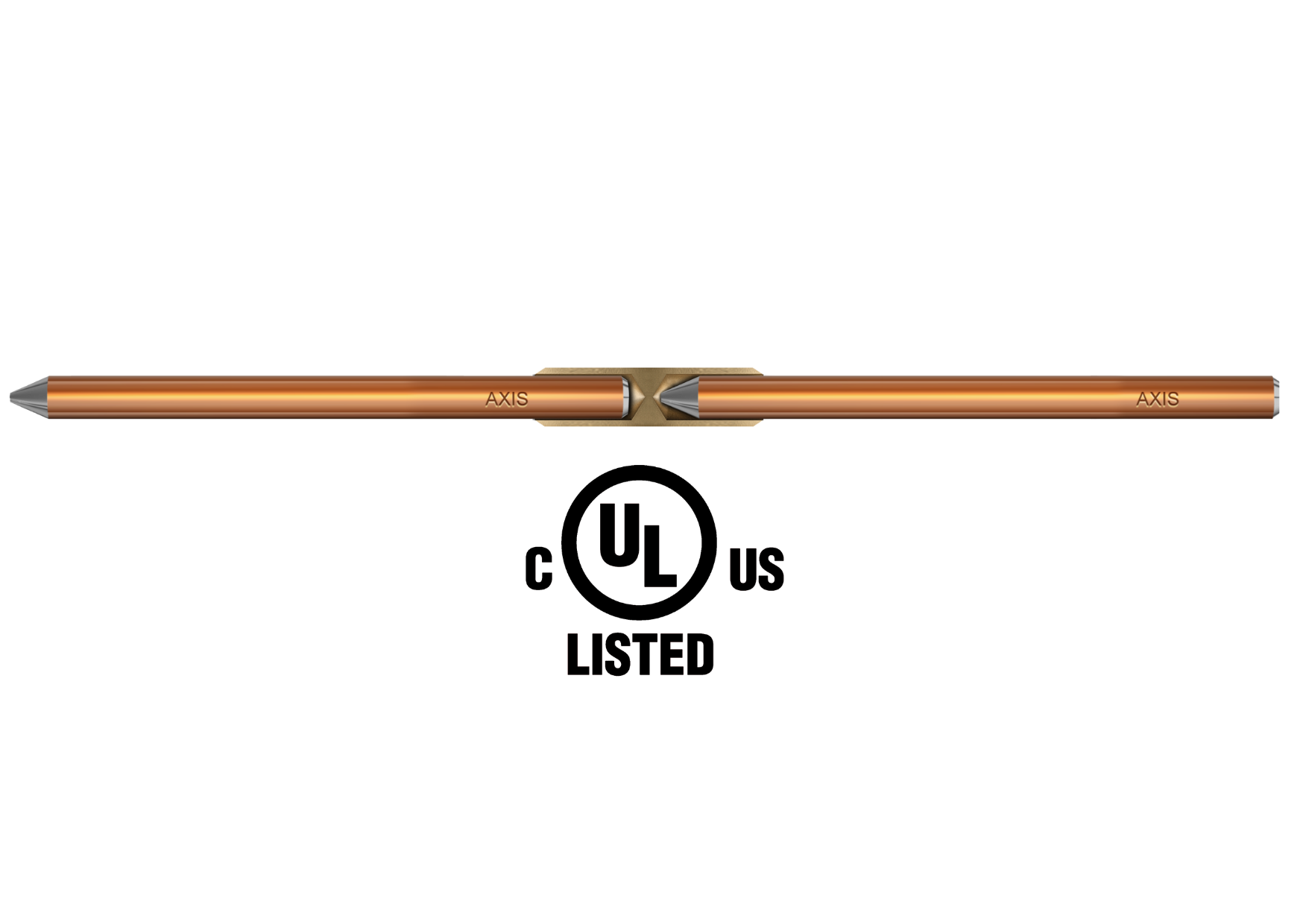
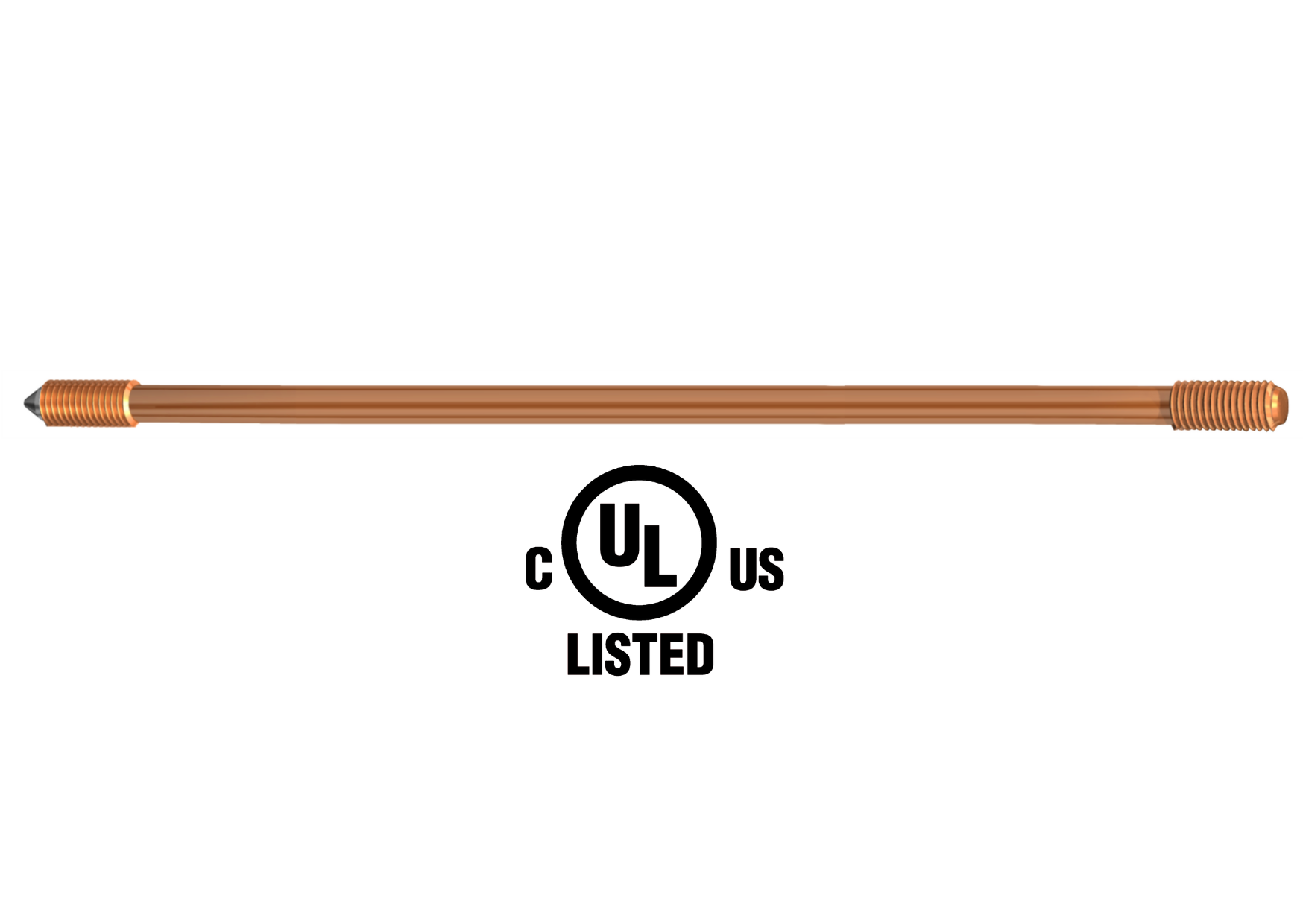
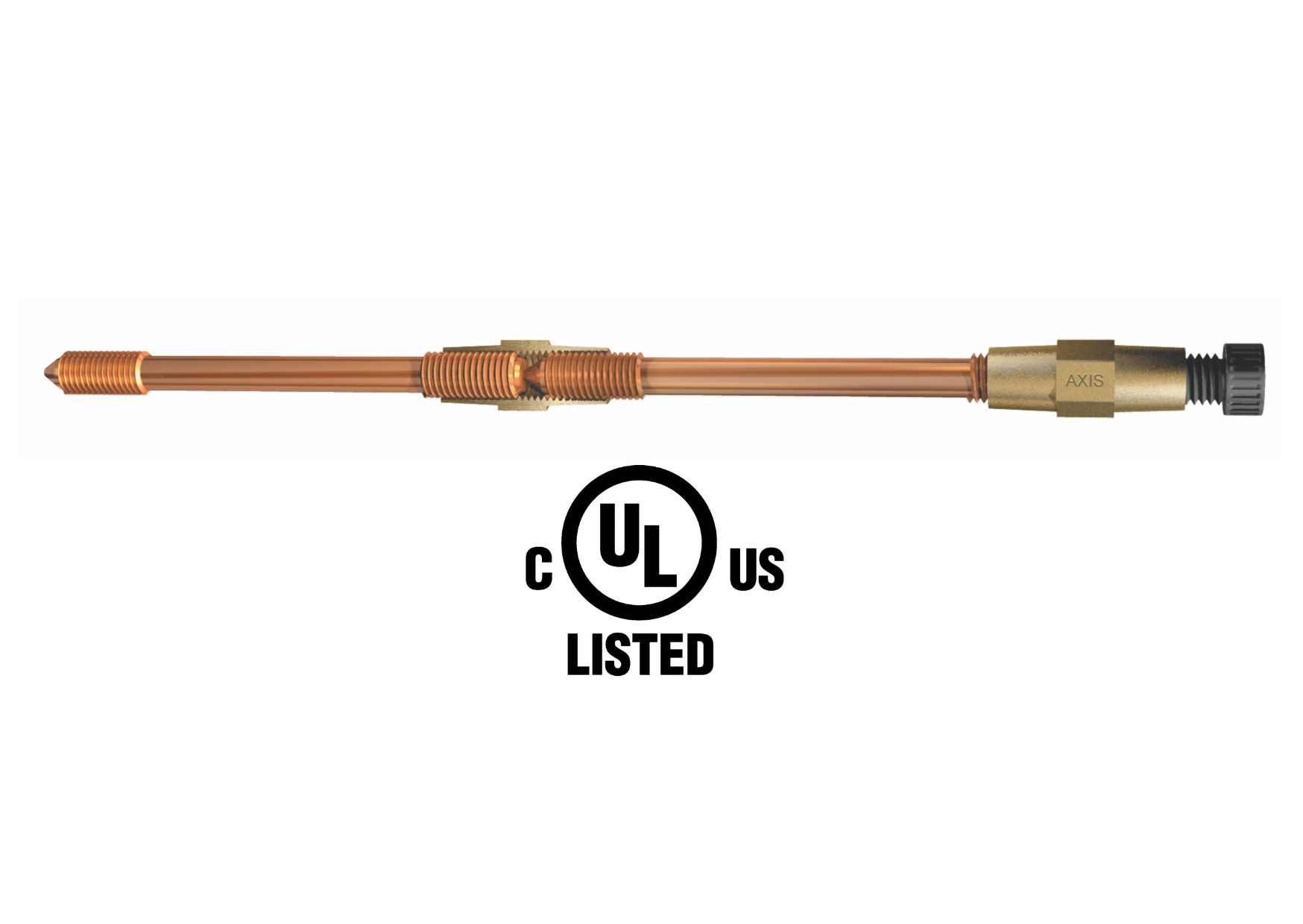
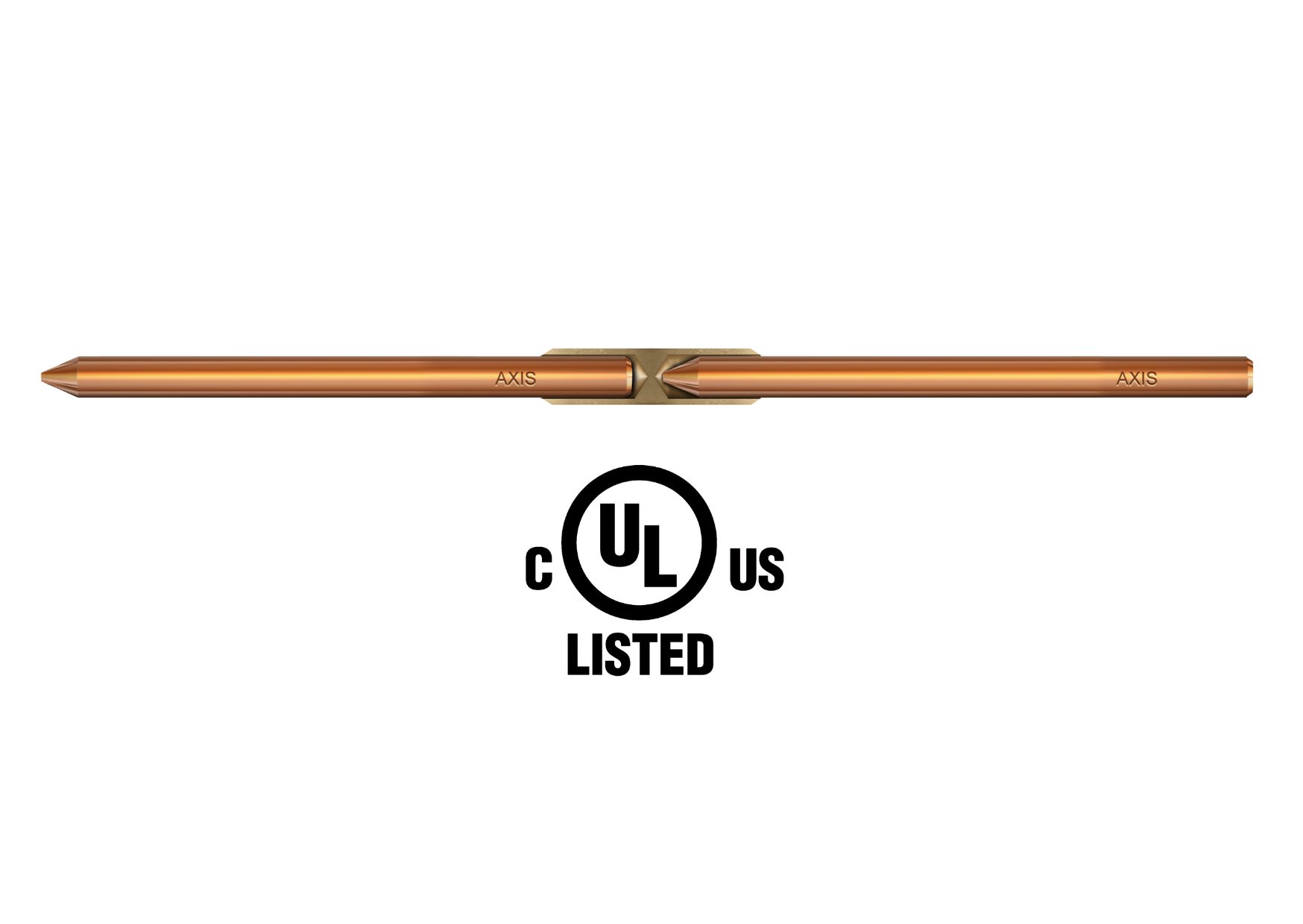
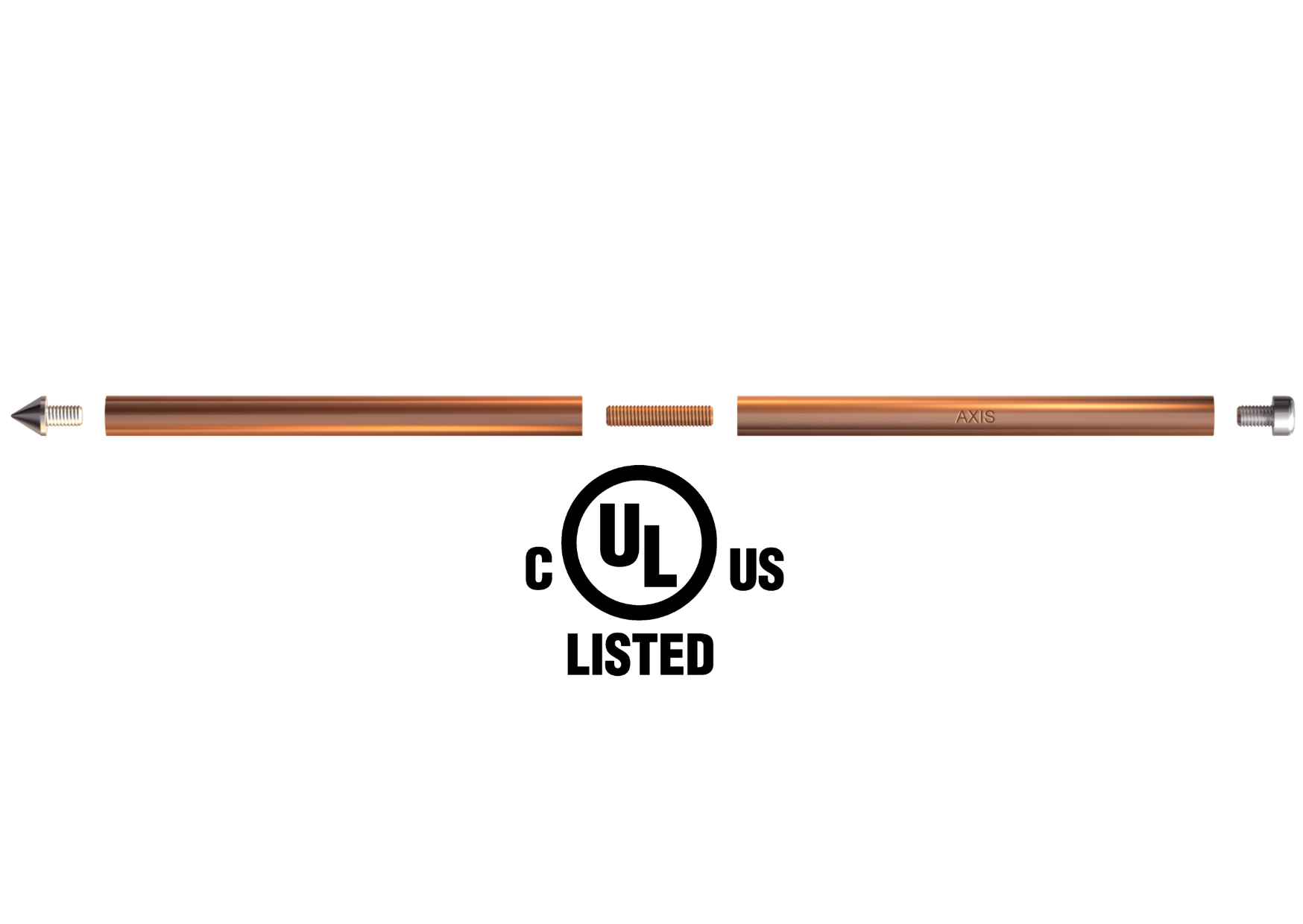
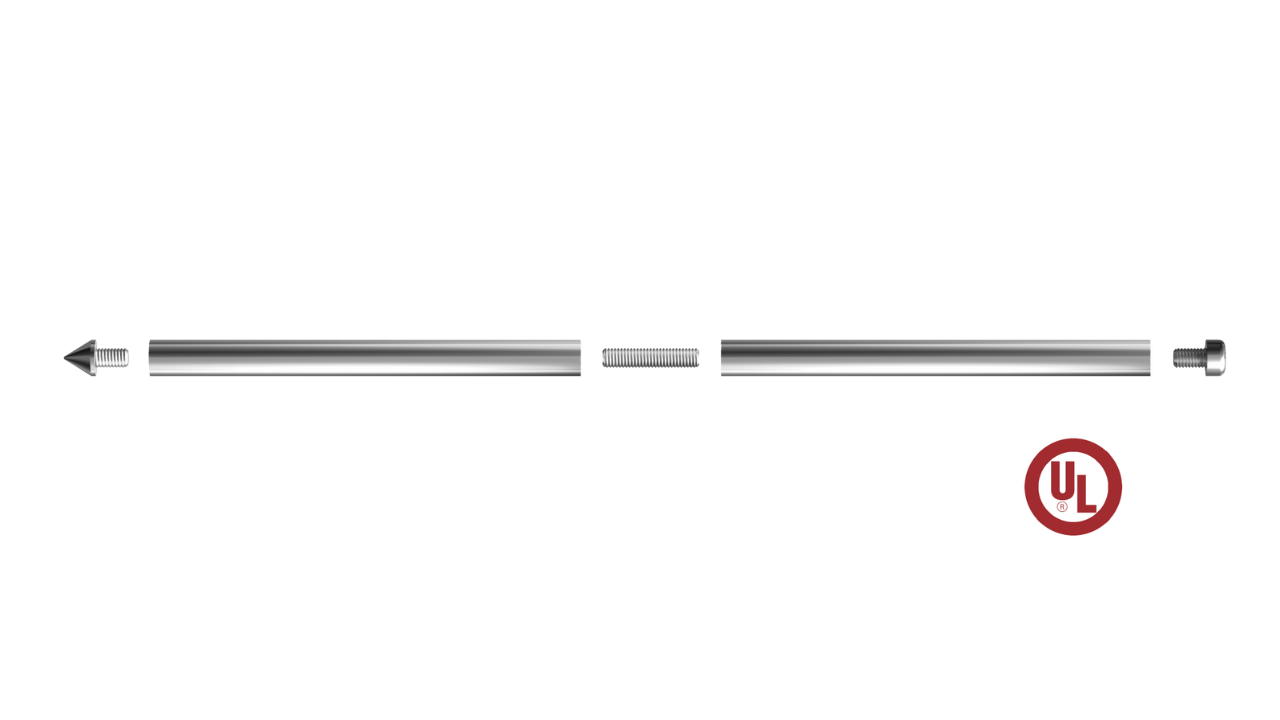
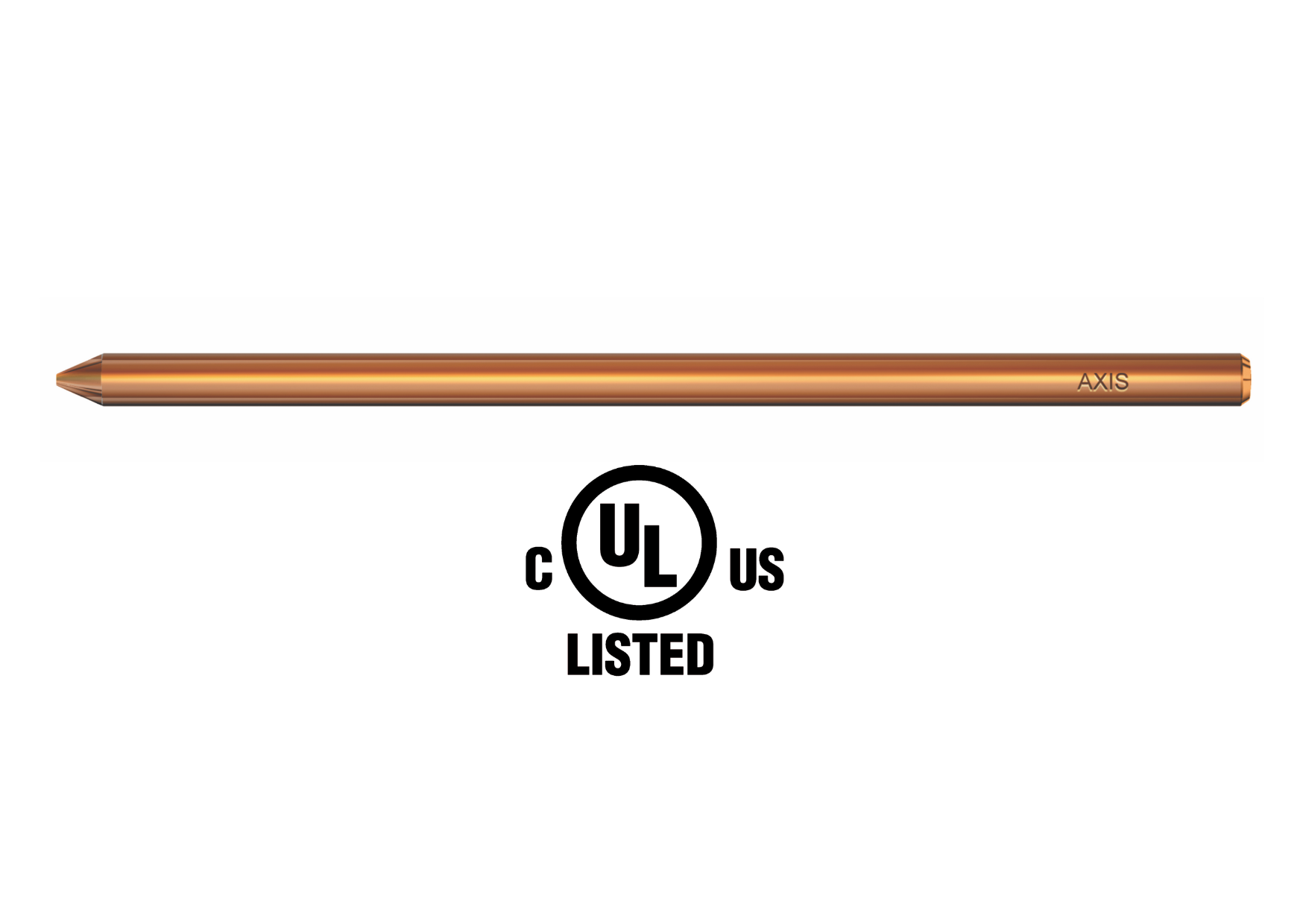
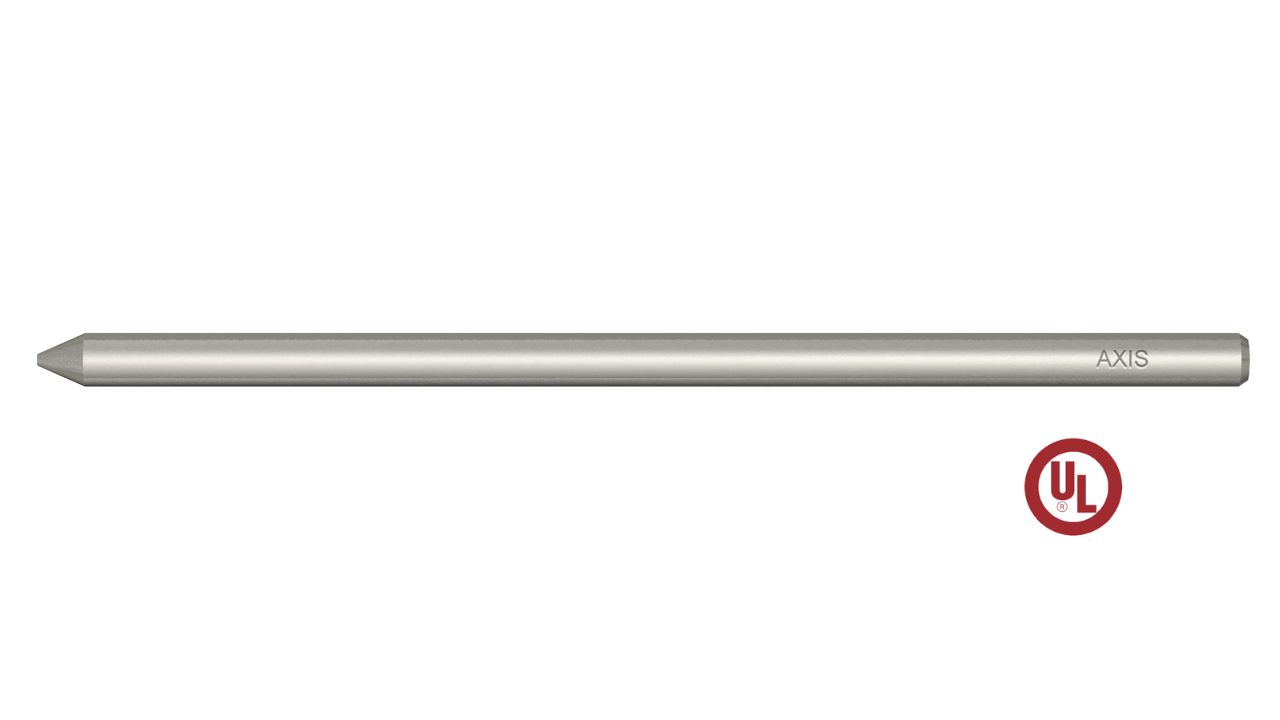
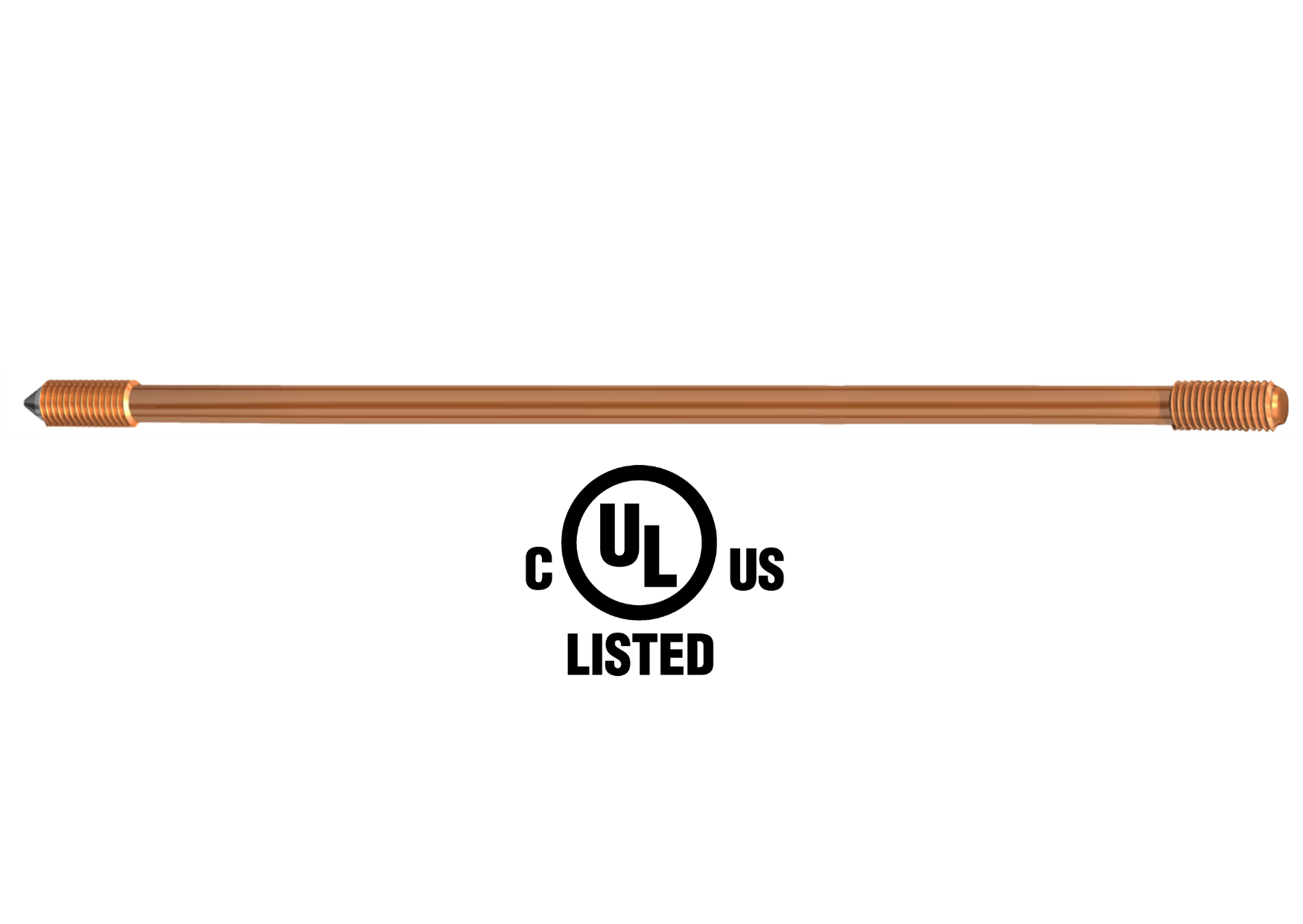
Copper bonded, solid copper and stainless steel rods from 12.7 to 25 mm, threaded and unthreaded.

Shield Check

IEC | UL | CSA | IEEE Tested and Certified

Substations

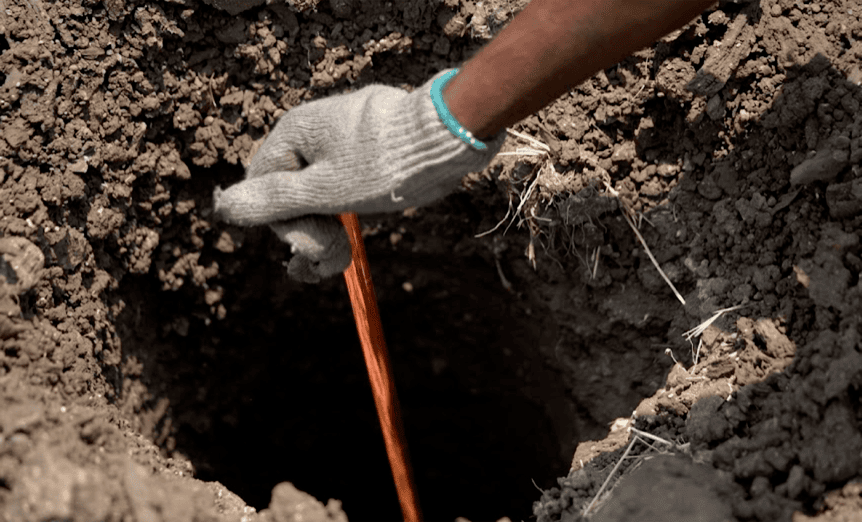
Learn How to Install an Earth Rod

Question Circle

Product Selection and Technical Support.

Guided Product Selector

Earth Rods Selector

Find the Right Earth Rod in Three Steps

Choose the rod material, rod type and assembly requirement. Rod diameter, length and thread size are listed on each product.

Select Earth Rod Material

Choose the rod material based on soil conditions and earthing requirements.

Select Rod Type

Choose the rod configuration based on installation requirements.

Rod Dimensions & Accessories

Select whether you need a single rod or a complete rod kit. Diameter, length and thread size are chosen on the product page.

selection criteria

How to Select Earth Rods
1
Step 1

Material

Select copper bonded steel, pure copper, stainless steel, or galvanised steel.

2
Step 2

Soil condition

Confirm whether the soil is normal, corrosive, saline, or has other metals buried nearby.

3
Step 3

Coating thickness

Confirm the copper thickness required, such as UL 467 minimum or 250 microns.

4
Step 4

Rod diameter

Share the required diameter from 12.7 mm to 25 mm.

5
Step 5

Rod length

Share the required length, such as 2440, 3000, or 3600 mm.

6
Step 6

Threaded or unthreaded

Confirm whether the rod needs to be extended, coupled, or withdrawn later.

7
Step 7

Thread size

Confirm 1/2", 9/16", 5/8", 3/4", or 1".

8
Step 8

Accessories

Confirm coupler, driving stud, driving head, and clamp requirement.

Learn From Our Engineers

Technical Guides and Resources

video

UL Testing Process for Earthing & Lightning Protection Products
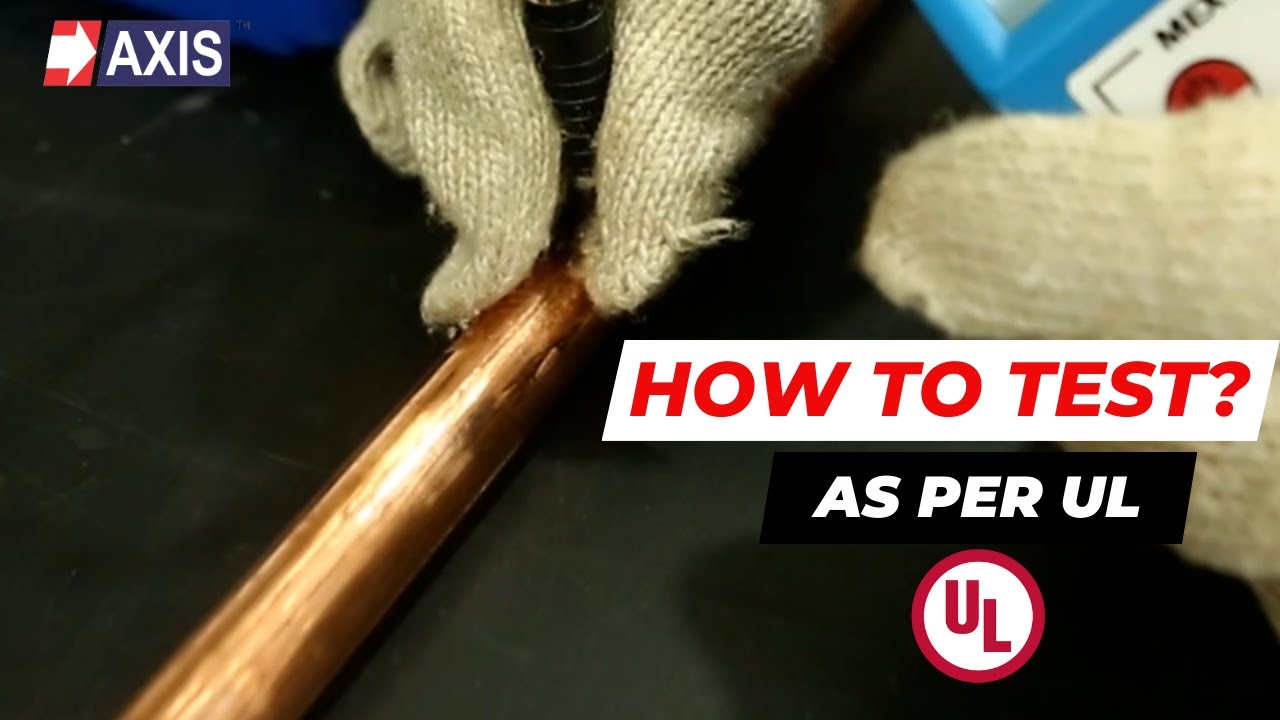
UL Testing Process for Earthing & Lightning Protection Products
video

Testing of UL Listed Copper Bonded Earth/Ground Rods
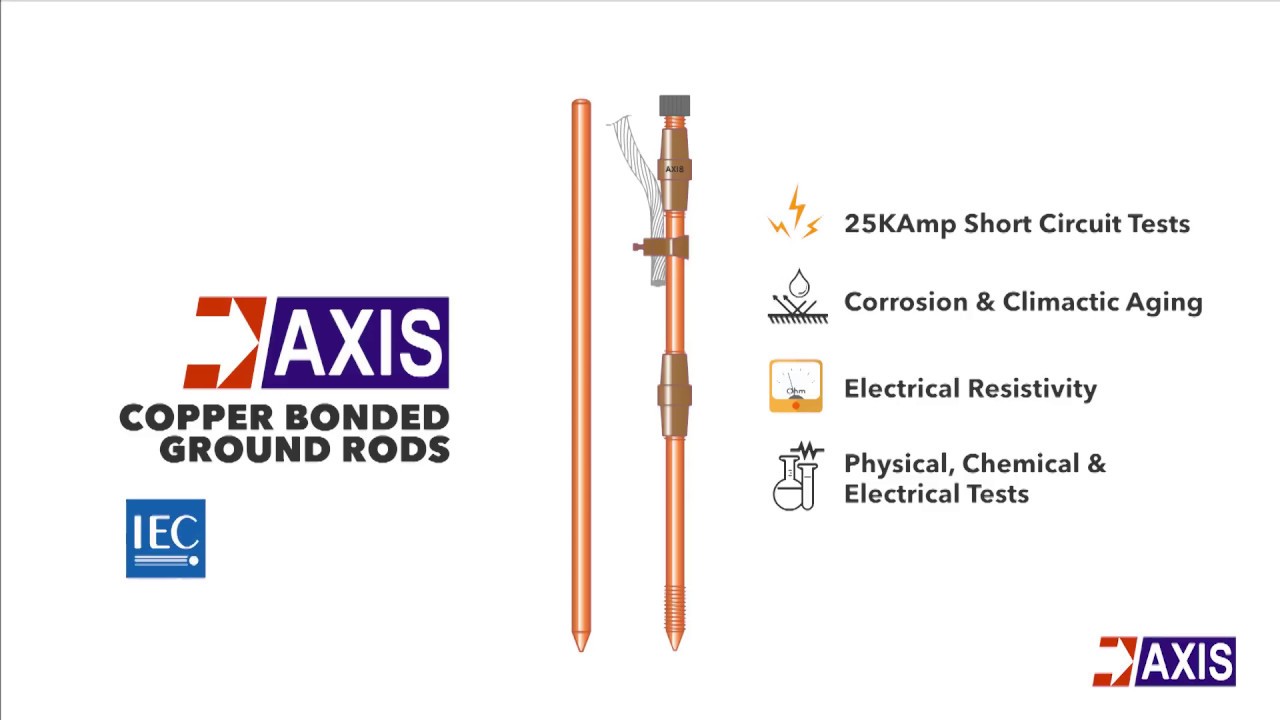
Testing of UL Listed Copper Bonded Earth/Ground Rods
video

Earth Rod Installation (On site) - Along with Clamps, Connectors, and Earth Pit.
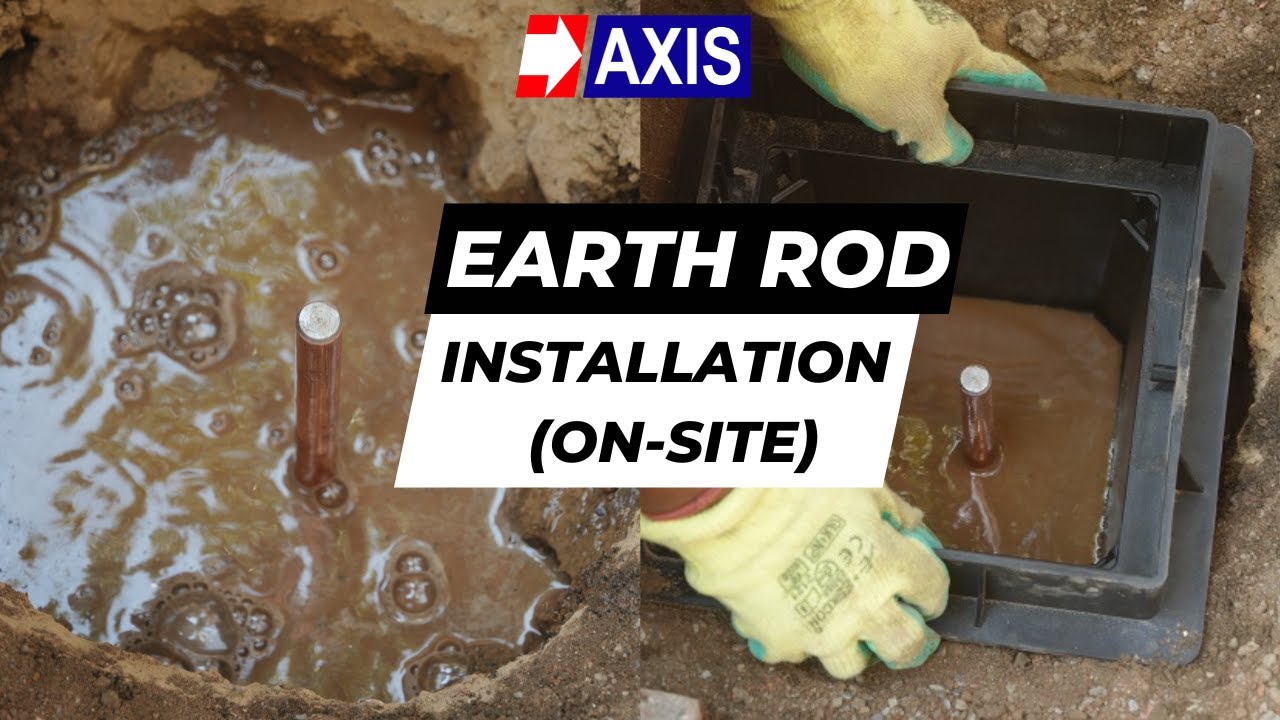
Earth Rod Installation (On site) - Along with Clamps, Connectors, and Earth Pit.
video

Earth Rod Installation - Step by Step Procedure Explained!
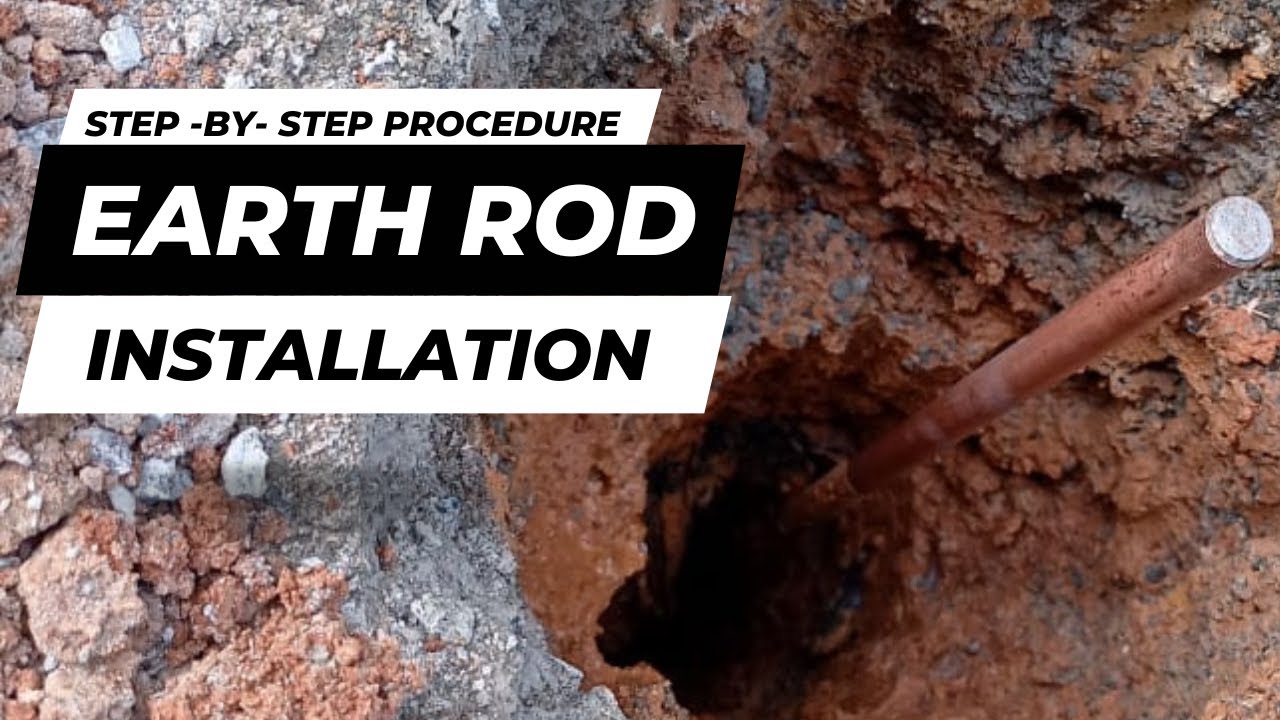
Earth Rod Installation - Step by Step Procedure Explained!
video

5 Types of Tests for Earth Rods - Electrical & Mechanical Tests
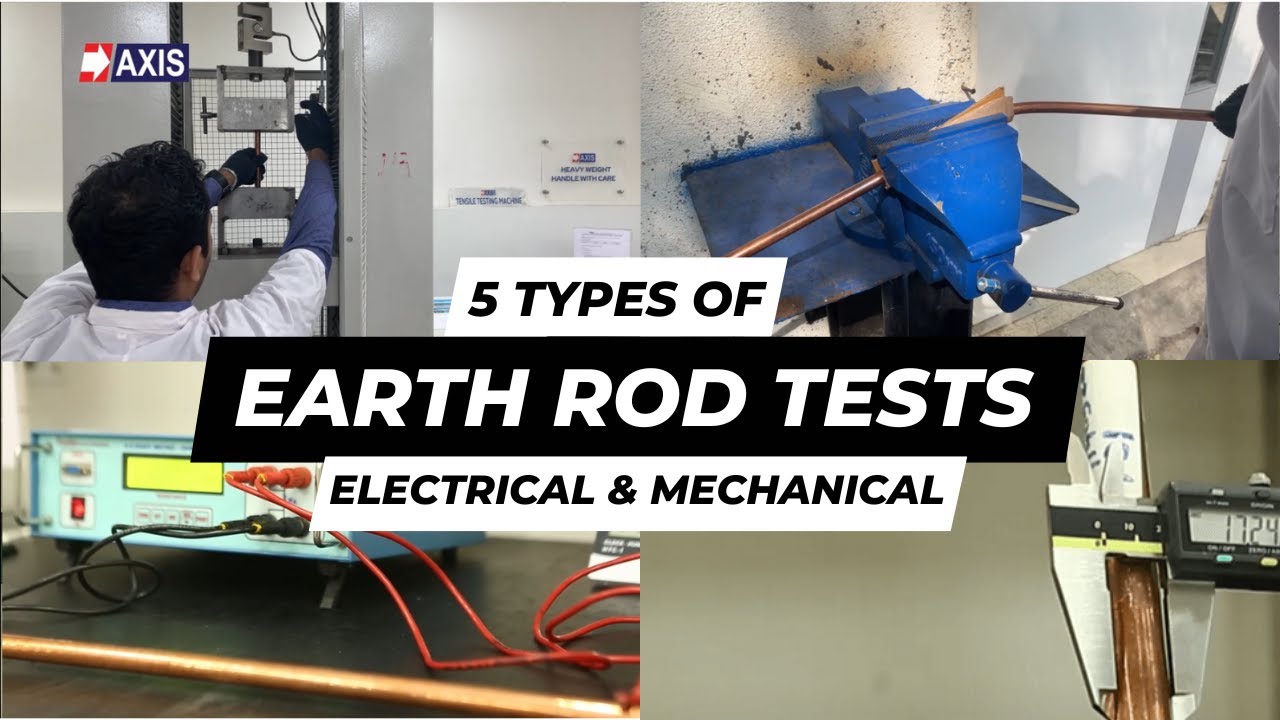
5 Types of Tests for Earth Rods - Electrical & Mechanical Tests
video

Type of Earth Rods - Technicalities & Applications Explained!
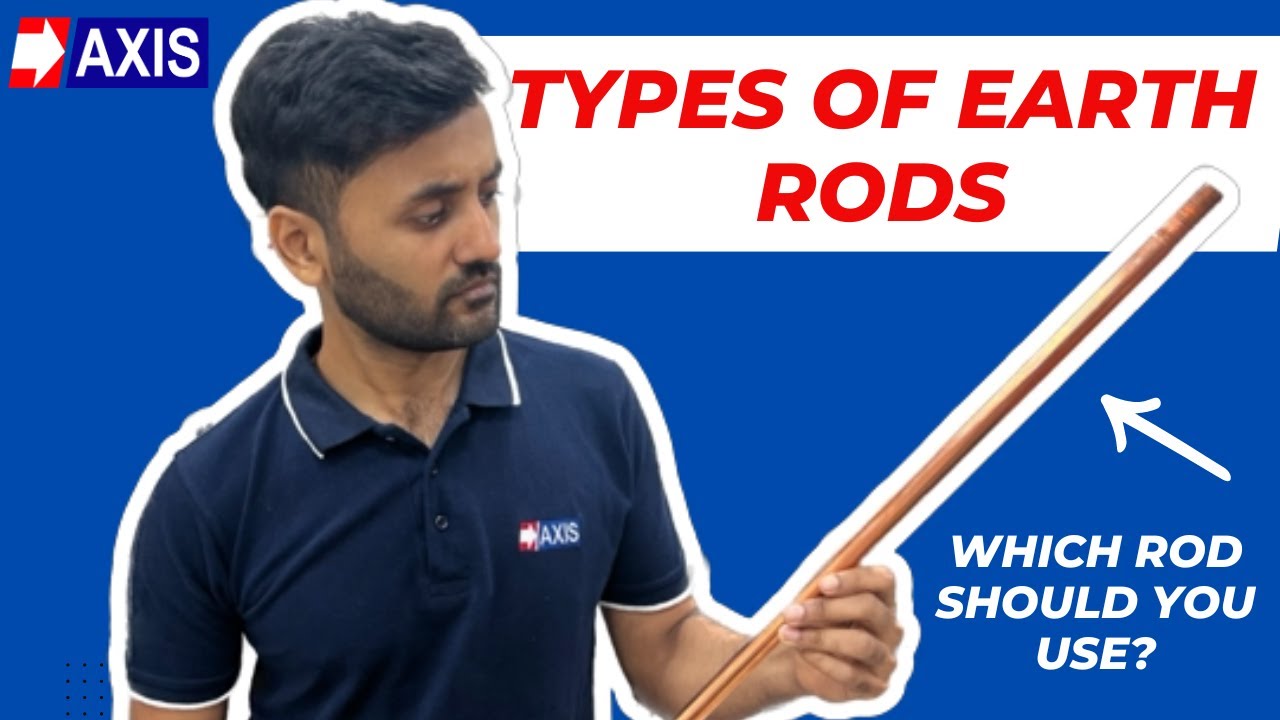
Type of Earth Rods - Technicalities & Applications Explained!
video

How to Select the Right Earth Rod Dimensions?
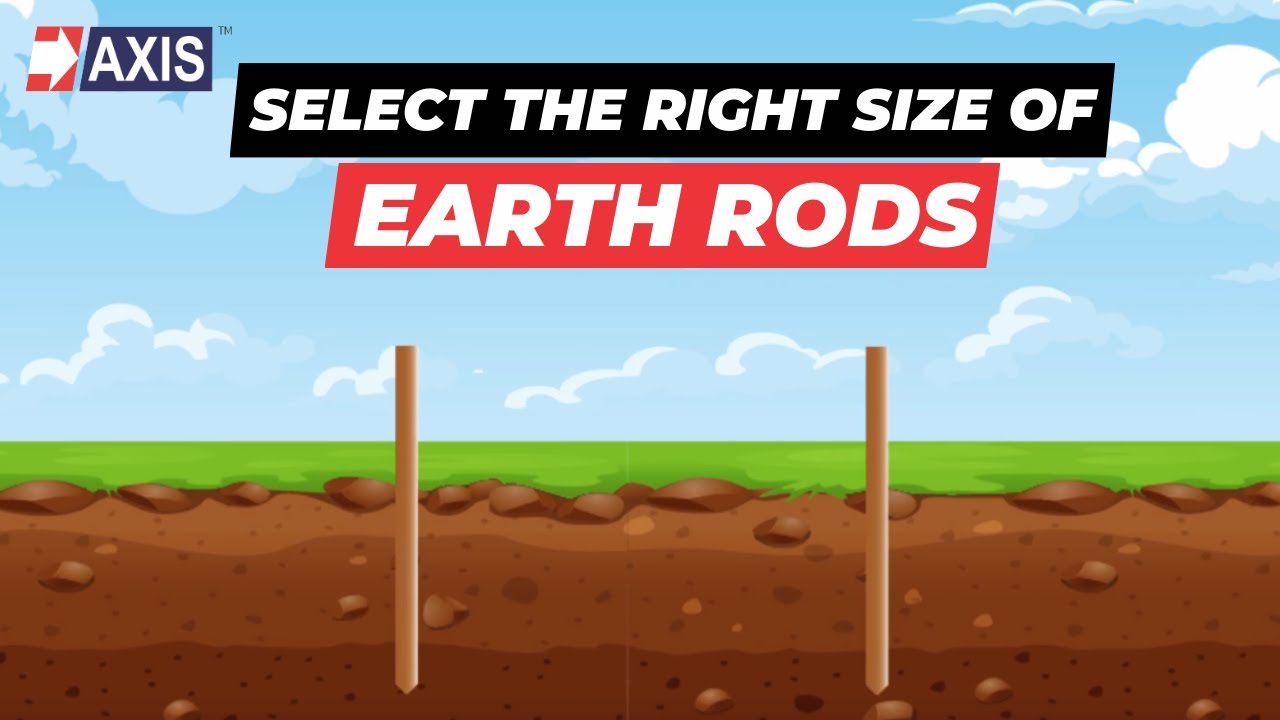
How to Select the Right Earth Rod Dimensions?

FAQS

Frequently Asked Questions

Find quick answers to common questions about our programs, admissions, eligibility, and application process to help you move forward with confidence.

Axis manufactures copper bonded, solid copper, and galvanised steel earth rods. Each type is specified for different soil conditions, fault current levels, and installation environments — copper bonded rods for standard applications, solid copper for highly corrosive soils, and galvanised steel where cost is the primary consideration.
Earth rods are permanently installed in soil and cannot be easily inspected or replaced. Corrosion at the rod surface increases earth resistance over time, reducing the effectiveness of the earthing system. Copper bonded and solid copper rods maintain consistent conductivity and low earth resistance across the service life of the installation.
Earth rod selection depends on soil resistivity, expected fault current levels, and the installation environment. Copper bonded rods are suitable for most standard soil conditions. Solid copper rods are specified for highly corrosive or aggressive soil environments. Soil resistivity measurement before installation is recommended to confirm the correct rod type, length, and quantity required to achieve the target earth resistance.
Earth rods are not recommended for reuse after removal. Driving and extraction can compromise the structural integrity of the rod and the bond between the copper layer and the steel core. New rods ensure consistent conductivity and compliance with the earthing system design parameters.
Earth rod pricing varies with rod length, diameter, and copper coating thickness. Longer and larger diameter rods provide lower earth resistance in high resistivity soils and carry higher fault current capacity — making them the correct specification for demanding utility, substation, and industrial earthing applications rather than simply a more expensive option.

Download Catalogue