
Earth Pits and Fittings
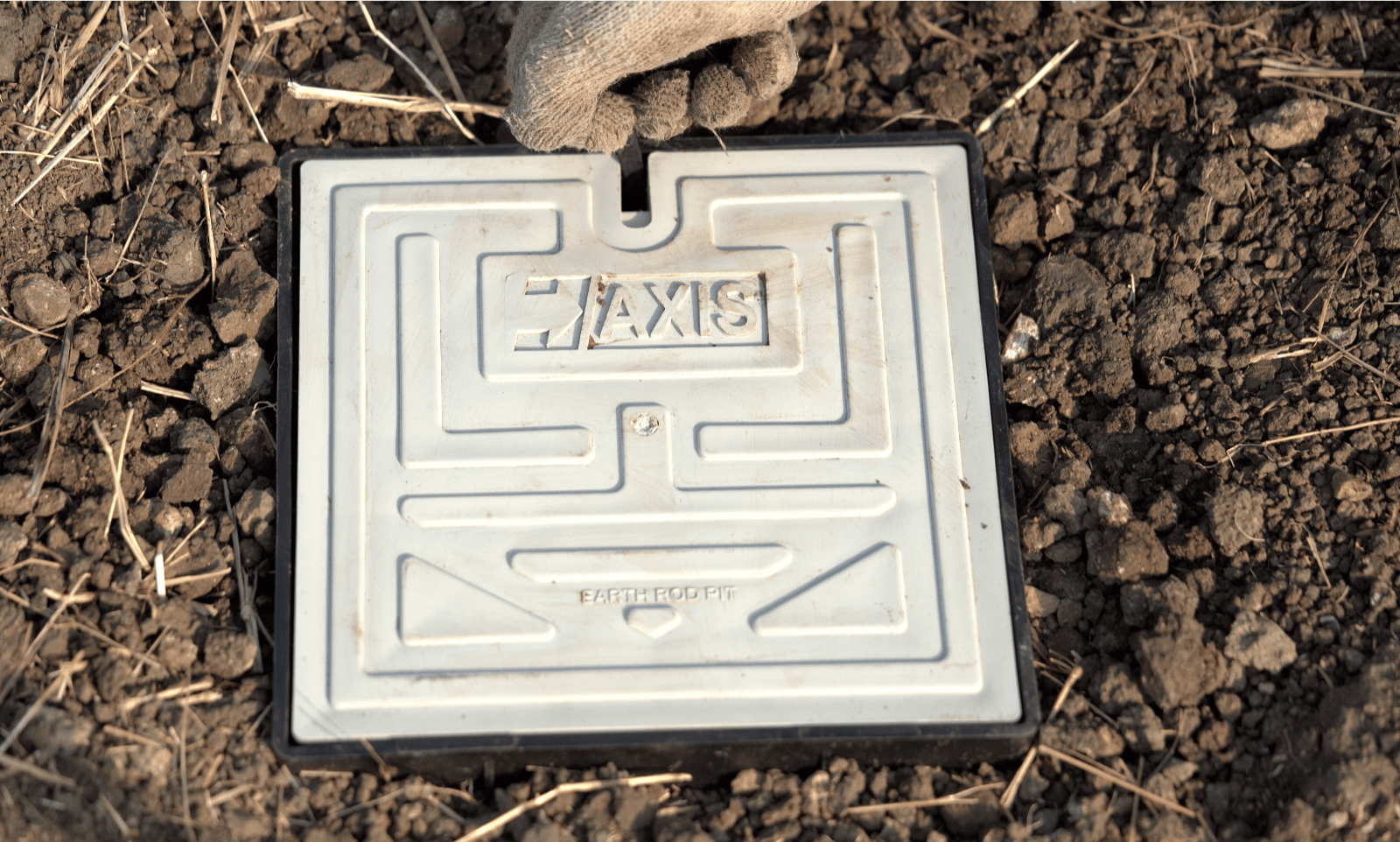

Approved by 80+ Utilities Worldwide

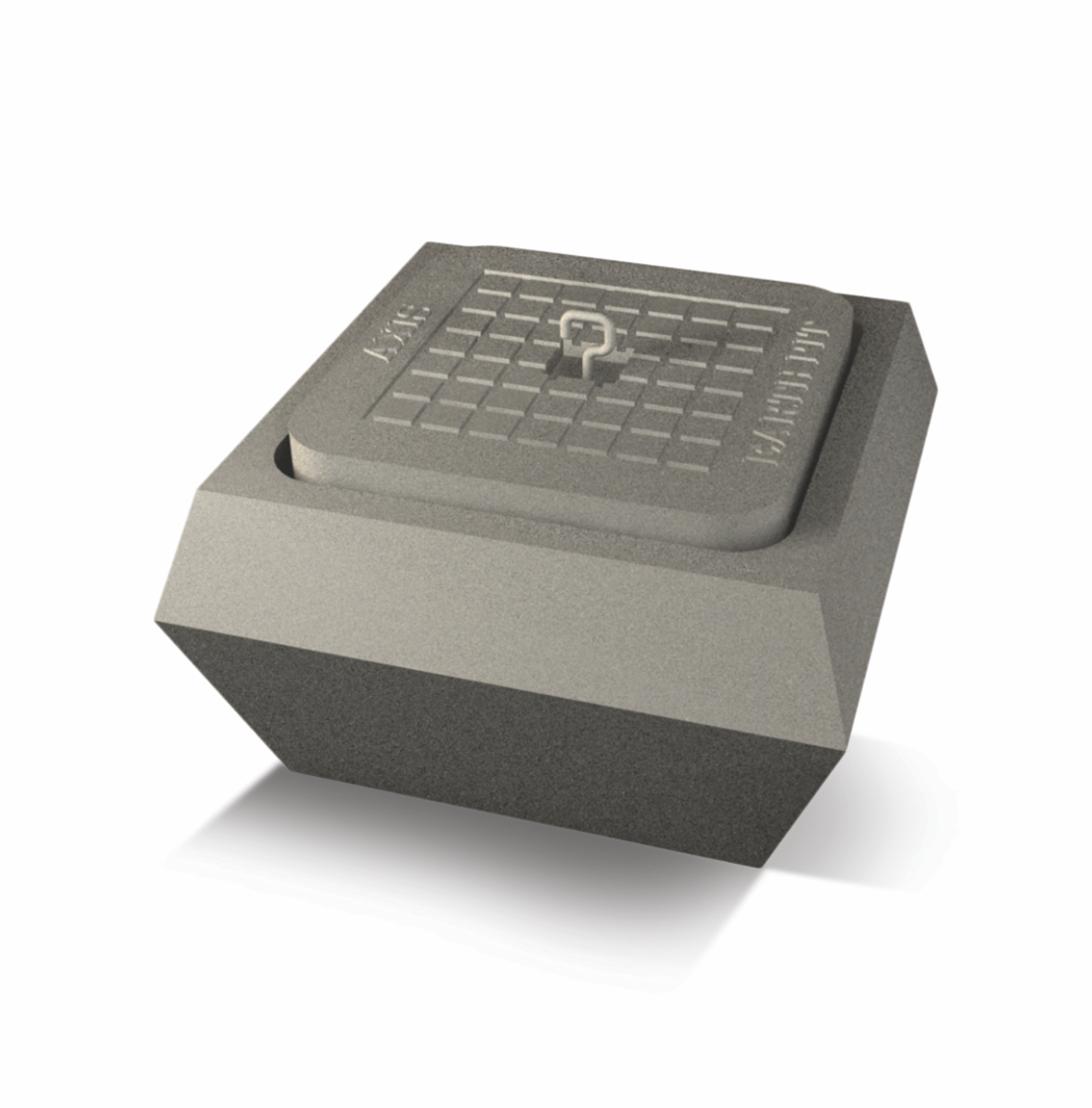
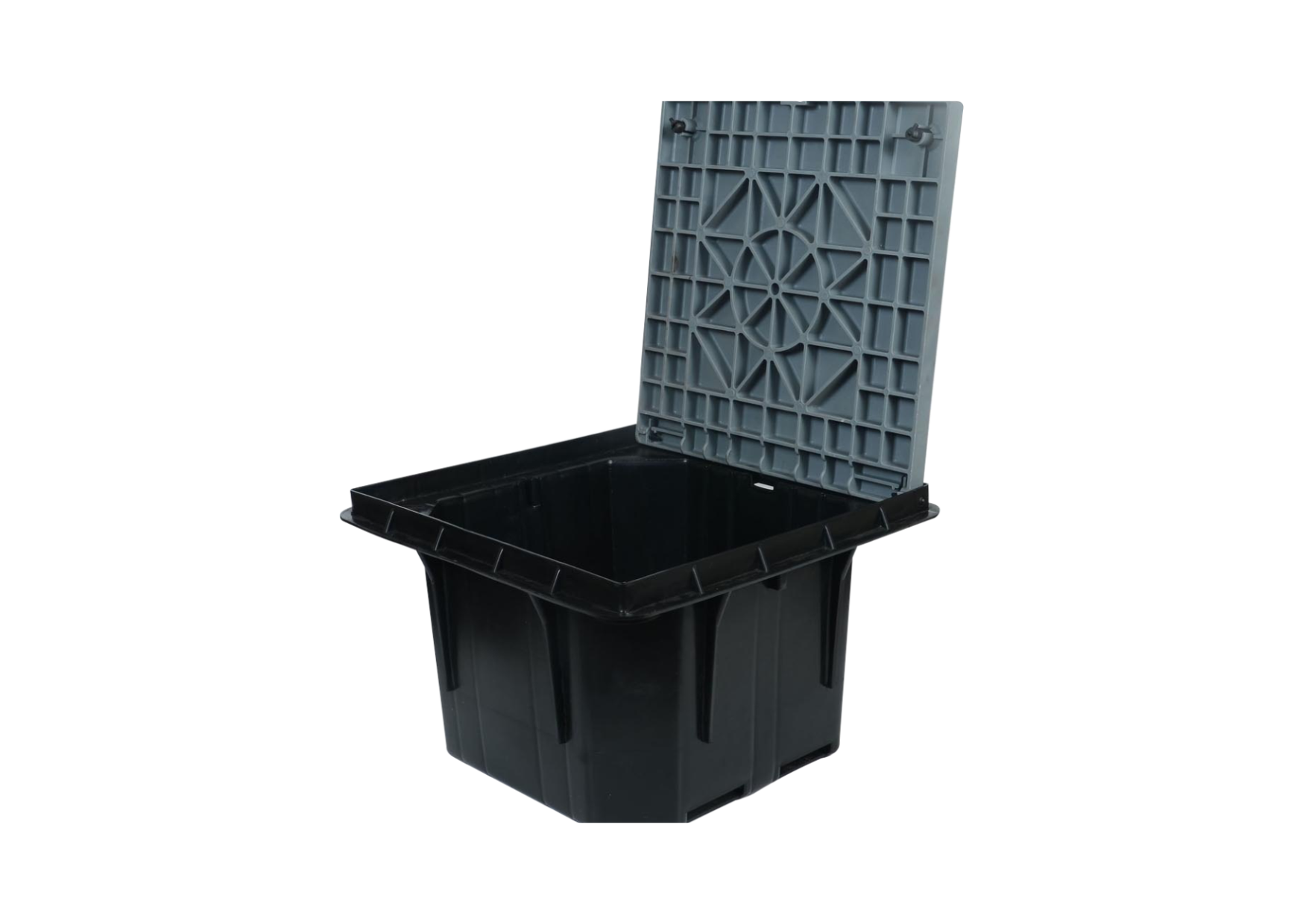
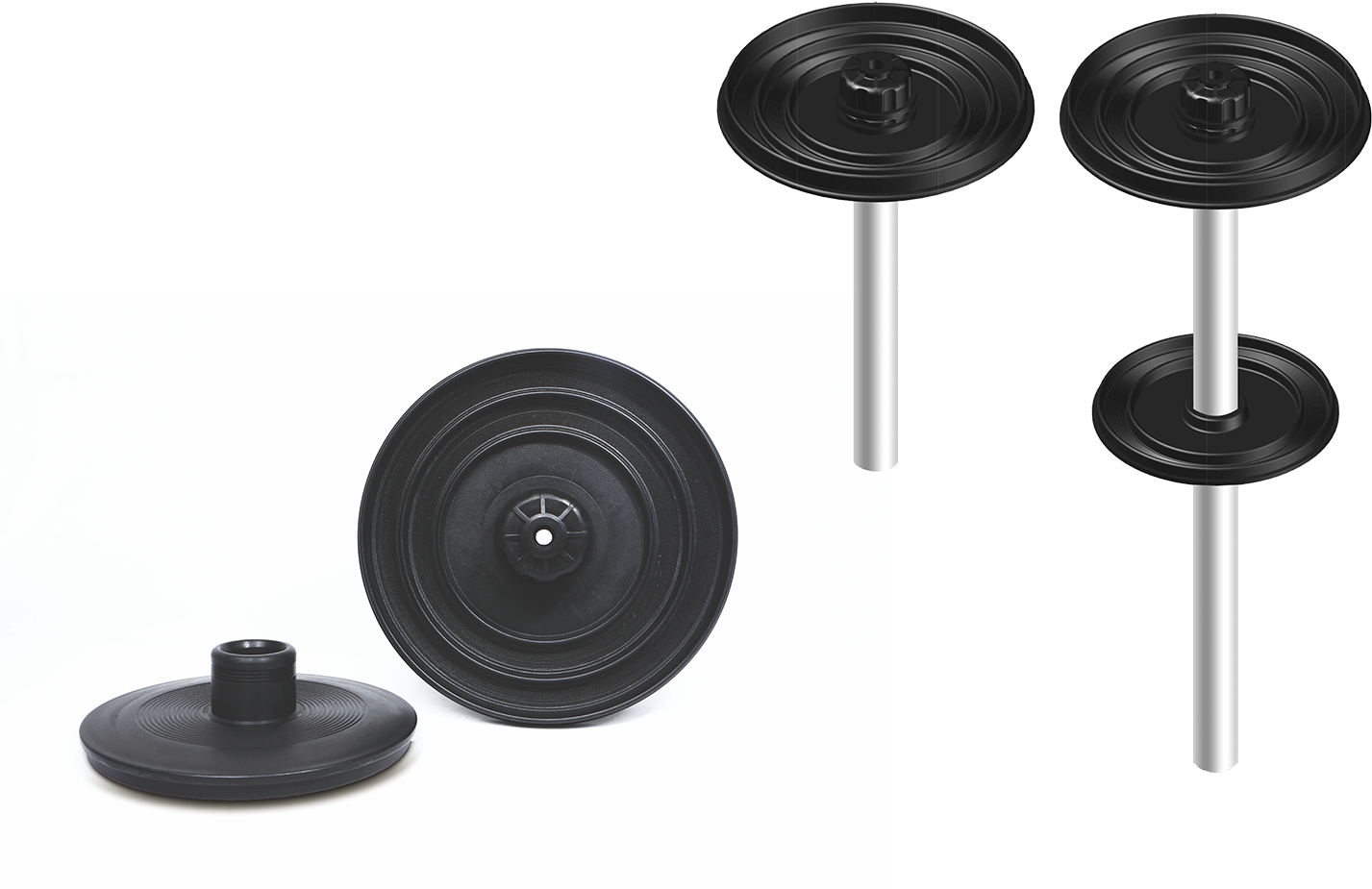
Lightweight plastic and concrete earth pits in 245, 300 and 500 mm sizes with covers and fittings.

IEC | UL | CSA | IEEE Tested and Certified

Learn to Install an Earth Pit

Product Selection and Technical Support.
Guided Product Selector
Earth Pits and Fittings Selector
Find the Right Earthing Equipment or Fitting
Choose the equipment and configuration. Pit size, rod diameter and flange details are listed on each product.
Select Earthing Equipment Type
Choose the equipment based on your earthing installation requirements.
Select Equipment Configuration
Choose the appropriate design based on the selected product.
1
Step 1
Select Earthing Equipment Type
Choose the equipment based on your earthing installation requirements.
2
Step 2
Select Equipment Configuration
Choose the appropriate design based on the selected product.
Learn From Our Engineers
Technical Guides
and Resources
video
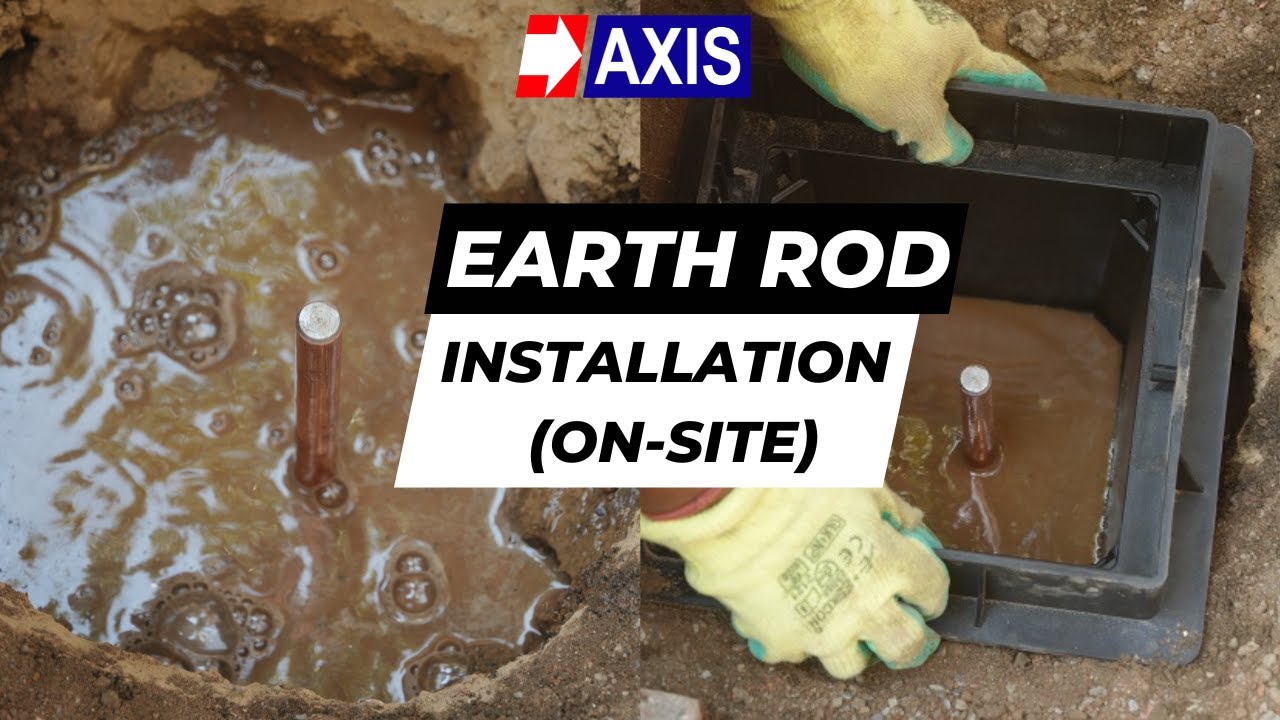
Earth Rod Installation (On site) - Along with Clamps, Connectors, and Earth Pit.
video
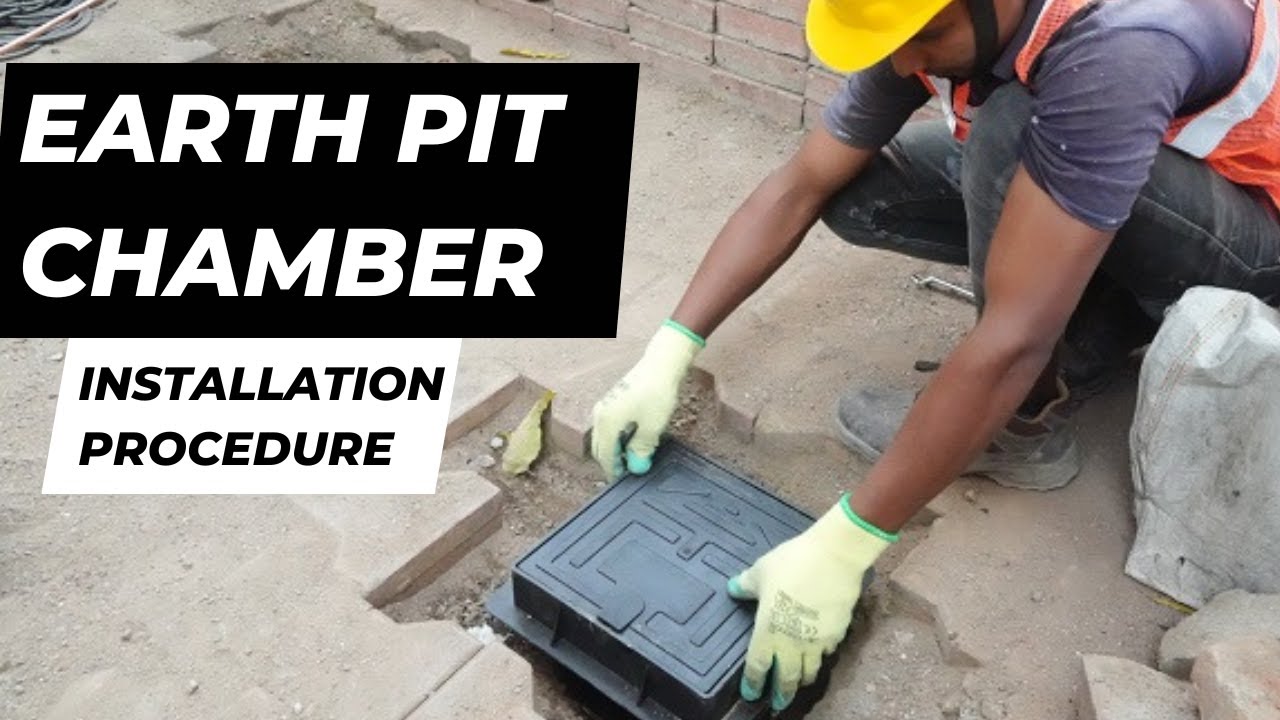
Earth Pit Chamber Installation Procedure, Types & Construction
FAQS
Frequently Asked Questions
Find quick answers to common questions about our programs, admissions, eligibility, and application process to help you move forward with confidence.
It gives you access. The pit sits at ground level over the electrode connection, with a removable cover, so the joint between the earth conductor and the electrode can be seen, tested, and worked on without excavation. It is an enclosure, not part of the electrical path.
Plastic pits are injection moulded, light to handle and transport, and rated to around 2000 kg. They suit landscaped areas, plant rooms, and sites where handling matters. Concrete pits are rated to around 4000 kg and suit roadways, yards, and anywhere vehicles cross. Choose on the load the cover will see, not on price alone.
Fine, moisture retaining soil free of stones and construction debris, or an earth enhancing compound where the native soil is rocky, sandy, or high in resistivity. Avoid clean sand and coarse gravel. They drain well, which is exactly the wrong property, since resistance depends on moist contact with the electrode surface.
The electrode head, the connection between the electrode and the earth conductor, and a disconnection or test link. Without that link you can only measure the whole earthing system in parallel, and you will never know which electrode has degraded.
Setting the pit below the finished ground level so it fills with water, backfilling with rubble or sand, leaving the connection buried under the pit instead of inside it, and mixing metals at the clamp. Each one is invisible at handover and expensive later.