

Approved by 80+ Utilities Worldwide

Rods, plates, strips, clamps, pits and compounds for a complete earthing system.

IEC | UL | CSA | IEEE Tested and Certified

Guide to Substation Earthing

Product Selection and Technical Support.
selection criteria
How to Select Earthing Material
Product raNGE
Explore Products

Ground Rods
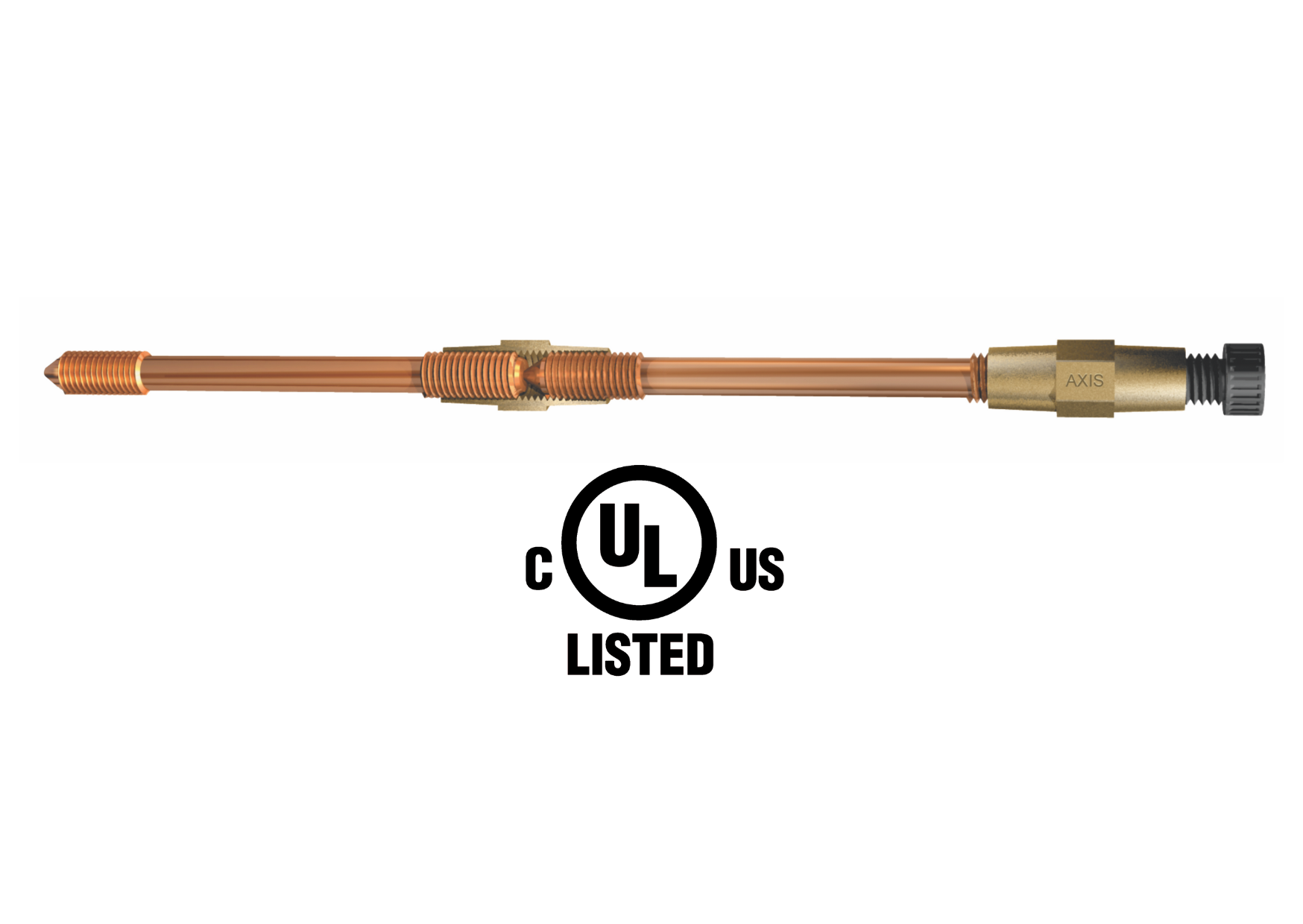
Copper Bonded Ground Rods (Threaded) Kit
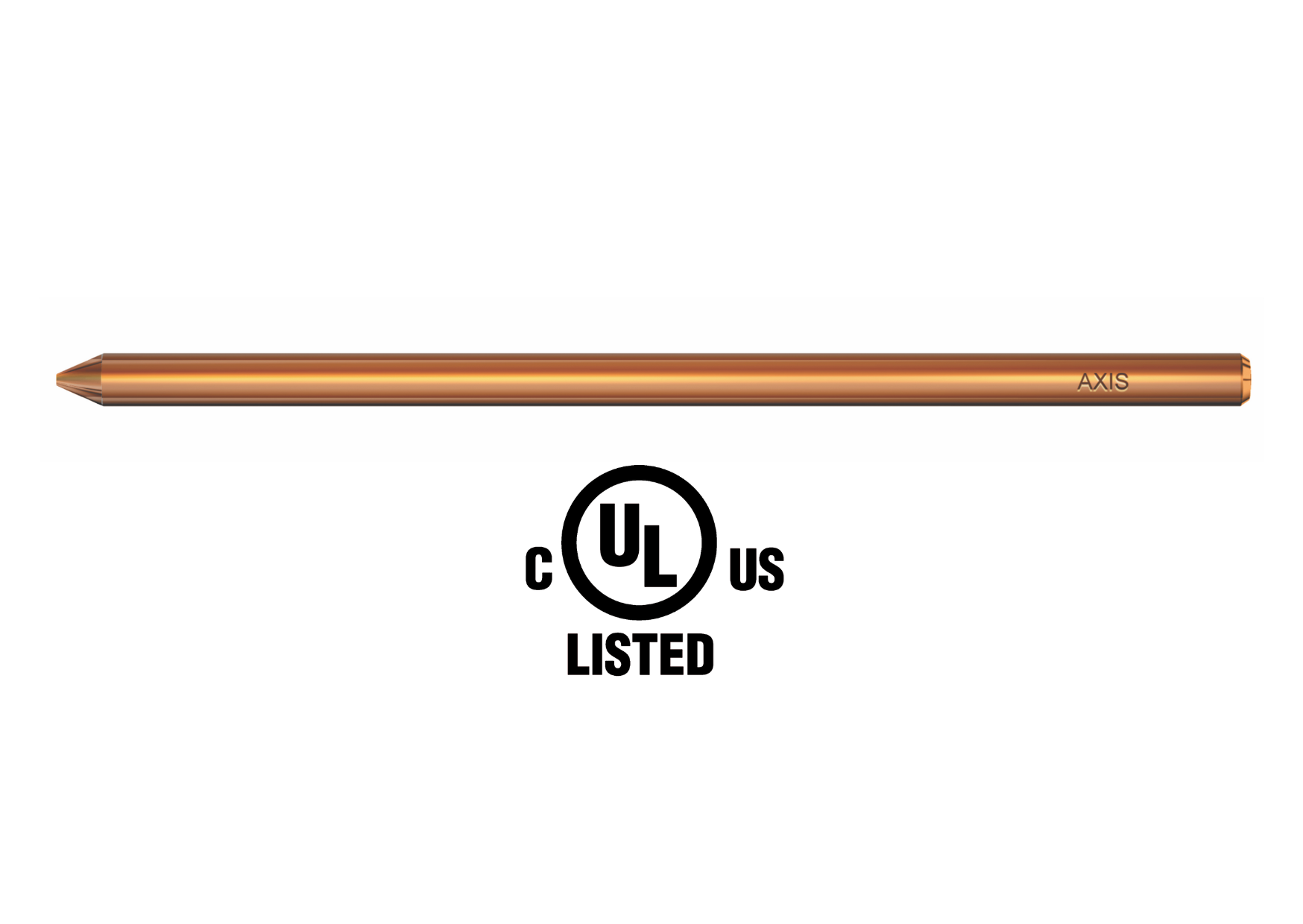
Copper Bonded Ground Rods (Unthreaded)
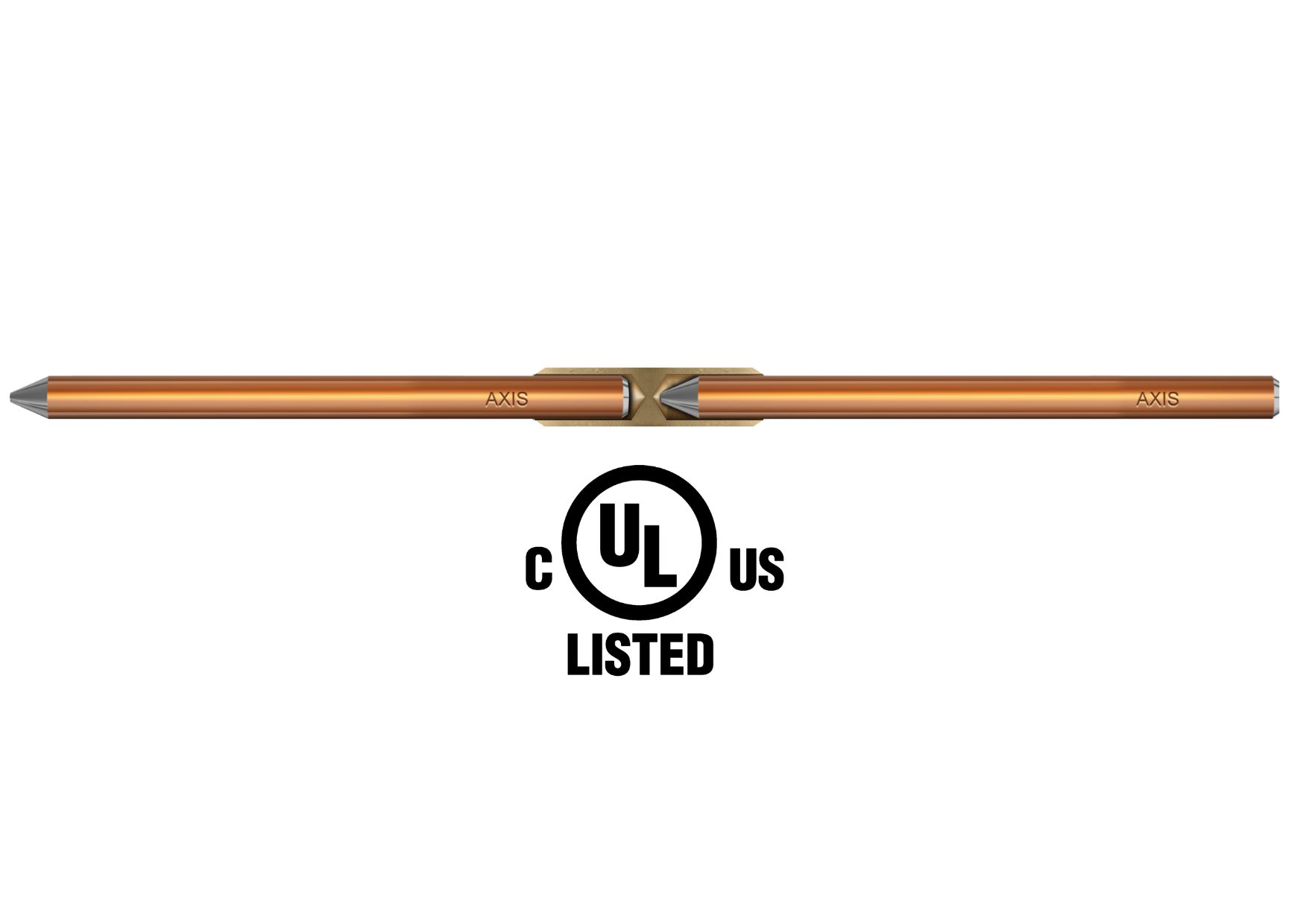
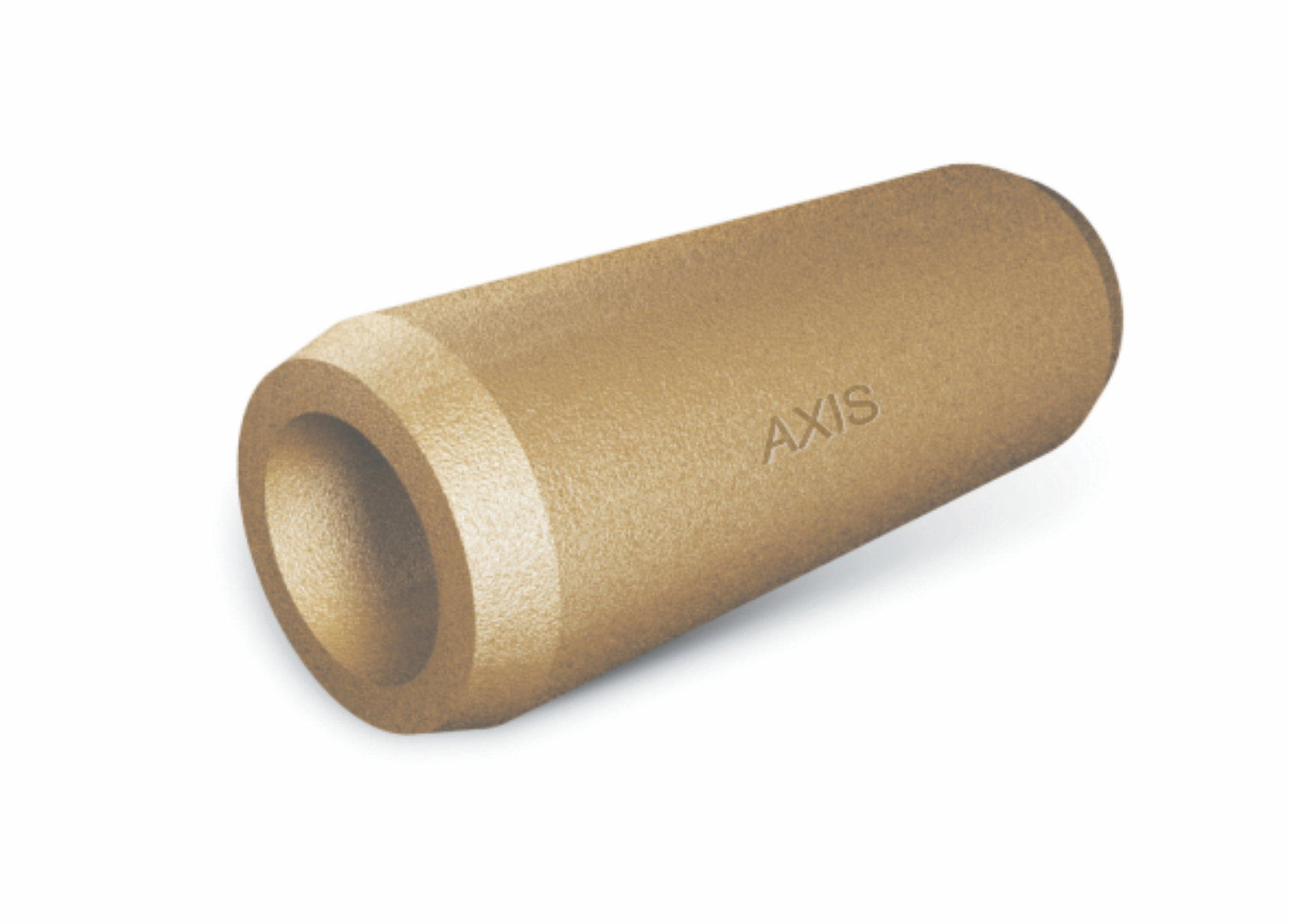
Copper bonded earth rod kit comprising two unthreaded rods and a matching press-fit coupler for creating a longer grounding electrode while maintaining electrical and mechanical continuity.
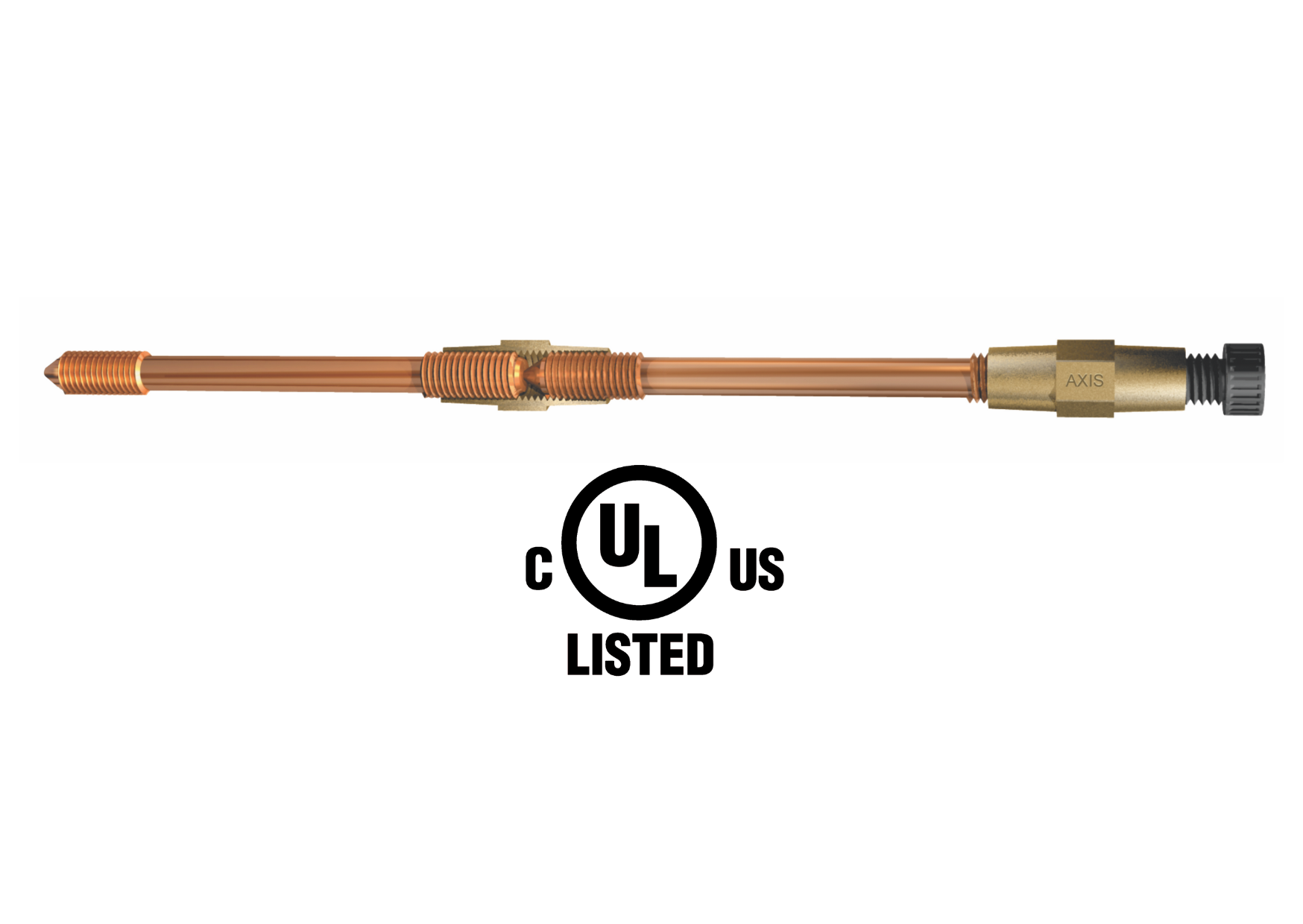
Pure Copper Ground Rods (Threaded) Kit
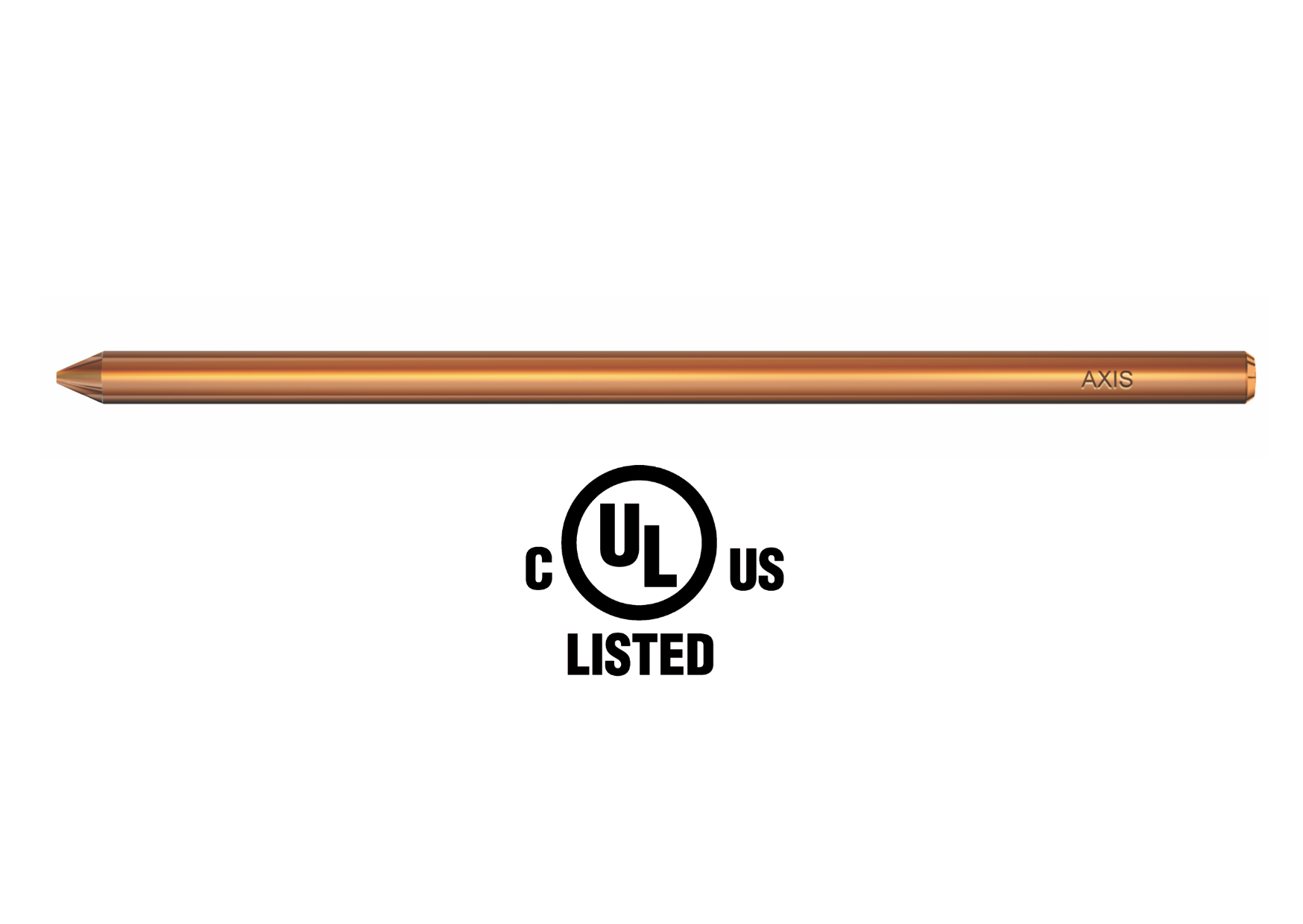
Pure Copper Ground Rods (Unthreaded)
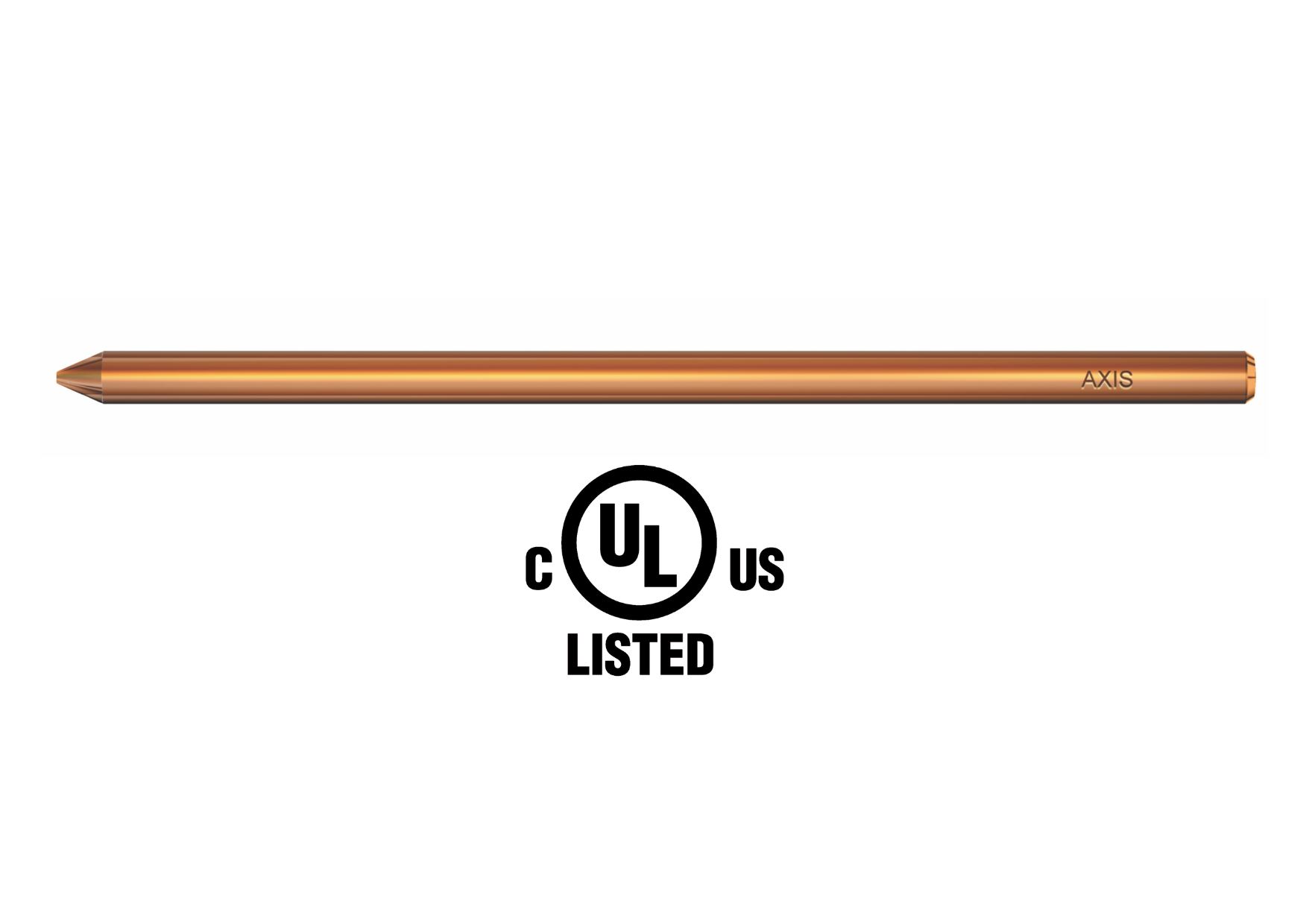
Pure Copper Grounds Rods (Threaded)
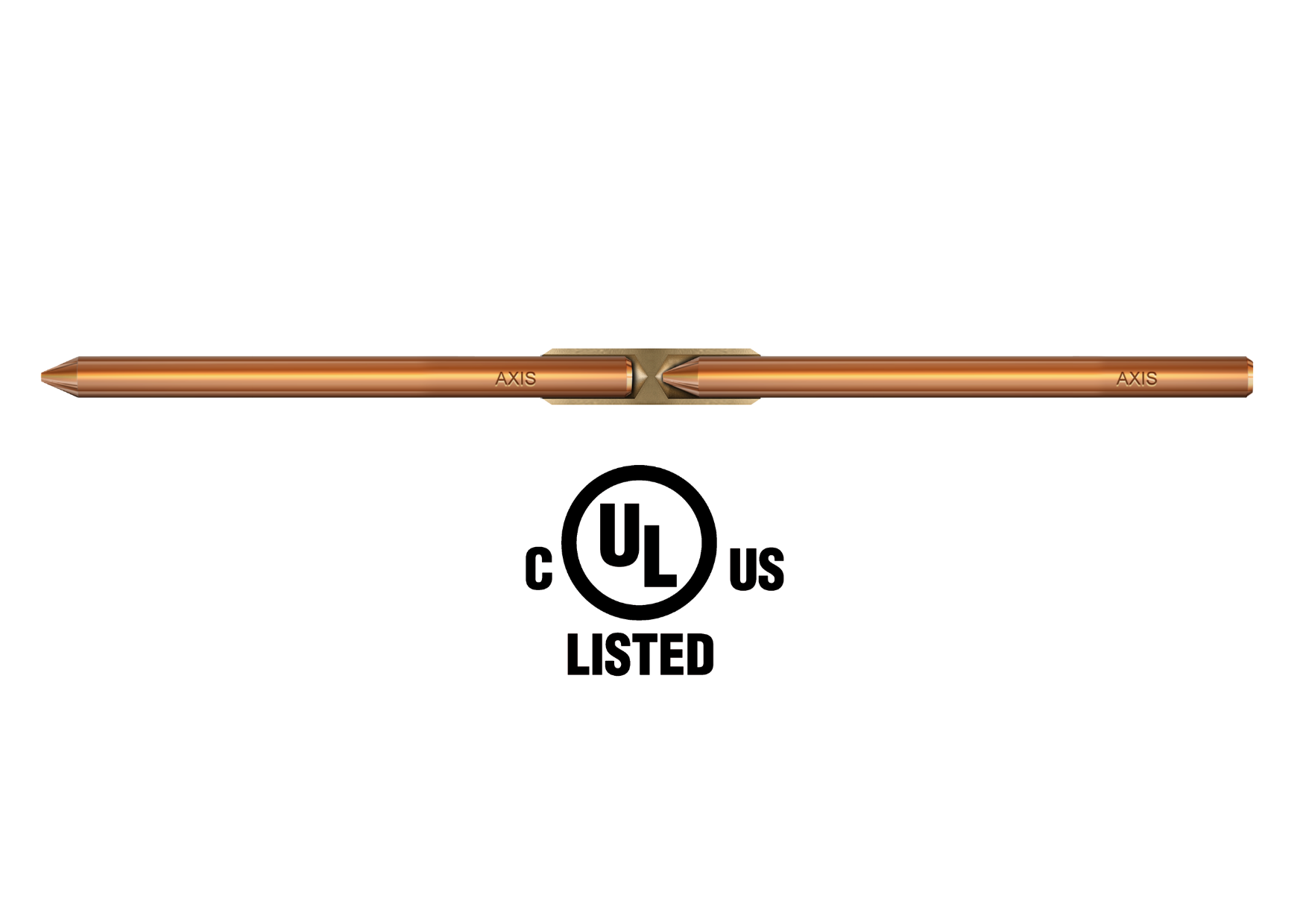
Pure Copper Ground Rods (Unthreaded) Kit
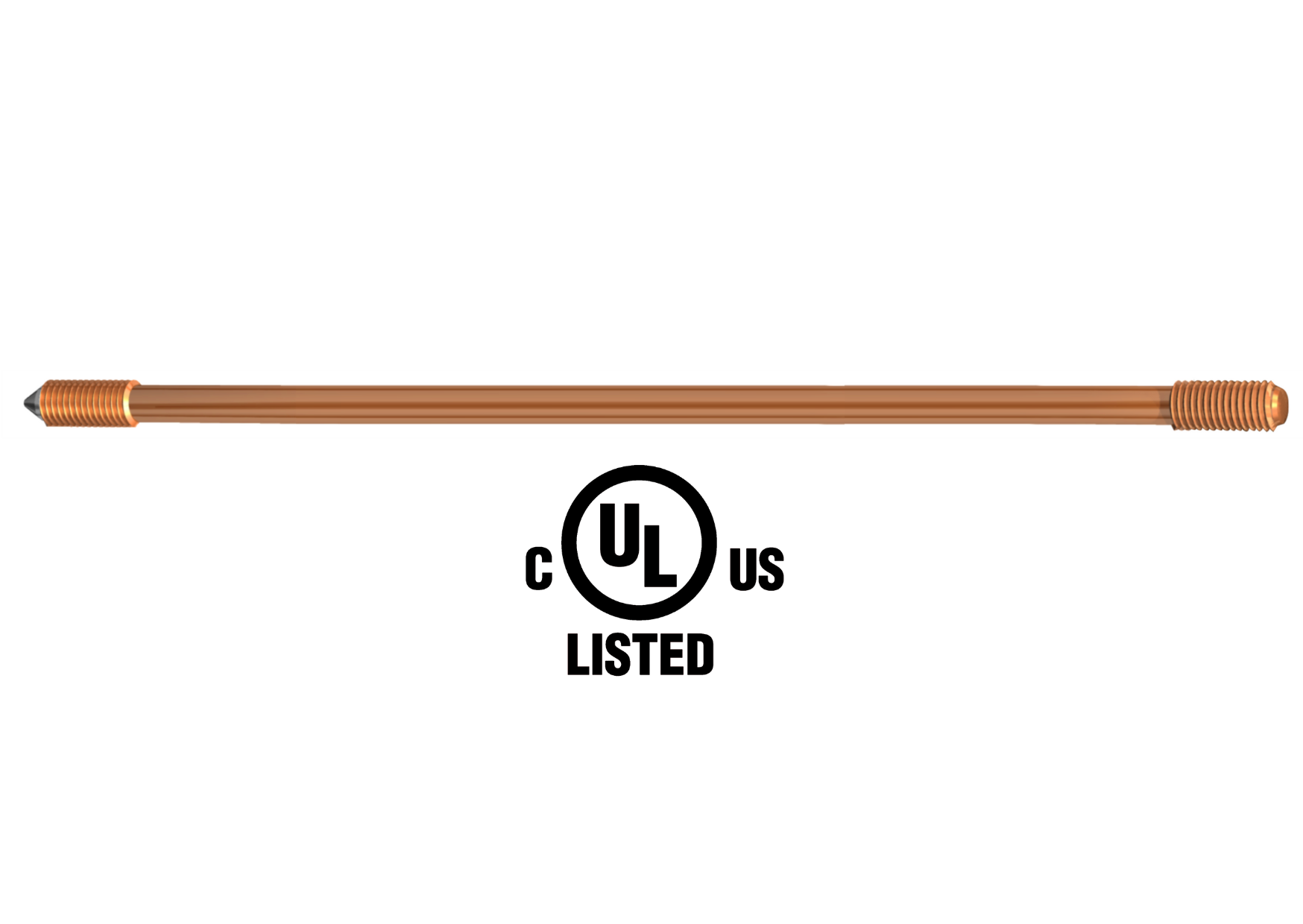
Copper Bonded Rods (Threaded)
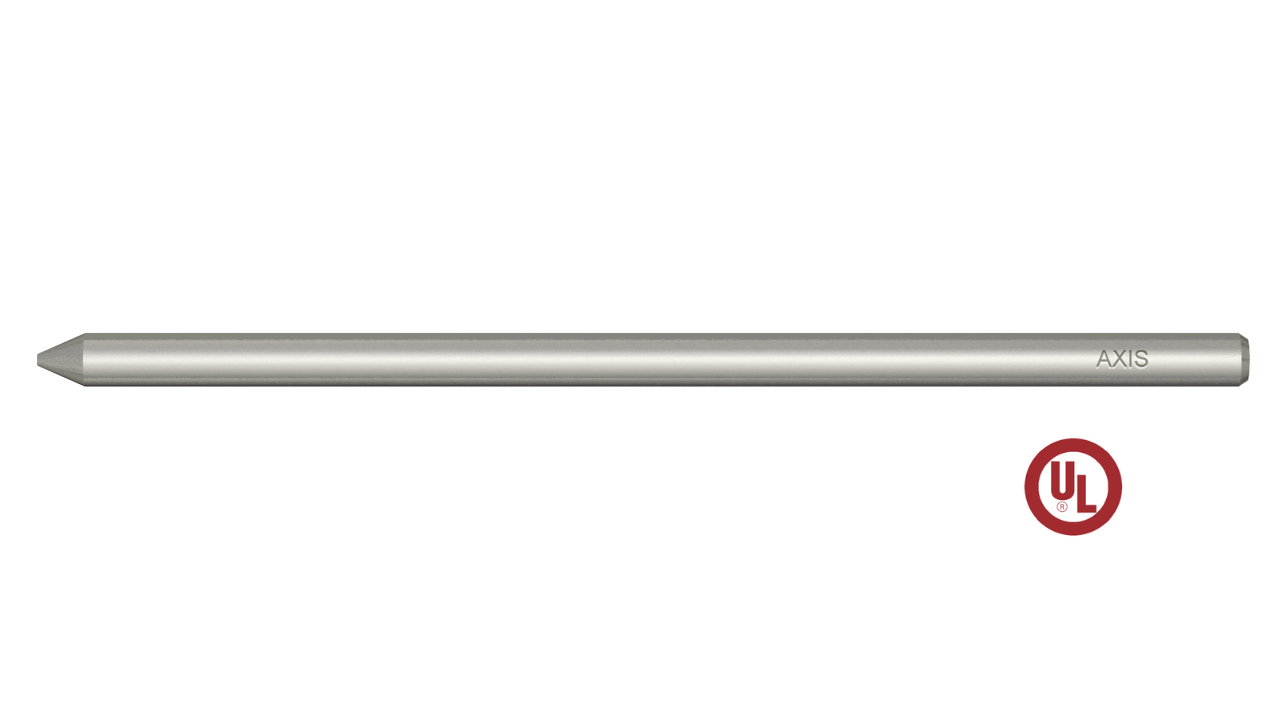
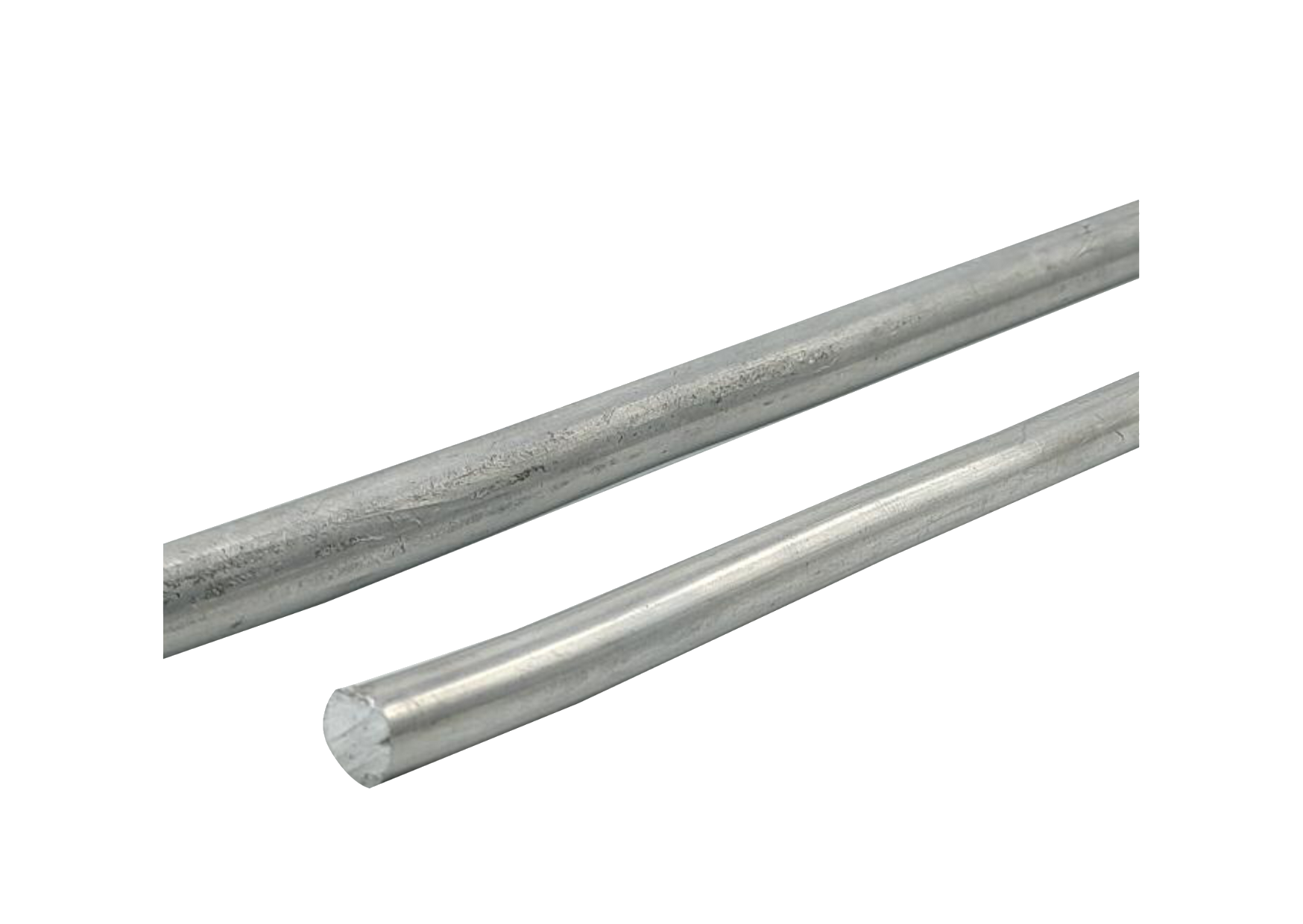
Galvanised Steel Ground Rod – Unthreaded & Pointed
Learn From Our Engineers
Technical Guides
and Resources
video
UL Testing Process for Earthing & Lightning Protection Products
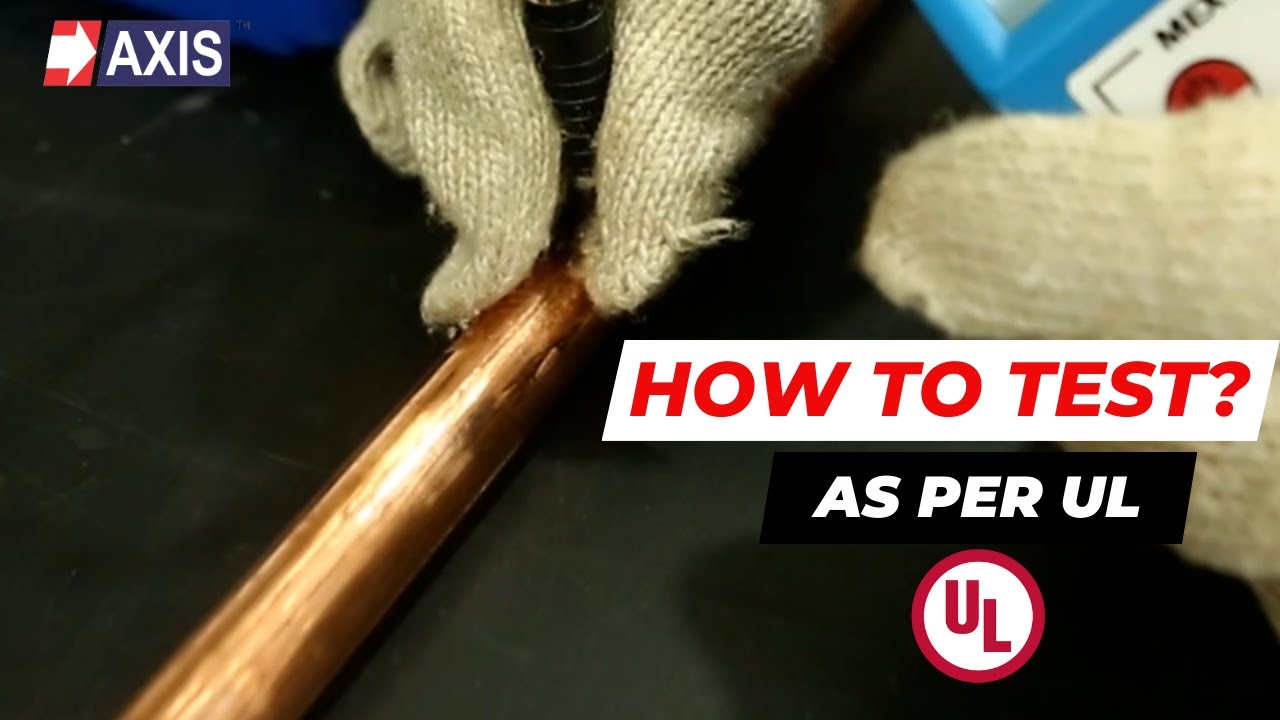
video
Testing of UL Listed Copper Bonded Earth/Ground Rods
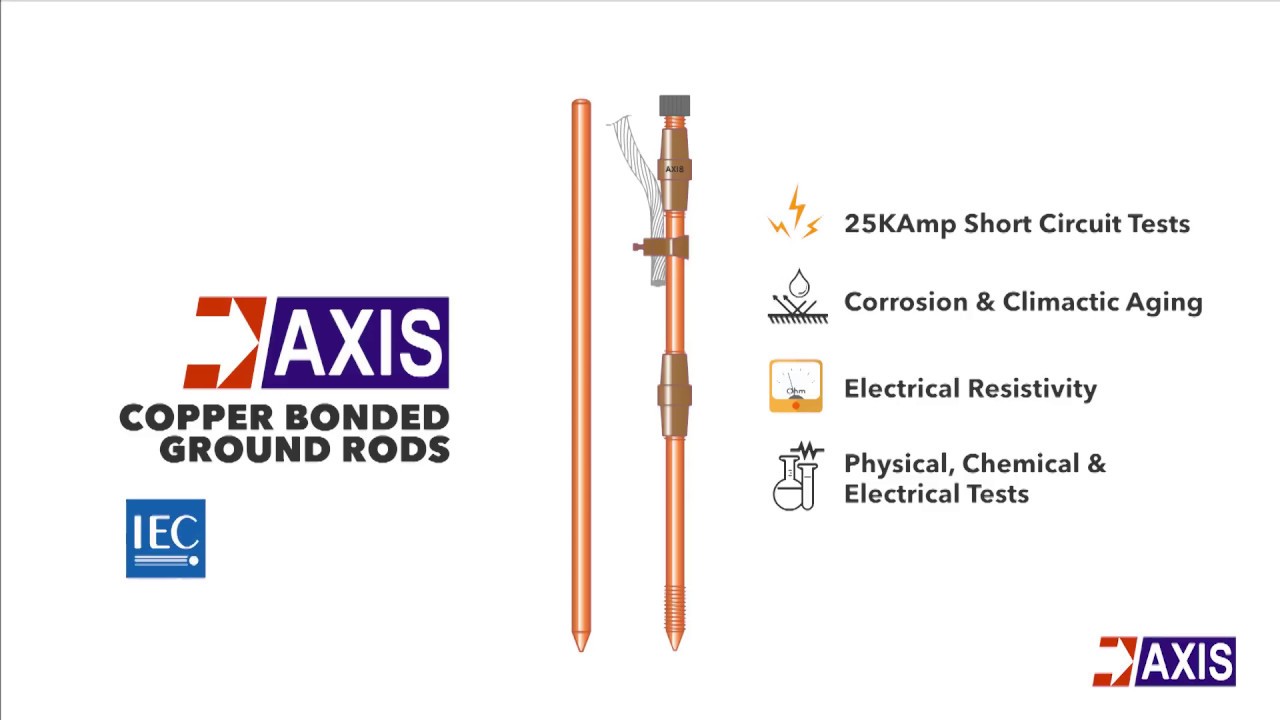
video
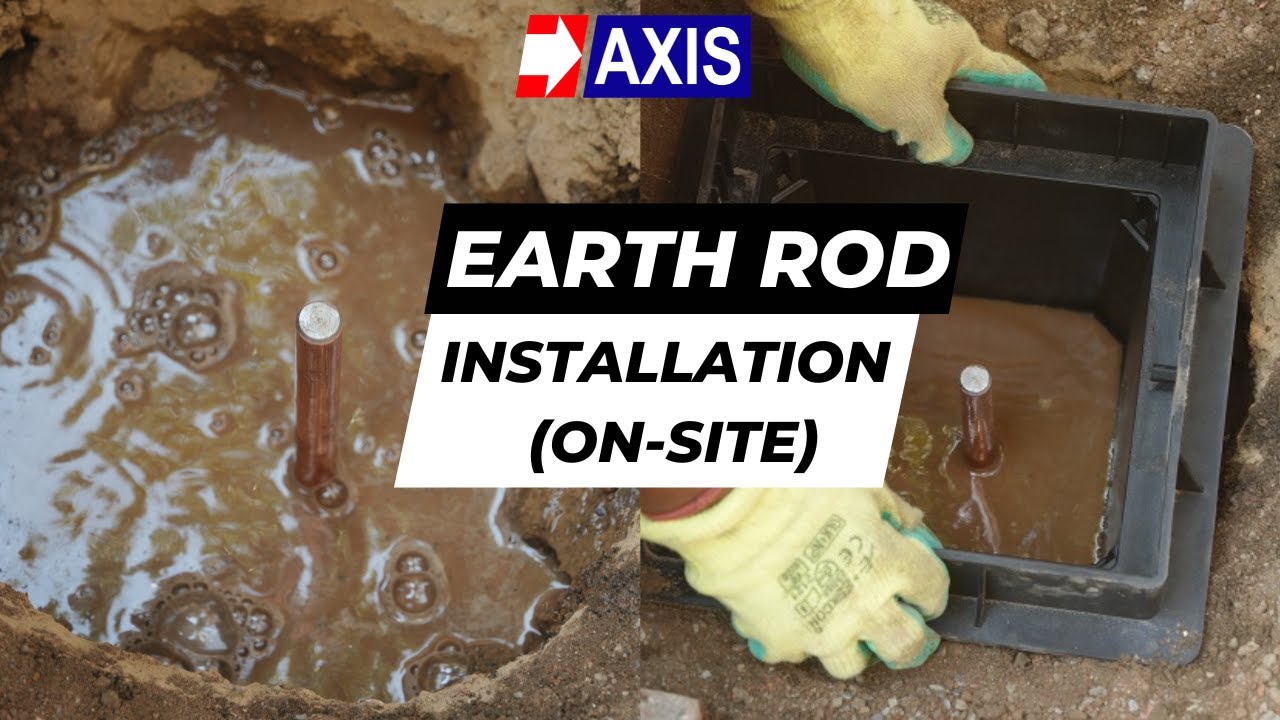
Earth Rod Installation (On site) - Along with Clamps, Connectors, and Earth Pit.
video
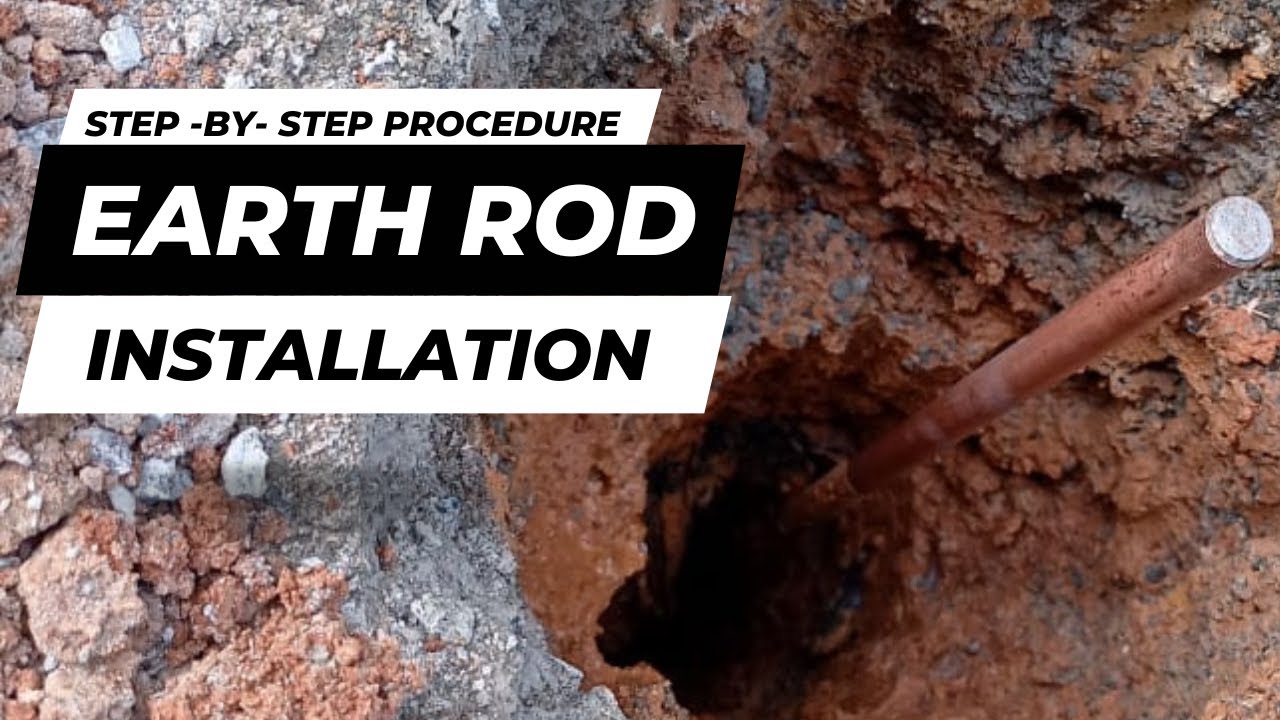
Earth Rod Installation - Step by Step Procedure Explained!
video
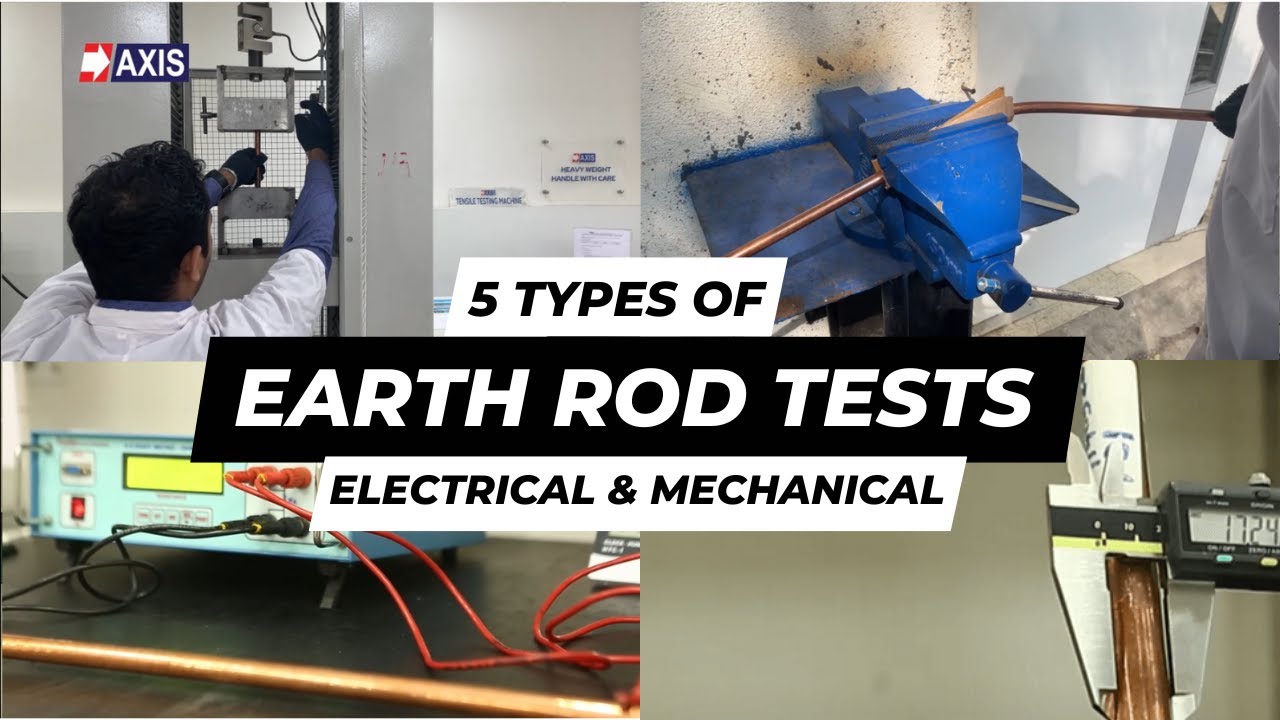
5 Types of Tests for Earth Rods - Electrical & Mechanical Tests
video
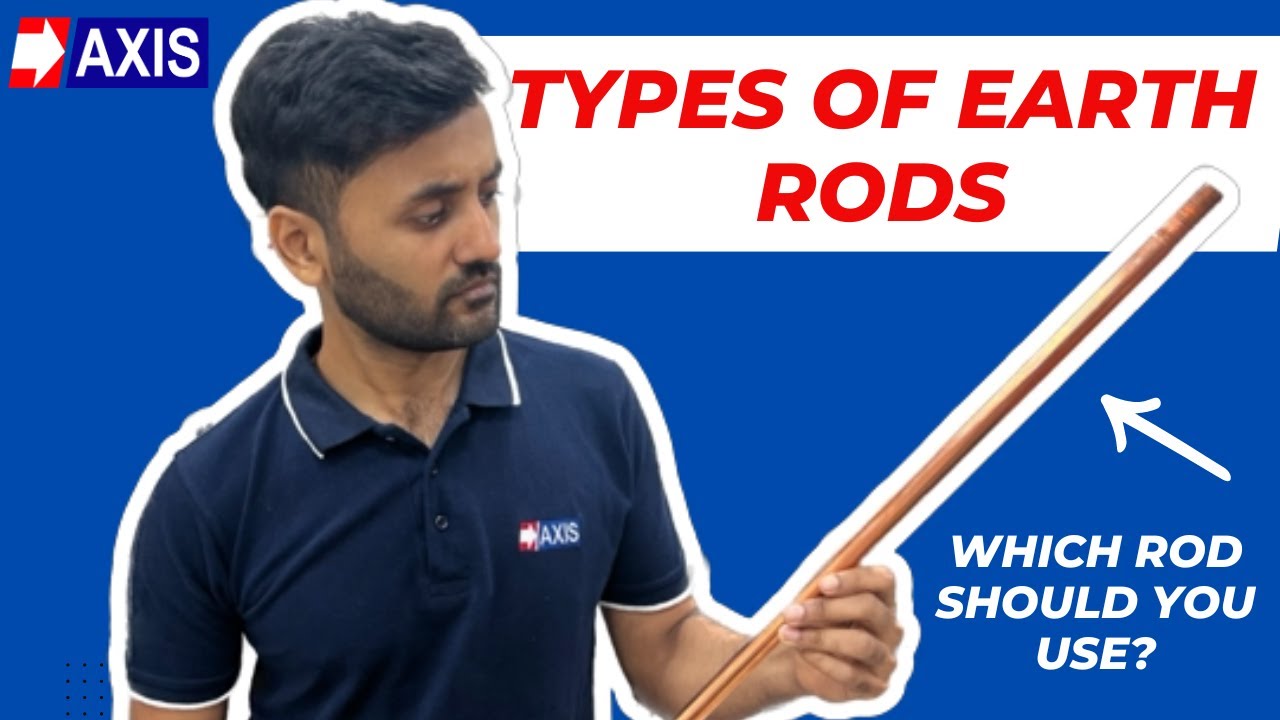
Type of Earth Rods - Technicalities & Applications Explained!
video
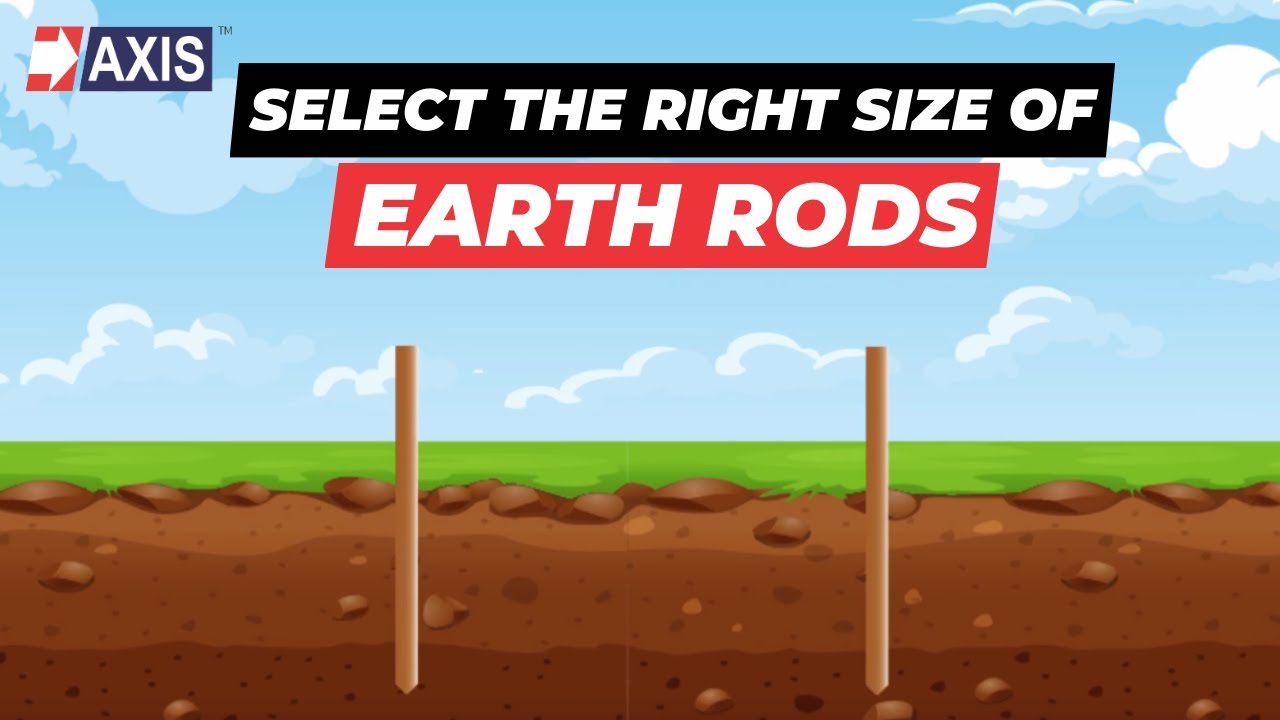
How to Select the Right Earth Rod Dimensions?
video
Earth Plate Installation - Learn Plate Earthing in Depth!

video
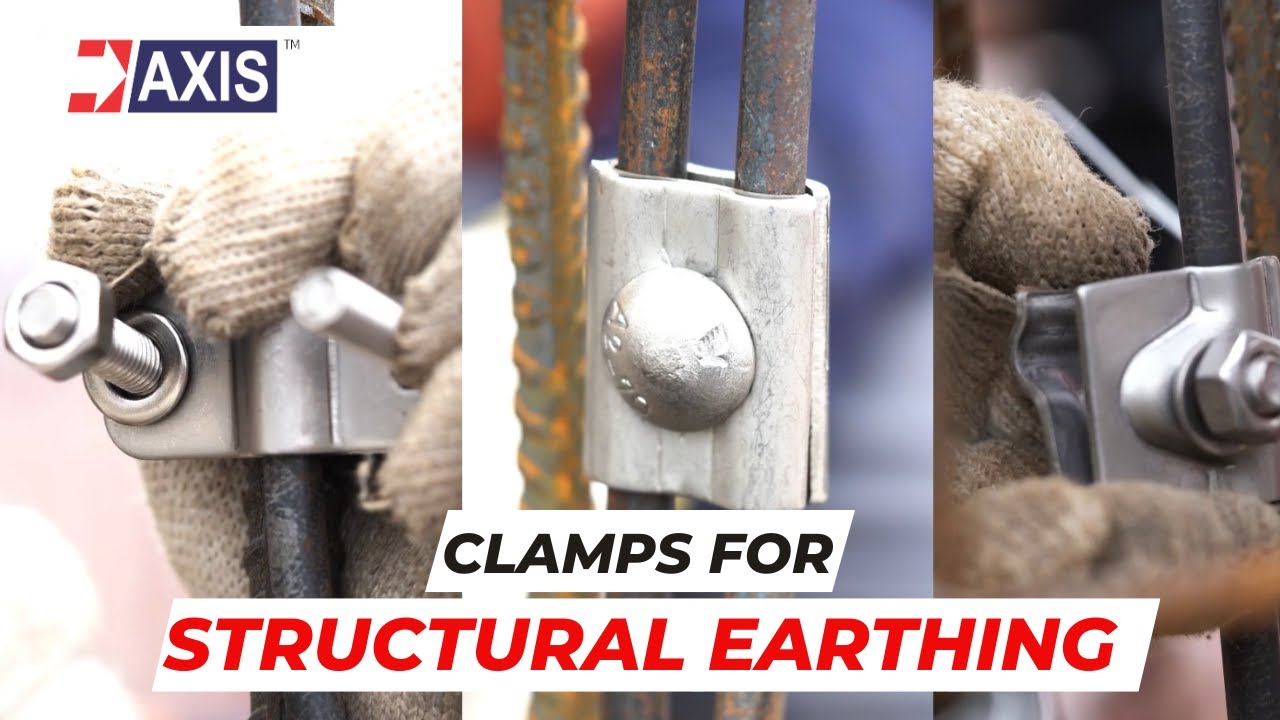
How to Install Clamps for Structural Earthing?
video
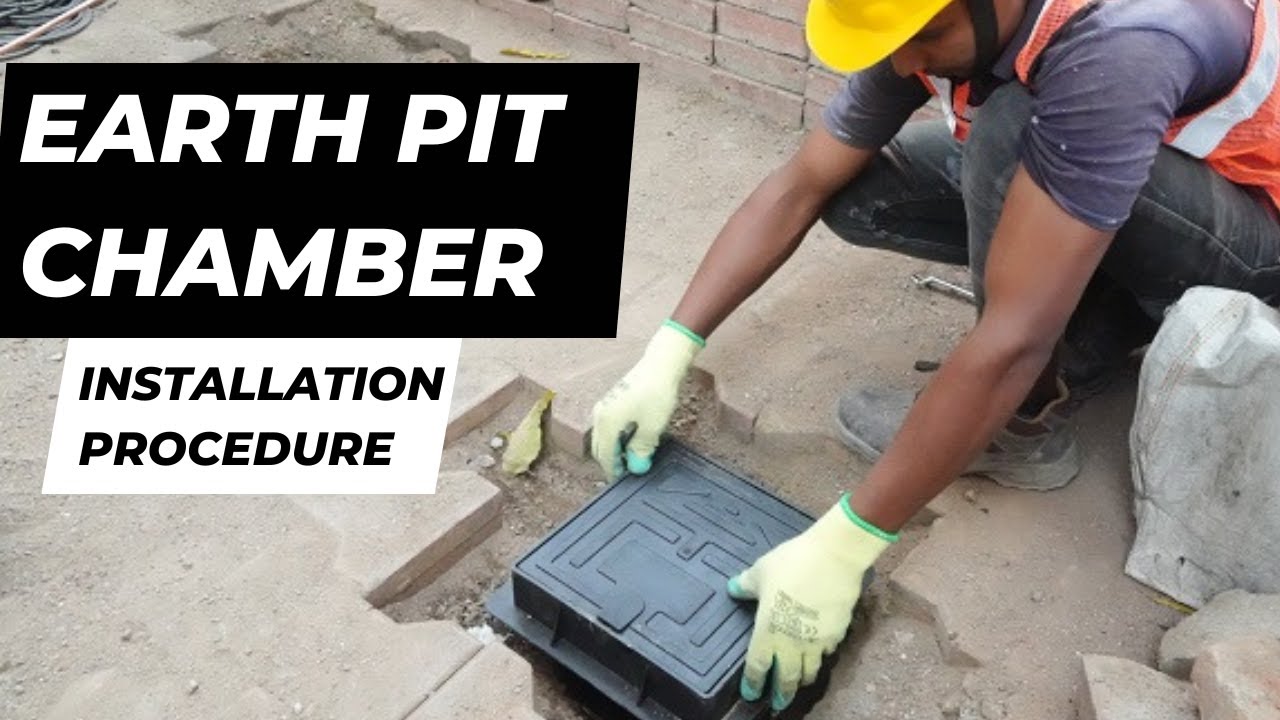
Earth Pit Chamber Installation Procedure, Types & Construction
video
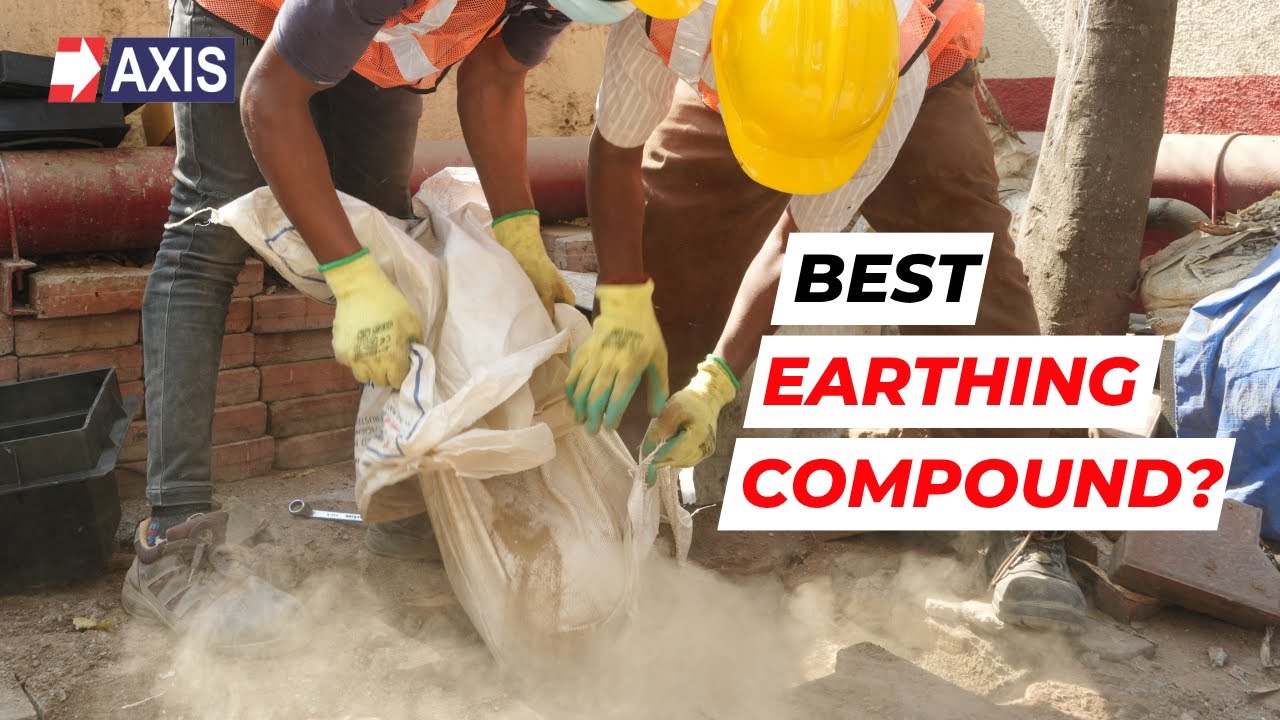
Don’t Buy Earth Enhancing Compound Without Watching This!
video
What is Earth Resistance? How to measure it?
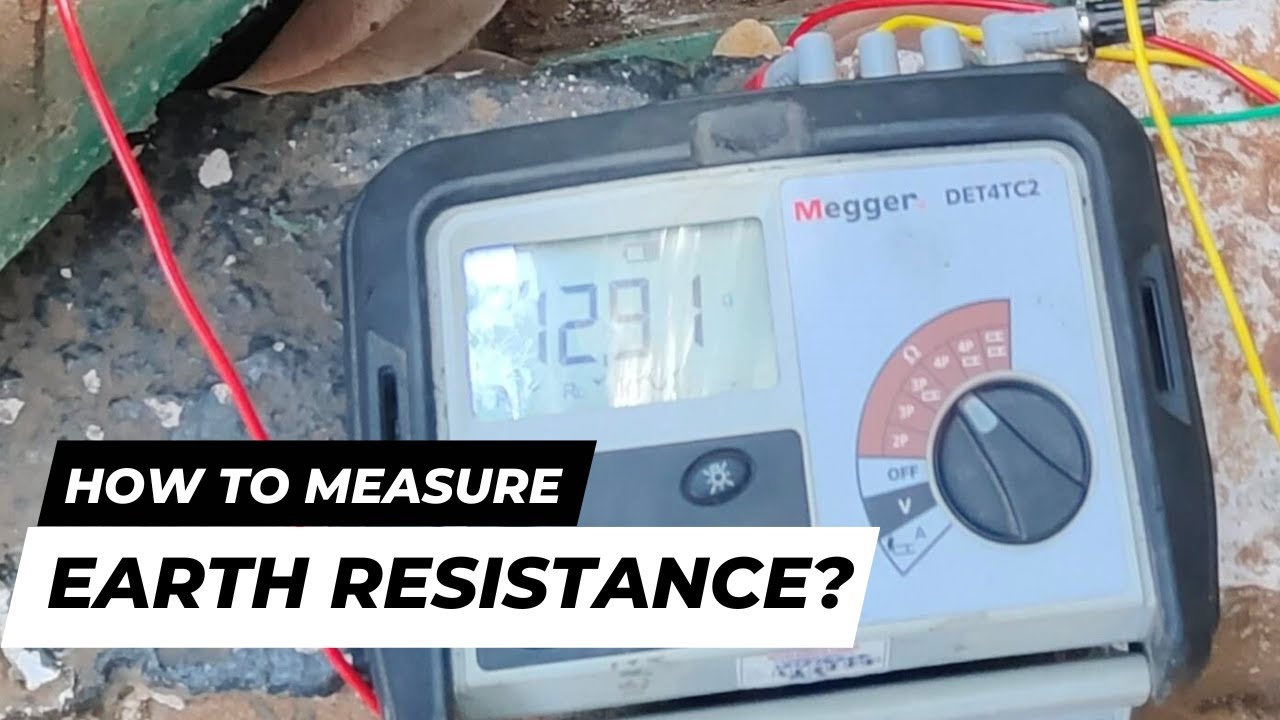
video
4 Chemical Earthing Myths You Should Not Believe!
video
Earth Mat for Substation
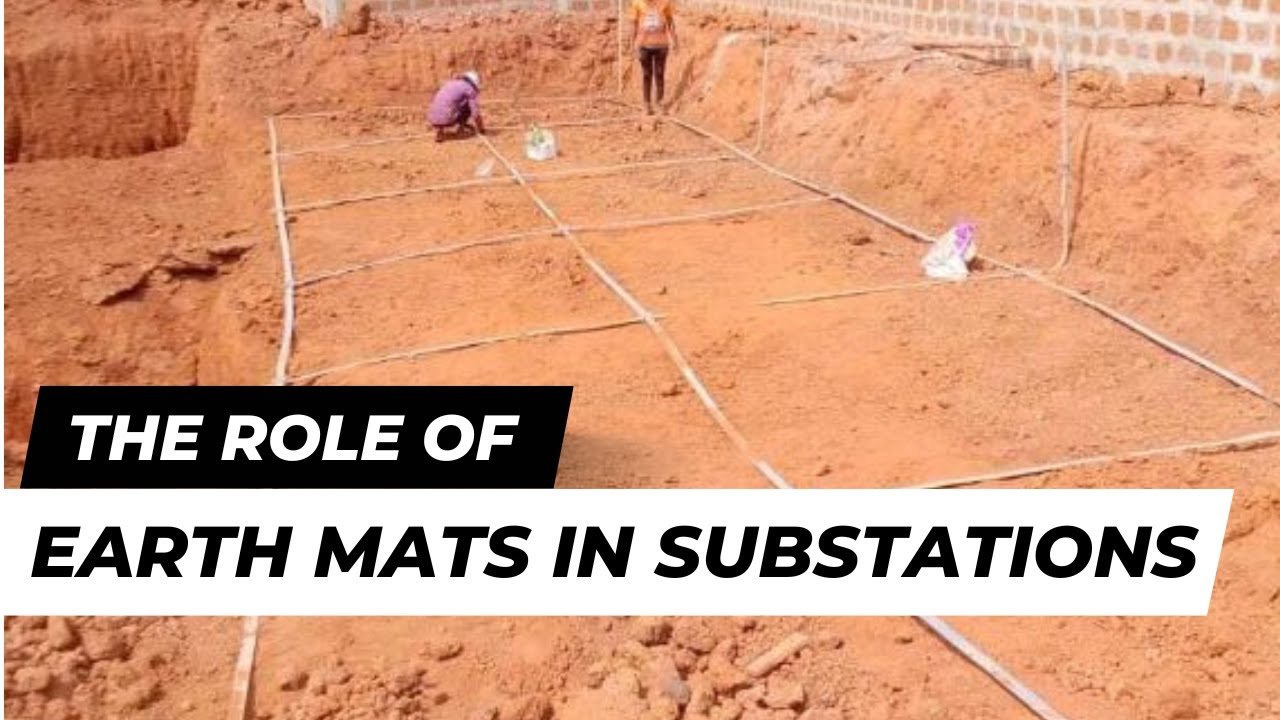
video
Earthing for Distribution Transformers - Facts that will blow your mind!
video
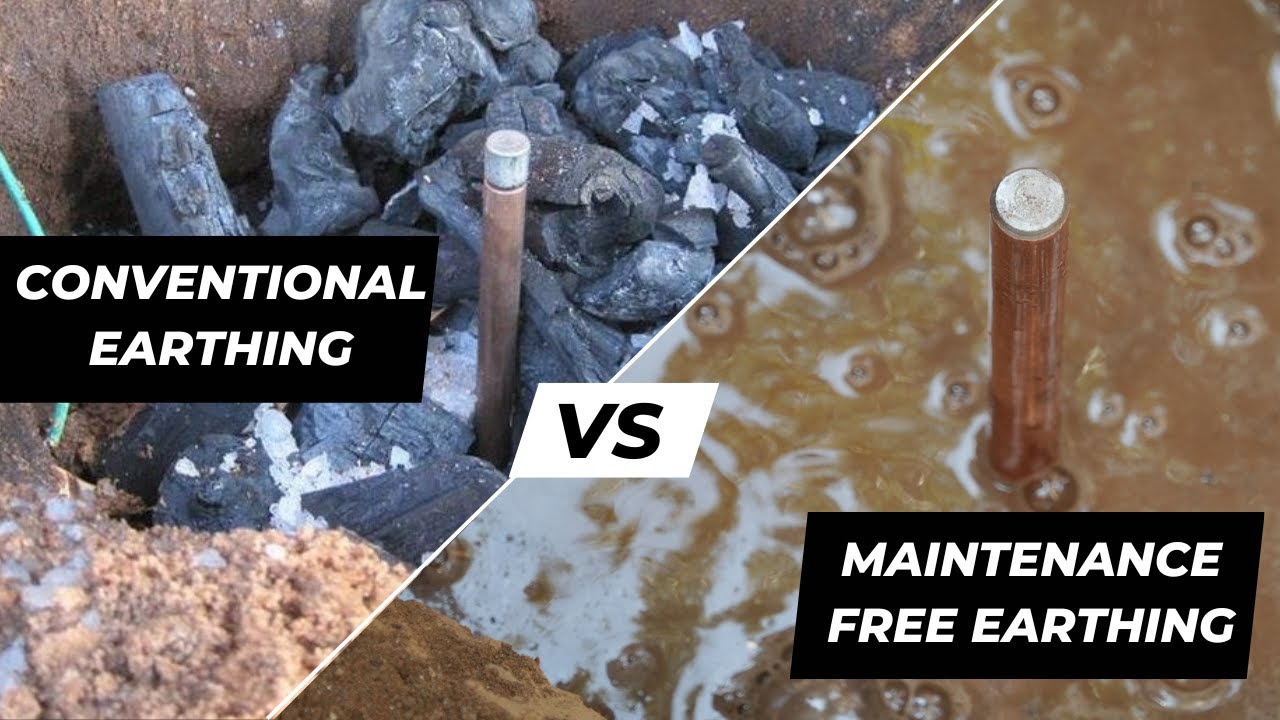
Maintenance Free Earthing VS (Old) Conventional Earthing
video
8 Steps of Substation Earthing Design - Explained with Substation Earthing Calculations
video
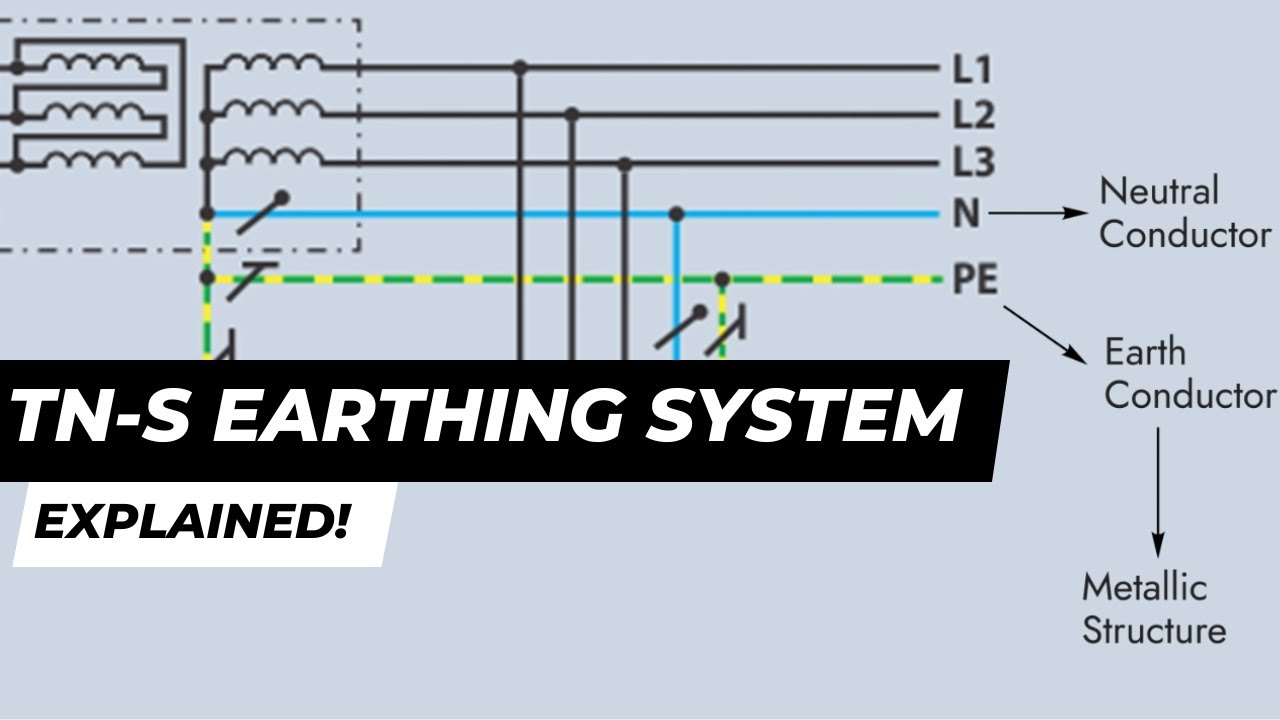
What is TN-S Earthing System?
video
How to make a Good Earthing System? 6 Key Characteristics Explained!
video
Why are Earth Boss & Strike Pad critical in Modern Lightning Protection?
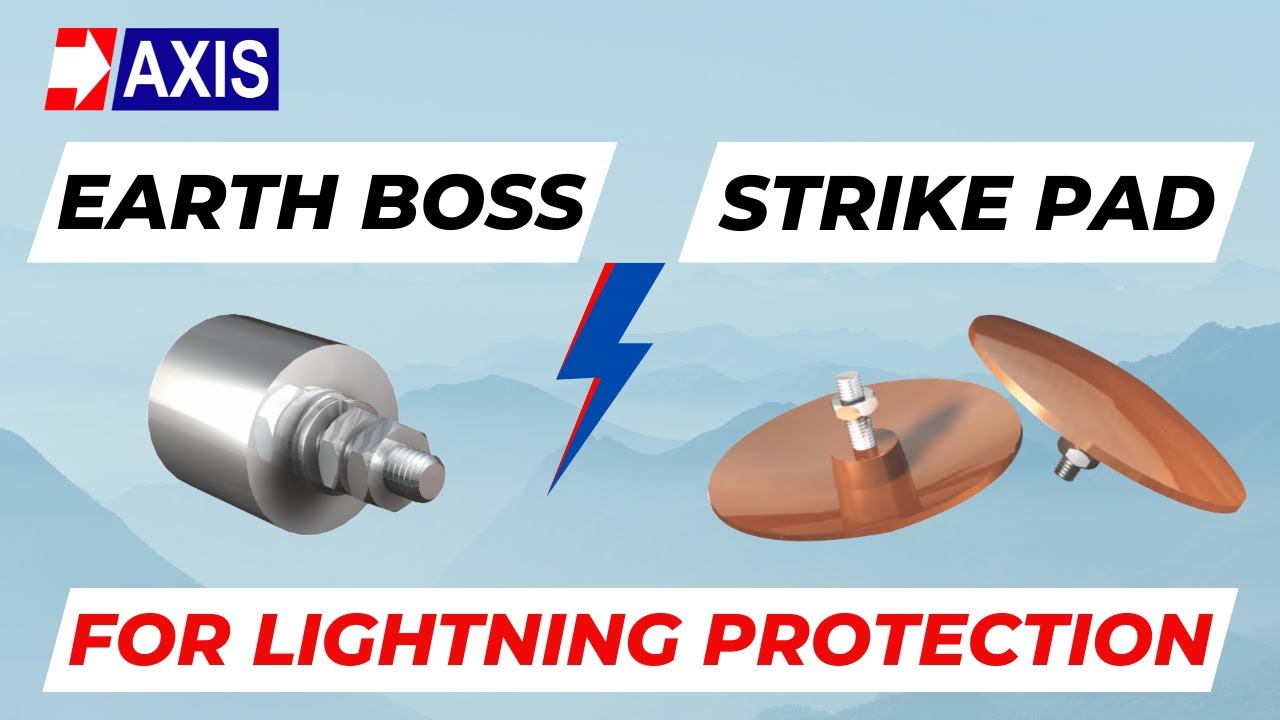
video
How to protect your Solar Farm? Learn Earthing for Solar!
video
20 Earthing & Lightning Protection Standards – Your Project’s Safety Depends Upon!
video
Common Earthing Mistakes That Will Cost You Millions!
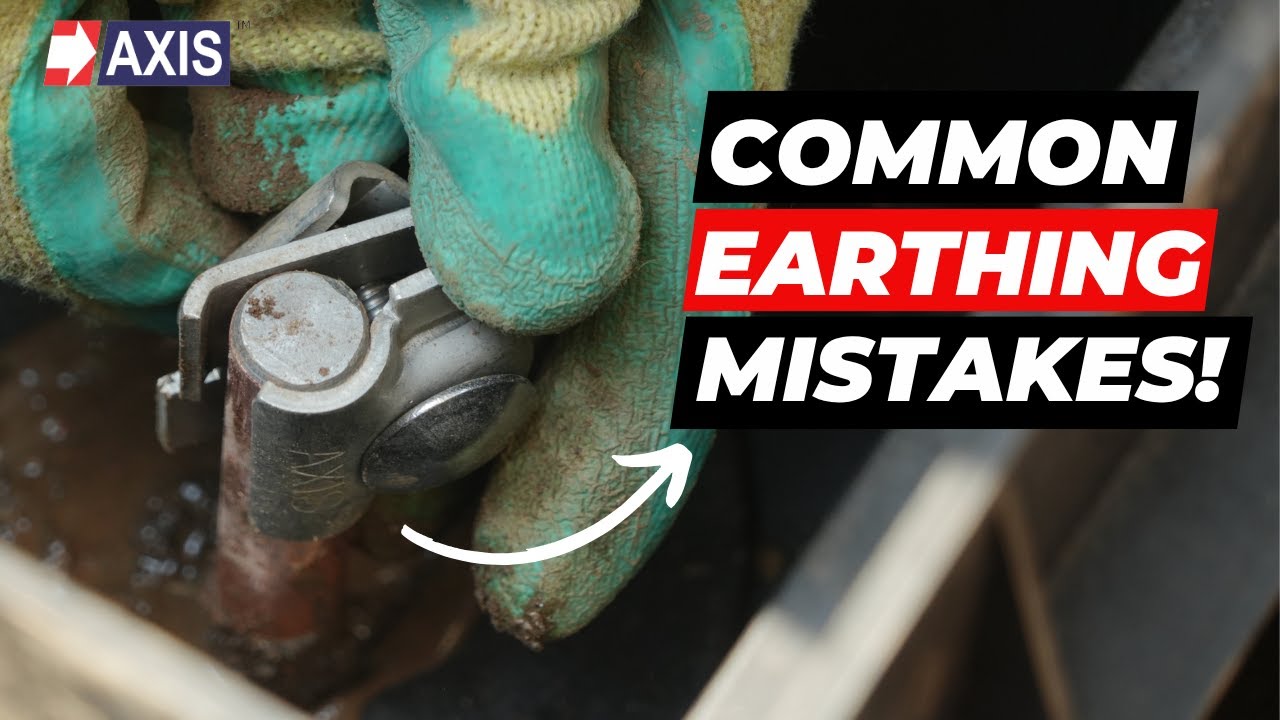
FAQS
Frequently Asked Questions
Find quick answers to common questions about our programs, admissions, eligibility, and application process to help you move forward with confidence.
Copper bonded steel is the normal choice. The steel core takes the driving force and gives the rod the stiffness to go deep without bending, while the molecular bonded copper layer handles corrosion and conduction. Solid copper is softer, costs far more, and is specified mainly where soil chemistry or a client standard demands it.
Ask for the coating thickness in microns, not just "copper bonded". Thickness is what decides service life in the ground, and it is the first place cheap rods cut cost. UL 467 sets a minimum, and utility specifications often ask for more, typically 250 microns for long life installations.
Clamps are removable and belong where you need access, inside an earth pit or at a test point. Crimp C connectors are permanent and fast. Exothermic welding fuses the metals into one piece and is the best choice for buried joints that will never be inspected again. Match the method to whether the joint is accessible.
Not at a joint, and not carelessly in the same soil. Copper and galvanised steel in contact through wet ground form a corrosion cell, and the galvanised part sacrifices itself. Where the design forces the transition, use a bimetallic connection and keep the joint accessible.
Fall of potential using an earth tester, with a disconnection link at each electrode so you can read one electrode at a time. Record the value at commissioning and repeat annually. A single number means little on its own. The trend across visits is what tells you a joint or an electrode is failing.