
Split Bolt Connectors

Approved by 80+ Utilities Worldwide

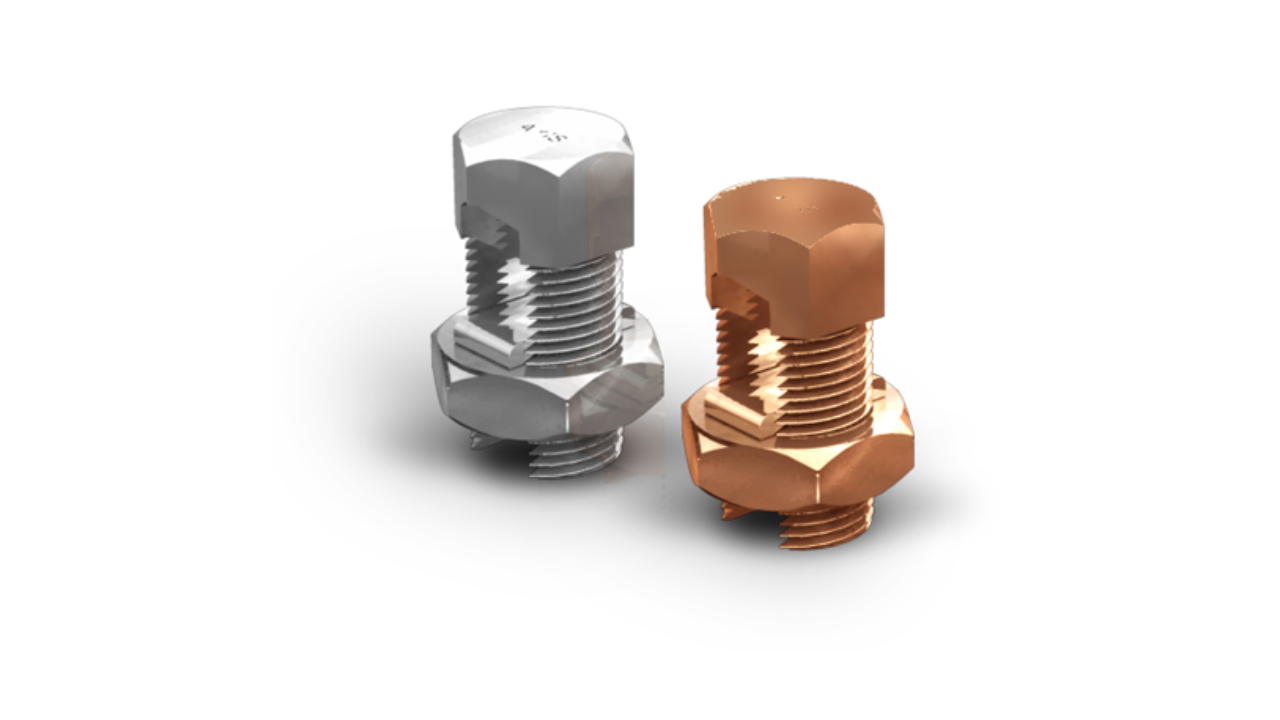
Standard, R-series, and servit post-split bolt connectors from 10mm² to 500mm² in extruded and forged brass

UL | IEC | BS | DIN Tested and Certified

Guide to Evaluating Split Bolt Connector Quality

Product Selection and Technical Support.
selection criteria
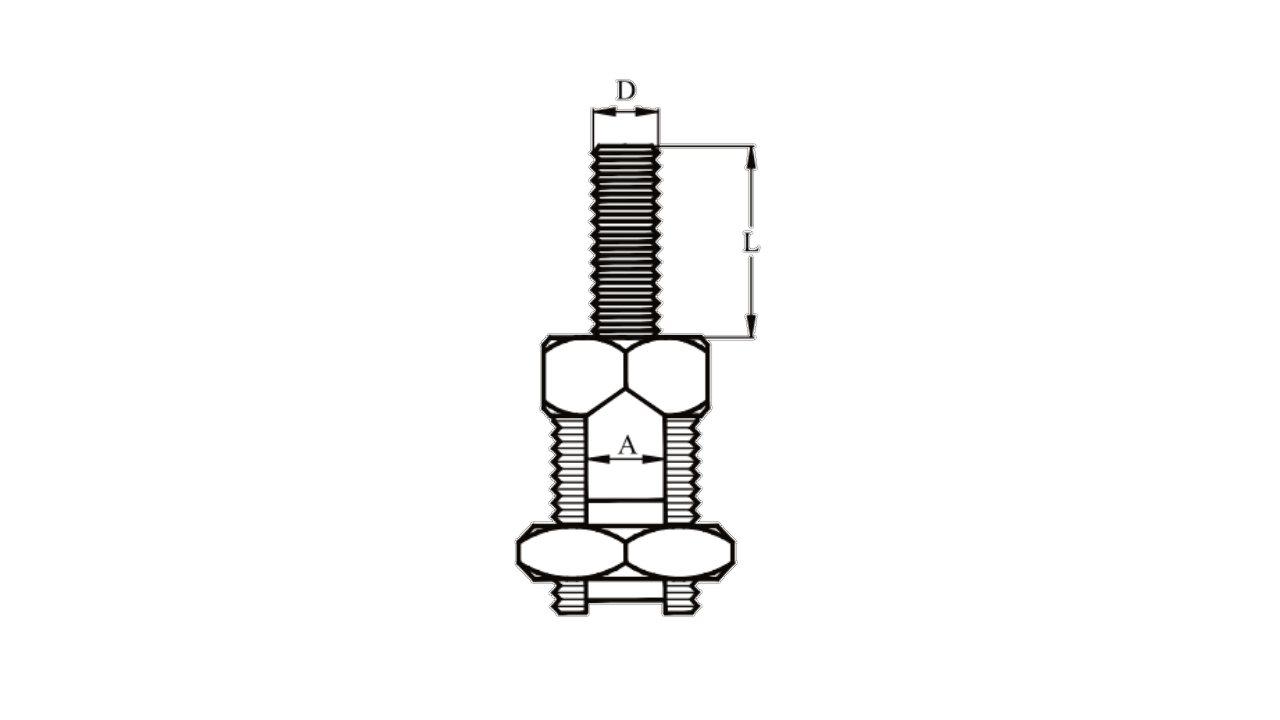
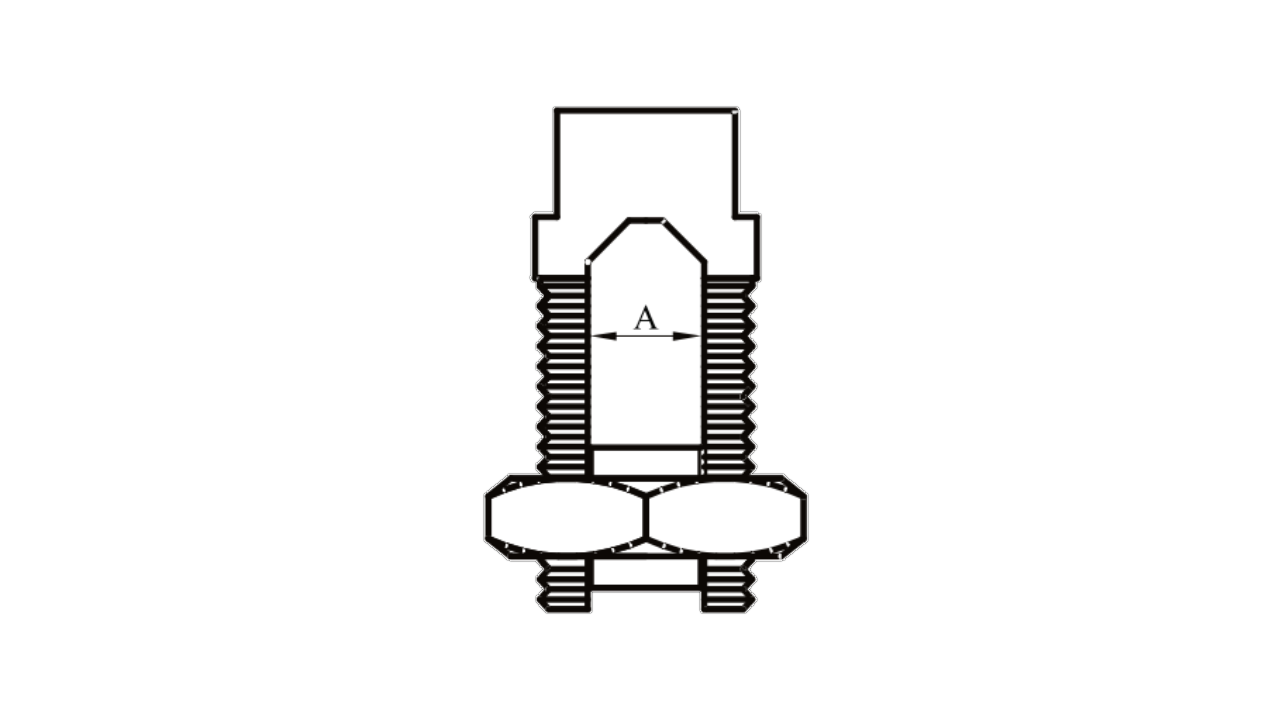
Details Required to Select Split Bolt Connectors
Learn From Our Engineers
Technical Guides
and Resources
FAQS
Frequently Asked Questions
Find quick answers to common questions about our programs, admissions, eligibility, and application process to help you move forward with confidence.
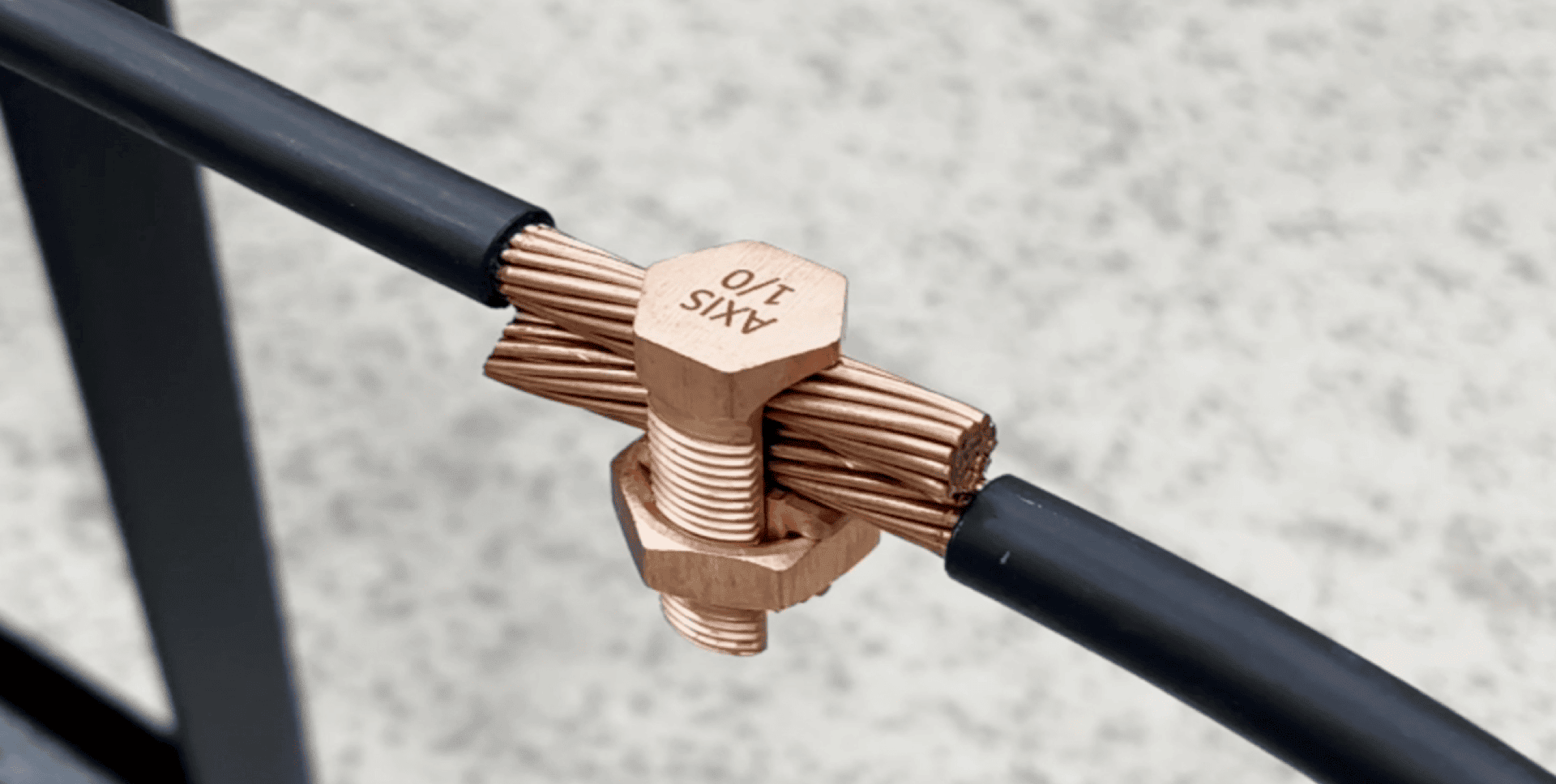
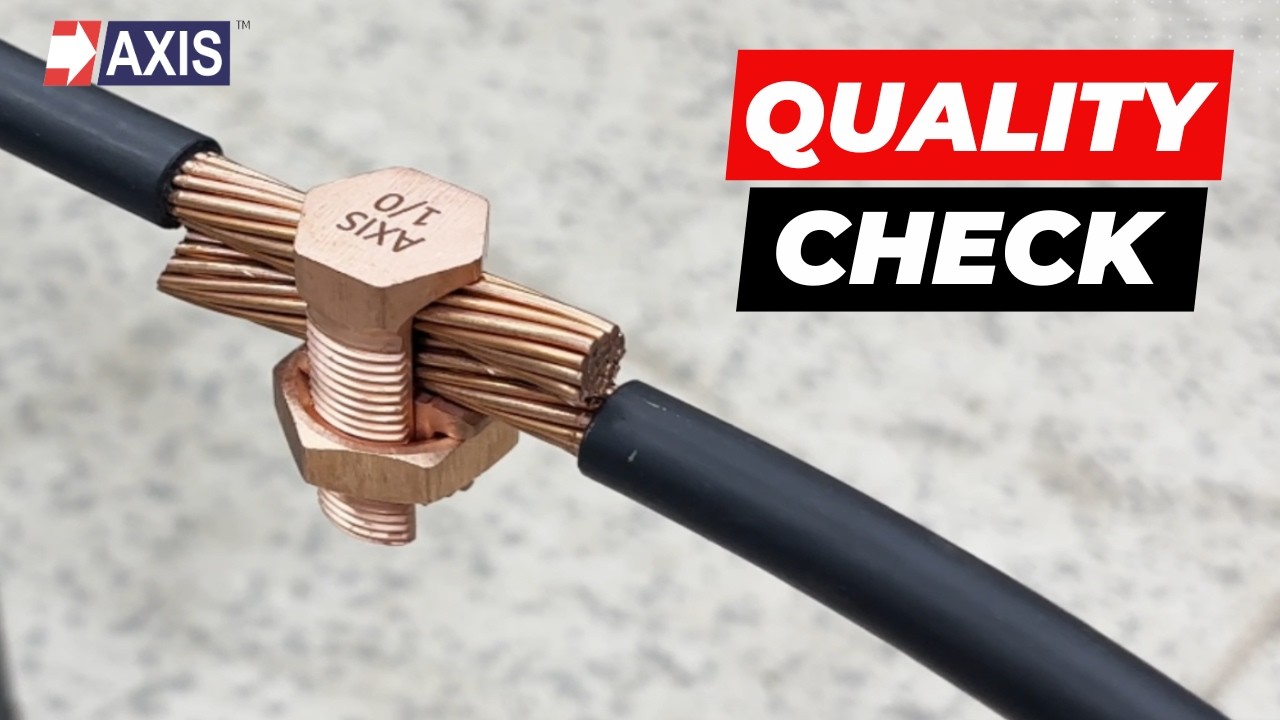
It is a slotted bolt body that holds two or more conductors in a channel, with a nut that clamps them together. You install it with a wrench and no crimping tool, and you can open it again. That makes it the choice for taps, grounding connections, and repairs on sites where hydraulic tools are not practical.
They join earth conductors to each other, to earth rods, and to bonding points in the down conductor path, including fence and structure bonding. The connection has to carry fault and lightning current, so the clamping force and contact area matter more than they do on a routine wiring joint.
That is what the static heating test proves. Rated current runs through the installed connector until the temperature stabilises, and the rise must stay within 50°C above ambient under UL 486A and 486B. A joint that stabilises inside that limit is not shedding energy as heat at the contact.
Two tests, run on the same sample that went through heating. The secureness test hangs the specified weight on the conductor and rotates the assembly for 30 minutes, and the conductor must not slip, loosen, or shift. The pull out test then applies increasing force until the minimum figure in the standard is reached, with no strand breakage or damage to the connector.
Strip the conductor to the length the connector needs, seat the conductors fully in the channel, and tighten the nut to the torque on the datasheet. Under torque leaves resistance high, and over torque damages the strands. On aluminium conductors, brush the strands and apply joint compound before assembly.