
Copper Connectors - Metric Series

Approved by 80+ Utilities Worldwide

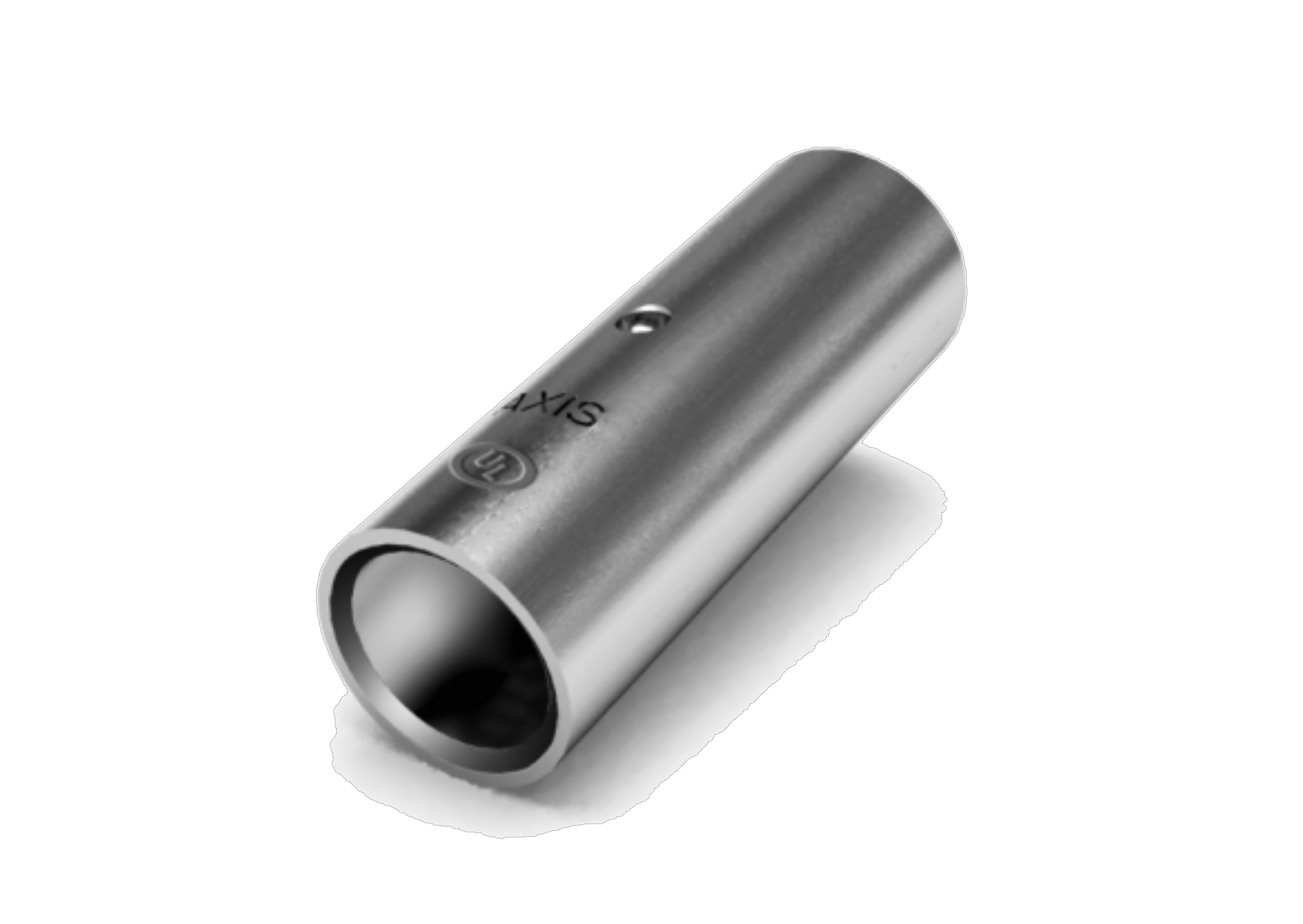
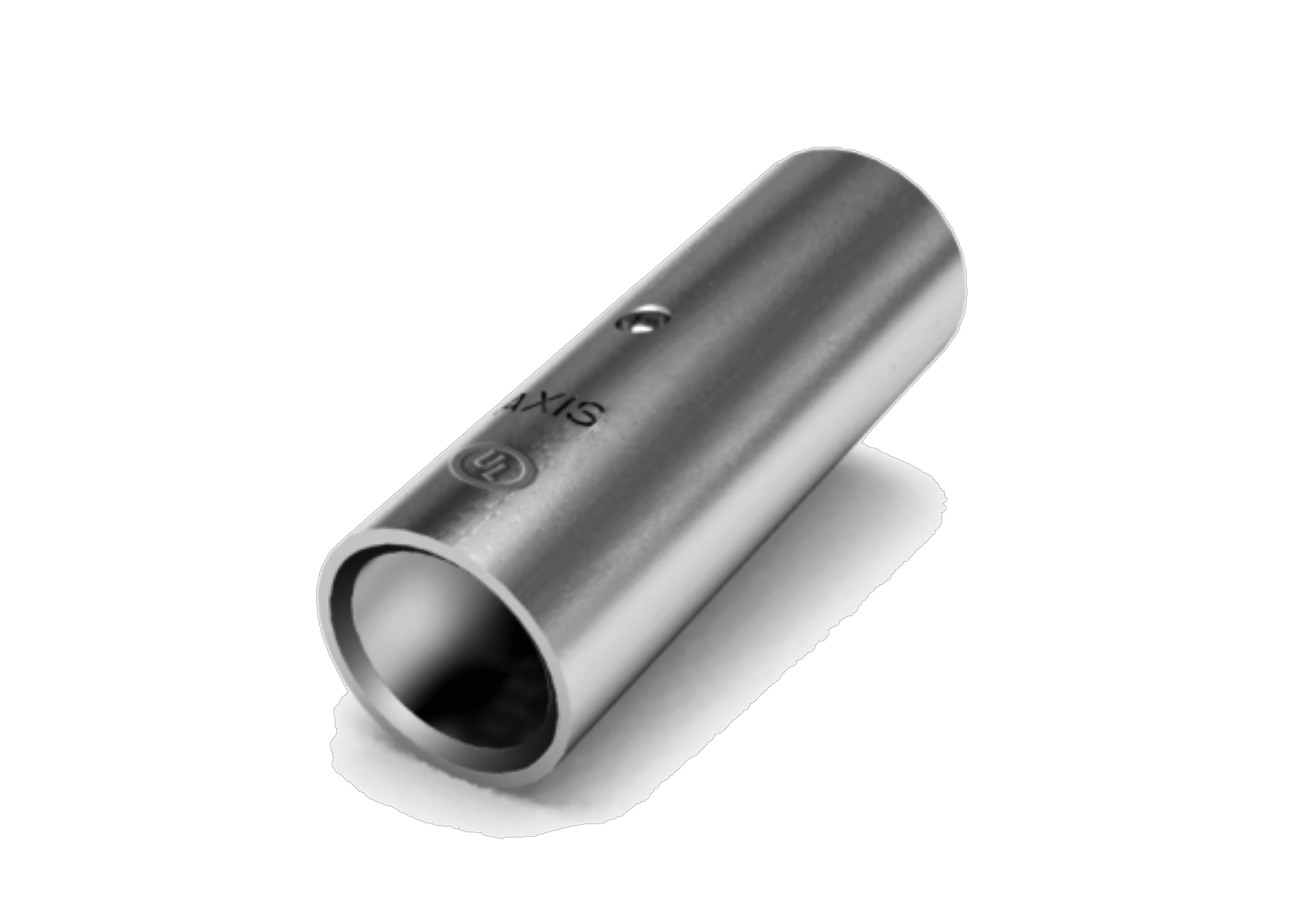
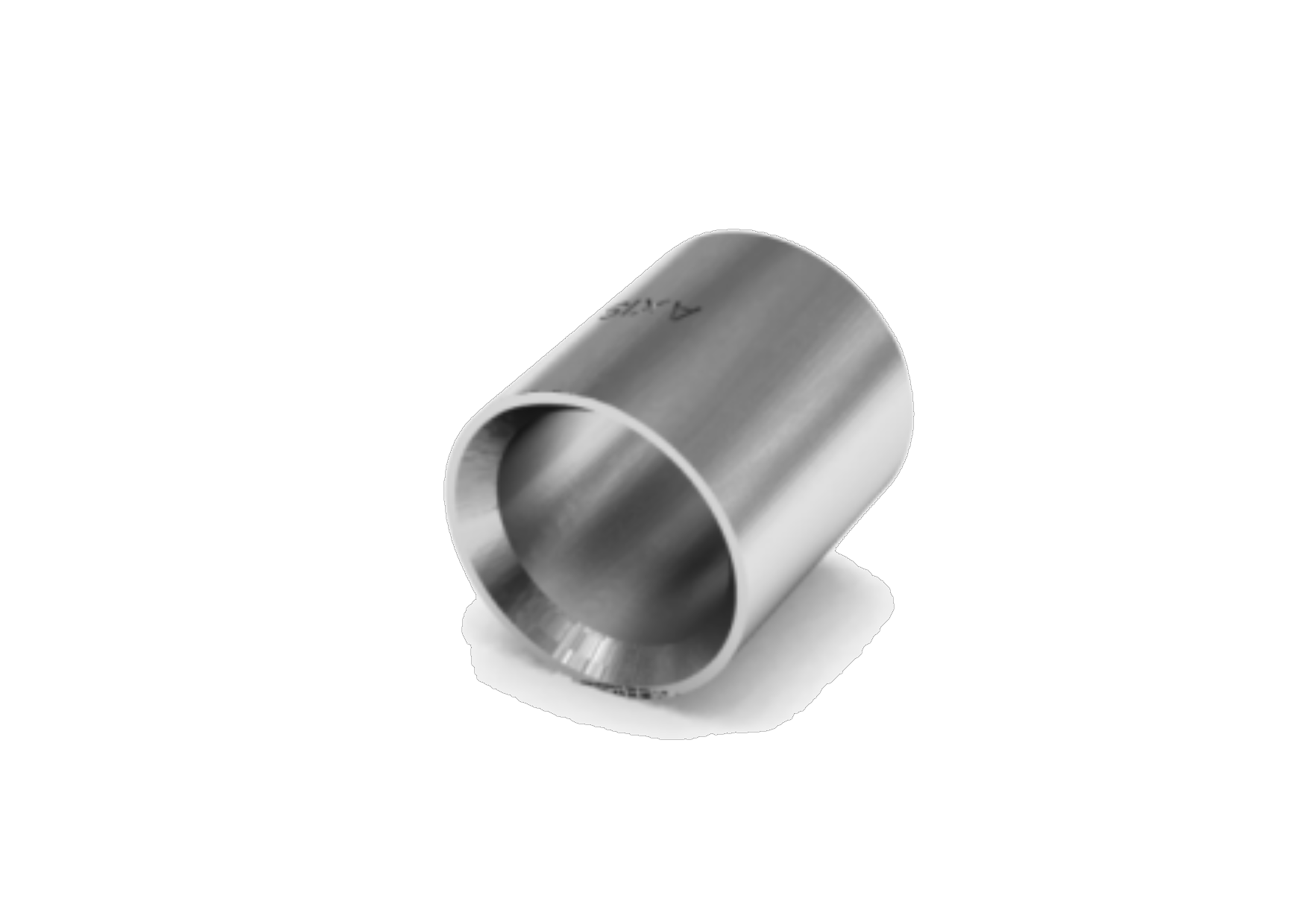
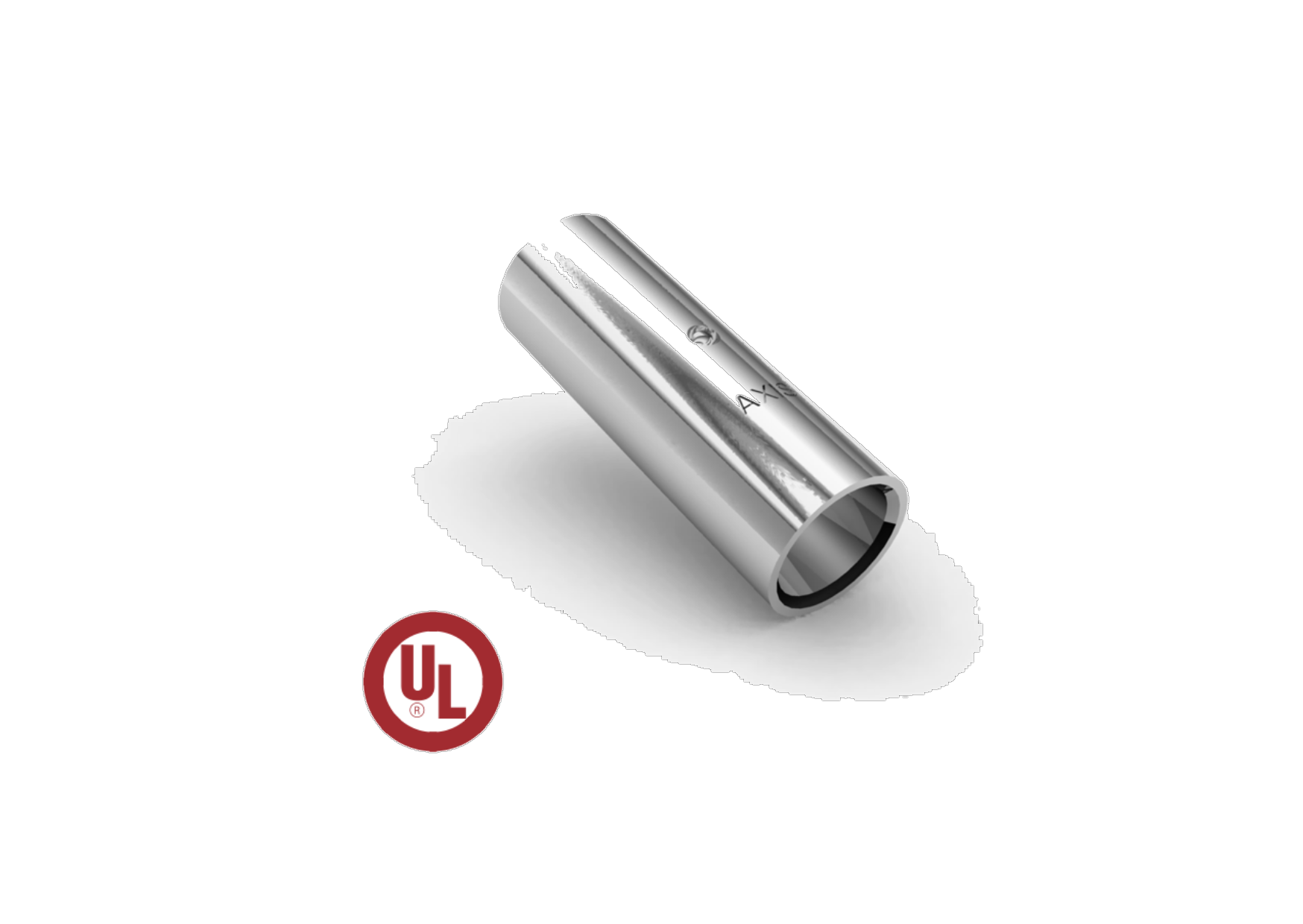
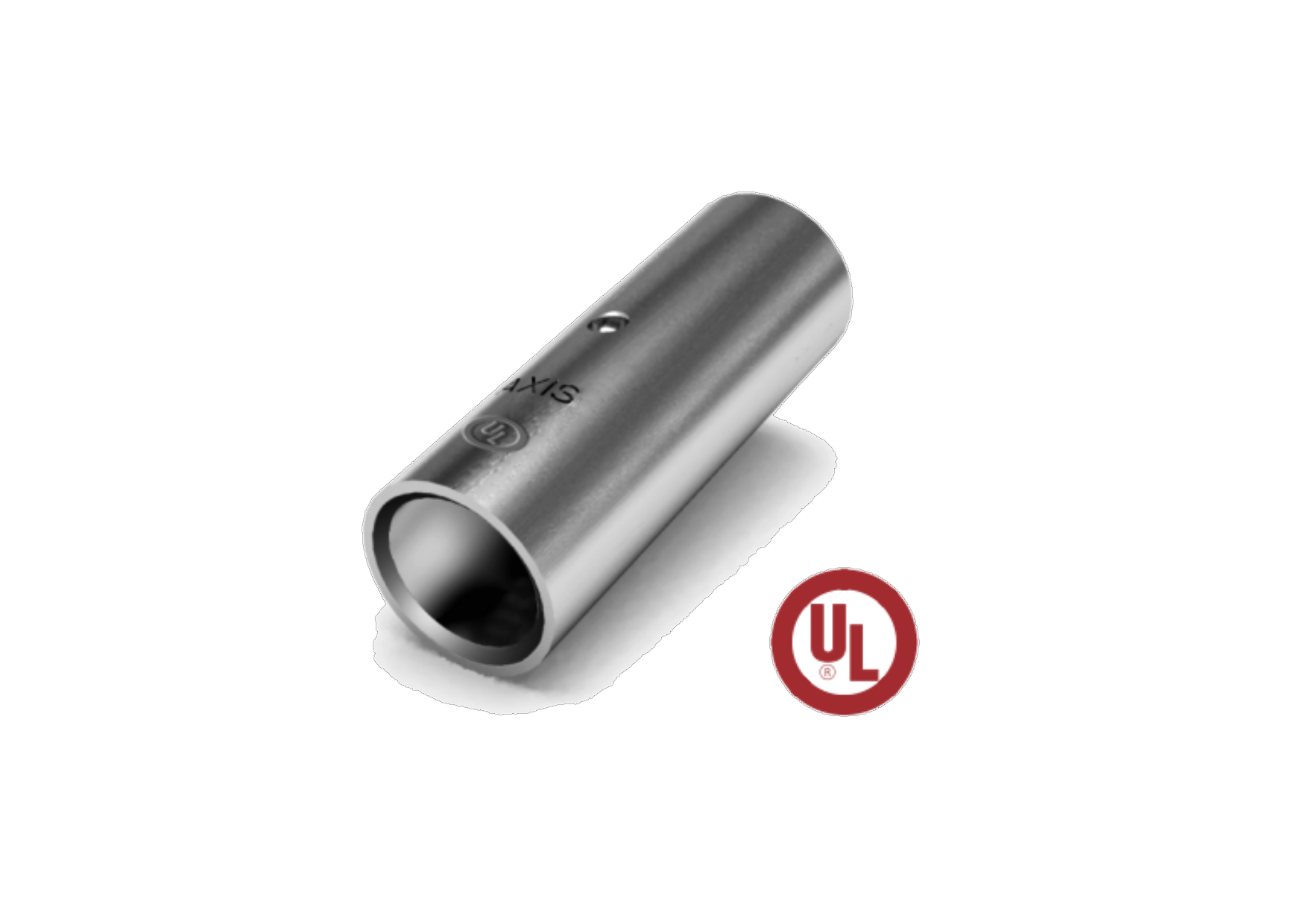
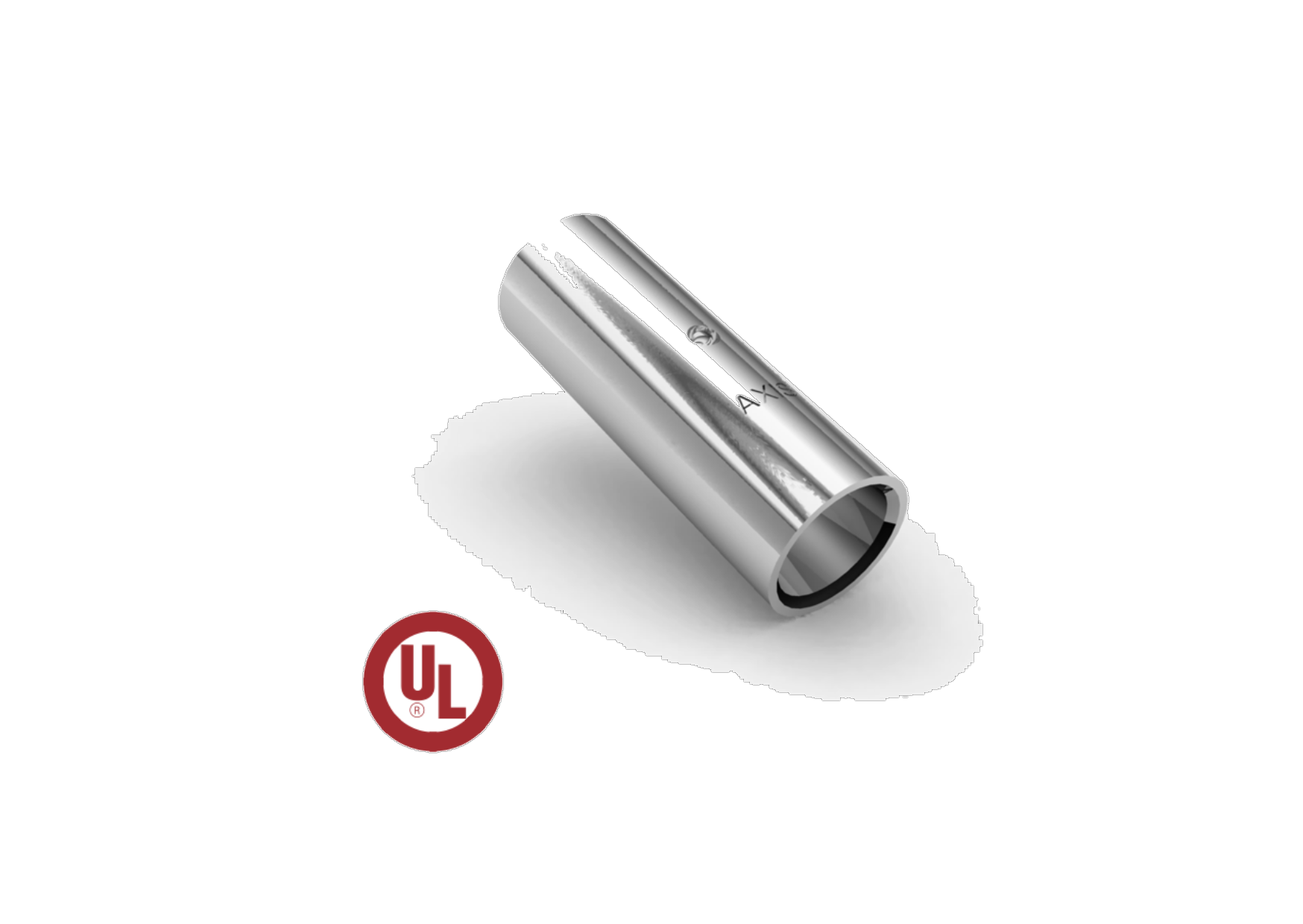
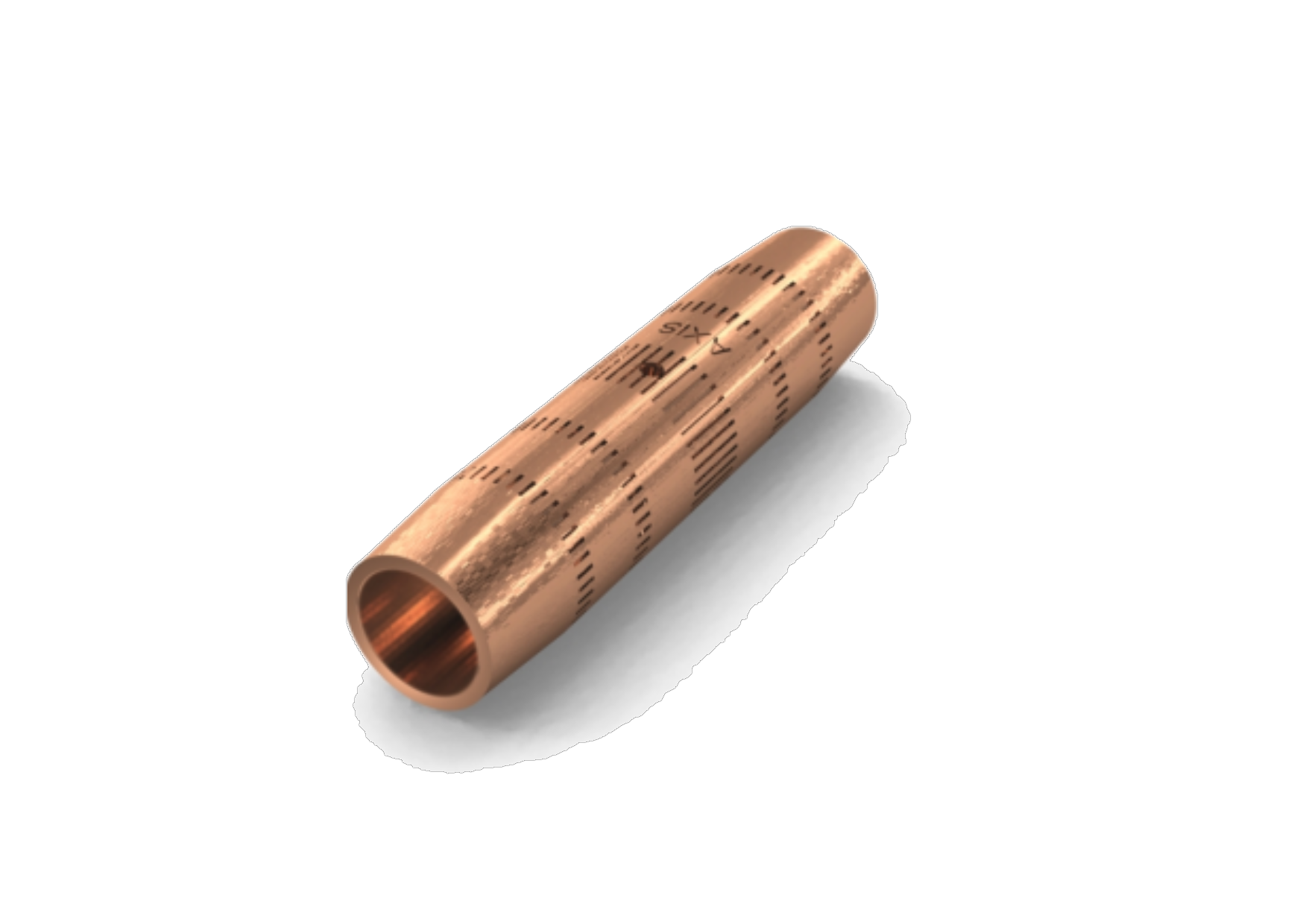
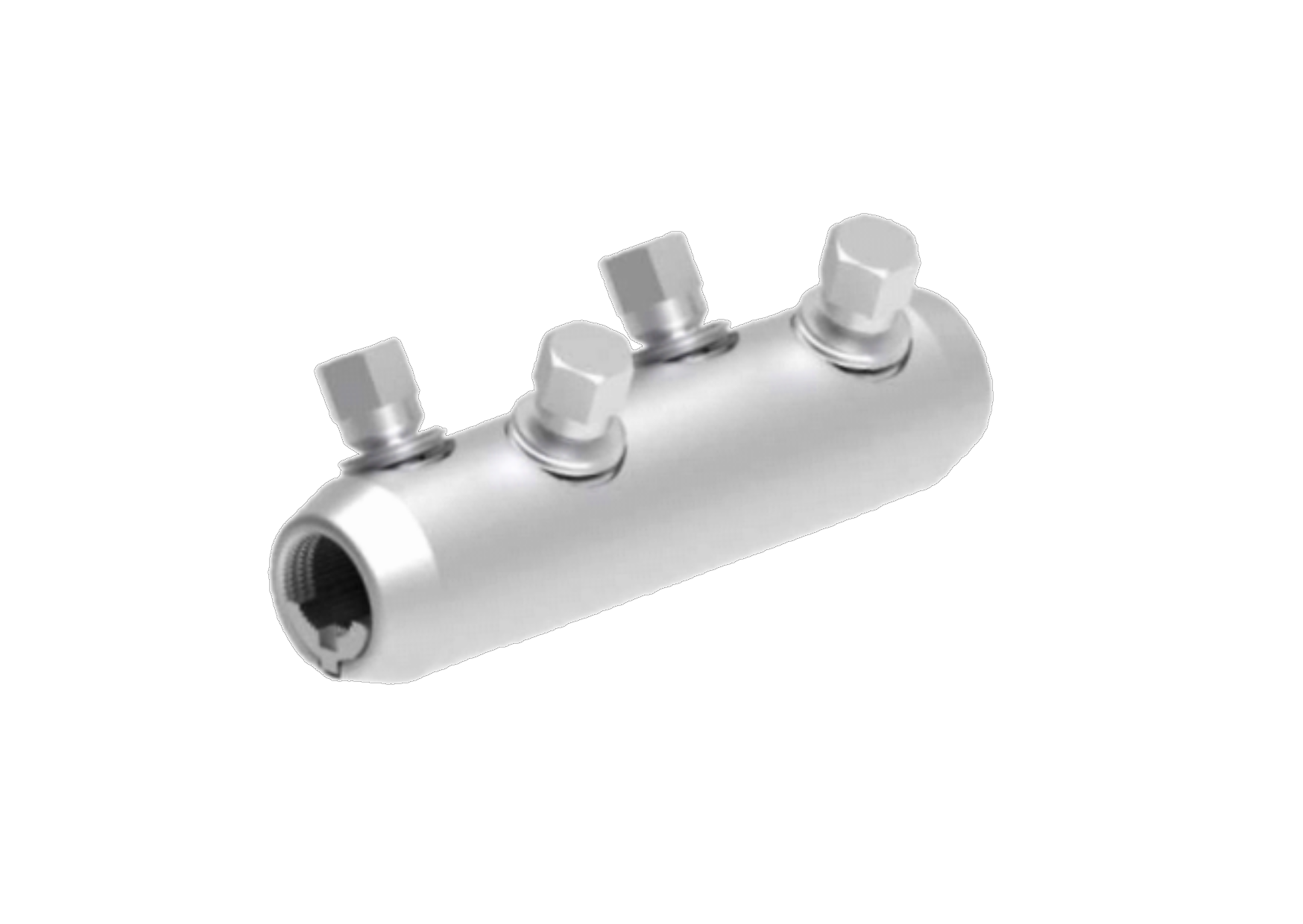
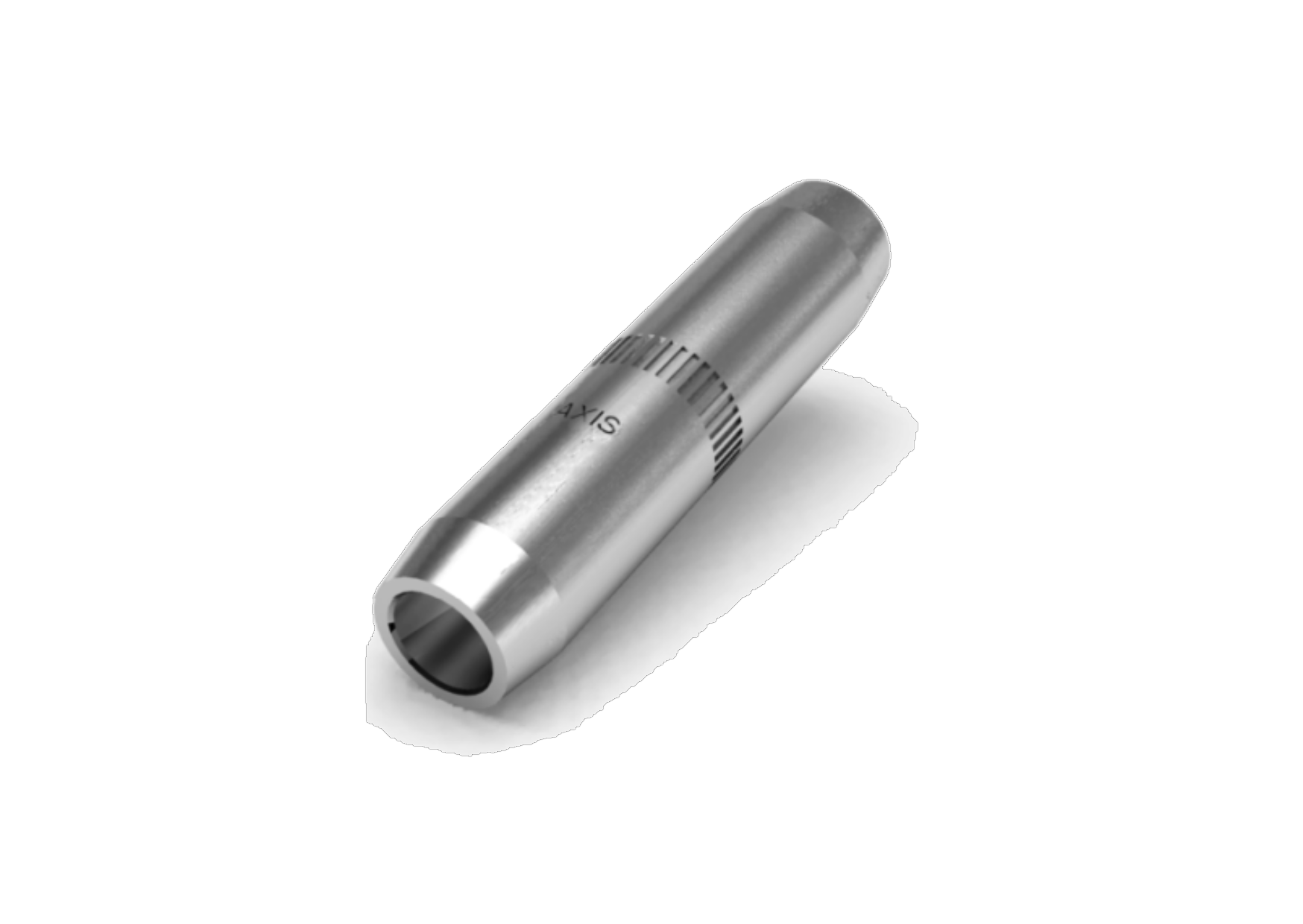
Regular barrel, long barrel, DIN, and AKS series copper connectors from 1.5mm² to 1000mm²

UL | IEC | BS | DIN Tested and Certified

Guide to Lightning Protection Connectors

Product Selection and Technical Support.
selection criteria
Details Required to Select Copper Connectors - Metric Series
Product raNGE
Explore Products
Learn From Our Engineers
Technical Guides
and Resources
video
How Cable Lugs get cULus & CSA approval?
video
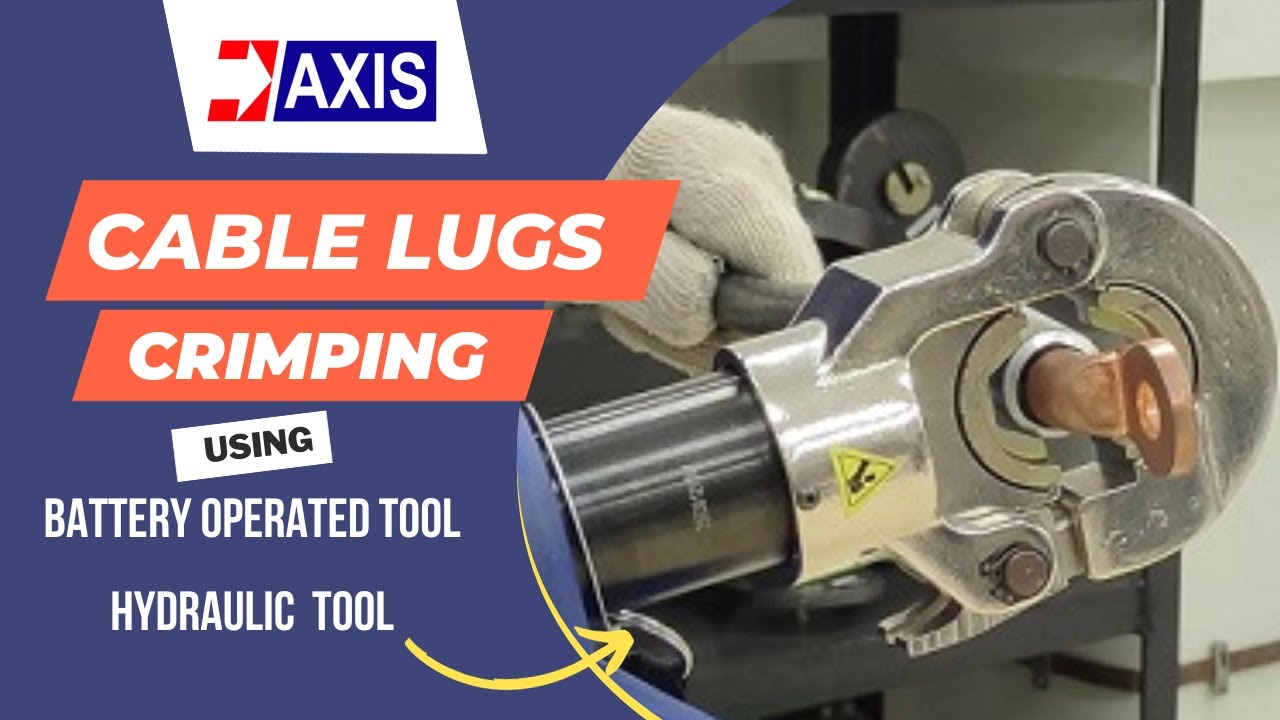
How to Crimp Cable Lugs? Explained using Hydraulic & Battery Operated Tool
video
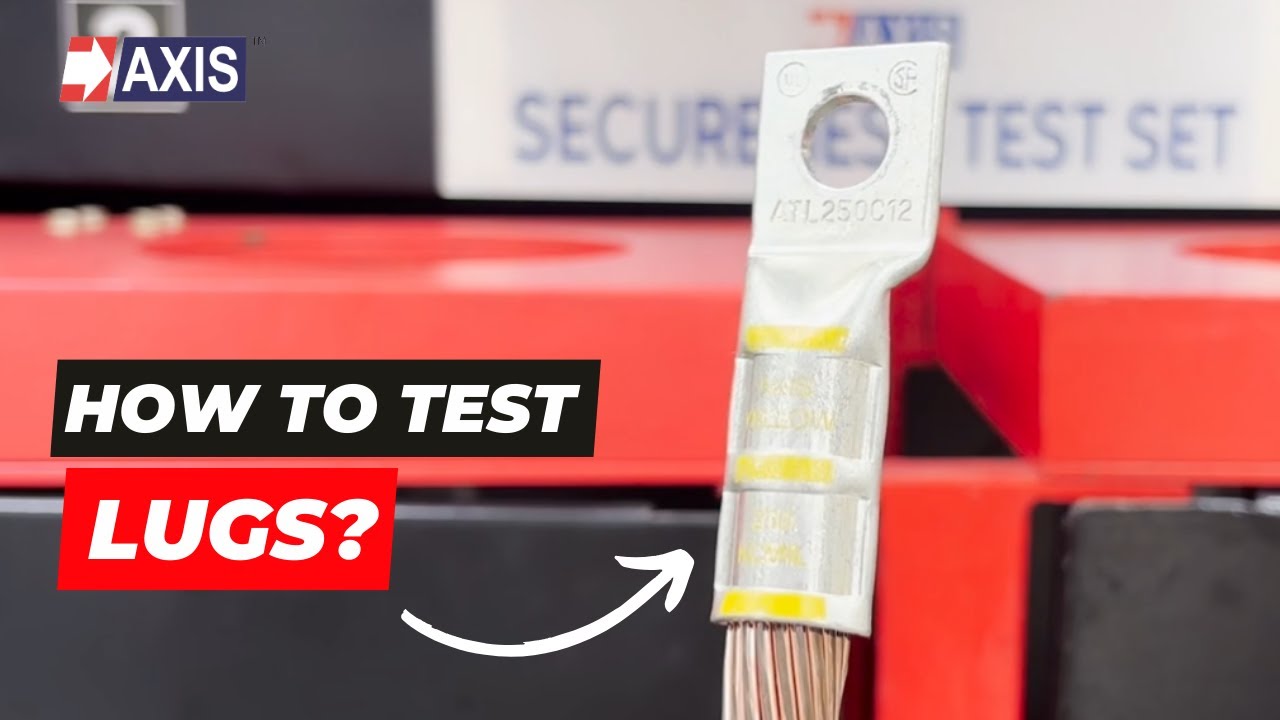
How to Test Cable Lugs? 6 Types of Test Explained
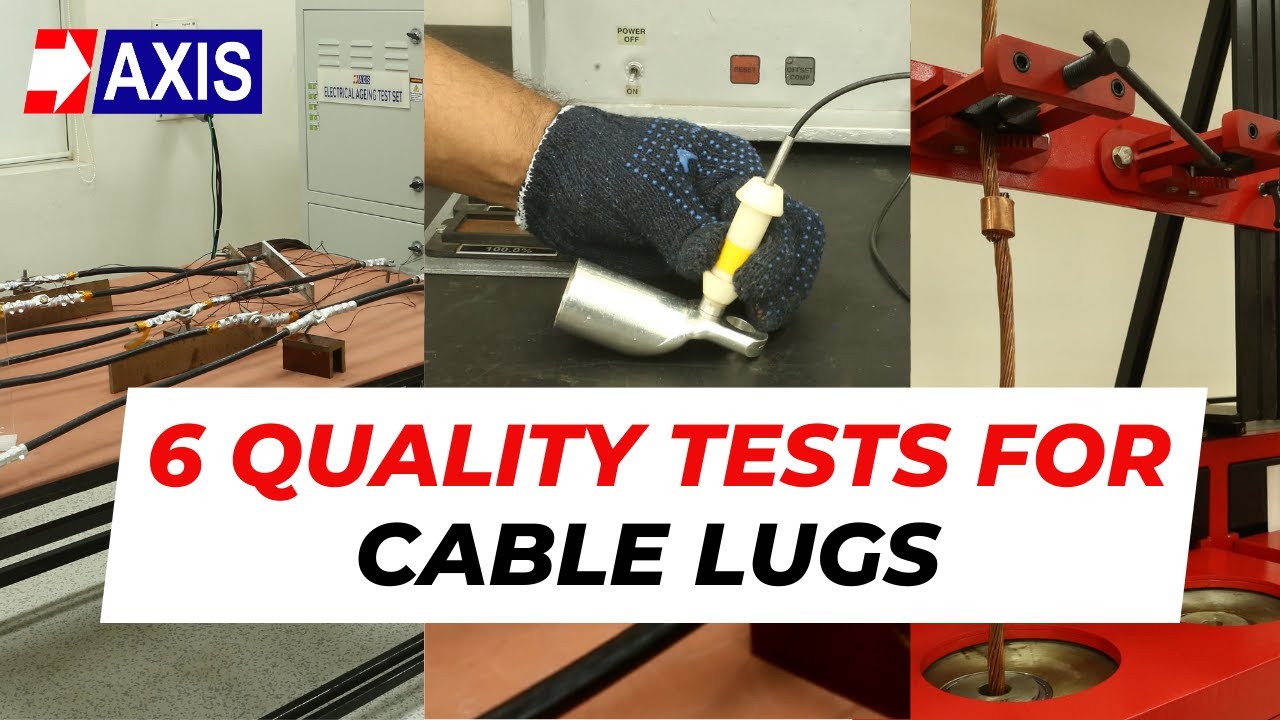
video
Type of Lugs - Which Cable Lug should you use? Learn Application & Types in Detail!
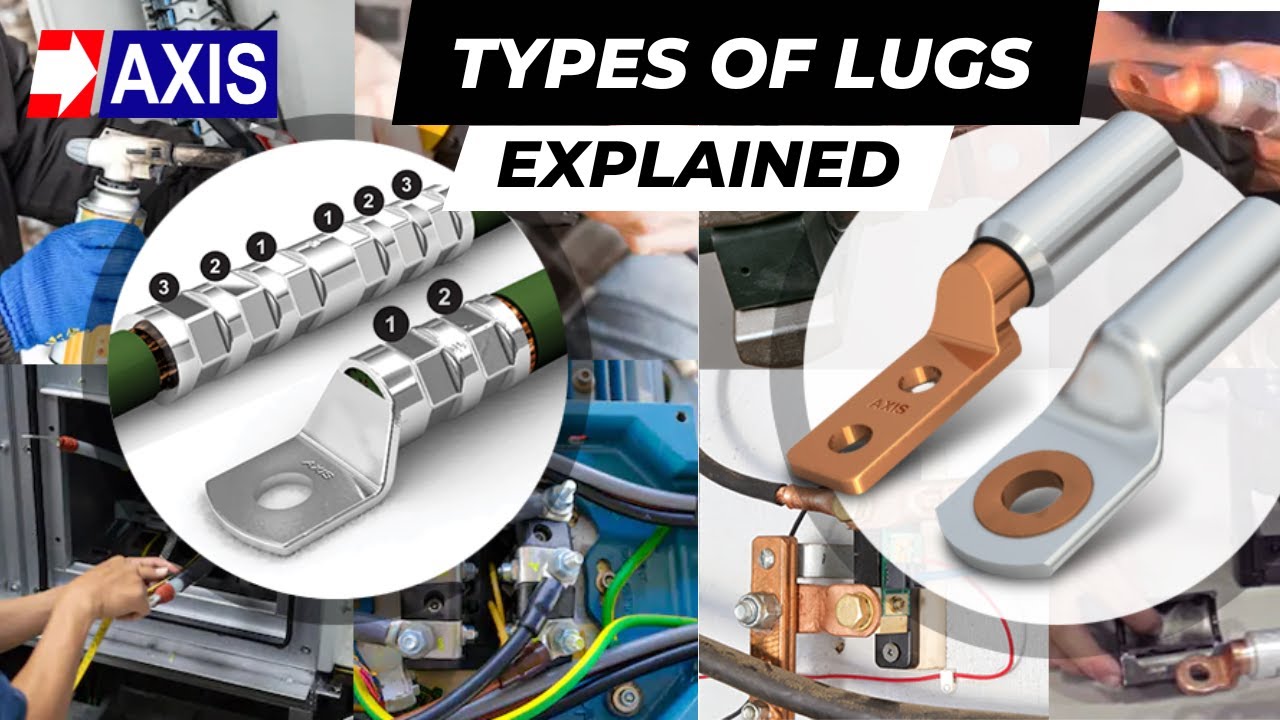
video
How to Crimp Cable Lugs?
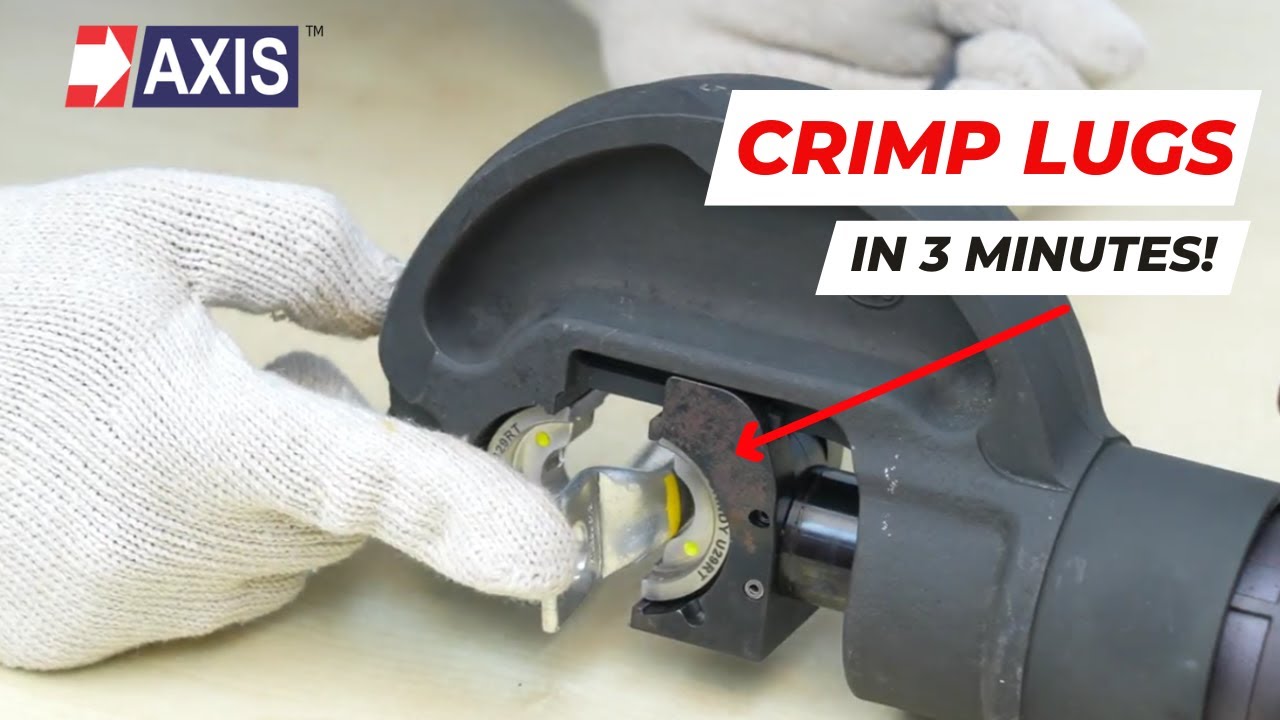
video
How are Cable Lugs Manufactured in India?
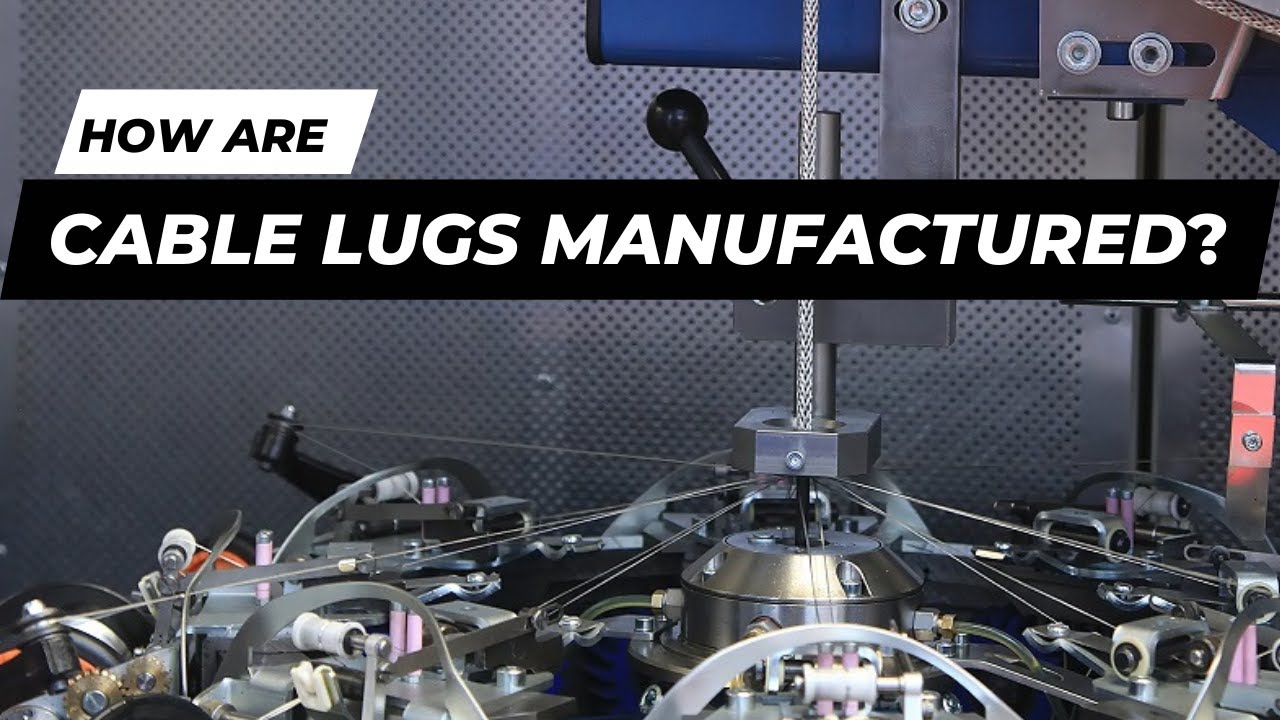
FAQS
Frequently Asked Questions
Find quick answers to common questions about our programs, admissions, eligibility, and application process to help you move forward with confidence.
A lug terminates a cable at a pad or stud. A connector joins two cable ends to each other, in line, with no bolted interface. Use a connector where you are extending a run, repairing a damaged section, or jointing in a pit or panel with no terminal to land on.
The barrier sits at the centre of the barrel and stops each conductor at the correct depth. You get equal insertion on both sides without measuring, and the two conductors cannot touch or overlap. Use it wherever consistent crimp position matters, which is most jointing work.
Standard length suits routine LV jointing. Long length gives more crimp area for higher current and for joints under mechanical pull. Heavy length uses thicker wall material and is built for the largest sections and the highest fault duty, where the joint has to survive short circuit forces as well as normal load.
It carries current but is not designed to hold mechanical tension across the joint. Use it where the cable is supported by other means, in cleated runs, in trays, and inside enclosures. On any span or pull where the joint takes load, use a tension rated type instead.
Cover the connector with heat shrink tubing or a jointing kit rated for the voltage and the environment. Medium wall tubing suits LV joints, and heavy wall or a full straight through kit suits MV. In wet, buried, or outdoor locations, use an adhesive lined tube so moisture cannot track along the conductor.