
Earth Enhancing Compounds

Approved by 80+ Utilities Worldwide

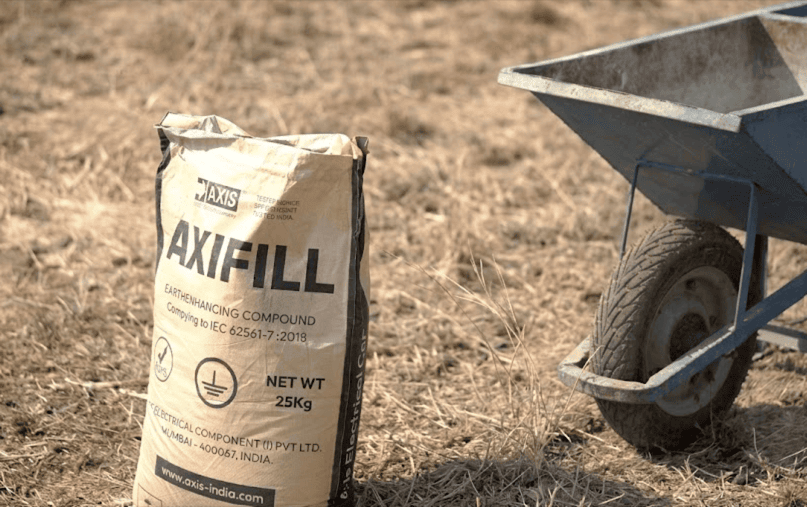
Axifill compound with 0.12 Ωm resistivity, available in 11.5 and 25 kg bags.

IEC | UL | CSA | IEEE Tested and Certified

Guide to Earth-Enhancing Compound

Product Selection and Technical Support.
selection criteria
How to Select Earth Enhancing Compounds
Product raNGE
Explore Products

Learn From Our Engineers
Technical Guides
and Resources
video
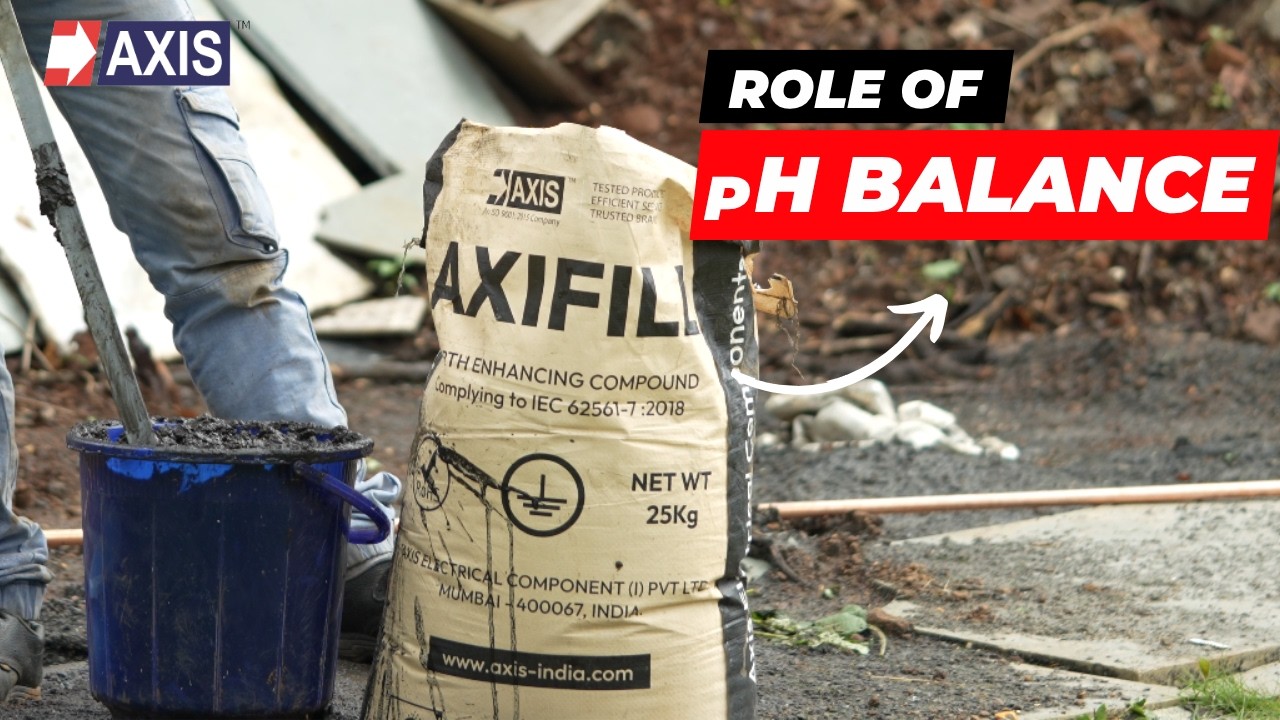
Why pH Balance Is Critical in Earth Enhancing Compound
video
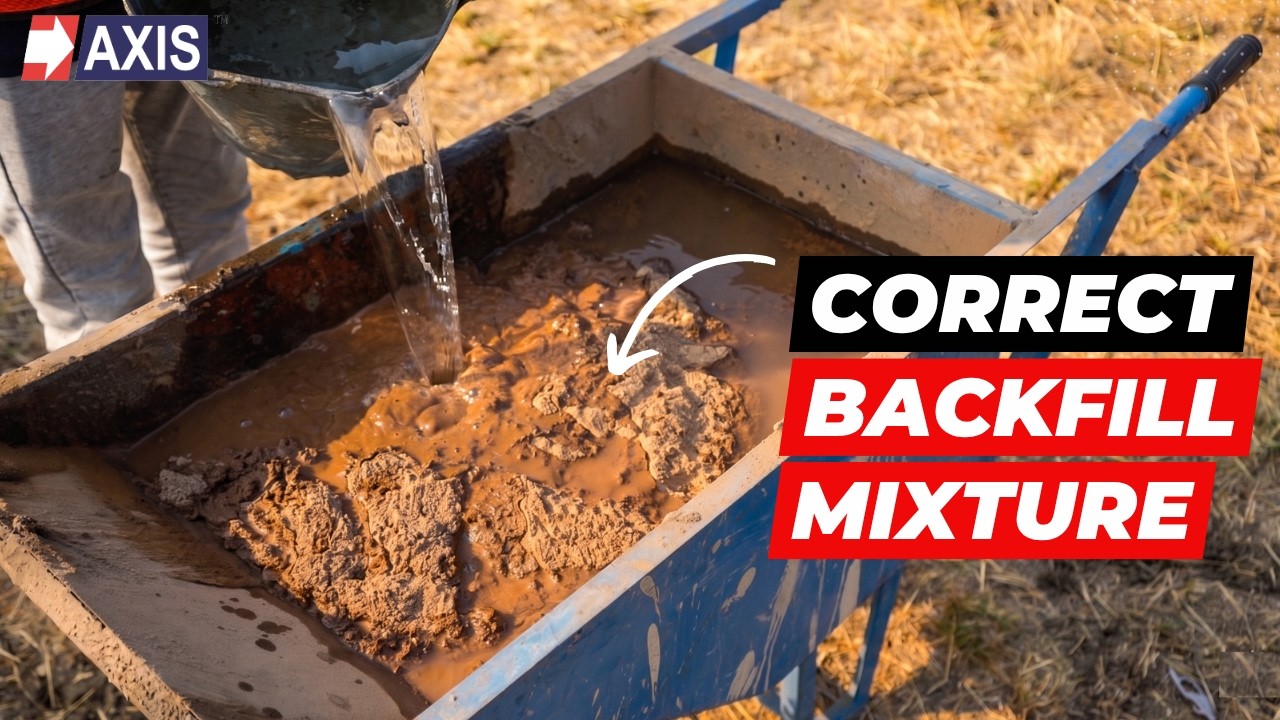
How to mix and install Earth Enhancing Compound for Electrical Earthing?
video
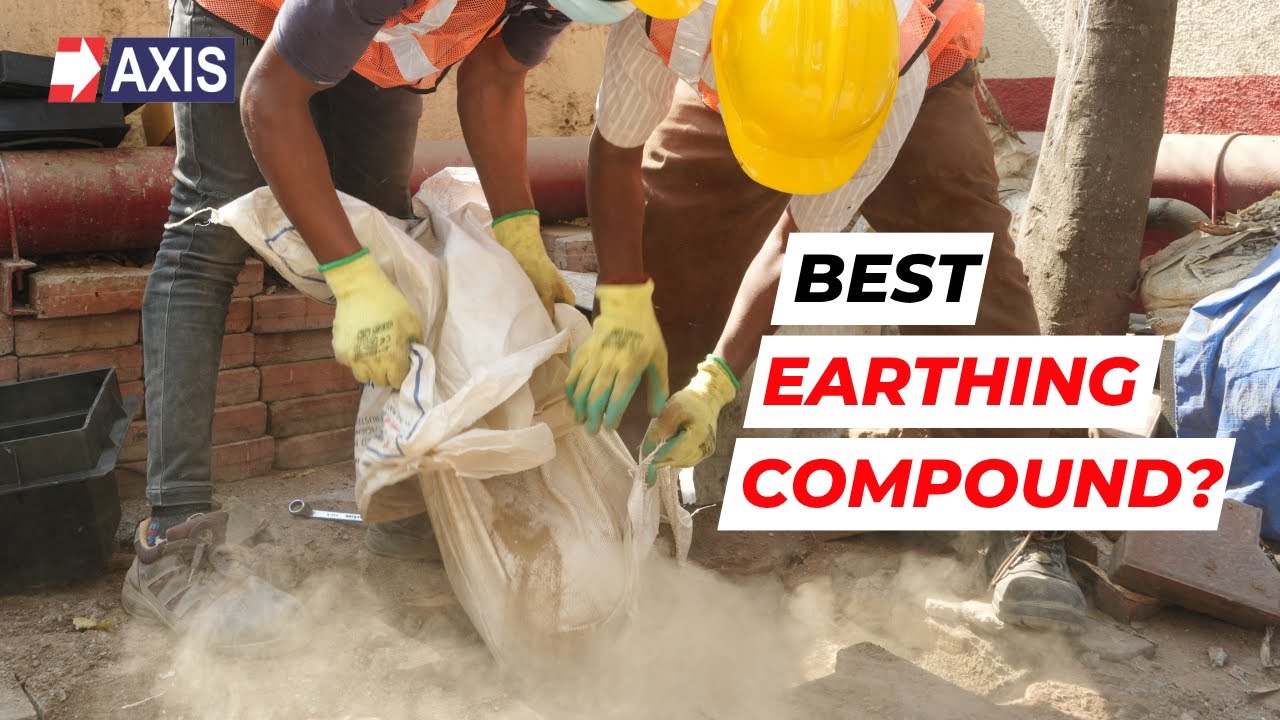
Don’t Buy Earth Enhancing Compound Without Watching This!
FAQS
Frequently Asked Questions
Find quick answers to common questions about our programs, admissions, eligibility, and application process to help you move forward with confidence.
It replaces the soil in direct contact with the electrode with a material of much lower resistivity that holds moisture. Most of the resistance in an earthing system sits in the first few centimetres around the electrode, so improving that layer moves the reading more than adding metal does.
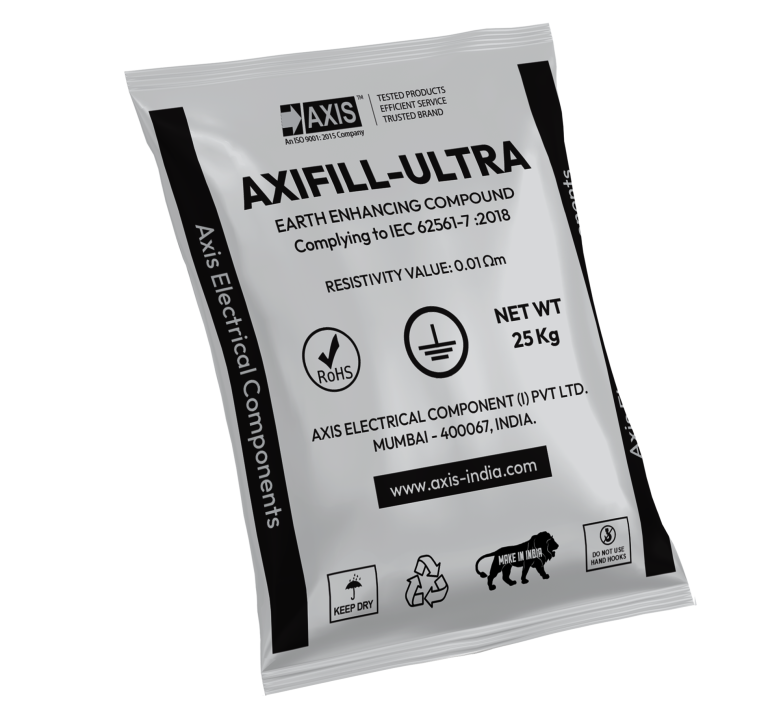
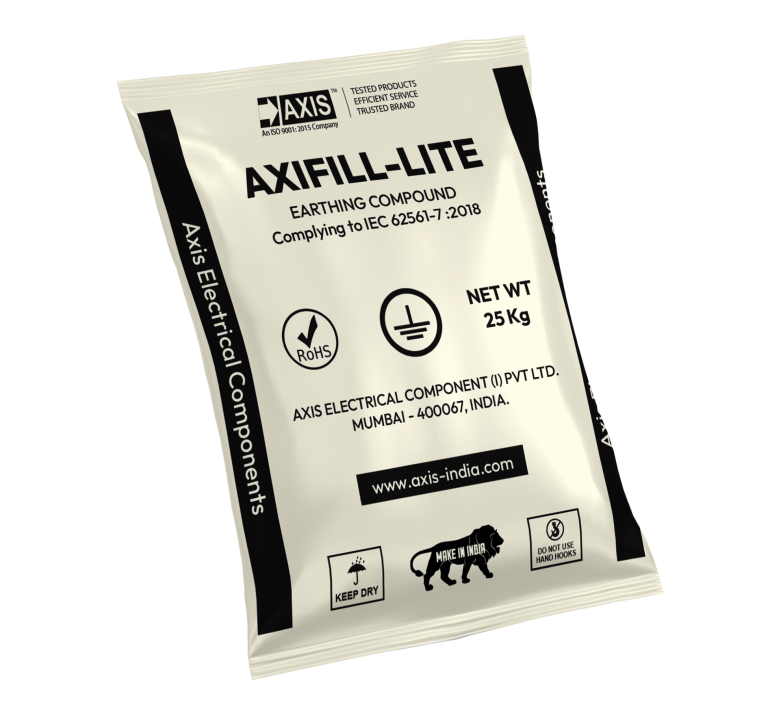
Axifill is the general purpose bentonite compound for low resistivity work. Axifill-ultra is graphite based with a neutral pH of 7 ± 1.0, for chemically aggressive soils and high resistivity ground. Axifill-lite is bentonite based for sandy and high moisture terrain, and swells up to 13 times its dry volume to fill voids and hold water.
Not if the pH is controlled and the material does not leach. Axifill-ultra holds a neutral pH for this reason, and all three are tested for corrosion, leaching, and sulphur content. Sulphur and acidity are what attack copper and galvanised steel in the ground, so those are the numbers to ask for.
No. The compound absorbs and holds moisture from the surrounding soil and releases it slowly, which is the point of using it. Systems that need regular watering to hold their reading have a design problem the compound is being asked to cover.
Mix with water to a slurry or place dry and wet down, depending on the soil. Pour it around the electrode so it fully surrounds the metal with no voids, and backfill over it. Voids are the common failure. An air gap next to the electrode does nothing for the reading no matter how much compound went into the hole.